
Land solutions for investments, resilience and innovation – Understanding how Land Governance contributes to Sustainable Development

By Aoife Ossendorp, Rebecca Rosario Hallin

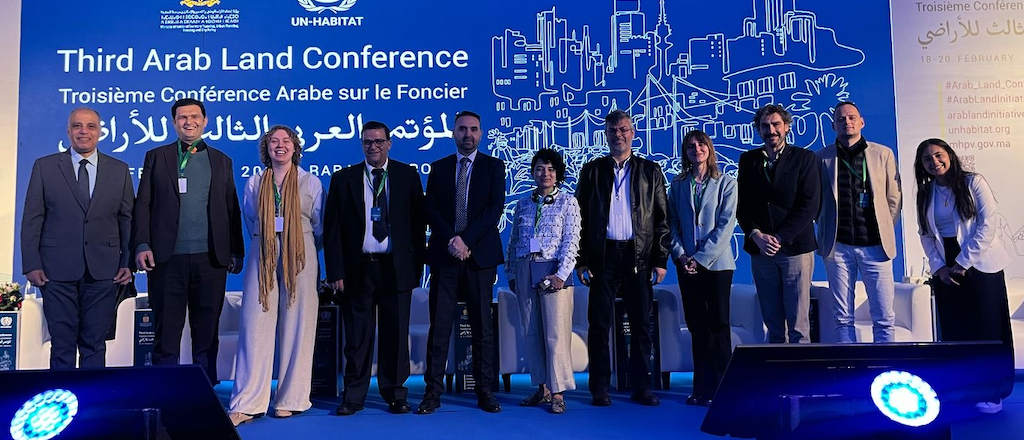
Reflections from the Third Arab Land Conference and the LAND-at-scale Regional Day

Land is more than just a resource—it is the foundation of livelihoods, economic stability, and social justice. Responsible land governance plays a crucial role in sustainable development, conflict prevention, and climate resilience. These themes were central to the Third Arab Land Conference which took place the 18-20th February 2025 in Morocco, where policymakers, experts, and civil society organizations gathered to discuss pressing land challenges in the region. 

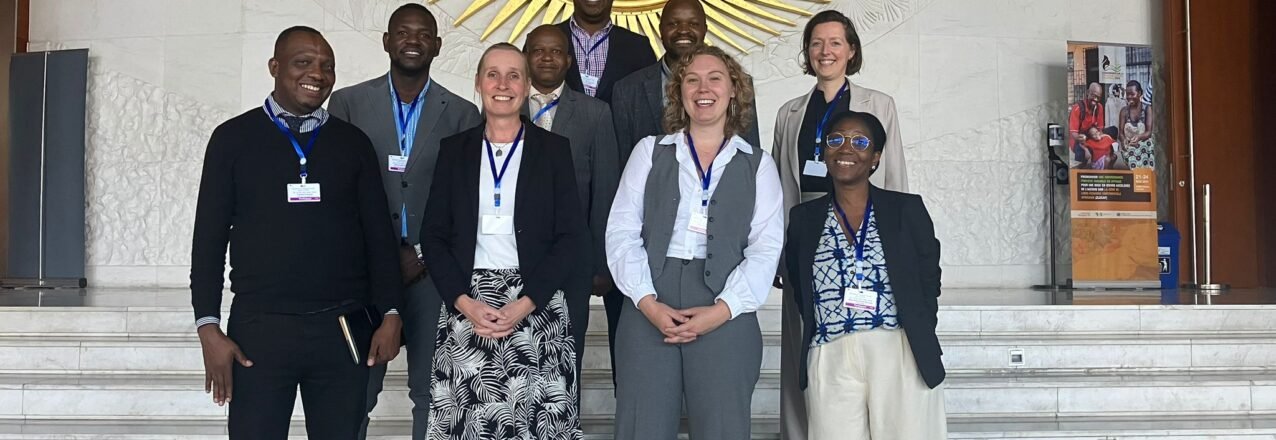
During the conference, the LAND-at-scale programme was happy to join with four of its partners in the region, Egypt, Iraq, Palestine and Somalia, and the Netherlands Enterprise & Development Agency (RVO) and KIT. As a key initiative supporting fair and just land governance, LAND-at-scale aims to strengthen tenure security, equitable land access, and sustainable land management in 12 countries. 

This blog aims to reflect on two key moments; (1) A dedicated session held during the conference to reflect on the role of knowledge management in advancing land governance reforms, and (2) A dedicated regional exchange across the four LAND-at-Scale partners in the region and their key take-aways from the conference.  


Conference session: The role of knowledge management in advancing land governance reforms

In the LAND-at-scale programme, particular focus is given to facilitating knowledge generation and reflection on learnings in projects, across country projects, and with broader land stakeholders. Partners from Egypt, Iraq, Palestine and Somalia reflected on how shared knowledge and exchange between countries can be a tool and inspiration for adaptive programming. The session reflected on examples of adaptive programming through findings in longitudinal studies, working with academia, and gaining new insights from exchanging with land experts across the globe.  Watch the session here. 


Regional Day: Take-aways from the conference & reflections on institutionalization of projects 

With four out of 12 country partners gathered in Rabat, LAND-at-scale held its first Regional Day alongside the conference. Discussions aimed to (1) reflect on the conference themes, and (2) answer the central question of “how do you institutionalize knowledge generated within the project?” and touched on legal plurality, the role of academia, and responsible private sector engagement etc.
 

Conference take-aways 

During the Regional Day the partners also had the opportunity to critically reflected on key lessons from the Third Arab Land Conference. 

A key theme was the digital transformation of land administration. Several countries showcased their progress in adopting digital land registration systems to improve transparency and accessibility. Iraq has advanced its automated land registry, while Palestine has pursued digitizing records despite challenges. These efforts show technology’s potential, however so is to ask the question why are we digitizing and for whom?

Another major discussion centered on the role of land governance in stability and peacebuilding. Weak governance exacerbates conflicts and inequalities, making tenure security crucial in preventing disputes. Experts stressed integrating land governance into broader peace and transitional justice frameworks

Climate change and land tenure security were also a focus. With climate-induced displacement rising, securing land rights is more urgent than ever. Representatives from Somalia and Libya had emphasized the need for climate-informed policies to prevent conflicts over resources.

Women’s land rights were discussed as a cross-cutting priority. Gender disparities continue to hinder economic and social development, making legal reforms and community engagement essential. Strengthening women’s tenure security was identified as key to economic empowerment. Although it is positive that these themes were included and centered in several sessions, they could have been further strengthened by also sharing concrete examples.


Institutionalization of projects 

The LAND-at-scale Regional Day explored how national projects contribute to broader regional goals. Discussions emphasized aligning national and regional agendas, where country-specific initiatives—whether in Iraq, Somalia, Egypt or Palestine—can inform and benefit from regional frameworks. Strengthening regional synergies was identified as a crucial next step.

Participants examined ways to scale innovations. Successful models, such as digital land registries, can be adapted across multiple countries for greater impact.

Ensuring sustainable land governance projects requires robust financing, including public-private partnerships and donor collaboration. Aligning national policies with international development goals is key to long-term success.

A recurring theme was the role of land rights in social justice. Land tenure security is linked to human rights, making it essential to prioritize marginalized communities, including displaced populations and women.


The Role of Cross-Country Learning

Clear from the LAND-at-scale Regional Day is that each partner approaches the institutionalization of knowledge in their own unique way. While Iraq and Palestine focus on academic integration, Egypt prioritizes farmer engagement, and Somalia navigates legal pluralism. Despite differences, common themes include digital tools, standardized training, and collaboration. Moving forward, cross-country learning will be essential in sustaining institutional reforms.

The Third Arab Land Conference and LAND-at-scale Regional Day reaffirmed that land governance is a pillar of stability and development. Continued collaboration and innovation will be critical in unlocking land governance’s potential for positive change.  If you would like to watch the fascinating conversation please visit: Cross-country knowledge exchange in Land Governance projects 


The LAND-at-scale programme is financed by the Ministry of Foreign Affairs of the Netherlands and managed by the Netherlands Enterprise & Development Agency (RVO).

Program: LAND-at-scale.

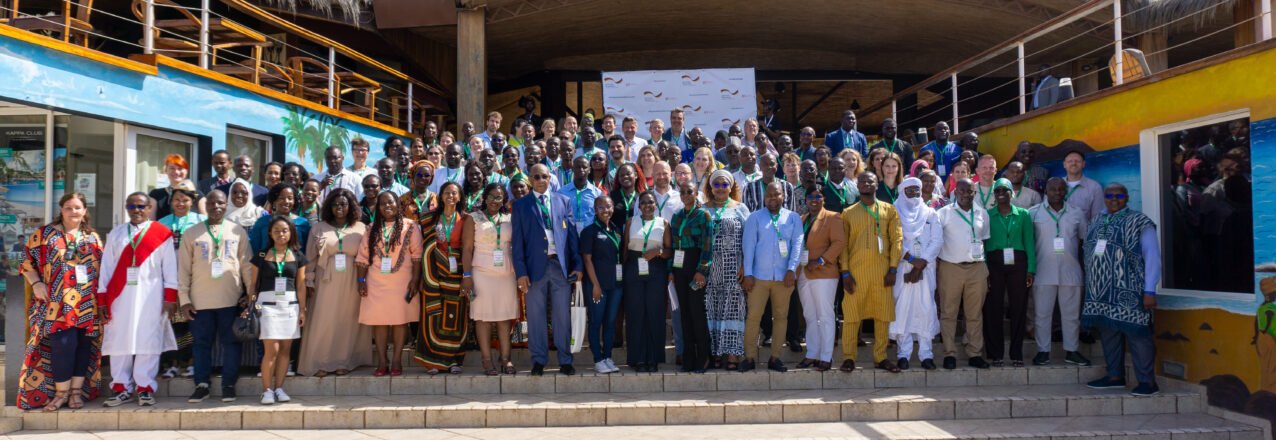
Original image LAND-at-scale Regional Day.

Originally published on the Land Portal. Creative Commons Attribution 4.0 International.

Bringing Land Services Closer to Ethiopian Farmers

Ethiopia’s land administration sector has undergone significant improvements over the last decade. With approximately 50 million parcels of land, around 30 million have been demarcated and registered, and 25 million parcels have received Second Level Landholding Certificates (SLLC) digitized in the National Rural Land Administration Information System (NRLAIS). Despite these advancements, most rural landholders continue to rely on informal land transactions after initial registration, primarily due to the distance between kebeles (sub-district) and woreda (district) land offices. Access to formal land transactions is crucial for securing land rights, obtaining loans, and investing in agricultural improvements. Without formal documentation, landholders cannot use their land as collateral, limiting their access to financial resources necessary for improving their livelihoods. 

Formal land transactions remain limited, with only 740,000 transactions executed nationally in total, despite millions of land parcels registered. The distance to woreda offices does not only affect individual landholders but also has broader implications for rural development, food security, and poverty alleviation. For many farmers, the journey is long and expensive, transport is rare, leaving people no choice but to walk. These challenges prevent many landholders from formalizing their land transactions, leaving them vulnerable and unable to fully utilize their land rights. This is also the case for the community members of Shereshera Mena and Wurib Kebeles in Meskan Woreda, a district in Gurage zone, Central Ethiopian Region. Ethiopia’s government, supported by German Cooperation, aims to address these challenges by improving the rural land registry through the Rural Land Administration System (RLAS). However, for RLAS to be effective and sustainable, landholders must register subsequent transactions formally. 

S2RAI’s Approach to this situation: Mobile Back Office Centre 

Bedria Selamu’s and Mekia Nasir’s land certificates allow them to access loans for income-generating activities, such as teff farming and cattle fattening. Bedria Selamu’s and Mekia Nasir’s land certificates allow them to access loans for income-generating activities, such as teff farming and cattle fattening. 

To bridge the gap between the issuance of land certificates and formal land transactions, innovative solutions are needed. The Ethiopian Ministry of Agriculture, with the support of the S2RAI project, piloted the Mobile Back Office Centre (MBOC) initiative. MBOCs bring land administration services directly to the kebeles, reducing the need for landholders to travel long distances. Equipped with mobile IT equipment and power supply, woreda officers travel on motorbikes to the remote areas and set up temporary offices in the kebele once or twice a month. These mobile centres offer the same services as woreda land offices, including land registration, certification, and transaction processing. Local officers in the kebele help the farmers to fill their request forms prior, depending on their need. They also support the trip planning and ensure a critical mass of land transaction, to make the journey of the woreda land officers cost-effective. These process then the transactions on the spot within a day and changes are directly reflected in the NRLAIS. As part of the pilot, three MBOCs were established based on proximity to landholders, road access, and the willingness of kebele administrations to provide temporary office space. 

The introduction of MBOCs has already shown significant positive impacts. In just three months, 266 land transactions were facilitated through MBOCs. The MBOC initiative is not only improving service delivery but also enhancing the livelihoods of landholders. With formal land certificates, farmers can access loans and invest in various income-generating activities.

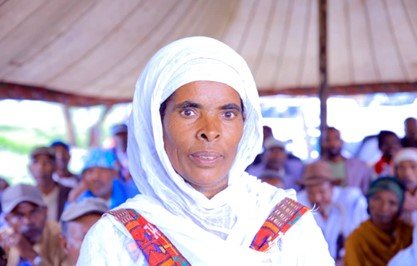
Achamyelesh Bogale, farmer in Shereshera Mena Kebele, Meskan Woreda

Achamyelesh Bogale, farmer in Shereshera Mena Kebele, Meskan Woreda 

“I am very happy with the improved service provision. Previously we were spending so much money and time for travelling from remote kebeles to the woreda center. Now the service provision is so good. Especially for women, it enabled us to exercise our land rights. This encourages us to engage in activities focusing on generating alternative income.”  
– Achamyelesh Bogale, farmer in Shereshera Mena Kebele, Meskan Woreda.

By facilitating formal land transactions, MBOCs are helping landholders secure their land rights, access financial resources, and improve their agricultural productivity. By promoting the MBOC approach among donors and providing training to woreda experts, landholders across Ethiopia can access essential land administration services close to their neighbourhoods, fostering sustainable rural development.

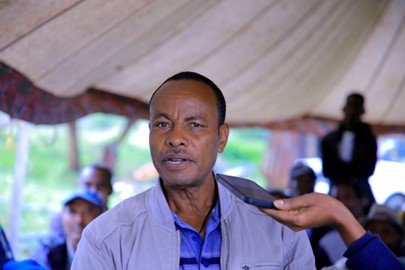
Abayneh Bogale, farmer in Shershera Mena Kebele, Meskan Woreda

Abayneh Bogale, farmer in Shershera Mena Kebele, Meskan Woreda 

“After I have received my land certificate, I applied to micro finance institutions for a loan using three of my land plots as collateral. This improved the current economic capacity of my livelihood. Apart from developing my own land, I am re-investing by renting additional land from other landholders.” 
Abayneh Bogale, farmer in Shershera Mena Kebele, Meskan Woreda.

For more information visit: Global Programme Responsible Land Policy | Land Portal and Responsible Land Policy in Ethiopia | Land Portal.

Explore the Responsible Land Policy in Ethiopia project and the global programme.

Originally published on 10 March 2025 by the Global Programme Responsible Land Policy on Land Portal. Republished under Creative Commons Attribution 4.0. Photographs: GIZ, via Land Portal.

How formalised rental agreements help refugees to be self-sufficient

By RELAPU and ZOA

Tenancy Agreements transform Prospects of South Sudanese Refugees in West-Nile, Uganda

Some interventions might look small at first sight but can bring lasting benefits to individuals and their respective communities. This story illustrates how the introduction of standardized (short-term) rental agreements improved both social cohesion and food security in refugee settlements in Uganda’s West-Nile region.

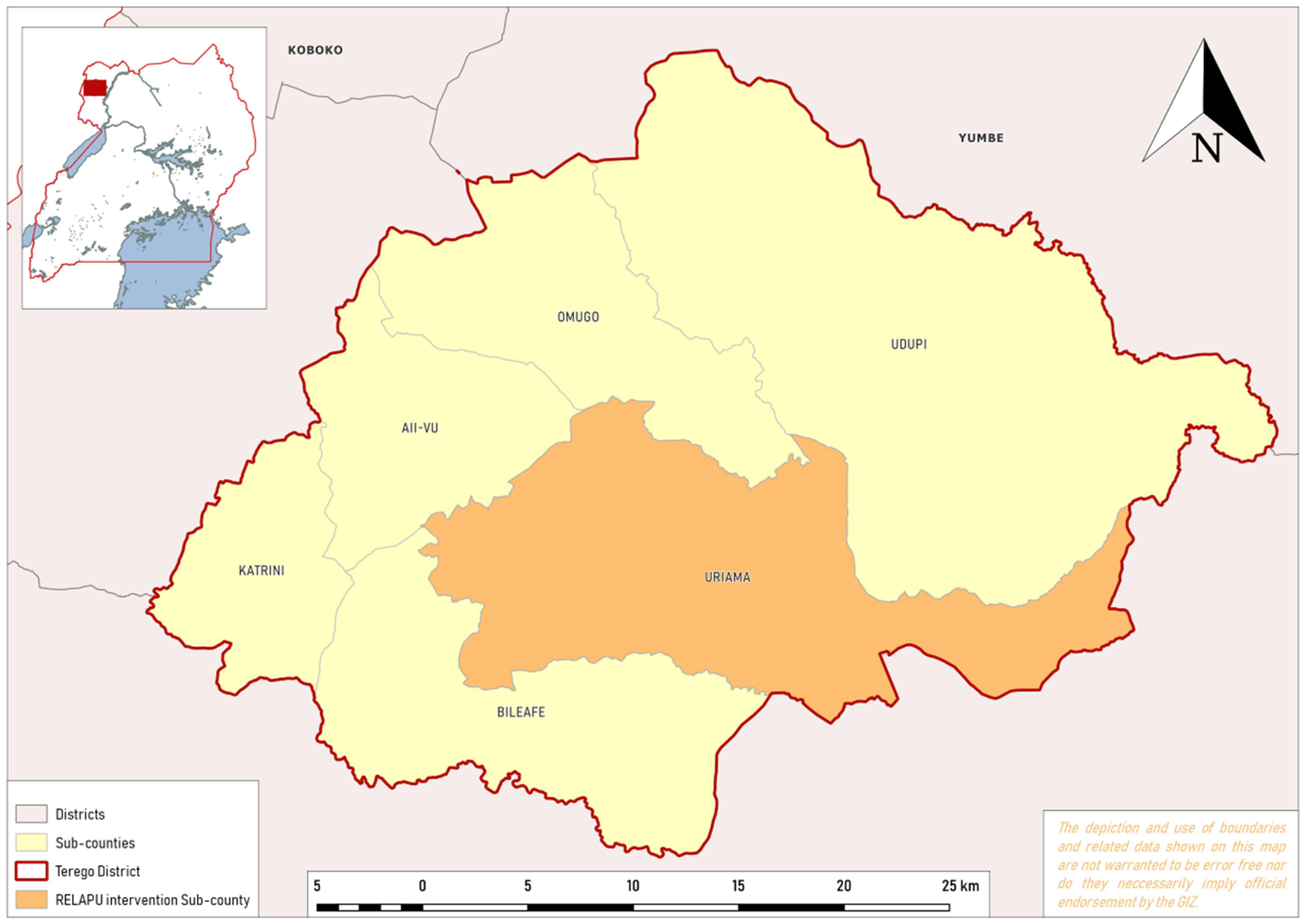
Map of West-Nile region in North-West Uganda.

Map of the West-Nile Region in Northern Uganda. CC@GIZ, all rights reserved.

Reliable land use rights are a key factor for enabling a population to engage in small-scale agricultural investment and achieve economic independence and food security. This can be well illustrated with the story of Noel W. (58 years) and his family of eleven, who fled to Uganda from South Sudan in 2017 and were settled in the Rhino Camp in North-Western Uganda. Here, thanks to Uganda’s favourable refugee policy, every refugee family is given a plot of 30m by 30m of land for subsistence farming. While this was initially sufficient to sustain themselves, they soon had to look for additional land to work on. They sought out the local communities to rent land for cultivation but found that some landlords take advantage of the lack of formal agreements to engage in exploitative behaviour towards land renters. To address this issue, the Project for Responsible Land Policy in Uganda (RELAPU) developed and distributed tenancy agreement forms in cooperation with the Dutch NGO ZOA.

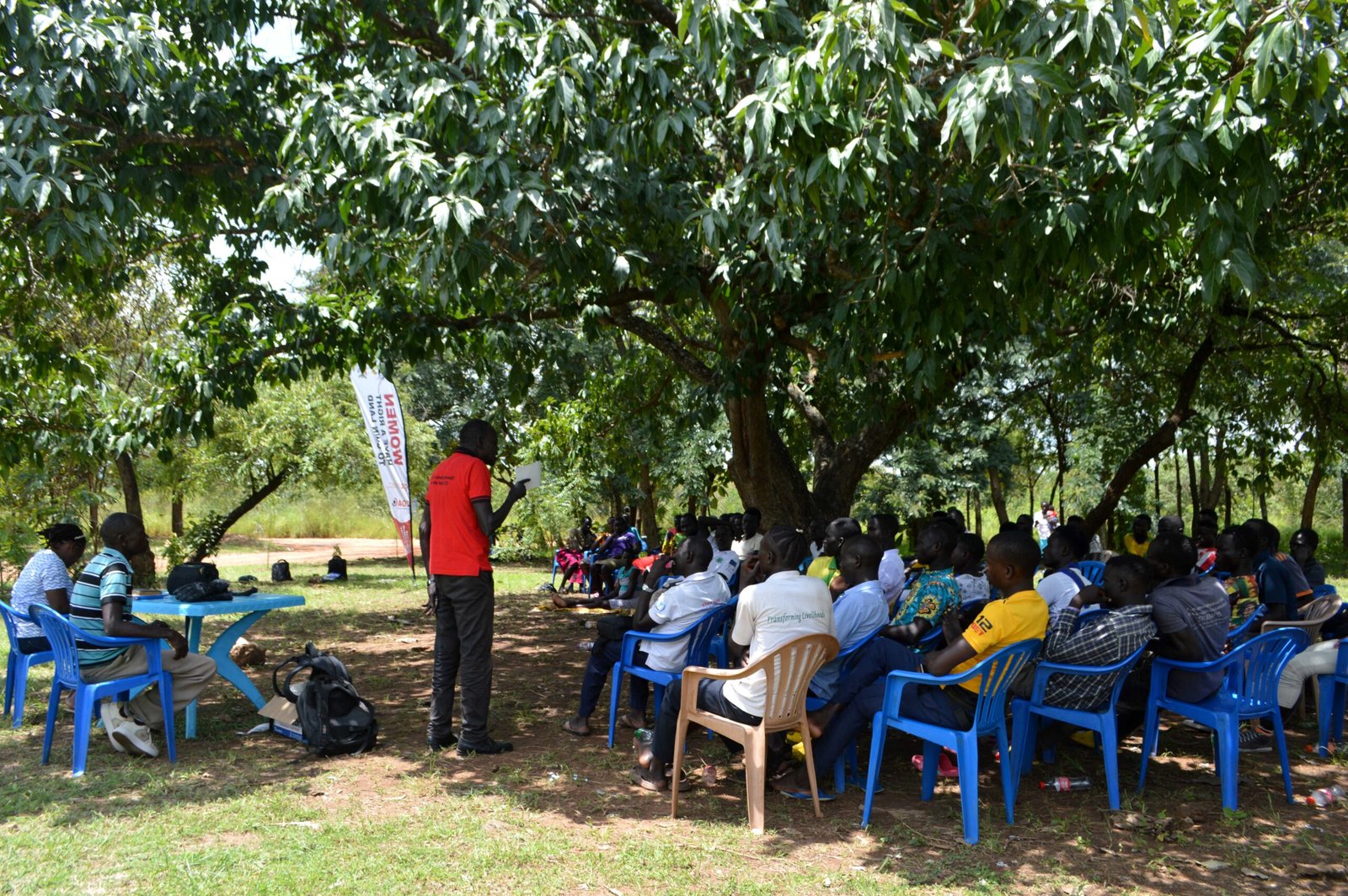
A Man with the back to the camera is talking to people sitting on plasitc cahis in a circle around him, under a tree.

Awareness Raising Meeting facilitated by members of ZOA where they introduce the tenancy agreements. CC@GIZ, all rights reserved.

The predicament faced by Noel W.’s family is a common story among refugees in settlements. Limited resources and small plots of land have left numerous families dependent on food rations and vulnerable to losing crops they grow. This challenging environment makes the temporary access to land and the ability to cultivate it with confidence a crucial requirement for survival and self-sufficiency within refugee settlements. In their communities, refugees often engage in short-term rentals of land to carry out agricultural activities like growing cash crops such as sesame or groundnuts. Unfortunately, these land rentals often lack formal documentation, which leaves refugees vulnerable to exploitation. This ranges from illegitimate rental agreements to pre-mature evictions that result in a loss of agricultural produce and investments. These illicit practices that occur within informal land rental do not only threaten livelihoods but are also a source of many conflicts and hostilities between the refugees and their host-communities.  

The Project’s Approach: Formalising Land Rental Agreements to reduce conflicts while increasing confidence 

To address these re-occurring issues and to facilitate the peaceful co-existence of refugees and their host communities, RELAPU together with ZOA developed tenancy agreement forms. These forms, representing legal contracts, clearly stipulate the terms of the rental such as duration and type of use, and clearly draw out the rights and limitations of each party. This results in increased security on both sides for the duration of land rentals. Refugees are protected from premature eviction, while landlords are guaranteed through written agreement, that their tenants will not overstay after their harvest or use the plots in other ways than the agreed form. Based on such a tenancy agreement, Noel W. was able to rent nearly an acre of land from a local landlord. Now relying on the formal agreement to protect his agricultural investments, Wani and his family thus moved from a state of dependency on limited food rations and a small plot of land to a level of self-sufficiency. This shift has not only improved their immediate nutritional intake but also provided a sense of stability and hope for the future.

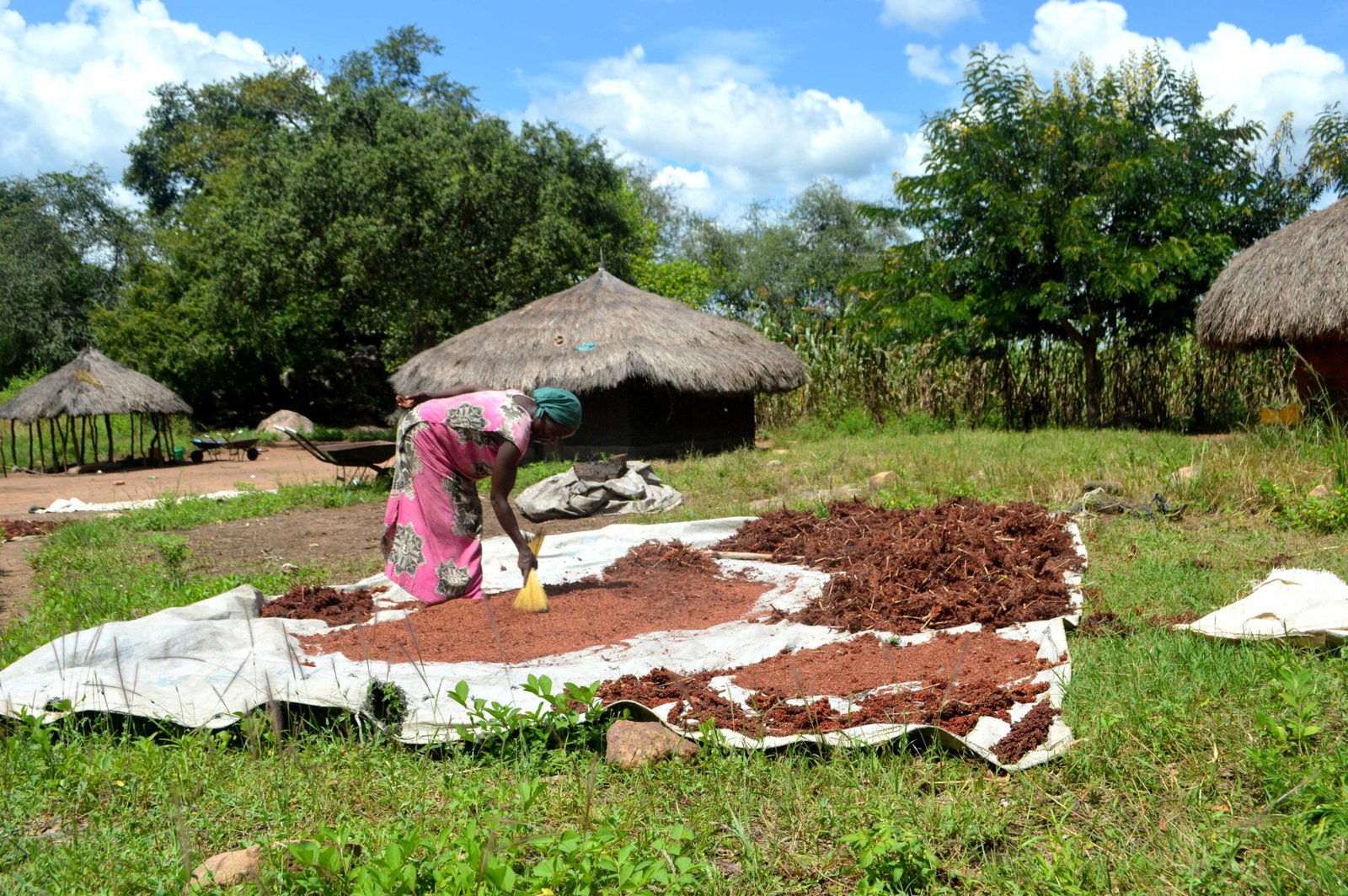
Noel's wife is drying her produce on a plastic sheet.

Noel W.’s wife as she lais out millet fromt heir own harvest to dry. CC@GIZ, all rights reserved.

Throughout RELAPU’s implementation in the West-Nile area, a total of 901 agreements came into effect. These have benefited a wide array of tenants, including 419 women and 475 men and their respective families. Additionally, 7 farmer groups also benefited, highlighting the project’s outreach to collective agricultural initiatives. Overall, 89.4% of participants reported enhanced land security following the signing of tenancy agreements, which increases their confidence to engage in for-profit farming. This story underscores the transformative power of legally backed land-access and the impact of secure tenancy agreements for refugees. RELAPU works to find local sustainable solutions that can alleviate food insecurity and empower refugee families to build a more stable and hopeful future for themselves while engaging peacefully with their host communities.


Find here more projects of the Global Programme for Responsible Land Policy: Global Programme Responsible Land Policy.

Explore Responsible Land Policy in Uganda and the global programme.

Originally published on 28 January 2025 on Land Portal. Authors: RELAPU and ZOA. Images: GIZ, via Land Portal.

GIZ Knowledge Exchange Workshop 2024

By Oliver Puginier, GIZ

As part of its efforts to promote secure land tenure in Africa, three Programmes of German Development Cooperation joined hands and brought together 120 land experts from 17 countries to discuss Responsible Land Governance Systems in Somone, Senegal on 7-11 October 2024. These were: the “Global Programme on Responsible Land Policy” (GPRLP), the “Global Programme Strengthening Advisory Capacities for Land Governance in Africa” (SLGA) and the bilateral project “Seen Suuf – Support for the improvement of land management”. This was the second such workshop after the Knowledge Exchange Workshop in June 2022 in Uganda, entitled “Secure Land Rights – Learning, Collaboration and Practice”, and was intended to deepen exchanges as well as share lessons learned.  

Anchoring Practitioners’ Experience in Responsible Land Governance Systems refers to integrating and grounding the practical knowledge gained as well as experiences of professionals in the field into formal land governance systems. The workshop aimed to foster experience sharing and proven best practices in responsible land policy by those directly involved in land governance, so as to provide valuable insights to inform, assess the effectiveness and to refine land policies and frameworks. Mutual learning and innovative solutions are key elements for strengthening land tenure security and promote responsible land management systems. Discussions covered Land Tenure Security, Conflict Mediation, and Land Reforms among representatives from governments, CSOs, academia, practitioners from land governance projects as well as a variety of development partners.

Best practices around five thematic communities of practice were highlighted in Knowledge Streams, including cross-cutting themes such as climate resilience, gender inclusivity, and digitalization. The workshop included field excursions, presentations, exchange sessions, and discussions on mainstreaming practitioners’ experiences into policy frameworks, thus fostering a strong international network for knowledge sharing and collaborative action.

The results are summarized in a communiqué in English and French which you can find below.


Lessons Learned

  • Importance of Local Knowledge and Community Engagement. Community-driven practices in conflict resolution and natural resource management are highly effective in addressing local land disputes and restoring ecosystems. Examples include the use of local land charters in Burkina Faso and Niger, which incorporate both traditional and formal land management practices.
  • Challenges in Formalizing Customary Land Rights. Formalizing customary rights remains challenging due to high administrative costs and complex legal frameworks. Projects like Seen Suuf in Senegal demonstrate that sustained technical and financial support is crucial to overcoming these obstacles and securing rights for vulnerable groups.
  • The Need for Cross-Sector Partnerships. Integrating digital, gender, and environmental dimensions into land governance requires cross-sector collaboration. Strengthening alliances between civil society, government, international partners and private stakeholders can drive systemic change, aligning land policies with broader environmental and social objectives.


Find here more projects and events from the Global Programme Responsible Land Policy | Land Portal.

Explore the Global Programme Responsible Land Policy.

Originally published on 13 December 2024 on Land Portal. Author: Oliver Puginier, GIZ. Photograph via Land Portal.

Land rights matter: Impact of the project for Responsible Land Policy (ProPFR) in the Centre region of Cameroon

By Tobias Feldt, Consoler Tapimene and Tabea Riemensperger

In Cameroon like most developing countries, access to land is still a challenge. Less than 30% of Cameroon’s land area is secured by collective or individual rights due in part to lengthy and expensive processes. Although the country’s ministry in charge of State property, Surveys and Land tenure (MINDCAF) is working towards better access to secure land, the legislation on land tenure is obsolete and the reform initiated in 2011 is still pending. Women, young people and people belonging to minority ethnic groups are particularly disadvantaged.


The project “Responsible Land Policy” (ProPFR) in Cameroon is being implemented since January 2023 and contributes to strengthening land use rights in the Centre Region of Cameroon (primarily in the municipalities of Nanga-Eboko and Yoko), safeguarding the livelihoods of the rural population and simultaneously promoting the protection and restoration of forest-rich landscapes.

The projects activities are centered around:

  • Raising awareness on the local populations’ land rights.
  • Fostering policy change for inclusive access and sustainable management of land resources
  • Supporting the prevention and management of conflicts (farmer-grazer conflicts, between farmers, between sedentary and transhumant pastoralists, between the local chiefdoms and populations etc.)
  • Supporting small agroforestry investors individually and in associations, cooperatives, and Common Initiative Groups (GICs) in preliminary activities like georeferencing, providing financial and technical support to officially register their community land for project investment to obtain securing documents (concessions) on the basis of the VGGT (Voluntary Guidelines on the Responsible Governance of Tenure of Land, Fisheries and Forests in the Context of National Food Security)
  • Promoting women, youths and minority ethnic group’s (e. g. Mbororo-Fulani) access to land.


Almost halfway through the projects’ implementation phase, interviews were conducted in several villages in ProPFR’s intervention zone – Mekoassim, Mankim, Ngouetou, and Mangaï – and at the level of central administration (MINDCAF) to get the impact ProPFR activities have had on an individual as well as collective level. The interviewees expressed their relief and satisfaction regarding the positive changes the project has initiated and continues to promote. Listen to the testimonials about peaceful cohabitation, easy and inclusive access to land, and sustainable use of land and its resources: Video.


Picture source: Consoler TAPIMENE, GIZ


For more information and resources visit: Responsible Land Policy in Cameroon | Land Portal.

Explore the Responsible Land Policy in Cameroon project and the global programme.

Originally published on 14 November 2024 on Land Portal. Photograph: Consoler Tapimene, GIZ.

Webinar recap: Inclusive Land Governance and Fit-for-Purpose Land Administration: Whose Purpose?

The webinar Inclusive Land Governance and Fit-for-Purpose Land Administration: Whose Purpose?, which took place on 19 September, 2024, explored how a people-centered and holistic approach can transform Fit-for-Purpose Land Administration (FFPLA) and ensure that land administration truly serves the needs of communities.  The webinar, which was moderated by Imke Greven of the LAND-at-Scale Program Advisor at the Netherlands Enterprise Agency (RVO) gathered over 275 people.  


The event featured the following speakers: 

  • Nisso Kaokamla, LAND-at-Scale Project Coordinator, Oxfam Chad
  • Menare Royal Mabakeng, Lecturer, Namibia University of Science and Technology
  • Maria Clara van der Hammen, Project Coordinator, Tropenbos Colombia
  • Charl-Thom Bayer, Senior Land Information Specialist, Land Portal


Please see a brief recap of the full captivating conversation: 


  1. What is the context of  Fit-For-Purpose Land Administration?


Royal: Fit For Purpose Land Administration  is a top-down land administration approach that focuses on creating partnerships , and developing capacity of land institutions, to improve land tenure security at scale. The approach emerged out of the gradual development  of land administration as a field of practice. Generally, land administration  was fixed in cadastral and land registration systems. Which were developed for providing information about types of land use, land value and land ownership. The design was based on cultures and judicial systems across regions in the world. Land Administration Systems works towards creating enabling infrastructure for implementing land policies and land management strategies in support of sustainable development. Over time developed countries established  mature land institutions,protecting the land to people relationships.  However, this was not possible for all countries , as some still faced weak land governance and insecurity of tenure. Technology advancements and the drive for sustainable development inspired the development of land tools to support improved tenure security. Such as the STDM, the continuum of land rights and responsible land governance(GLTN). 

Out of this emerged the Fit-For-Purpose Land Administration.  


  1. How can we ensure that FFPLA truly serves the needs and priorities of local communities? 


Maria Clara: The first step is capacity building so that they understand what land administration is about, how it works so that they can not only be instruments in the application of technology but also propose their needs Communities have necessities related to land governance that are not only related to the needs of the state land administration but also internally, specially in the case of collective land titles such as Indigenous resguardos and AfroColombian collective territories. An example can be the way Arhuaco Indigenous Peoples of the Sierra Nevada have a need to receive information about the status of the lands they have acquired and want to convert into a collective title. Having all the information and comprehension helps communities to interact in an assertive manner with land institutions. 


  1. What are the barriers to accessing land data and information, and how can these be overcome?


Tommy:  It is important to separate out those issues that are outside of the FFPLA scope and those that are within the scope of FFPLA interventions. These include issues such as on access to technology – information and communications infrastructure, internet connectivity and penetration, digital literacy and capacity etc. While we cannot address these issues here, they need to be acknowledged.


Some of the barriers within the scope of FFPLA include not Using defined data standards, which reduces interoperability, usefulness and re-use of data. Furthermore, lack of local knowledge and mapping likely reduces the acknowledgement of local rights over land. This necessarily involves the democratic contestation of rights and benefits between the role of the state and that of the people. Thus data itself can become the instrument that shifts political power or entrenches political power.  Finally, despite the fact that open data is not without limitation, lack of data rights and privacy protections for the vulnerable (both technical and legal) is another major barrier.  


  1. What role can civil society organizations play in advocating for open and accessible land data?


Nisso:  Civil society organizations can lobby governments to adopt transparent land policies, thereby reducing corruption in land management and can participate in discussions on land law reform to promote transparency, social justice and the protection of citizens’ rights, particularly those of marginalized communities. Furthermore, community based organizations  can raise awareness among vulnerable communities (farmers, indigenous peoples, etc.) on their land rights, enabling them to better understand land registration processes and exercise their rights. FInally, they can use technologies such as geographic information systems (GIS) and participatory mapping to collect and disseminate land information, particularly on community or unregistered land, and make it accessible.


Program: LAND-at-scale.

Originally published on the Land Portal. Creative Commons Attribution 4.0 International.
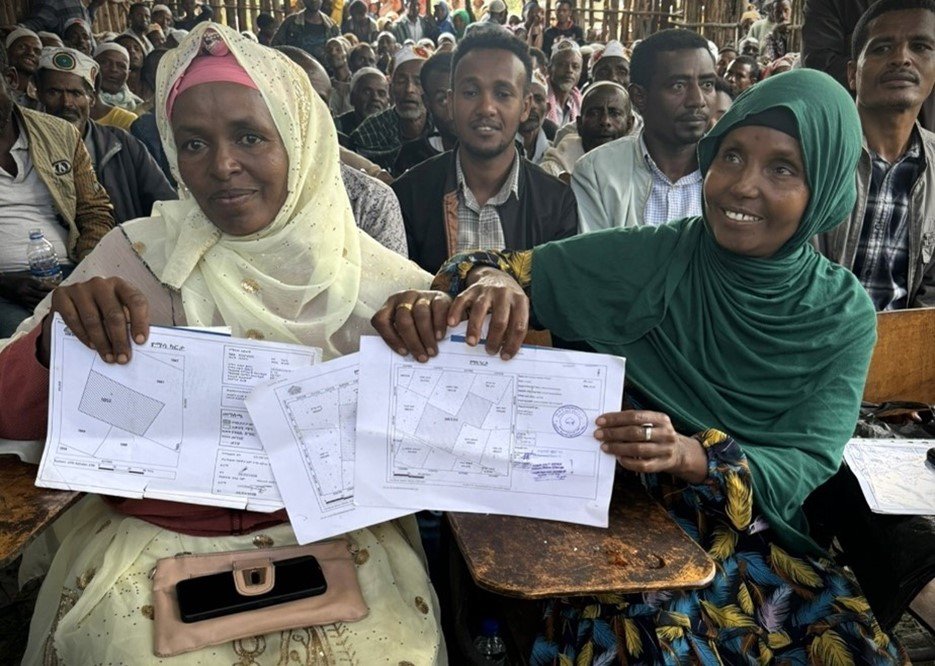
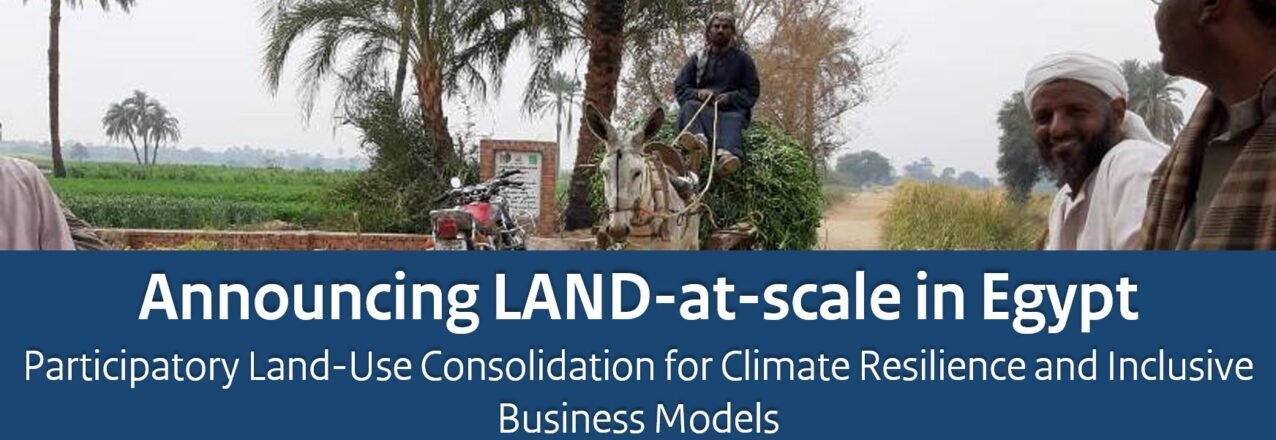
Participatory Land-Use Consolidation for Climate Resilience and Inclusive Business Models in Egypt: Announcing the lauch of LAND-at-scale in Egypt

By Aoife Ossendorp

The Netherlands Enterprise Agency (RVO) is delighted to announce that LAND-at-scale has recently started in Egypt, being integrated into the broader Agricultural Innovation Project (AIP phase II) implemented by GIZ Egypt, co-financed by Federal Ministry for Economic Cooperation and Development (BMZ) and Swiss Agency for Development and Cooperation. The project was developed in close collaboration with the Embassy of the Netherlands in Egypt.

 The project aims to reduce land fragmentation through participatory land use consolidation in order to increase the productivity and income of smallholder farmers, and to strengthen the institutional capacity of key institutions on land governance aspects.

Project strategies are:
✔ Assessing the suitability and applicability of various land-use consolidation tools including the development of inclusive business models;
✔ Awareness raising, mobilizing communities, and strengthening capacities at the local, governorate, and national levels;
✔ Piloting land-use consolidation models, focusing on (1) crop consolidation and private sector engagement and (2) land-use consolidation tailored for climate adaptation including demonstration plots;
✔ Facilitating learning, knowledge dissemination, and policy advocacy in collaboration with the government to enable scaling up of successful practices.

Want to know more about the project? Download the one-pager  via https://lnkd.in/euJbyhTP 

LAND-at-scale is funded by the Netherlands Ministry of Foreign Affairs and managed by the Netherlands Enterprise and Development Agency (RVO). The project in Egypt is supported with 1.485.000 Euros. To stay updated on this LAND-at-scale project and others, please sign up(link is external)(link is external) for our quarterly newsletter.

Program: LAND-at-scale.

Related projects: LAND-at-scale Egypt: Participatory land use consolidation.

Original image LAND-at-scale Egypt.

Originally published on the Land Portal. Creative Commons Attribution 4.0 International.

Introducing the justice innovation component to the LAND-at-scale activities in Iraq

By Gemma Betsema

The Hague Institute for Innovation of Law (HIIL) and the Netherlands Enterprise Agency (RVO) are delighted to announce a new collaboration for complementary LAND-at-scale activities in Iraq. Activities focus on justice innovation and support: by scouting, vetting, selecting and supporting promising local and existing justice initiatives in Northern Iraq, HIIL aims to strengthen the localization of justice solutions for Iraqi people.


In a time-frame of 15 months, HIIL will identify promising existing initiatives addressing HLP rights problems to receive support, financial and technical, to help them scale their work. Growth implementation and financing plans will be produced and fundraising pitches prepared, and a sharing event organized. The work will be done in close synergy with existing LAND-at-scale activities in Iraq with UN-Habitat.


Recently UN-Habitat [Launching the LAND-at-scale project in Iraq | Land Portal], the Netherlands Embassy in Baghdad and RVO signed an agreement for work focusing on national policy reform processes. Over the coming three years, this project will work to initiate policy dialogue on the land legal framework reform and work to secure tenure rights for Internally Displaced People (IDPs) and returnees in Iraq. These UN-Habitat activities are now supported by a component focusing explicitly on justice innovation and local solutions in the same areas in Iraq. For innovation to scale, the regulatory and legislative framework in Iraq also needs to be conducive. The collaboration with UN-Habitat aims to ensure that the space for justice innovation at the national level can be created as well.


HIIL has years of experience in establishing Justice Innovation Labs, which take a systematic, collaborative and experimental approach to justice. The process includes combining evidence-based and stakeholder-driven approaches. In Syria, for example, HIIL has supported thirteen small scale initiatives that have contributed to reducing violence against women and facilitating access to personal documentations for Syrians. In addition, HIIL has been running the justice accelerator programme which provides very useful experience for the work in Iraq. Through its Justice Accelerator programme, HIIL scouts and trains innovators who want to ensure people can find solutions to their justice problems at their doorstep. HIIL will apply a similar approach to Housing, Land and Property (HLP) rights challenges in Iraq.


LAND-at-scale is funded by the Netherlands Ministry of Foreign Affairs and managed by the Netherlands Enterprise and Development Agency (RVO). The project in Iraq is supported with 304.564 Euros. To stay updated on this LAND-at-scale project and others, please sign up(link is external) for our quarterly newsletter.


Program: LAND-at-scale.

Related projects: LAND-at-scale Iraq: Housing, land and property rights for displaced people, LAND-at-scale Iraq: Justice innovation for land and housing claims.

Original image Iraq.

Originally published on the Land Portal. Creative Commons Attribution 4.0 International.

Reflection on LAND-at-scale side-event at CLPA 2023: Climate-Resilient Land Use Planning as a Tool for Addressing Land Degradation

By Aoife Ossendorp, Gemma Betsema

Introduction 

During the Conference for Land Policy in Africa (CLPA) which took place in Addis Ababa in November 2023, LAND-at-scale organised the side-event ”Climate-Resilient Land Use Planning as a Tool for Addressing Land Degradation”. The LAND-at-scale (LAS) project partners and their government constituencies from Mozambique, Rwanda and Uganda participated in person. The set-up of the session was dynamic with each country first ‘pitching’ how land use planning processes were important in their LAS interventions, and then the government representatives adding to that a perspective from government. In each of the countries, the LAS partners consisting of NGOs and UN organizations, work closely with national or district land use planning officers of the government in carrying out project activities.

Country pitches 

In Rwanda, land use planning is a somewhat more recent activity for which now a long-term vision has been developed. Climate disasters and impact are prominent in the country and therefore climate resilience is a policy priority. Its land use and development master plan aims to concretize this. The goal is to develop 27 Land Use Plans  (LUPs) in the next 2-3 years which is a massive task. Public participation is a crucial element herein, which takes a lot of time and involves both provision of information as well as actual co-creation.

Uganda has the ambition to work on participatory land use planning for increasing climate resilience. Climate resilience is really cross-cutting for them. Recently, tenure responsive land use planning guidelines have been developed that include processes for integrating lessons learned. Sustainable use of wetland areas is a priority interest. Emerging outcomes from the processes include: reduced conflicts in some areas, enhanced ecosystem services, enhanced wetland conservation, synergies between adaptation and mitigation (like afforestation and reforestation). One of the lessons learned is that we often see a focus on technical aspects of Land Use Planning, but the governance aspects is at least as important. For instance, organizing for real participatory approaches can benefit all stakeholders. But building community capacity is critical for making sure the participation is truly inclusive and effective. Overall, a need can be identified for more ‘fit-for-purpose’ approaches to land use planning in order to make the planning processes more suitable for needs on the ground.

In Mozambique, LAS partners work on land use planning at different levels. District governments are supported to integrate climate adaptation and mitigation into land use planning processes in order for communities to become more climate resilient. At community level, the work starts with a risk mapping and gathering of existing maps about land use, precipitation etc. Simultaneously, teams go into the field to do parcel delimitations.  Information about household level and field level are being combined to get an idea of where vulnerable people live, particularly areas prone to cyclones, floodings etc. Communities then design their own land use plans and this information is used to feed District level LUPs.

Discussion 

Main questions and discussion focused on elements related to enforcement of and accountability to LUPs: how to make sure they are actually used and what happens if they are not followed. It was highlighted that both upward and downward accountability are important. Uganda emphasized that decentralization is an important instrument, decentralized structures are better capacitated to do monitoring. In Mozambique, community committees for natural resource management are themselves involved in monitoring the implementation.

Other inputs came on how to organize participation at grassroots level and how to make that truly inclusive. One example given was the use of indigenous knowledge which should be better integrated and taken advantage of in the benefit of everyone. It was also emphasized how truly participatory processes contribute to the enforcement and accountability: the better local needs and priorities are taken into account, the higher the likeliness that communities work in alignment with the LUPs.  A question with which the audience was left with was how to combine the focus of different Ministries, for example land and water. 

Key conclusions

1. Land use planning processes are key in giving shape to national priorities and long-term visions on the ground. At the same time, we see that LUP processes are also an important linkage between land governance and climate resilience. And we have seen that this is indeed the case from the case studies in Mozambique, Uganda and Rwanda. Climate change is happening already and causing big impacts on the ground already, therefore reality in counties is forcing them to deal with the already changing circumstances.

2. A key governance challenge includes: how do you bring national policies to local level; and the other way around: how do you organise community participation. Building community awareness and capacity is a key requirement for due involvement. A link was also highlighted with indigenous knowledge, as shown by the Uganda and Mozambique cases in particular. While community involvement is also linked with enforcement, if community is not involved – you will automatically have issues implementation later on.


Our thanks to our panelists for their valuable input; Lazaro Gumende, Borges Chivambo, Maria Muianga, Ronald Murungi, Simon-Peter Mwesengi, Leonard Kayonga and Marije Louwsma.

Want to hear more about the session or about the work of the LAND-at-scale programme? Get in contact via landatscale@rvo.nl 


Program: LAND-at-scale.

Related projects: LAND-at-scale Rwanda: Land administration and management systems, LAND-at-scale Rwanda: Access to justice and land dispute resolution, LAND-at-scale Uganda: Community-based land registration and land use planning, LAND-at-scale Knowledge management: LANDac contribution, LAND-at-scale Knowledge management: International Land Coalition contribution, LAND-at-scale Knowledge management: KIT support to country partners, LAND-at-scale Knowledge management: Land Portal strategy support, LAND-at-scale Mozambique: Community land rights and climate resilience, LAND-at-scale Mozambique: Community land rights certification in municipal areas.

Original image CLPA LAS side-event panelists.

Originally published on the Land Portal. Creative Commons Attribution 4.0 International.

In the business of ‘doing’ – how gender is operationalized in land governance working with displaced communities in Somalia

By Karel Boers, Rebecca Rosario Hallin


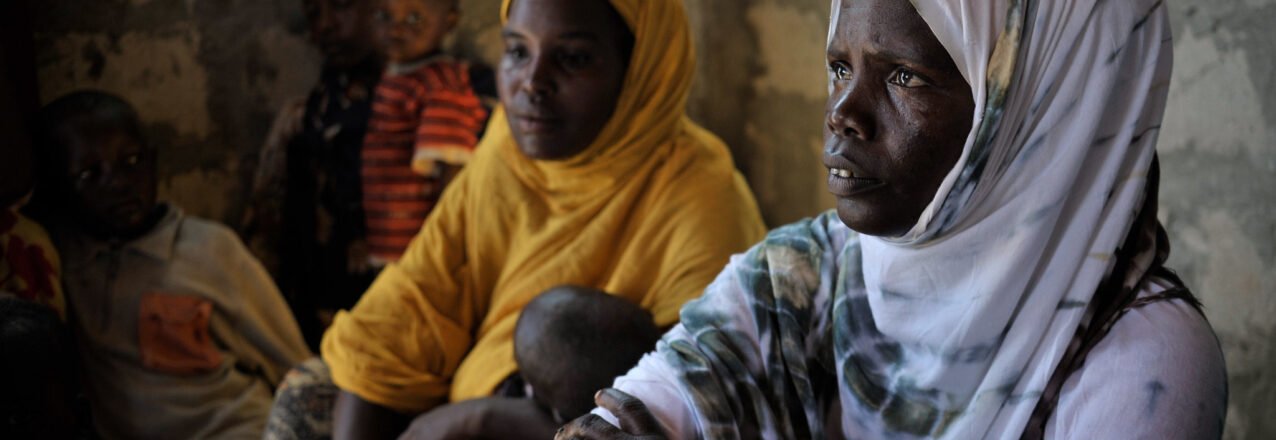
Photo:  AU UN IST PHOTO / TOBIN JONES. (CC0 1.0 Universal)

In the business of ‘doing[1]

The Saameynta Joint Programme is a project aimed at achieving durable solutions for internally displaced people in Somalia, which currently hosts 3.8 million IDPs. Land governance is at the center of this effort, understanding that tenure security is a fundamental piece of the puzzle to enable durable solutions.

The project recognizes that displacement is a barrier to improving living conditions for all affected, but that gendered dimensions of displacement need to be addressed strategically in order for solutions to truly benefit everyone. At the beginning of 2023 the Saameynta team found themselves reflecting on how these dimensions had been addressed since the inception of the project in 2022. Engaging with the knowledge management component offered by one of the project’s three donors, further sparked questions leading to the commissioning of a formative mid-term evaluation on the project’s gender considerations. The three-phase evaluation, which is underway, is planned to share final recommendations by Q2 2024.


Saameynta and Land-at-Scale

Saameynta (which means ‘impact’ in Somali) is a collaborative endeavor, governed and implemented by IOM, UN Habitat and UNDP, while working closely with the local governments in the cities of Baidoa, Beledweyne and Bosaso as well as the Federal Government of Somalia. Through the Somalia Joint Fund, Saameynta is supported by three governments, among them the Kingdom of the Netherlands, through the Land-at-Scale Programme (LAS), Switzerland and Norway. Additionally, LAS involves a knowledge management component aiming to help capture the experiences of the 11 country projects included in the programme, to support adaptive programming, produce and share knowledge amongst land governance practitioners.


From policy to practice – making use of the (evaluation) process

Stipulated in the Saameynta’s core document is the guarantee that “Saameynta [therefore] aims to ensure that gender equality and empowerment of women and girls be part of every project endeavor – from land tenure to socio-economic, development, access to justice, capacity building and decision-making processes of the leadership of this multi-sectoral project.” But how and by whom is this to be ensured? After having decided that there was a need to look deeper into how this is currently taken into consideration, IOM together with its LAS knowledge management partner KIT (the Royal Tropical Institute) initiated the process of developing the Terms of Reference for the evaluation.

Tackling gender issues includes a “significant learning component, not just assessing the policies, operations, and structures of an organization from a gender perspective but also collectively aiming to reach a higher level of awareness, competencies, and sensitivity.”, as is pointed out in the ILC Gender Audit Guide.

Mindful of this, the evaluation is structured not only to give actionable recommendations at the end of the process, but also to allow for emergent learning[2] and reflection amongst the implementing partners in all phases. To encourage this, the ToRs include interventions that allow for stakeholders to come together and reflect and give input on preliminary findings.

One of the tools that will be used are sensemaking workshops. Sensemaking can be described as an activity and process for developing a shared understanding, where people jointly make sense of information in way that extracts insights, encourages learning, and creates meaning from experience. In this process, space is also given to openly discuss successes, failures and lessons learned in a safe environment. The plan is to involve key stakeholders in this process, starting with gathering actors from within the implementing agencies to collectively analyze the findings from phase I. Results from this workshop can then further inform the evaluation in phase II and III, while also support the awareness raising and competence in how Saameynta’s gender considerations can be implemented moving forward.


Evaluation structure

The evaluation is divided into three phases, where in phase I the focus is on engagement with the programme and its practitioners. A transformative gender evaluation or audit is an opportunity to investigate internal structures and identify (un)conscious patterns that might not be conducive to working to ensure gender equality. An additional advantage of phase I’s internal focus is to make sure that questions that can be answered through collecting data and experiences from the implementing staff and already existing documentation, are not addressed to stakeholders in phase two, avoiding to contribute to over-research and fatigue of national and local stakeholders.

The preliminary findings of phase I will help guide phase II and the qualitative data collection in communities where Saameynta is being implemented. Phase II will engage local stakeholders to explore how they understand gender equality in their context, their views and priorities. This will be a discovery phase, meant to help ground the programme’s gender programming in the local context.

In phase III a final analysis of the information collected, and the preliminary findings will be done and gathered in a final report where the main findings and recommendations are presented. As set out in the terms of reference given to the evaluation team, the objective is for evaluation to be formative for the work being done within Saameynta as the project is about the reach its halfway point.


Learning, accountability and adaptation…

 …are a few of the outcomes that this evaluation aim to support. A learning opportunity for project staff, stakeholders and partners to reflect on what has worked well and what needs improvement. Further, lessons learned from the evaluation can be used to inform future Durable Solutions programming and interventions, as well as be shared by other Land-at-Scale partners. In the current transformative phase from a predominant humanitarian focus to a more developmental approach in Somalia, conducting a thorough evaluation on gender considerations comes timely. This strategic shift signifies a crucial juncture where long-term stability and progress are prioritized over immediate relief efforts. Examining gender dynamics at this juncture is essential as it ensures that development initiatives address the unique challenges and opportunities faced by people of different genders. By embedding a gender-sensitive perspective into the evaluation process, the programme does not only promote inclusivity but also foster sustainable and equitable development.

In Somalia a range of events such as droughts, floods and famine impacts the displacement situation on a regular basis, which in turn makes tenure security challenging. Being able to assess how gender considerations are operationalized and identify ways to adapt to these changing circumstances is key to fulfill commitments. Last, the evaluation also provides an opportunity to assess the projects progress and hold stakeholders accountable for their commitments.


Authors: Rebecca Rosario Hallin KIT- Royal Tropical Institute, Karel Boers, IOM Saameynta.


[1] The concept of “the politics of doing” can for example be found in writings by Carol Bacchi, Professor of Politics at the University of Adelaide and Associate Professor Joan Eveline at the University of Western Australia. Simplified the concept can be described as centering how policies are created, enacted and what practices that are used to implement them, as well as questioning the distinction made between outcome and process. Since this gender evaluation will not only look at outcomes of Saameynta’s gender considerations, but also take into account the policies and practices underpinning them, the politics of doing-approach can serve as a useful lens.

[2] See for example  Darling, M., Guber, H., Smith, J., & Stiles, J. (2016). Emergent Learning: A Framework for Whole-System Strategy, Learning, and Adaptation. The Foundation Review, 8(1). https://doi.org/10.9707/1944-5660.1284

Program: LAND-at-scale.

Related projects: LAND-at-scale Somalia: Saameynta – Scaling up solutions to displacement.

Original image Women and their babies wait patiently at a medical clinic in Mogadishu,.

Originally published on the Land Portal. Creative Commons Attribution 4.0 International.