
A low carbon future is a minerals-intensive future. If global warming is to be limited to below two degrees by 2050, annual production of minerals like lithium, cobalt, and graphite that are the raw materials that fuel green energy will need to increase by up to 500 percent compared to today. The green energy transition is already having an impact on commodity prices and mining investments in these and other minerals, including base metals vital to renewable energy like copper, nickel, and bauxite (aluminum). Recycling and circular economy approaches are vital but can offset only a part of the projected boom in demand.
Our energy future depends on securing reliable global mineral supply chains, and key minerals used in green energy are mined around the world.
Top producers include the Democratic Republic of Congo (cobalt), Indonesia (nickel), Guinea (bauxite-aluminum), and Chile (copper and lithium). Speculation, exploration, and new mining is intensifying in dozens of fragile countries, including Madagascar (chromium, nickel, cobalt, graphite, and rare earth elements), Zimbabwe (chromium, lithium, and copper), and Burma (rare earth elements).
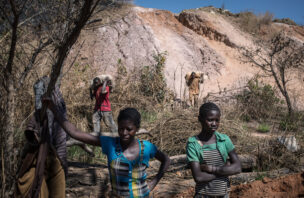
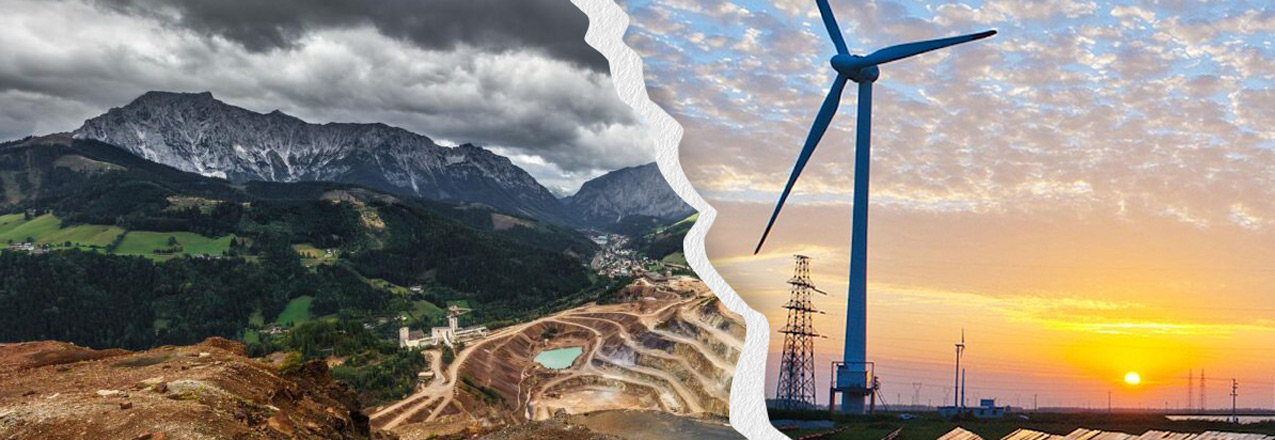
Mining investments are long-term and often transformational for developing countries. The green energy mining boom affords new opportunities for revenue, infrastructure investment, and job creation. On the other hand, particularly in countries with poor governance, a mining boom also carries significant environmental, governance, and social risks, including risks of labor and human rights abuses and worsening corruption.
Securing minerals responsibly for green energy requires a whole-of-supply-chain approach to ensure good governance practices including transparency and accountability. Attention to and support of community- and country-level dynamics is critical in both major producing countries as well as in smaller emerging producers likely to be heavily impacted by the coming mining boom.
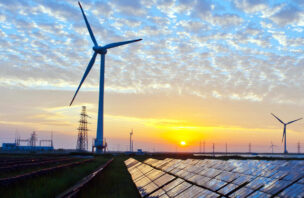
Our best chance to limit the most severe impacts of the climate crisis lies in rapid deployment of renewable energy technologies, but they must not come at the expense of human and labor rights, sustainable development goals, accountable governance, human health, or environmental protection.