
Homemaking and Land in Situations of Protracted Displacement: the Differentiated Effects of Land Governance Strategies

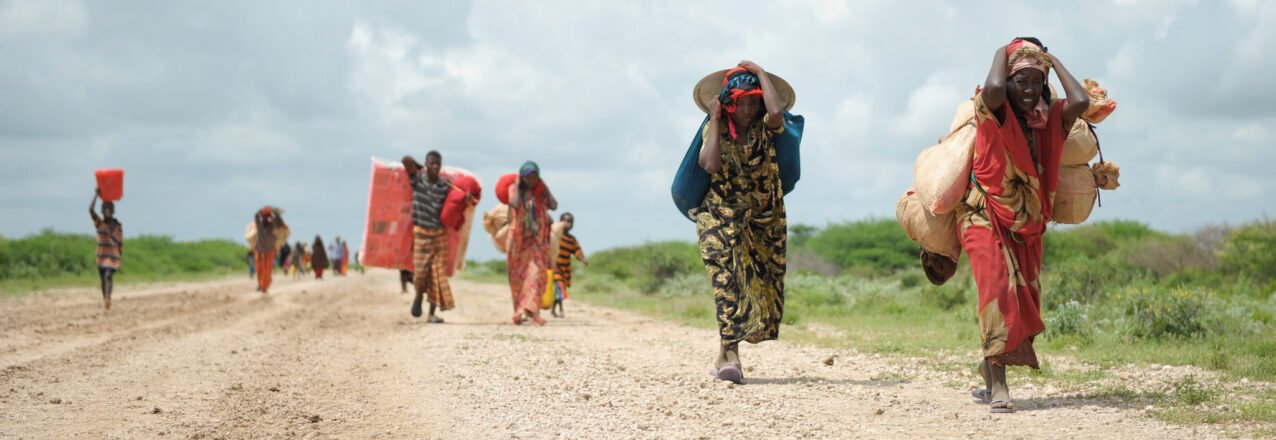
UN Photo/Tobin Jones (CC BY-NC-ND 2.0)

In this panel we discussed the topic of access to land in situations of ongoing or past conflict. A wide range of different situations was brought to light through the various presentations: access to land for IDPs in Somalia, refugees in Uganda, and returnees in Burundi. The topic of tenure security for both (formerly) displaced and ‘host community’ was discussed, as well as how it affects sentiments of home and belonging. It was discussed how, in these different contexts, overlapping or competing land claims were dealt with, and what lessons could be extrapolated from these specific cases to other contexts.


Key Takeaways

  • Conflict and displacement lead to complicated situations both in the place of displacement and in the place of return when it comes to access and rights to land.
  • Categories of ‘refugee’, ‘host’, ‘native’, ‘IDP’, or ‘returnee’ are always problematic in some sense; in practice, these categories are often blurred or lead to perceived unfair advantages despite similar struggles when it comes to tenure security.
  • Suspicion or distrust of institutions can lead to an avoidance of formal pathways to land access and to land tenure security.
  • Continued mobility during and post-displacement complicates questions of land rights and problematizes a sedentary perception of ‘home’.
  • Land tenure security is an important aspect of, and works in tandem with, people’s ability (despite legal status) to plan for the future.
  • Interventions to increase land tenure security through formalization can be successful in different contexts, but also always come with a price that needs to be paid – in these case studies in the form of temporary insecurity, loss of livelihoods, loss of traditional land tenure systems, or uprootedness.


Presentation 1

Land and tenure security in protracted displacement: The case of Bosaso, Somalia

Marta Cavallaro

Land-at-Scale


“Tenure security is not only about access to land or shelter, but also about the right to remain, to be seen, and to plan for the future.”


In this presentation, local meanings of displacement were explored through a case study of land tenure security interventions in Bosaso, Somalia. Bosaso is shaped by a long history of protracted displacement. Here, IDPs arrive and oftentimes settle informally after negotiating an oral agreement with local land owners. This makes them vulnerable to eviction. In order to increase tenure security for IDPs, two interventions have been executed. The first intervention involved relocation of IDPs from Bosaso town to a resettlement site, where they were offered free land including title deeds. This intervention led to an increased sense of tenure security and fewer evictions, but was also emotionally harsh due to the IDPs being uprooted, and led to a loss of livelihoods and access to services. The second intervention involved in-situ protection through agreements between local authorities and landowners. As a result, evictions decreased but fear surrounding it still persisted. Additionally, access to livelihoods and services could remain. Finally, the presenter showed that official definitions of internal displacement do not fully resonate with the perceptions of IDPs themselves. The latter group emphasized the importance of being seen by decisionmakers and having the possibility to secure a right to fully settle in one place. Displacement was also associated with the spatial condition of living in an IDP camp, subject to specific dire conditions, from the threat of removal to protection and hygiene challenges. It was thus wondered whether land provision alone constitutes a durable and comprehensive solution to addressing displacement.  


Presentation 2

People at risk of losing access to land during systematic land tenure registration in Burundi: Returnee-resident land conflicts 

Alexandra Emerusenge-‘t Lam

ZOA


“Who has more right to access to land, those who remained during the conflict or those who have returned?”


This presentation looked at an intervention by ZOA aimed at land registration in Nyanza Lac in Burundi. Here, there are competing land claims between Burundians who remained in the region during the country’s several violent crises and those who fled but are now returning. It was shown that it is extremely difficult to assess to validity of the various and competing land claims due to multiple layers of displacement, changing political regimes and mandates, and a lack of witnesses still present. Another complicating factor is that there is a lot of distrust both between citizens and between the citizens and the government. As such, it was found that when the land registration intervention started, a lot of ‘sleeping conflicts’ tended to come up again. Despite this initially reported decreased sense of tenure security, it was found that in the longer term people’s sense of tenure security did improve. Together with a reported reduction in land conflict over the past 2 years and the relatively large numbers of land owners withdrawing their land certificates, this indicates the positive contribution of the intervention strategies. 


Presentation 3

Improvement of land tenure security for refugees and host communities in Terego district, West Nile, Uganda

Sam Madira, Resty Namuli

ZOA


“The small money refugees get from producing crops on land hired from the host community can help to improve their self-reliance.”


In this presentation there was a focus on an intervention by ZOA, in collaboration with GIZ, to promote formal tenancy agreements between refugees and host community members in the West Nile region of Uganda. This intervention was born out of the observation that there was a need for refugees to rent land from the host community in order to increase self-reliance. Formalizing these arrangements was geared towards increasing transparency for all parties and to enhance peace and livelihood security. It was noted that in this specific context, where the refugee settlement is placed on customary land that is largely undocumented, there was some resistance by the host population to enter into formal agreements. It was found that tenure security for the host community also increased their willingness to rent land to refugees. Overall, clarity on the mechanisms surrounding the renting of land helped to address conflicts between hosts and refugees, and the large majority of those who had signed a tenancy agreement noted improved land tenure security.


Presentation 4

Accessing land in displacement: Practices of love and care, interpersonal helping, and access to land in Kiryandongo settlement, Uganda

Juul Kwaks

Radboud University, Nijmegen


“Practices of love and care exist simultaneously with violence and structural violence, and they require our attention in order to more fully understand the life worlds of refugees.”


This presentation looked at how refugees navigate access to land in and around Kiryandongo refugee settlement in Uganda. This investigation built on the observation that despite being given access to a plot of land upon arrival in the settlement, many refugees did not reside there. This was due to their search for better access to services and facilities, a desire to be closer to family and friends, or as a consequence of land conflict within the settlement. In their quest for access to other land, it was not the governance structures in the settlement that helped refugees, but rather social relationships. Through relational aid and practices of love and care between refugees and between refugees and members of the host community, free access to land was provided or information regarding opportunities was shared. Underpinning this was a narrative of solidarity, where both refugees and members of the host community argued that they recognized themselves in the other, felt connected, and had a shared faith and responsibility. It was argued that shifting the gaze to practice of love and care – also in a situation of (structural) violence that is displacement – opens our eyes to land accessing practices that might remain unseen with a traditional humanitarian gaze. 

Program: LAND-at-scale.

Related projects: LAND-at-scale Burundi: Amahoro at Scale, LAND-at-scale Knowledge management: LANDac contribution, LAND-at-scale Knowledge management: International Land Coalition contribution, LAND-at-scale Knowledge management: KIT support to country partners, LAND-at-scale Knowledge management: Land Portal strategy support.

Originally published on the Land Portal. Creative Commons Attribution 4.0 International.
A critical reflection on Land-at-Scale’s knowledge management programme: tools to enable the plurality of knowledge (management)

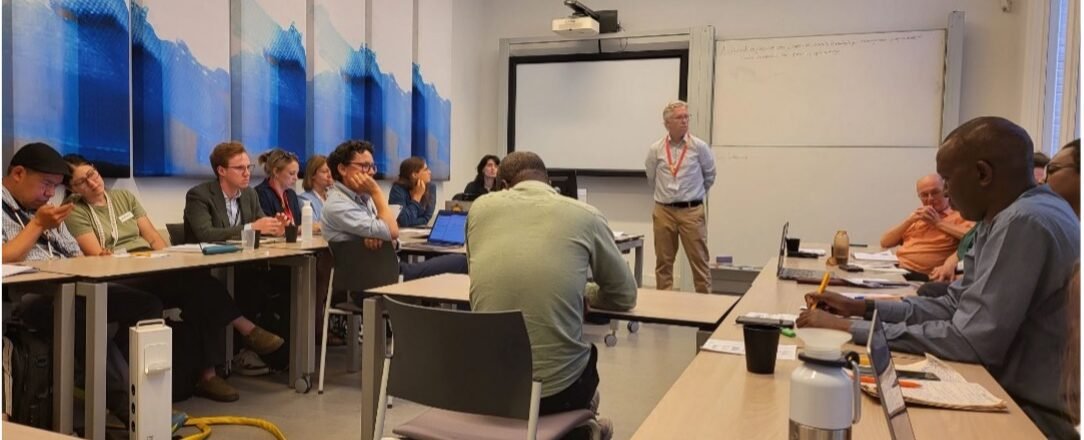
Knowledge management in land governance programs has grown over the years. Knowledge management has been intended to bring different stakeholders together, and to facilitate encounters to identify undocumented knowledge and make it visible. As the five-year experience of knowledge management within Land-at-Scale, spanning 12 countries across the Middle East, Africa, and South America, is coming to an end, we took the opportunity as knowledge management partners of the program to reflect together on the measures that can be taken in the future to enable plurality of knowledge. We have done this in the session by putting certain questions central, which were answered in a roundtable setting by some of the partners of Land-at-scale.


Key Takeaways 

  • Context is key: stay alert to context at all times
  • Negative outcomes, challenges, and problems are part of knowledge and need to be shared
  • Knowledge management needs to be alert to power; otherwise, it is ‘business as usual’
  • Intercultural communication and knowledge need to be brought to the forefront


Session summary and key contributions

The session started with a short introduction of the Land-at-scale programme by Gemma Betsema (RVO). Before the session, some of the knowledge management partners of Land-at-scale received some questions to prepare and reflect on their experience with knowledge management, ways forward, and plurality of knowledge. These were discussed in the roundtable debate, where there was a lot of fruitful input from the large group of participants that was present. The first question that was discussed was: 

What are your experiences with knowledge management within your respective projects?  Why were these experiences successes? And others not?

When this question w thrown in the group, first a few reflections were held looking back on what knowledge meant for partners at the beginning of the project as compared to now. One partner shared that at the beginning, when knowledge management was introduced, they asked themselves: but what is knowledge management? Now, looking back, one of the main points made in relation to the question was that knowledge management has now led to the documentation and capturing of real experiences on the ground for many NGO’s and other organizations. However, as noted by one of the partners, knowledge should not remain static, it should be fed by different inputs such as stories, personal insights. An interesting quote from this discussion was:

          “it is not only about success, but also about failures, we need to share all the knowledge that we have”

This was shared by Mahamat Abdoulaye, who in the discussion reflected on after-production and the need to share the knowledge that is produced. As an additional point it was discussed how knowledge is often associated with positive knowledge, good outcomes and results. However, negative knowledge is equally important, and we should take into account the negative and failure when we talk about knowledge management to not repeat mistakes. Even when projects are not successful, they need to be documented because that is also knowledge, and knowledge can take on different faces. The next question that was central in the roundtable was: 

What constitutes knowledge and what does not? Why?

“Knowledge comes from confronting what people tell you to what you know”

During this conversation, important points were made about how knowledge management takes time, to develop trust, to dig deeper, and to understand problems within the broader issues to provide solutions. To build strong knowledge, there were three important elements mentioned which were the following. The first points is the need to pay attention to context. There is no ‘African context’, ‘West African context’ or ‘Burundi Context’, the context is rooted into place. Participants reflected on how, even in the country where you live, where you speak the language, you could still not know the right context from a neighboring community. The second point is to challenge underlying assumptions which projects have, and the third and final point is acknowledging that not knowing is not a lack of knowledge. Leading from this discussion, in which we discussed the importance of how knowledge is applied, we landed on the question: 

Who decides what knowledge is relevant? For policy making? 

Centering the conversation specifically on the partners in Colombia, who work specifically with Indigenous and Afro-descendant communities, the question of who decides remains a difficult question to answer. The knowledge of a lot of people is not recognized – peasants, afro-descendants, Indigenous communities. They also work with different legal frameworks, which can cause conflict. We need an intercultural approach, not separate worlds, was concluded from this conversation. There is not as much emphasis on specific rights anymore. From the experience in Colombia, intercultural conflicts are actually practically and locally resolved in-between different groups, across different legal frameworks which regard land, even though conflicts arise. They have found that outside interventions often destroy these local solutions. The key takeaways from this fruitful discussion were that people have knowledge to resolve conflicts, the question remains: how can we contribute to bringing this knowledge is in the forefront? Which led to our following question: 

What measures can be taken to address barriers to the integration of diverse sources of knowledge into program adaptation, policy and decision making? 

“Knowledge Management is about organising  the conversation, in such a way that you can learn  from each other, ultimately so you can change the world.” 

An interesting conversation arose from this question in which the academic partners together with the LAS partners reflected on what the meaning is on the ground. The project does not need to be unique to understand the meaning on the ground, if what is being done is worthwhile. The most important thing was, that the process, of integration but also more generally, takes time. This is also a reflective process, which does not have to be killed by making it overly procedural. Looking back at the start of Land-at-scale, the academic partners reflected on how at the beginning they felt as if they were nagging about a lot of things, but now these are part of the conversation, reflecting this need for a long-term process. The key takeaway was knowledge management, if done correctly, develops a sensitivity to power, exposes it and addresses it; otherwise, it is business as usual. 


Session moderators: Bertus Wennink (KIT) & Aurora Montiel Somer (KIT) Key contributors: Gemma van der Haar (Wageningen University & Research), Maria-Clara van der Hammen (Tropenbos International Colombia), René-Claude Niyonkuru (LANDac researcher Burundi & VNG International Togo), Mahamat Abdoulaye Malloum (Kadaster International), and Borges Chivambo (Centro Terra Viva).

Program: LAND-at-scale.

Related projects: LAND-at-scale Knowledge management: LANDac contribution, LAND-at-scale Knowledge management: International Land Coalition contribution, LAND-at-scale Knowledge management: KIT support to country partners, LAND-at-scale Knowledge management: Land Portal strategy support.

Originally published on the Land Portal. Creative Commons Attribution 4.0 International.
Understanding Institutional Access, Strengthening, and Coordination for Land Dispute Resolution Insights from LAND-at-scale Interventions Across Seven Countries

By Greg Udvaros, Ladd Serwat, Aoife Ossendorp

The following blog is inspired by the research report: Understanding Institutional Access, Strengthening, and Coordination for Land Dispute Resolution | Land Portal

Context
 

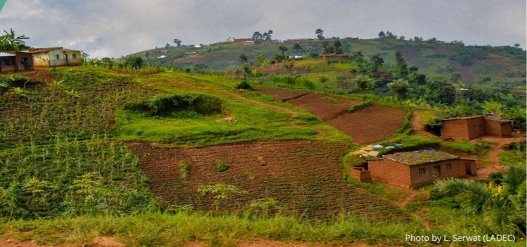
Across many LAND-at-scale countries, plural land tenure systems prevail, blending customary, statutory, and hybrid forms of land governance. These systems are not always clearly defined, and institutions responsible for resolving disputes often overlap in authority and mandate. In many cases, land disputes are handled at the local level by customary leaders or community mediators. Statutory courts exist but are frequently under-resourced or backlogged. This patchwork of actors and rules can result in inconsistent decisions and unresolved grievances, especially for marginalised groups. Institutional arrangements vary by context, but common challenges include unequal access to justice, unclear property rights, gender-based discrimination, and limited coordination across administrative levels. Women, youth, refugees, internally displaced persons, and poorer landholders often face additional barriers to justice. These range from lack of legal literacy to outright exclusion from mediation processes. In many areas, even when statutory reforms are enacted to promote gender equity or decentralised land governance, customary norms persist in ways that undermine implementation.
 

LAND-at-scale Interventions

LAND-at-scale, funded by the Netherlands Ministry of Foreign Affairs and managed by The Netherlands Enterprise & Development Agency (RVO), utilizes a range of strategies to improve land tenure security and aims to provide  access to dispute resolution mechanisms  that aim to increase tenure security through institutional development. Across the seven countries studied, LAND-at-scale has supported a variety of interventions tailored to local conditions, called the Fit-for-Purpose approach. These include enhancing the legal capacity of mediators, improving legal awareness among land users, supporting the registration of customary rights, and investing in data systems that track land disputes. Importantly, the programme takes a flexible approach, acknowledging that successful land governance reform cannot rely solely on statutory frameworks. Instead, it works within the pluralistic reality of legal and institutional landscapes. These efforts also include ways to provide special attention to women and youth as mediators, support paralegals, and promote equitable dispute resolution procedures. Examples such as from Rwanda, showcase such willingness by for instance including, statutory quotas for female representation in mediation bodies. While in other countries like Mali and Uganda, community leaders have been encouraged to include representatives from vulnerable groups.
However, implementation varies, and so do results. In Burundi, even newly created statutory institutions often rely on customary inheritance norms that disadvantage women. In Mozambique, although women were permitted to attend mediation hearings, many reported that their views were not taken seriously. In Somalia, women still require male representation in some dispute processes. These examples show that legal reform must be matched by shifts in norms, practices, and resources.
 

Toward Inclusive and Coordinated Land Dispute Resolution

One of the study’s core insights is that institutional strengthening is not only about building technical capacity or clearing case backlogs. It is also about examining the actors who have the power to initiate, mediate, and resolve disputes. The research shows that disputes involving women, refugees, or ethnic minorities are often harder to resolve, not because the issues are more complex, but because the actors involved have less power or voice.
Institutional access, then, must be viewed in two ways: who can bring a case to a dispute resolution body, and who can serve as a mediator within these bodies. LAND-at-scale supported interventions have attempted to improve both dimensions by reducing costs, bringing mediation services closer to communities, and training mediators in both statutory and customary law. Nonetheless, persistent challenges remain, such as unpaid mediators, political interference, and low representation of marginalised groups.
Coordination between institutions is another vital challenge. In many LAND-at-scale countries, different dispute resolution bodies operate with minimal collaboration. This limits the ability to resolve cross-boundary or inter-communal conflicts, which are increasingly common due to migration, urbanisation, and commercial land investment. Moreover, coordination failures can exacerbate confusion over jurisdiction, legitimacy, and rights recognition. The programme has supported mapping exercises and collaborative platforms to improve this, but deeper integration and political will are still needed.
 

Main Takeaways

The findings from Ladd Serwat’s research reveal that while institutional strengthening remains a priority within LAND-at-scale programming, it cannot be assumed that stronger institutions automatically produce more just outcomes. His analysis shows that without targeted attention to the power dynamics between actors, particularly those that shape access and outcomes for vulnerable groups, efforts to increase dispute resolution capacity may unintentionally reinforce inequality.
Building upon his findings that that while dispute resolution rates have improved in some contexts through local mediation efforts, deeply embedded norms and informal practices often continue to shape outcomes. This leads to persistent inequality in who can seek justice, who is heard, and whose claims are upheld. Insider-outsider dynamics persist in many contexts, and institutional bias often favours wealthier or more powerful landholders, including private investors and government actors. Mediators, many of whom operate without financial compensation, face pressures that can compromise impartiality, while the inclusion of vulnerable groups as mediators themselves requires precise definitions of marginalisation, something current programming still struggles to fully articulate.
A core argument of the study is that access must be understood both in terms of using institutions and in having a voice within them.  In questioning long-standing assumptions, the study also challenges the prevalent binary between formal and informal institutions. Drawing on legal pluralism, Serwat argues that institutions are rarely wholly statutory or customary. Instead, they are often hybrid in nature, drawing simultaneously on laws, norms, and social expectations. Recognising this complexity is key to understanding how land disputes are mediated and resolved in practice.

Future efforts must move beyond institutional form and capacity to focus on how institutions operate in context, who they empower, who they exclude, and how their authority is legitimised. In this regard, the study calls for deeper, more nuanced engagement with the actors, identities, and rules that shape dispute resolution outcomes on the ground. Want to read the full study ? Follow: Understanding Institutional Access, Strengthening, and Coordination for Land Dispute Resolution | Land Portal
 

Want to know more? Get in contact via landatscale@rvo.nl

Follow LAND-at-Scale on LinkedIn: LAND-at-scale programme | LinkedIn

Subscribe to our newsletter: https://lnkd.in/daiTCWS 
 

Program: LAND-at-scale.

Related projects: LAND-at-scale Burundi: Amahoro at Scale, LAND-at-scale Chad: Towards inclusive land governance, LAND-at-scale Mali: Managing land conflicts and protecting customary rights, LAND-at-scale Mozambique: Community land rights and climate resilience, LAND-at-scale Rwanda: Access to justice and land dispute resolution, LAND-at-scale Somalia: Saameynta – Scaling up solutions to displacement, LAND-at-scale Uganda: Community-based land registration and land use planning.

Originally published on the Land Portal. Creative Commons Attribution 4.0 International.
LAND-at-scale Exchange in Colombia: Insights from the Heart of the World

In June 2025, LAND-at-scale (LAS) partners from across the globe gathered in Colombia for a powerful three-day exchange, blending technical dialogue on land governance with immersive learning in the ancestral Arhuaco territory of the Sierra Nevada de Santa Marta. This summary captures key insights from the exchange, focusing on Indigenous stewardship, intercultural governance, participatory tools, environmental recovery, and the power of global connection.


The Spiritual and Territorial Foundations of Arhuaco Stewardship

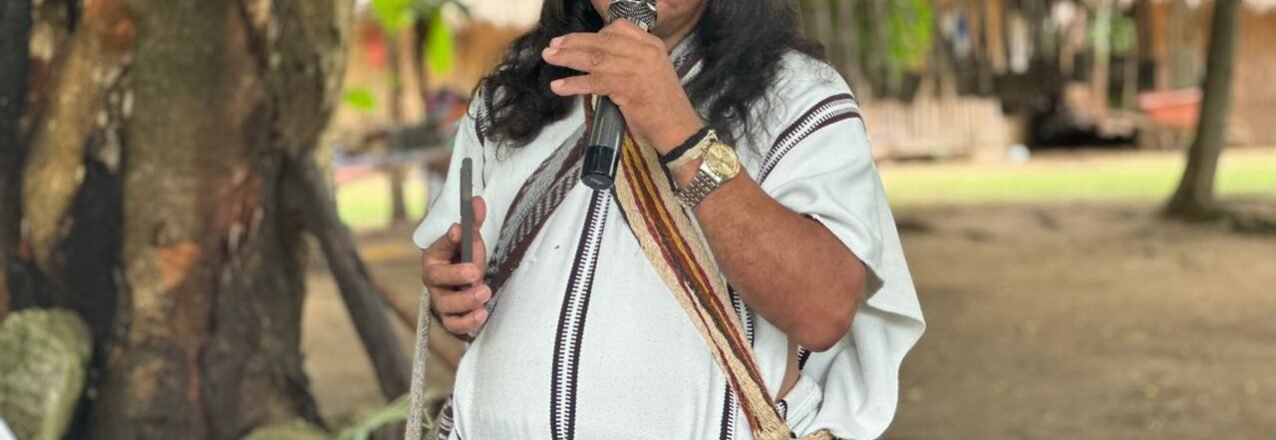
The LAND-at-scale Exchange opened with a spiritual welcome from the Arhuaco community in Katanzama, who described their territory as the “Heart of the World.” As Vicentique Santiago Salabata stated, “It is a real honor for us to have you here. Today we unite the thoughts of all the peoples, in honor of our elders.”

The Mamos (traditional authorities) shared their worldview, rooted in balance with nature and ancestral obligations. “The land is an altar,” one elder said. “It covers us today so that we all become part of this system.” Another emphasized, “We as Guaco people, we have been here for thousands of years. We are the original people of the land. That is why there is ancestral knowledge.”

Participants learned how land recovery for the Arhuaco involves both legal processes and spiritual responsibility. One Arhuaco representative said: “The recovery of territory implies a responsibility in the invisible world. That is what allows us to have harmony in nature.”


Learning from the Arhuaco Experience: A Model for the World

Andrés Bernal of Connexion described the importance of this setting: “We’re in the fourth learning exchange, and we’re fortunate that it is in Colombia—and doubly fortunate to be in Santa Marta with the Arhuaco.”

He reminded participants that the LAS program is active in 12 countries—Burundi, Burkina Faso, Chad, Egypt, Mozambique, Rwanda, Palestine, Somalia, Uganda, Colombia and more—and each context is different. But seeing the Arhuaco approach to land and life gave participants an example of deep-rooted governance.

“The Arhuaco do not see land as a commodity,” one participant later said. “They see it as life. That reframes everything.”


Participatory Mapping and Fit-for-Purpose Land Administration

A key learning element was how communities themselves are leading technical land administration. In a session with Kadaster International, participants learned how Arhuaco land teams use sub-meter-accuracy GPS tools and field maps to gather spatial data. Juan and Hugo, from the community mapping team, explained how their work evolved: “At first we focused on field data collection, but now we’ve moved to working in the office—editing data, making maps, and sharing results.”

The goal is to incorporate unregistered plots into the Arhuaco reserve through legal purchases and formal recognition. “These plots are already occupied by us,” one community member said, pointing at a map, “but they’re not yet legally incorporated. We want to expand the reserve and legally unify what is already lived reality.”

The effort is grounded in a localized version of the Land Administration Domain Model (LADM), adapted specifically for Indigenous territories, referred to as Fit-for-Purpose Land Administration (FfPLA).


Intercultural Land Governance: Colombia’s National Challenge

The Instituto Geográfico Agustín Codazzi (IGAC) presented Colombia’s broader land administration context. “Colombia is intercultural,” one IGAC representative said. “But that word can’t just be a slogan. We must turn it into real dialogue.” 

He continued: “Today, there are 885 Indigenous reserves in Colombia, covering about 35 million hectares—almost 35% of the country. Another 6 million hectares belong to Afro-descendant communities. If we don’t build an intercultural cadastre, we will never finish the job.”

He reminded the audience that doing cadastre work in Colombia is hard. “The Sierra Nevada is beautiful and magical, but also very mountainous. Some areas get rain 99% of the year. Others are deep in the Amazon or Orinoquia. We need approaches that reflect these realities.”

He concluded with a stark fact: “In 2022, we only had reliable data on 6% of Colombia’s land.”

Also, land is a key pillar in the Peace Agreement signed in 2016. The agreement aimed to formalize land ownership for millions of Colombians and adjudicate land to new beneficiaries. Thus, a multipurpose cadastre is also understood as part of the peace building efforts. 


Community Innovation and Environmental Restoration

A highlight of the exchange was the visit to Katanzama, a community connecting the mountain to the sea. This visit demonstrated the importance between land tenure, environmental protection, and developing a livelihood from sustainable production. A striking moment was the presentation on coffee production in Gunmaku up in the mountains. Producer Jorge Torres explained the Arhuaco philosophy behind it: “We produce less, but we produce with quality and harmony. Our coffee comes from our land and our way of life.”

Participants also viewed satellite imagery from Tropenbos, showing forest recovery between 1973 and 2025. Community leaders explained how they had reforested degraded areas by leaving 80% of reclaimed land for nature. “Our law,” one said, “is not only legal. It is ancestral. We recover land to restore its spirit.” 

Onassis, a local school director, added, “Environmental education is not just about teaching facts. It’s about continuing our traditions and responsibilities. The children learn that from the Mamos (spiritual leaders).”


A Global Gathering of Shared Challenges

Each LAS country team brought stories of their own. In facilitated sessions, participants discussed how the lessons from Colombia applied in places like Somalia, Mozambique, Uganda, and Palestine. Many emphasized how inspiring it was to see the spiritual, legal, ecological, and practical dimensions of land governance come together.

Some of the key learning reflections included:

  • The critical role of community land surveyors;
  • The importance of aligning formal legal frameworks with customary law;.
  • The need to respect timeframes, and avoid pushing for “quick wins”;
  • Recognizing land as a source of identity and basis for peace.


Conclusion: Strengthening the Global LAS Community

The LAND-at-scale Exchange in Colombia offered not only learning—but connection. It reminded all participants that land is never just a technical issue. As one speaker said, “The land covers us all. And when we listen to it, we begin to understand our place in the world.”

By grounding global exchange in the wisdom and practice of the Arhuaco people, the gathering achieved its goal: learning from the local to transform the global.


The LAND-at-scale programme is financed by the Ministry of Foreign Affairs of the Netherlands and managed by the Netherlands Enterprise & Development Agency (RVO). Want to learn more about the programme? Go to LAND-at-scale | Land Portal or follow on LinkedIn


This blog post was produced with the assistance of AI. The content has been reviewed by the LAND-at-scale team as well as members of the Land Portal team who attended the event.

Program: LAND-at-scale.

Related projects: LAND-at-scale Colombia: LAND-at-scale Learning Exchange 2025.

Originally published on the Land Portal. Creative Commons Attribution 4.0 International.
GIZ/BMZ at the World Bank Land Conference in Washington (5-9 May 2025)

By Oliver Puginier

GIZ/BMZ Participation

The 2025 World Bank Land Conference in Washington brought together over 800 global land governance experts, policymakers, academics, and practitioners. This year’s theme, “Securing Land Tenure and Access for Climate Action: Moving from Awareness to Action” aimed to highlight effective strategies for securing land tenure and access, to scale up land sector initiatives and investments, and to present policy reforms that promote global prosperity and environmental sustainability. There were 57 sessions (including 4 Plenary ones), 32 Operational Sessions, 10 Regional Workshops and 11 Research Sessions.

GIZ was represented by staff from the following projects:

  1. Sector project Resilient Rural Areas (Anja Schwiertz)
  2. Global Programme Responsible Land Policy, GPRLP (Christian Mesmer, Ethiopia; Faly Ranaivoson and Tiana Razafindrakotohary; Madagascar and Oliver Puginier; Steering Unit in Bonn)
  3. Global Programme Strengthening Advisory Capacities for Land Governance in Africa, SLGA (Nanny Wiechert and Jonas Kramp)
  4. The Sectoral Department (FMB), Division on Rural Development and Food Security (Alexander Strunck, 4D30, Bonn)
  5. Inclusive and Sustainable Urban Development, ISUD II (Leonie Gomm, Namibia)

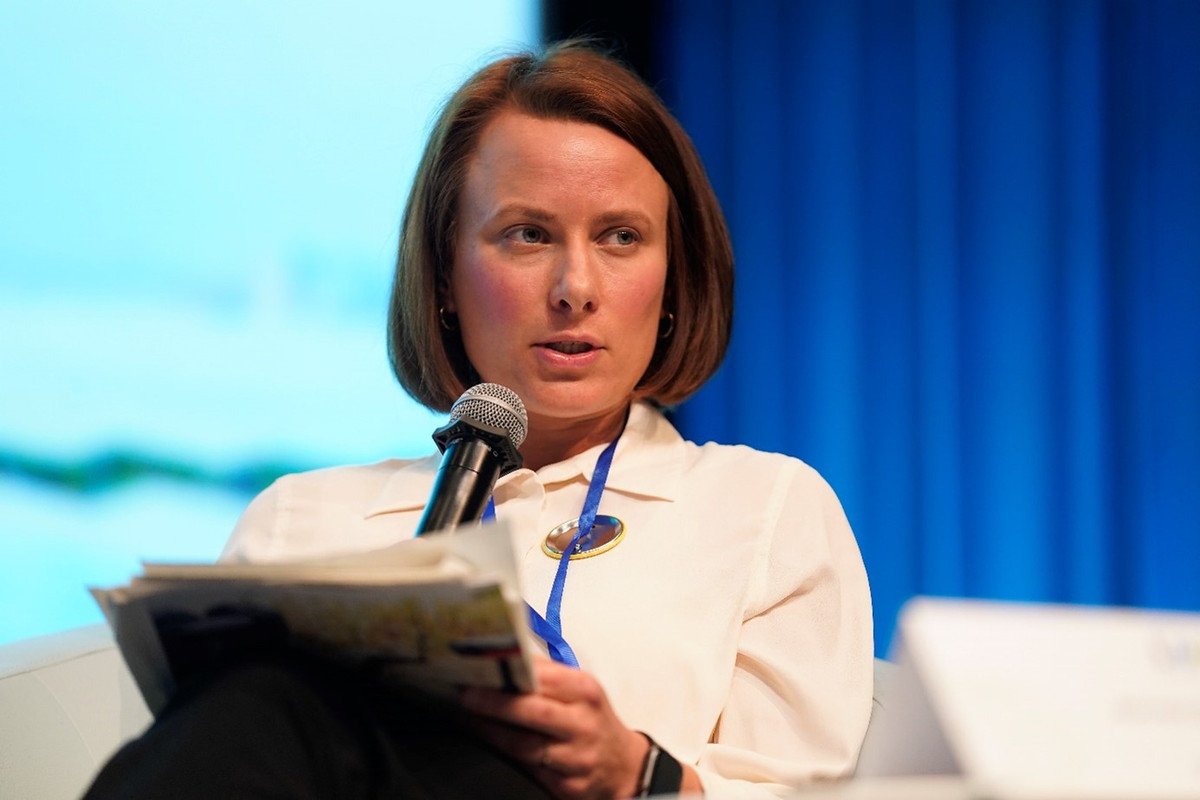
BMZ was represented by the new Senior Policy Advisor on Land Rights, Mrs. Wencke Müller-Rilke, who spoke at panel as well as operational sessions.

Mrs. Wencke Müller-Rilke from BMZ

Mrs. Wencke Müller-Rilke from BMZ


Diversity of contributions

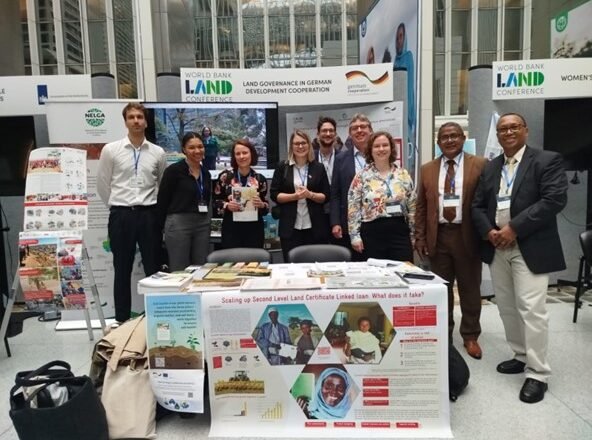
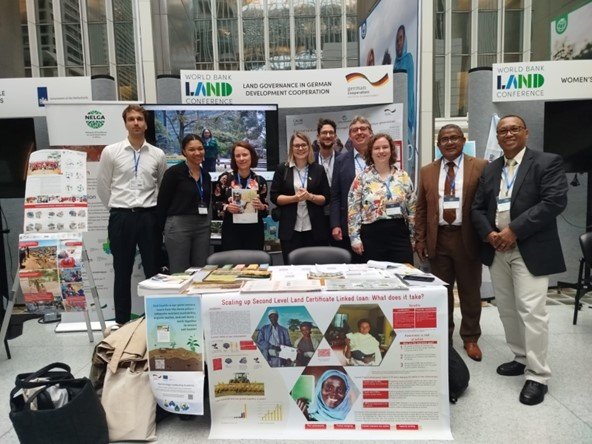
As a Silver Sponsor, BMZ/GIZ had a booth at the Solutions Expo to display information materials, posters and videos on work done in partner countries and achievements, which was well visited, particularly during breaks in the main agenda (see below). The BMZ/GIZ team was involved in a variety of ways to provide inputs, act as moderator or chairperson in the following sessions:

  1. Transforming discriminatory norms to strengthen women’s land rights: examples from the Stand for Her Land global advocacy initiative
  2. Securing Land for Climate Action in Africa: Ideas, Concepts and Experiences
  3. How to: making Climate Interventions work for equitable Land Rights
  4. Global Land Governance and Tenure: A Call to Action
  5. Sustainable Financing for Effective Land Administration
  6. Land registries as a key data source for resilient land use
  7. Best Practices and Innovations for Securing IP&LC Tenure: Tools Approaches, and Cultural Sensitivity
  8. Francophone Session: SIF en Afrique : progrès et défis, les perspectives des secteurs publics et privés (Land Information Systems in Africa: progress and challenges, perspectives of the public and private sectors)

German Booth at the Solutions Expo

German booth at the Solutions Expo: Jonas Kramp, Nanny Wiechert, Wencke Müller-Rilke, Leonie Gomm, Alexander Strunck, Oliver Puginier, Anja Schwiertz, Tiana Razafindrakotohary and Faly Ranaivoson (from left to right). Missing: Christian Mesmer

The participants also joined various side meetings with development organizations, CSOs, think tanks, partner ministries as well as consultancy companies. Partner institutions from target countries also had opportunities to meet BMZ for more specific interactions pertinent to each participating project, which was well-received by partner countries.

Summary assessment

The World Bank Land Conference remains the largest global venue for presentations and exchanges on land tenure, though securing commitments to continue securing access to land tenure has been dampened by the closure of USAID this February. The aim to move towards action is getting more difficult overall, but on the positive side 70 country delegations were able to travel to Washington (compared to 80 in 2024). Overall there were fewer sessions, but more time for panel discussions and Q&A, which enhanced exchanges. Although topics such as spatial, territorial as well as land use planning were mentioned in terms of their relevance, they were dealt with comparatively less than, for example, land administration and land information systems. On the other marine and coastal tenure were included as a new topic. The role of Indigenous Peoples and Local Communities (IPLC) as well as land rights for women obtained more space in panel discussions, but there were less options to focus on specific resources or livelihood challenges (e.g. pastoralism). The land conference continues to be important to share results, join scientific as well as policy debates to advance the cause of land tenure security and to foster strategic partnerships in future.

Explore the Global Programme Responsible Land Policy.

Originally published 22 May 2025 on Land Portal. Author: Oliver Puginier. Photographs via Land Portal.

From Land to Resilience: How Secure Tenure Strengthens Climate Response in East and Southern Africa

At the 2025 World Bank Land Conference, the session titled “Strengthening Land Governance for Climate Resilience: Strategies and Lessons from East and Southern Africa”, organized by CTV, GLTN and ZOA, partners from LAND-at-scale, and the Netherlands Enterprise Agency (RVO), convened experts and practitioners from across the region to unpack a powerful and urgent question: How can securing land tenure help communities respond to climate change?

Drawing on grassroots interventions and longitudinal research from the Land-at-Scale programme, panelists shared compelling case studies from Uganda, Burundi, Mozambique and the Democratic Republic of Congo (DRC). Despite their differing contexts, the message was clear: land governance and climate resilience are deeply intertwined—and with integrated community based strategies, strengthening one will strengthen the other.


Grounding Climate Resilience in Land Rights

Opening the session, Imke Greven, Senior Program Advisor at RVO, introduced the Land-at-Scale program, which operates in 12 countries and seeks to integrate tenure security with broader development goals. “Our entry point is land rights,” she said. “And we want to show how strengthening land tenure is a pathway to climate resilience.”

Greven underscored a key theme running through all country presentations: “It’s about community involvement, and the change you want to see in people’s lives.”

This intersection of tenure security and climate action, Greven explained, looks different in every case. But across the board, weak land governance was found to undermine climate resilience, while well-designed, inclusive land interventions could empower communities to adapt and thrive.


Uganda: Wetlands, Women, and Wise Use

Simon Peter Mwesigye, Project Coordinator LAND-at-scale at UN-Habitat and GLTN, presented a vivid case from Butaleja District in eastern Uganda, where 40% of the land area consists of wetlands. Traditionally managed by communities for food and livestock, these wetlands have come under growing pressure from commercial rice farming and in-migration, leading to conflicts, environmental degradation, and loss of biodiversity.

“The Constitution says wetlands are public resources, managed by the state on behalf of the people,” Mwesigye explained. “But in practice, local communities—especially adjacent landowners—still make decisions about how the wetlands are used.”

This ambiguous governance has sparked conflicts between farmers and pastoralists, between ethnic groups, and between old and new settlers. It has also led to ecological breakdowns: buffer zones have been destroyed, floods have increased, and wetland ecosystems are failing.

The Land-at-Scale project intervened by facilitating community based governance mechanisms—specifically, wetland management  associations and community wetland management committees. “These governance structures created a new level of accountability,” Mwesigye noted. “For the first time, the community had a system to enforce sustainable practices and resolve disputes.”

Wetland management  plans, developed in a participatory manner, were integrated into local government land use planning and used to designate ecological buffers and ensure sustainable use and equitable access to wetlands for local communities. Wetlands were mapped with open geospatial tools to track land use and prevent illegal expansion. “We now have a baseline for sustainable wetland management,” Mwesigye said.

One notable success was the empowerment of women, who play a major role in wetland agriculture but often lacked secure rights or influence. “We didn’t just include women in the committees,” he emphasized, “we empowered them to participate in decision-making and shift social norms that previously excluded them from inheritance and leadership.”

The result? Less conflict, more cooperation, wetland restoration—and a growing sense of shared responsibility for the wetlands’ future.


Burundi: Reconciling Conflicting Interests

In Burundi, the tension between human settlement and environmental protection is especially acute. With high population density, land scarcity, and a history of civil conflict, communities have settled in areas that are legally designated for environmental protection.

Timothée Rukundo, Country Director at ZOA, explained the challenge: “When communities are located within protected zones—near Lake Tanganyika or in forests—we’re faced with a dilemma. Do we secure tenure for the people, or prioritize environmental conservation?”

Relocation, he said, is neither feasible nor desirable. “Land is tied to people’s identity, history, and social networks. Moving them creates trauma and resistance.”

The solution lies in collaborative governance. “We’re advocating for secure user rights for communities, even in protected areas—but with conditions,” Rukundo noted. These conditions include joint responsibilities for environmental stewardship.

The project uses the Participatory Integrated Planning approach,known as the PIP, where households and communities design their own vision for the future, including concrete actions to protect the environment. “We link land registration with climate smart agriculture practices,” Rukundo said. “We promote integrated land use that aligns livelihood security with ecological goals.”

This inclusive model builds both climate resilience and social cohesion. “It only works when communities and government work together, and when local capacity is linked to national policy reform.”


Mozambique: Climate Displacement and Legal Gaps

In Mozambique, the conversation focused on a growing crisis: climate-induced displacement. Borges Chivambo, Legal Expert at Centro Terra Viva, presented a sobering case from Buzi District, where catastrophic floods forced entire communities to flee their homes.

“The water reached above the doors,” he said, pointing to a photo of an abandoned house. “People had no choice but to move.”

But resettlement raises critical questions of tenure and justice. “The people receiving displaced communities—the host communities—also rely on land. If they’re not consulted, land conflict will follow.”

Mozambique’s legal framework for land, Chivambo noted, provides for resettlement related to economic investment, but not for climate-induced relocation. “There’s a legal gap,” he stressed. “The relationship between land governance and climate resilience remains informal.”

Chivambo called for the recognition of this link and the formalization of climate-sensitive tenure frameworks. “We need to move from assumptions to action. Land governance must anticipate climate change and design mechanisms that protect both the displaced and the host communities.”

Importantly, the Land-at-Scale project in Mozambique is also strengthening legal literacy. “People don’t know their rights. That makes them vulnerable. Our goal is to increase legal awareness at the local level, so that people can assert their land rights even in crisis.”


DRC: Family Farming at the Heart of Reform

Back across the border in the Democratic Republic of Congo, Timothée Rukundo returned to the stage to discuss family farming as a cornerstone of inclusive land and agricultural reform.

“In the DRC, most agricultural land is controlled by large landowners,” he said. “Yet 70% of the working population relies on subsistence farming. The disconnect is enormous.”

The ongoing land and agriculture reforms, Rukundo warned, risk favoring agro-industry over smallholder farmers. “We are pushing for a different approach—one that centers family farming, protects rural land rights, and promotes climate smart agriculture.”

Family farming, he argued, is not only essential for food security and poverty reduction; it’s also key to climate resilience. “When people know their land is secure, they invest in the land. They plant trees. They use sustainable techniques. They protect the soil.”

A powerful example came from a woman farmer who shared her story: after securing her land rights and receiving training in smart agriculture, she increased her yields, built a house, sent her children to school, and joined a cooperative. “Now she’s part of a value chain,” Rukundo said. “Before, she was just surviving. Now, she’s thriving.”

This transformation is only possible when reforms are inclusive and rights-based. “We need integrated strategies,” he concluded. “That means aligning grassroots innovations with national policies. And it means ensuring that reform benefits the many, not just the few.”


The Way Forward: Breaking Down Silos

During the closing discussion, participants echoed a common theme: to achieve climate resilience, land governance must become a priority—not an afterthought.

“Land and climate actors often operate in silos,” one participant from Madagascar remarked. “We need a shared vision—one that includes land restoration, secure tenure, and community ownership.”

Greven reinforced this point. “Tenure security contributes to climate resilience—but it’s not automatic. You have to pair it with climate-smart practices. And if you ignore land rights, resilience efforts might fail.”

She also reminded participants that these lessons are being carefully documented through Land-at-Scale’s knowledge management work. “We have longitudinal studies in Burundi and elsewhere. The data shows real change—when we empower communities, respect local knowledge, and build durable institutions.”

Panelists also addressed questions about pastoralism, buffer zones, and legal inconsistencies—issues that underscore the complexity of managing land in changing environments.

Yet despite these challenges, the session ended on a hopeful note. “We are not just working on land,” Rukundo said. “We are changing lives. And that is the heart of resilience.”

Program: LAND-at-scale.

Related projects: LAND-at-scale Burundi: Amahoro at Scale, LAND-at-scale Mozambique: Community land rights and climate resilience, LAND-at-scale Mozambique: Community land rights certification in municipal areas.

Originally published on the Land Portal. Creative Commons Attribution 4.0 International.
Videos of the Land in Peace project

Videos for English Speakers, with either English audio or subtitles


Videos for Spanish Speakers, with audio in Spanish


Program: LAND-at-scale.

Related projects: LAND-at-scale Colombia: Fit-for-purpose land formalization, LAND-at-scale Colombia: Land formalization, livelihoods and conservation.

Originally published on the Land Portal. Creative Commons Attribution 4.0 International.
The Land in Peace Project Piet tells you about: Dutch Cooperation on Land Administration in Colombia

The Land in Peace Project: Dutch Cooperation on Land Adminsitration in Colombia

Originally published in June 2022 and thoughtfully updated in January 2024, this interactive data story explores the impactful collaboration between Colombian institutions and Dutch cooperation to strengthen land administration as a pillar for lasting peace. Dive in to learn how improved land governance is transforming lives and fostering stability in post-conflict Colombia.

The “Land in Peace Project” combines geospatial analysis and detailed field data collection to better understand and address patterns of land occupation, resource allocation, and areas prone to conflict. This integrated approach helps stakeholders identify the root causes of disputes, empowering them to design informed, effective solutions that promote lasting peace and equitable land use.

Leveraging ArcGIS StoryMaps, the project provides interactive, multimedia-rich narratives that vividly illustrate complex issues surrounding land ownership, displacement, and environmental considerations. Through accessible visualization, policymakers, community leaders, and the broader public gain greater insight, fostering transparency and encouraging collaborative decision-making. The project’s innovative use of geospatial storytelling highlights the critical role effective land management plays in peacebuilding, serving as an inspiring model for global efforts toward conflict resolution and sustainable development.


This data story is proudly presented by partner organizations of the LAND-at-scale program, a land governance initiative funded by the Netherlands Ministry of Foreign Affairs and coordinated by RVO.

Program: LAND-at-scale.

Related projects: LAND-at-scale Colombia: Fit-for-purpose land formalization, LAND-at-scale Colombia: Simplifying land formalization.

Originally published on the Land Portal. Creative Commons Attribution 4.0 International.

Support to Responsible Agriculture Investments presents its projects in the region of Gambella

By Betselot Elias, GIZ S2RAI II. Originally published March 24, 2025.

On March 7, 2024, GIZ Ethiopia and Djibouti Country Director, Miss Dorothee Hutter , visited Gambella to observe the implementation of the Support to Responsible Agriculture Investments (S2RAI II) project and engage with key stakeholders. The visit provided a comprehensive look at the project’s impact on agricultural investment, digital land management, and community engagement.

The delegation began with a visit to an agricultural investment site, where they were welcomed by the Commissioner of the Gambela Investment Commission. In discussions with investors, including Deputy Bureau Heads, they explored the cultivation of key crops such as maize, sesame, and beans. Farmers highlighted improvements in productivity due to better land management practices and investment in modern techniques. However, challenges such as export logistics and transport constrain continue to limit market access, preserving these crops from reaching their full economical potential. This exchange reinforced the need for improved infrastructure and policy support to facilitate investment and market access.

Building on this, the team visited the Commercial Agricultural Management Information System (CAMIS), a digital platform designed to streamline land investment registration and enhance transparency. The system has become a vital tool in improving agricultural investment processes and facilitating investor confidence. Further emphasizing the project’s role in strengthening investment structures, the team also visited the Gambela Investors’ Crop Production Association office, an institution that was initially established with support from S2RAI I. The association now serves as a critical link between investors and policymakers, ensuring that investment policies align with local needs and drive sustainable growth.

The engagement continued with participation in the Community-Investor-Government Forum (CIGF) training, where representatives from Green Love Appreciated Development (GLAD) and other stakeholders discussed sustainable agricultural practices, investment opportunities, and strategies for local economic development. This platform fostered valuable dialogue between communities, investors, and government representatives, reinforcing the importance of collaboration in addressing sector challenges.

Through these site visits and discussions, the delegation witnessed firsthand how S2RAI II is strengthening agricultural investment, enhancing governance, and fostering partnerships that drive long-term development in the region.

For more information visit: Global Programme Responsible Land Policy | Land Portal and Responsible Land Policy in Ethiopia | Land Portal. 

Source: Betselot Elias, GIZ S2RAI II, Land Portal, March 24, 2025. Republished with attribution.

No right to land for migrants?

Building innovative methodologies to overcome conflict and tension requires to go and work there where it is hardest. ProPFR Côte d’Ivoire (Promotion d’une Politique Foncière Rurale – Global Programme for Responsible Land Policy) tested approaches in Cavally region to help overcome significant opposition to change.  

Securing land tenure and land use rights is fundamental for improving social cohesion in rural social landscapes riddled with conflict. As established by the VGGT, migrant communities tend to be especially vulnerable to informal tenure agreements. Sustainable conflict resolution requires participatory negotiation of long-term use agreements and the establishment of conflict resolution mechanisms. To meet national targets and successfully implement the ambitious national land tenure security program of Côte d’Ivoire’s Rural Land Tenure Agency (Agence Foncier Rurale – AFOR), communities must be involved, and discrimination against migrant communities must be prevented. In 15 villages of the Cavally region of South-West Côte d’Ivoire, ProPFR implements land (use) right clarification and documentation activities as part of a partnership with 8 cocoa multinationals. In 2023, operations to solve conflicts and tensions between autochthone and migrant populations were proceeding normally, when a group of national leaders from one ethnic group gridlocked the activities. They objected to the official interpretation of the law promulgated by AFOR and claimed that only natives have a right to land, echoing discriminatory messages from Côte d’Ivoire’s dark past of civil war, and preventing sustainable investments. 

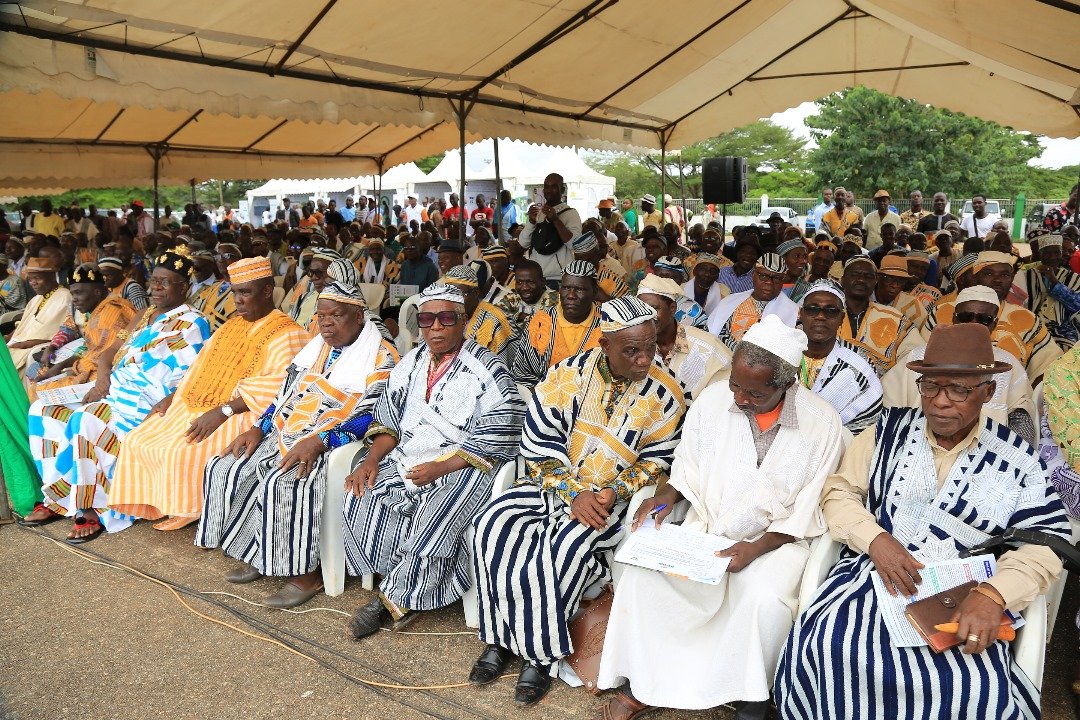
Participants at the launch of AFOR’s rural land tenure program

Launch event of AFOR’s 200M$ World-Bank-funded program. CC@ProPFR Côte d’Ivoire/GIZ.

From before decolonisation, cocoa and other crops have been ‘eating up’ Côte d’Ivoire’s rainforests. The first president actively invited migrants to clear the forest for agricultural development. Autochthone customary landowners were instructed to welcome them with open arms. Generations later, land and forests have run out and tension over land rise rapidly. Law reforms make it possible for non-Ivorians to own land, but this can reopen old wounds, especially when migrants today disrespect their ‘tuteurs’ by not recognizing the ‘gift’ or ‘sale’ (or was it?) that their parents received. AFOR in its programs had not dared to work in this last cocoa frontier yet but has been keen to officially adopt most of ProPFR’s methodological innovations.  

“If we are to ensure rural land tenure security, then we must build and foster harmony among communities and lay the foundations for lasting peace throughout the country.”   

– Kouadio Konan Bertin, Minister of Agriculture, Rural Development, and Food Production  

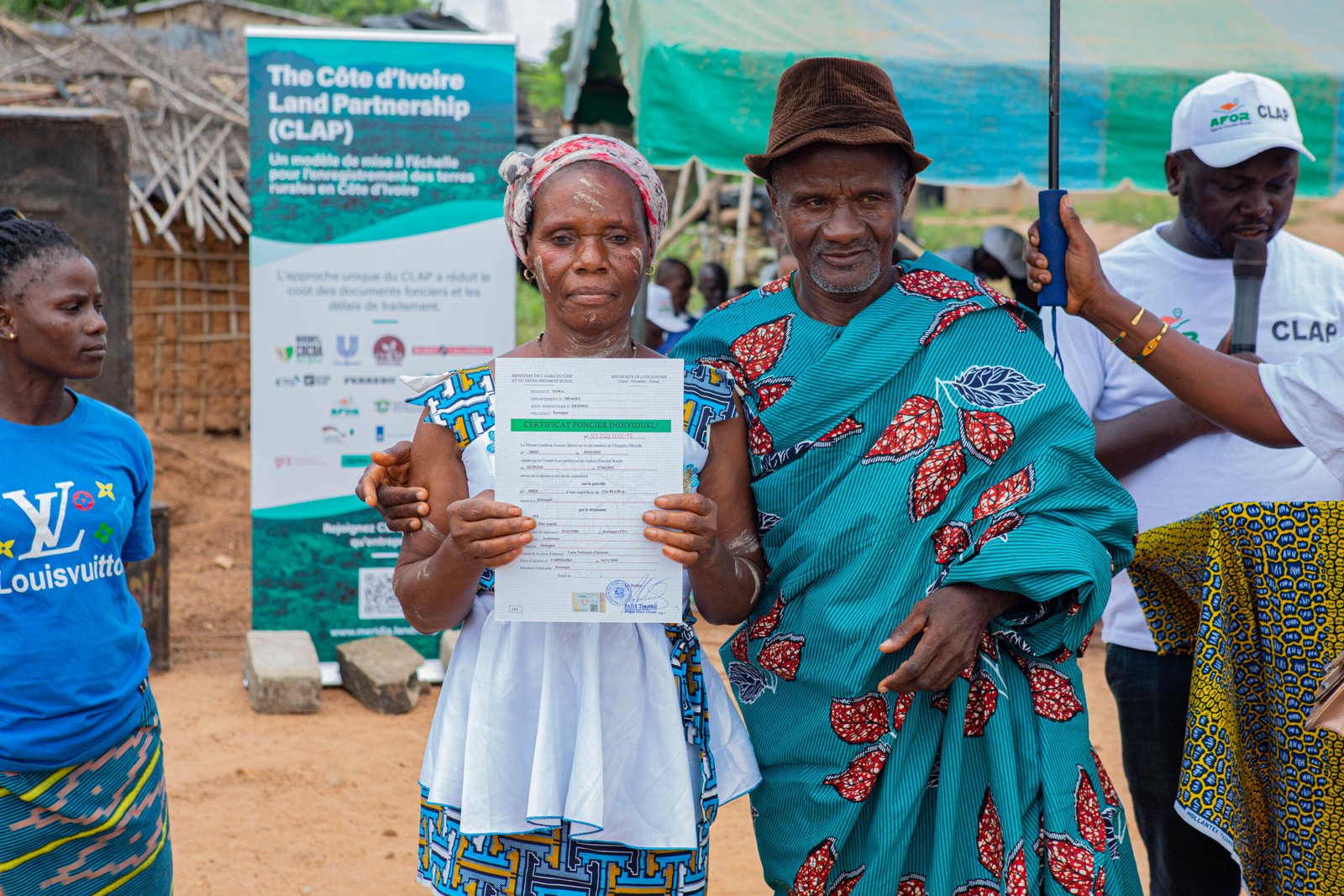
Woman in the Cavally region holds her land use agreementWoman from Cavally Region holding up her Land Use Agreement. CC@ProPFR Côte d’Ivoire/GIZ.
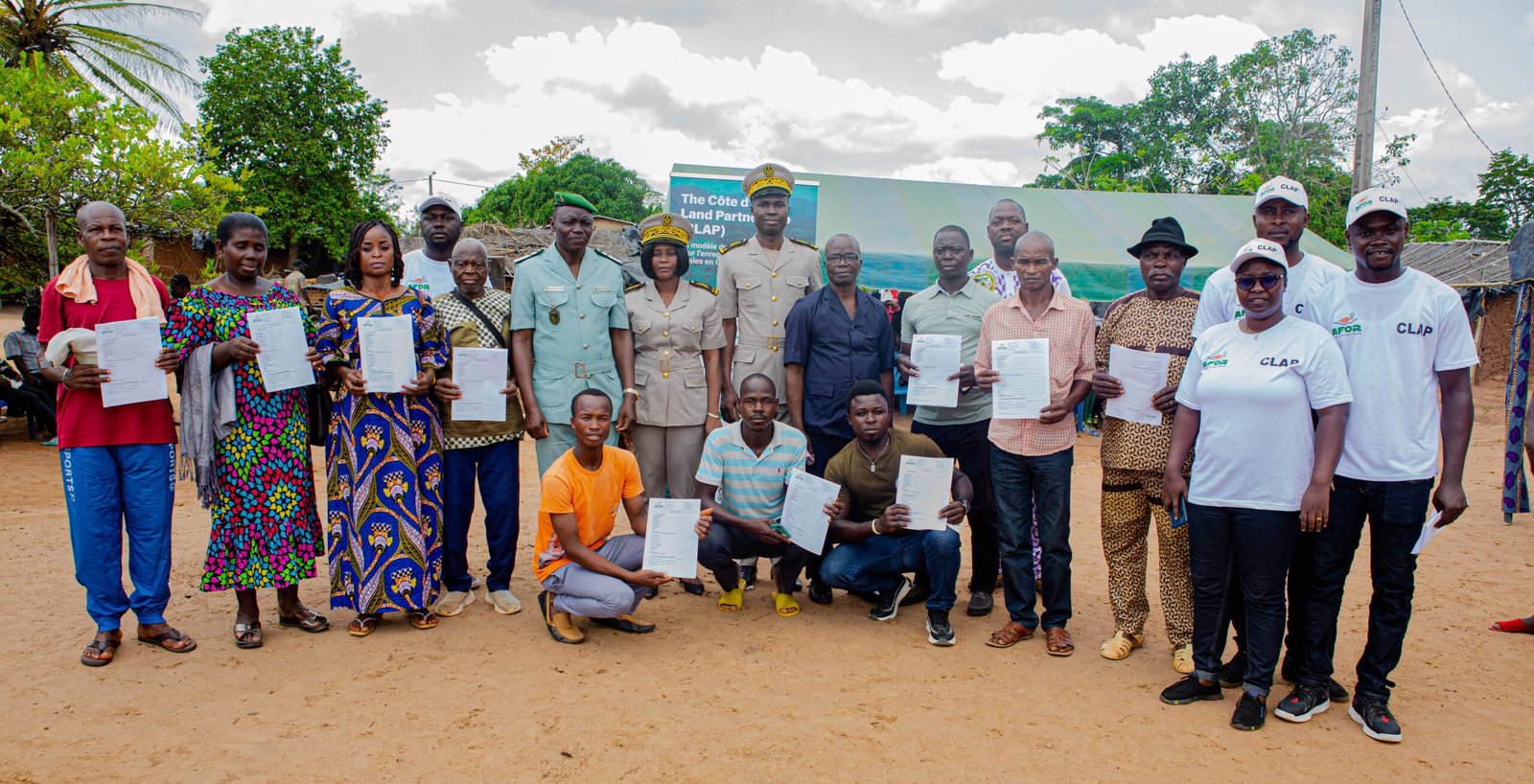
The ethnic leaders created a committee and campaigned in the project area. Faced with this situation, ProPFR contacted the regional and national administrative authorities and garnered support from the ministry and the World Bank (main donor of AFOR), to help resolve this and force an official stance in the interest of achieving the freshly adopted national land tenure strategy. A national workshop with the committee followed, where AFOR’s Director General presented ProPFR’s public-private partnership as its own project. Information workshops on land tenure security procedures and social cohesion were held in the sub-prefectures, chaired by the sub-prefects.  

ProPFR’s experience with alternative dispute resolution and assistance in negotiations with local authorities has enabled communities to overcome long held prejudice against migrant access to land, and land use agreements and land contracts were issued in the respective villages. Operations have started to show results again, though the situation remains complex. A core lesson is to always refer to the authorities, and work toward legally correct and mediated solutions that can be applied locally. In one reticent village territory, after holding various discussion, we asked the sub-prefect to return to the village after the workshop and mediate. The same day we were able to register 20 applications for land certificates. The village chief changed heart and supported the issuance of at least 200 land certificates to boost development in his community. Recently, AFOR has announced that Cavally Region will now also be included in its new 200M$ World Bank-funded PRESFOR (Program to Strengthen Rural Land Tenure Security).

Participants hold land use agreements at a ceremony in Cavally

Groupe Photo of Land Use Agreement ceremony. CC@ProPFR Côte d’Ivoire/GIZ.


More on the Global Programme: Responsible Land Policy in Côte d’Ivoire | Land Portal and Global Programme Responsible Land Policy | Land Portal. 

Explore the Responsible Land Policy in Côte d’Ivoire project and the global programme.

Originally published on 24 March 2025 by the Global Programme Responsible Land Policy on Land Portal. Republished under Creative Commons Attribution 4.0. Photographs: ProPFR Côte d’Ivoire/GIZ, via Land Portal.