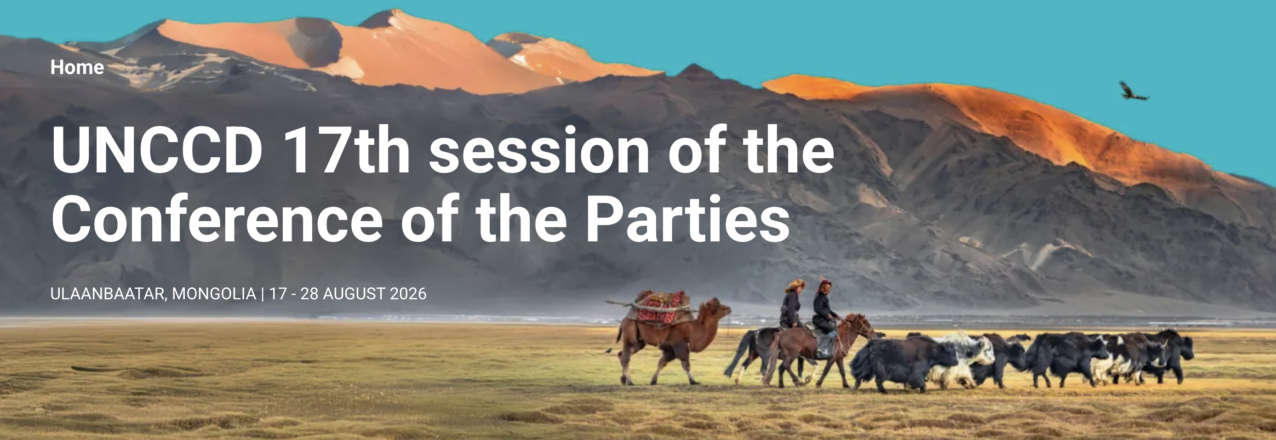
COP17 is expected to bring together delegates from UNCCD’s 197 Parties, alongside leaders from government, business and civil society, as well as scientists, youth, Indigenous Peoples, pastoralists and smallholder farmers. They will convene to forge solutions to the interconnected challenges of desertification, land degradation and drought, recognizing that restoring land is also essential to reducing instability, preventing displacement and strengthening human and national security in vulnerable regions.
“Land is our most vital infrastructure — underpinning food security, water, livelihoods and stability. When land fails, insecurity rises — through lost livelihoods, forced displacement and increased competition over scarce resources. With UNCCD COP17, Mongolia is offering the world a powerful message: Restoring Land, Restoring Hope is not only an environmental agenda, but a development and resilience priority. As drought intensifies and land degradation accelerates, the conference must drive practical, investable solutions — from restoring degraded land and soils to strengthening the land–water nexus — so that communities can thrive,” said UNCCD Executive Secretary Yasmine Fouad.
Land degradation is already affecting up to 40 per cent of the world’s land, with far-reaching impacts on food production, water availability, livelihoods and economic stability. COP17 offers a pivotal moment for countries and partners to strengthen implementation and mobilize greater investment in drought resilience and sustainable land management.
With a vast territory of 1.56 million square kilometers, Mongolia is among the countries most affected by desertification and land degradation, with nearly 77 per cent of its land already degraded. Hosting UNCCD COP17 in Ulaanbaatar will place international focus on land restoration priorities, including approaches that safeguard livelihoods, food security and ecosystems in dryland regions.
COP17 is taking place during the United Nations International Year of Rangelands and Pastoralists (IYRP 2026(, declared by the United Nations General Assembly and championed by Mongolia. This presents a major opportunity to accelerate action on the sustainable management, restoration and conservation of rangelands, while spotlighting the needs of pastoralist communities who depend directly on these ecosystems for their livelihoods.
Rangelands cover more than half of the Earth’s land surface, support the direct livelihoods of around 500 million people and provide one-sixth of the world’s nutrition needs, yet remain among the planet’s most overlooked and increasingly degraded ecosystems.
During the two-week conference, participants will engage in a high-level segment including ministerial dialogues, alongside multistakeholder forums and thematic discussions on science–policy integration, innovation and solutions, tools and technologies, and financing. In addition to formal negotiations, COP17 is expected to catalyze collective action on rangelands, resilience and water, as well as food systems and soil health.
In preparation for COP17, Mongolia has launched national initiatives linking land restoration with livelihoods and rural development, including the President-led “Billion Trees” National Campaign, initiated in 2021 and aiming to plant one billion trees by 2030. Mongolia has also expanded public engagement and youth participation through national dialogues and outreach activities, including the “Youth4Land” National Forum. Through the Mongolia Business Council, the COP17 Presidency has been engaging the country’s private sector in support of UNCCD’s Business4Land Initiative that aims to accelerate private sector action for sustainable land management.
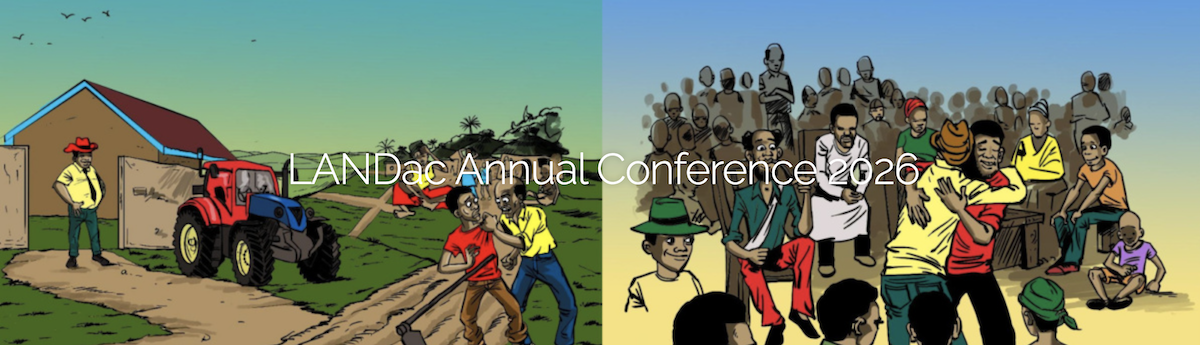
In 2026 the LANDac annual conference is centered on the theme of Land, Conflict and Peace. This conference offers the opportunity to explore issues at the crossroads of land governance and peace, conflict, and humanitarian studies. It invites reflection on how war and its aftermath reshape our understanding of land governance and call for new, context-sensitive approaches. Such reflection is more urgent than ever: today, around 50 countries of the world are experiencing war or organized violence, affecting roughly one in six people worldwide. In the current context of myriad global and local conflicts, this important theme aims to encourage rich discussion between participants from academia, practitioners, and policy makers.
The relationship between land and conflict, and the ways in which conflict redefines land access and rights, are common themes for practitioners working in land governance, and have also been explored in academic debates across a number of fields. Both research and practice have increasingly linked underlying dynamics of structural (in)justice around land to conflict, and the topic remains as relevant as ever: new findings continue to emerge, while evolving factors such as climate change further complicate the relationships between people, land, and conflict. Political and economic exclusion are central to conflicts, and these can often manifest through claims to land. In turn, conflict can engender loss of land, due to displacement, land grabbing, and militarisation. The aftermath of war can equally be a time of land loss, or of frustrated efforts to regain land lost in conflict. While war-to-peace transitions can bring the hope to correct some of these wrongs, they also bring new problems, such as through overlapping land claims, land grabbing in the name of development and reconstruction, and continued political competition. Moreover, experience shows that if not addressed in emergency response and post-recovery efforts, land issues can contribute to exacerbate or relapse of conflicts.
This year’s LANDac Conference turns its attention to these intersections. Key questions that motivate the conference are: How can different land governance approaches strengthen land rights in conflict-affected and challenging environments? How can land governance interventions support recovery, peacebuilding, and justice? And how can we better understand land governance as part of the broader politics of land before, during, and after violent conflict?
This conference offers the opportunity to explore the crossroads of land governance with peace and conflict studies. It invites reflection on how war and its aftermath reshape our understanding of land governance. Such reflection is more urgent than ever: today, around 50 countries of the world are experiencing war or organised violence, affecting roughly one in six people worldwide. If current trends continue, two thirds of the world’s poor will live in conflict-affected or fragile countries by 2030.
To reflect on these challenges, this conference aims to bring together scholars, policy makers and practitioners from the land governance field on the one hand; and the conflict, peace, and humanitarian field on the other. We believe these two communities can speak to each other in very meaningful ways. Early work on land in humanitarian and peace building contexts (by Sara Pantuliano in 2009 and John Unruh in 2013) has put these issues on the agenda, and experiences from different war-affected countries indicate the complexity of land governance interventions in these settings, technically, legally, and politically.
Among the peace and conflict community, land remains somewhat underacknowledged as a critical theme. Here, the land governance community may help put urgent issues of injustice as well as structural violence relating to land on the international peacebuilding agenda. Precisely in situations of threatening violence, a pertinent question is what can be done through land governance. Vice-versa, the land governance community stands to benefit from insights and theory-building on key issues in conflict dynamics, including the mobilisation for violence, the role of identity politics, and the dynamics of state formation; but also what it takes to think of peace in terms of transformation and justice.
Format
The 2-day conference kick-offs on Wednesday morning 1 July with a plenary session. Dr Jon Unruh will open with a keynote on land rights, conflict and peace building. After Prof Unruh’s framing on the conference theme, a plenary conversation will explore what it means to operate in today’s complex environments at the intersection of land governance, conflict, peace, and humanitarian action. Four panelists come together to share the lived realities behind their work. Each arrives with a different vantage point, from government decision‑making to frontline programming, from navigating activism and political pressures to conducting research in places where conflict is not an abstraction. This session opens a space for honest, thought‑provoking conversation, bringing forward both institutional and personal perspectives on how to address the root causes of emerging crises through policy, programming, and long‑term engagement in an aid landscape that is constantly shifting.
The plenary morning is followed by several rounds of parallel sessions in 1,5 hour slots on Wednesday and Thursday 2 July. The conference closes on Thursday afternoon with a second plenary panel. As in previous editions of the conference, we offer space for a variety of formats: paper presentations, panel discussions, round tables for these two days. On 1 July we will close the day with drinks and snacks, offering ample opportunities for networking.
Following the conference, on 3 July, we host a pre-event for early career researchers, providing space for PhDs and MSc students to share their knowledge, think about how to present this knowledge to other stakeholders, and to inspire each other.
The conference will be concentrated on-site, at Janskerkhof 2-3 Utrecht. We aim to stream keynote sessions. Parallel sessions will be hosted in hybrid format, allowing online presentation (no online participation without presentation).
Keynote speakers
LANDac is proud to announce the following keynote speakers.
Jon Unruh
Dr. Jon Unruh, is a professor at McGill University in Canada. He has over 30 years experience in developing and implementing research, policy and practice on 1) war-affected housing, land and property rights systems; 2) the peace process and recovery from armed conflict; 3) the intersection between customary and statutory tenure; and 4) land rights and environmental change, and has published widely on these topics. He has worked with a variety of international agencies, governments and donors on the establishment of restitution/compensation programmes for housing, land and property in war-affected countries, including: UN agencies, NATO, The World Bank, OSCE, USAID, Global Affairs Canada and and The Japanese Global Infrastructure Foundation, among others. Dr. Unruh has conducted in-person research and policy work in: Ukraine, Syria, Yemen, Iraq, Lebanon, Saudi Arabia, Jordan, Sudan, Somalia, Ethiopia, Uganda, Kenya, Tanzania, Liberia, Sierra Leone, Cameroon, Mozambique, Angola, Madagascar, Colombia, Peru, Slovenia, Vietnam, East Timor and Sri Lanka. https://www.mcgill.ca/geography/people-0/unruh
Opening Panel Conversation
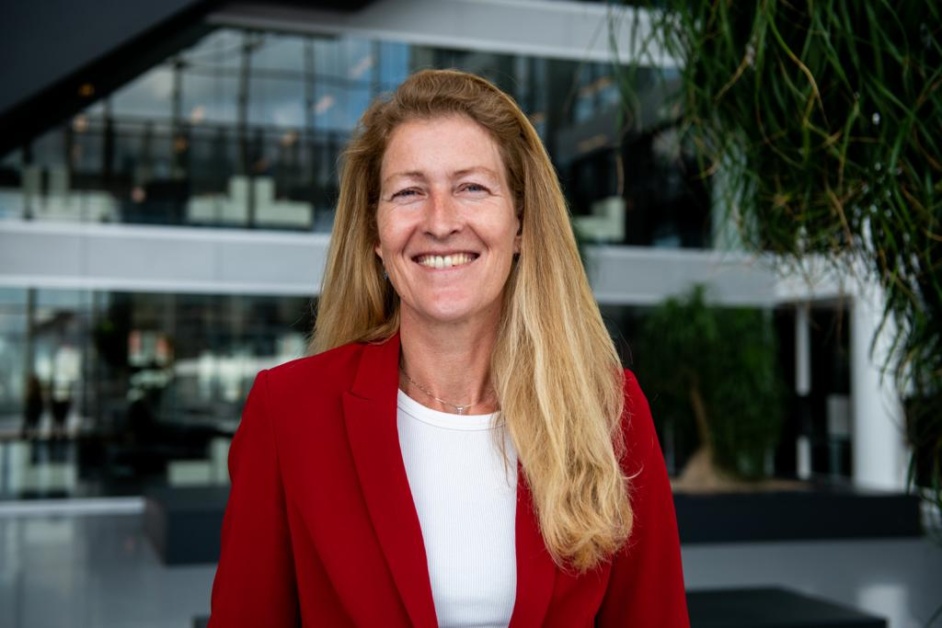
Ms Wampie Libon– van der Wal is Director Inclusive Green Growth Department (IGG), Ambassador for Sustainable Development, and Arctic Ambassador at the Ministry of Foreign Affairs of the Netherlands. Her directorate coordinates international climate and energy policy, and it manages a portfolio of ODA activities on water, energy and food. Prior to this position, she was the Director of the International Enterprise Department at the Ministry of Foreign Affairs and the Head of the Economic and Climate Policy Department of the Netherlands Embassy in Washington DC. From 2014-2018, she was Deputy Head of Mission of the Embassy in Belgium. She also worked five years as an European advisor to Prime Ministers Balkenende and Rutte. Starting her diplomatic career in 1997, she held various positions in The Hague, New York and at the Permanent Representation of the Netherlands at the EU in Brussels.
Dr JudithVerweijen – Researcher and Assistant Professor at Utrecht University
Dr Mohammed Alsalimiya – Public Relationship Director at Land Research Center (Palestine)
Mr Michael Servaes – Executive Director of Oxfam Novib
Closing panel
Pinar Dinç
Pinar Dinç is Associate Professor at Lund University, Centre for Advanced Middle Eastern Studies. She is a political scientist specialising in environmental peace and conflict studies, with a particular focus on the interplay between political power, climate and environmental change, ecological degradation, authoritarianism, resistance, and migration in the Middle East.
Mediebou Chindji
Prof. Mediebou Chindji is Associate Professor in Social and Development Geography at the University of Yaoundé I (Cameroon), where she coordinates the Master’s program in Urban Planning and Development. She is also affiliated with the Network of Excellence on Land Governance in central Africa (NELGA/AC). Her research focuses on land governance, spatial justice, and urban transformations in Sub-Saharan Africa, with particular attention to conflict-affected and fragile contexts. She examines how land tenure systems, legal pluralism, and urban expansion shape socio-spatial inequalities and fuel land-related conflicts. Her recent work explores the role of land governance in post-conflict reconstruction, displacement dynamics, and peacebuilding processes, highlighting the need for inclusive and context-sensitive policy frameworks. She has published widely on land, urban vulnerability, and environmental risks, and actively contributes to international debates on land governance, conflict, and sustainable development.
The World Bank Land Conference has become one of the largest international events on land governance. It brings together over 1,500 participants from across the globe – including representatives from government, academia, civil society, and the private sector – to discuss new research, innovations, practices, and policies to strengthen land and resource governance.
The United States Agency for International Development (USAID) leads global engagement on land and resource governance through its expertise in advancing land tenure and property rights, programming to secure inclusive and equitable rights to land and natural resources for women and Indigenous Peoples, and addressing development challenges associated with critical minerals.
Stop by our booth for our new conference handouts:
Join USAID for a series of “Coffee Talks” at our booth on Tuesday, May 14 to learn more about our work!
Monday, May 13
Global Land Governance and Policy Forum, State of Land (1:00p – 1:45p EDT, Preston)
Karol Boudreaux, Senior Land and Resource Governance Advisor, USAID/Washington
Ensuring that the Greening Economy is Just for the Land Holders (3:30p – 5:30p EDT, MC 2-800)
Tuesday, May 14
Join members from USAID’s Land and Resource Governance Division for a series of Coffee Talks at the USAID booth! (10a – 5p EDT, USAID Booth in Atrium)
Do Institutional Design and State Capacity Affect Demand for Property Title? (10:30a – 12:30p EDT, MC 8-100)
Yuliya Panfil, Land and Resource Governance Lead on USAID’s Integrated Natural Resource Management Activity
Integrated Land Policy Implementation – Cross Ministerial Coordination and Barriers to Securing Land Rights for Development (11:00a – 12:30p EDT, MC 4-800)
Matt Sommerville, Land and Resource Governance Specialist on USAID’s Integrated Land and Resource Governance II Activity
Unlocking Community Resilience: An Integrated Approach to Climate Adaptation and Disaster Risk Reduction (11:00a – 12:30p EDT, MC 2-800)
Karol Boudreaux, Senior Land and Resource Governance Advisor, USAID/Washington
Wednesday, May 15
Customary and Statutory Land Administration Challenges in the Era of Climate Change: Voices from the Grassroots (11:00a – 12:30p EDT, MC 2-800)
Mark Freudenberger, Land and Resource Governance Specialist on USAID’s Integrated Land and Resource Governance II Activity
Innovative Approaches to Unlock Rural and Indigenous Women’s Land Rights for Sustainable Development (4:00p – 5:30p EDT, Preston)
Thais Bessa, Senior Gender and Social Inclusion Advisor on USAID’s Integrated Land and Resource Governance II Activity
Karol Boudreaux, Senior Land and Resource Governance Advisor, USAID/Washington
Securing Women’s Land Rights for a More Livable Planet (2:00p – 3:45p EDT, MC 2-800)
Karol Boudreaux, Senior Land and Resource Governance Advisor, USAID/Washington
Coffee Talks on Tuesday, May 14
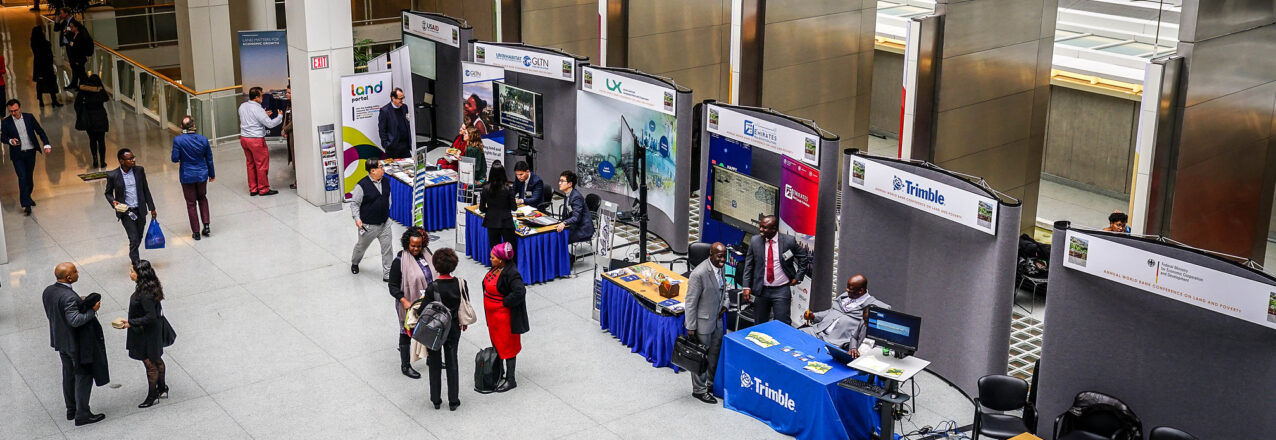
If you are attending the Conference, you can connect with USAID at our booth in the World Bank’s Wolfensohn Atrium. On Tuesday, May 14, we will host a series of “Coffee Talks” with LRG Division staff where you can ask your questions, learn about our work, and tell us about yours. Here’s the schedule:
The World Bank Conference on Land and Poverty has become one of the largest international events on land governance. It brings together over 1,500 participants from across the globe—including representatives from governments, academics, civil society, and the private sector—to discuss new research, innovations, practices, and policies to strengthen land and resource governance. Read more about the 2018 conference here.
Make sure to stop by the USAID booth in the Atrium anytime during the week to have a hands-on demonstration of the Mobile Applications to Secure Tenure (MAST) technology. You can also sign up for the E3/Land newsletter and check out the MAST Learning Platform. USAID work will be featured in presentations throughout the conference. Please note that the schedule is subject to change.
The World Bank Conference on Land and Poverty has become one of the largest international events on land governance. It brings together over 1,200 participants from across the globe—including representatives from governments, academics, civil society, and the private sector—to discuss new research, innovations, practices, and policies to strengthen land and resource governance.
USAID’s Agenda and Presentations
Attending the conference? Make sure to stop by USAID’s booth in the Atrium anytime during the week to say hi and have a hands on demonstration of the mobile technology powering USAID’s Mobile Applications to Secure Tenure. You can also sign up for E3/Land’s newsletter and register for the Land Tenure and Property Rights MOOC! USAID’s work will be featured in presentations throughout the conference. Please note that the schedule is subject to change.
Session 01-14: Poster Board Paper: Evidence to Inform Liberia’s New Land Policy: Evaluation Findings from Namati’s Community Land Protection Program
Wednesday, March 21
Session 06-01: Regularization of rural rights: lessons learned from Ethiopia, Liberia and Zambia Opening Remarks: USAID, Carrie Thompson Topic: Expanding Land Certification to Pastoral Areas in Ethiopia Topic: Scaling Low-Cost Customary Land Certification in Zambia Topic: Supporting Community Land Documentation in Liberia
This course will provide USG foreign assistance practitioners training that strengthens their knowledge and skills in understanding the relationships between land tenure and property rights (LTPR) and critical USG international development strategic priorities; identifying and addressing development challenges in their portfolios related to LTPR; and improving the effectiveness of Agency and USG programming.
BACKGROUND
Rights to land and resources are at the center of our most pressing development issues: economic growth, food security, conflict, urbanization, gender equality, climate change, and resilience. Secure land and property rights create incentives for investment, broad-based economic growth, and good stewardship of natural resources. Insecure property rights and weak land governance systems often provoke conflict and instability, which can trap communities, countries, and entire regions in a cycle of poverty.
This 1-week course is designed for USAID and USG international development professionals, who want to strengthen their knowledge and skills in addressing land tenure and property rights challenges.
This course provides participants with a solid understanding of the issues, theories, evidence, and best practices around land tenure, property rights, and effective international development programming.
PARTICIPANT LEARNING OBJECTIVES
By the end of the course the participants will be able to:
Describe the importance of LTPR as a critical development issue and understand considerations for USG foreign assistance programming.
Define common land sector terms and concepts and be able to explain the differences between formal and informal land systems.
Describe the linkages between LTPR and conflict, economic growth, responsible land-based investment, food security, gender equality and women’s empowerment, and natural resource management in developing countries.
Understand and describe best practices for applying LTPR in the context of USG foreign assistance programming and identify available resources, USAID-supported technologies, methodologies, and tools for LTPR.
COURSE OUTLINE
Introduction to Land Tenure and Property Rights
Property Rights and Economic Growth
Land and Resource Tenure, NRM, and Biodiversity
Land Tenure and Geospatial Data and Technology
Land, Property, and Conflict
Land Rights, Gender Equality, and Women’s Empowerment
Introduction to Land Administration
Responsible Land-based Investment
Land and Food Security
USAID Land Tenure and Property Rights Technical Services, Resources, and Mechanisms
Conclusion
SCENARIOS
This course will move through four real-world example scenario-based exercises to practice applying course learnings to improve USAID development programming and decision making.
PRESENTERS
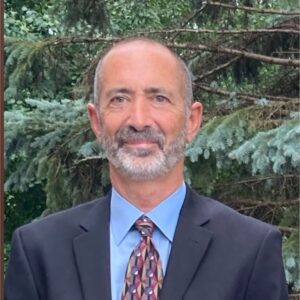
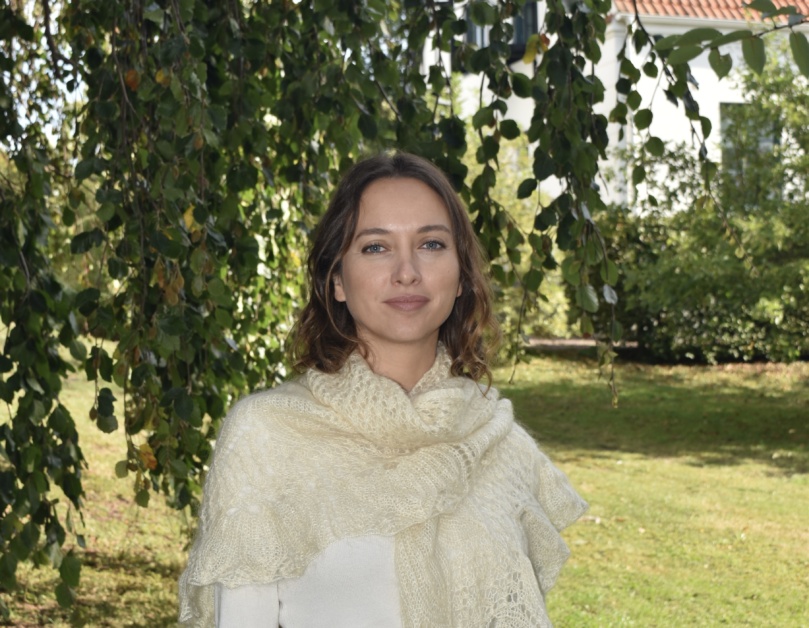
Stephen Brooks
Land and Resource Governance Advisor, USAID E3/Land
Mr. Brooks is E3/Land’s Land Tenure and Resource Governance Advisor. He leads USAID’s work on tenure and resource governance in the context of global climate change and forestry and biodiversity, and manages the Office’s Tenure and Global Climate Change program. Mr. Brooks also serves as the E3/Land Office’s primary liaison for the USAID Asia Bureau, and leads USAID interagency collaboration with the US Forest Service and NOAA on the intersection between tenure, forest and marine issues.
Mr. Brooks received a master’s degree in Environmental Science with a focus on International Development and Conservation from the Yale School of Forestry and Environmental Science. He also received a bachelor’s degree from the University of Florida’s School of Forest Resources and Conservation.
Mr. Brooks brings expertise in land tenure and resource governance specific to international development and natural resource management. He also brings over 10 years of experience in forestry and coastal resource management, and 5 years of experience in urban natural resource management issues.
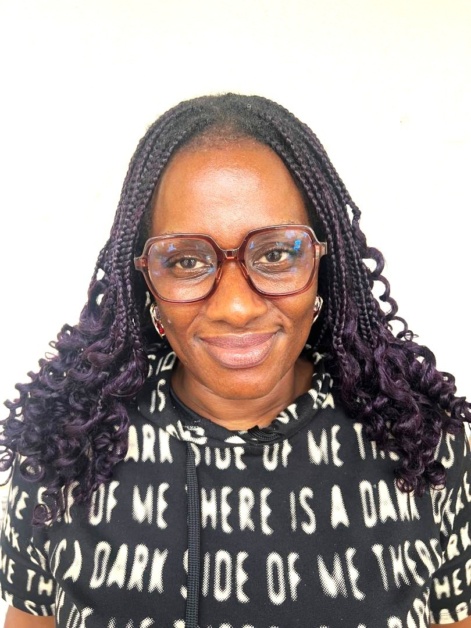
Darryl Vhugen
Independent Consultant
Mr. Vhugen, J.D., is a land tenure consultant who advises UN agencies, governments, private sector institutions, and communities on how to achieve socially responsible and financially sustainable investments in land and natural resources. His work focuses on protecting and strengthening the land rights of the poor in the context of large-scale land-based investments and climate change.
Previously, Mr. Vhugen led Landesa’s work in Burma/Myanmar and provided legal and policy analysis to address land rights and climate change challenges in sub-Saharan Africa, India, and China. Before that, he was Landesa’s first State Director for Andhra Pradesh, India. Mr. Vhugen also spent 25 years in private practice as an international and domestic business lawyer and litigator, advising foreign and domestic clients in a broad range of business matters. Mr. Vhugen has field experience in Japan, Cambodia, the Philippines, Myanmar, India, Indonesia, Nepal, Mexico, Tanzania, Ethiopia, Uganda and Mozambique.
Leonard Rolfes Jr.
Chief of Party and Land Tenure Specialist, The Cloudburst Group
Mr. Rolfes Jr. is Chief of Party on the Evaluation, Research, and Communication task order, a USAID-financed program being implemented by The Cloudburst Group. In this role, Mr. Rolfes provides management support to his team to facilitate their research, evaluation, communications, training and pilot project work, and engages with USAID on behalf of the program to ensure client needs are being satisfied. Mr. Rolfes also provides land tenure technical services on certain parts of the program, notably the Mobile Applications to Secure Tenure pilot project.
Mr. Rolfes is a lawyer by training and has 25 years of legal and implementation experience in the land-tenure field. Mr. Rolfes has worked in 17 countries, primarily in the former Soviet Union and sub-Saharan Africa, on issues such as land privatization, farm restructuring, land registration, formalizing customary land rights, and increasing women’s access to land. Apart from his work for Cloudburst, notable achievements include providing advice in the drafting of Ukraine’s Land Code, and serving as project lead on large land programs in Burkina Faso and Mongolia financed by the Millennium Challenge Corporation.
For more information, contact Jeremy Green, E3 Land and Urban:jegreen@usaid.gov
On Wednesday August 7th, 2013 USAID hosted a Brown Bag with Dr. Catherine Picard, Environment and Natural Resource Officer for the Bureau of African Affairs at the U.S. State Department; Pete Chirico, Research Geographer at the US Geological Survey; and Tim Fella, Land Tenure and Conflict Specialist within the Land Tenure and Property Rights Division at USAID. In cooperation with the State Department and USGS, USAID provides support to the US Government on the Kimberley Process; an initiative intended to eliminate trade in conflict diamonds. USAID recently concluded the PRADD project; an activity designed to reduce conflict, strengthen property rights and improve livelihoods of artisanal miners, and is finalizing plans for a follow on activity. The Brown Bag focused on the PRADD activities in Liberia, Guinea, Cote d’Ivoire and the Central African Republic, as well as on the support provided to the Kimberley Process and the collaborative efforts of multiple USG entities.
View USAID’s infographic on “Why Land Rights Matter.”
Every year, the World Bank Conference on Land and Poverty brings together representatives from governments, the development community, civil society, academia, and the private sector to discuss issues of concern to communities, land practitioners and policymakers worldwide. The growing importance of this event highlights the increasing recognition that resource governance is central to alleviating poverty, promoting economic development, improving food security, limiting conflicts, and increasing stability.
To keep up with the advancing global dialogue on land and resource rights, follow news and events from the 2015 World Bank Conference on Land and Poverty on this page.










 Stephen Brooks
 Darryl Vhugen
 Leonard Rolfes Jr.