


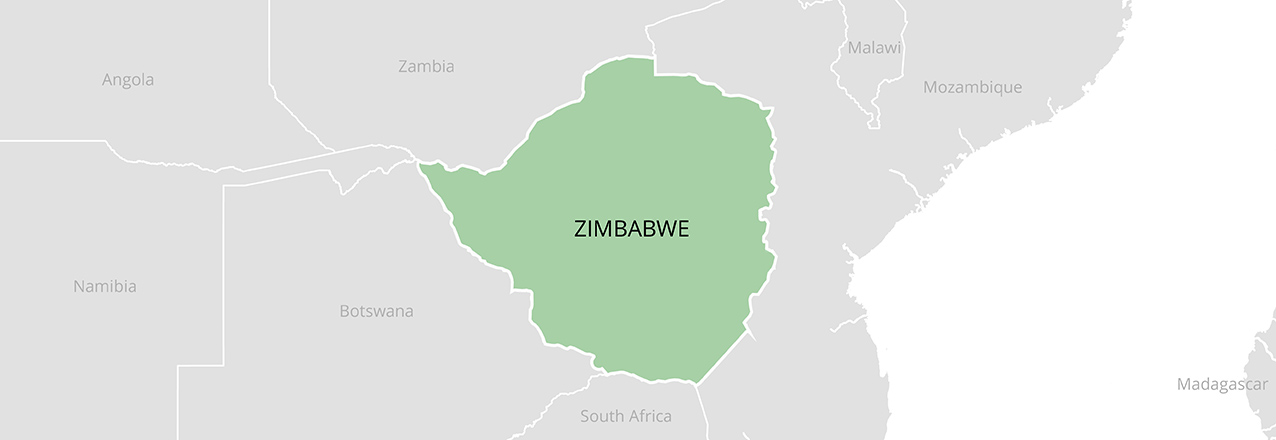
Overview
Zimbabwe’s land system combines communal land, private property, state land and land redistributed through resettlement programs. Land is central to farming, grazing, housing, forests and wildlife. Colonial dispossession and the post-independence struggle to redistribute land continue to shape the political economy of tenure.
The Constitution recognizes equitable access and protection against arbitrary deprivation of agricultural land rights. The Communal Land Act governs a different category of land, with statutory and customary institutions sharing roles. Formal guarantees and practical security do not always coincide.
History and Political Economy
Colonial land laws displaced African communities and reserved extensive fertile land for white settlers. Following independence in 1980, the state acquired land for resettlement, initially relying heavily on purchases. Progress fell short of demand, and the Fast Track Land Reform Programme beginning in 2000 rapidly redistributed farms formerly held largely by white commercial farmers.
Land reform changed the agrarian structure and created opportunities for many smallholders. Outcomes have differed among households and regions: research documents investment and production by some beneficiaries alongside losses to former owners and farmworkers, unequal allocation, weak services and political patronage. Land policy cannot be understood apart from state power, credit, markets and climate risk.
Legal Framework
Sections 17 and 80 of the 2013 Constitution address gender equality, while section 289 sets principles for equitable agricultural land allocation and security of use. Section 72 provides a distinct framework for agricultural land acquisition; its definition does not include communal land. These rules must be read with subsequent amendments and applicable legislation.
The Communal Land Act vests communal land in the President and regulates occupation and use. Rural district councils grant consent for agricultural and residential use subject to the Act, taking customary law into account and consulting the relevant chief. Vesting land in the state does not mean that residents lack rights of use or social claims.
Communal and Customary Tenure
Communal areas contain homesteads, fields, grazing lands, woodland, water points and sacred places. Households may hold recognized rights to particular fields while sharing pasture and other resources. Village leaders, chiefs and councils have different roles, and arrangements vary across communities.
In practice, access can depend on local membership, family relationships and the decisions of authorities. Women, young people, migrants and people returning after absence may face particular obstacles. A land allocation or boundary map that records only a household plot can omit shared grazing, paths and seasonal water access.
Resettlement and Tenure Reform
A1 resettlement generally accommodates smallholder farming, while A2 schemes provide larger commercial-oriented holdings. Beneficiaries have held different documents, including offer letters, permits and leases; each has distinct conditions. The lands ministry describes 99-year leases for eligible A2 beneficiaries and requirements including a valid offer and resolution of boundary or allocation disputes.
In October 2024 the government announced a move toward bankable, registrable and transferable documents for land reform beneficiaries and launched a title program in December, according to Treasury. The government’s 2026 strategy envisaged scaling up issuance. A policy decision or a projected beneficiary count is not evidence that every farmer has a deed, unrestricted transfer rights or a bank loan.
The design of a transferable tenure document matters: eligibility, costs, state consent, inheritance, permissible buyers and mortgage conditions determine what a holder can actually do. Access to finance also depends on banks’ acceptance of the instrument and farmers’ ability to service a loan. Any transition should protect existing occupants and provide ways to correct double allocations or challenge an adverse decision.
Land Administration and Data
The lands ministry, the Zimbabwe Land Commission, survey and deeds offices, rural district councils and traditional authorities have different responsibilities. Land audits and records can identify multiple allocations, underuse and boundary disputes, but the quality and accessibility of the underlying data matter.
Survey, validation, registration and financing are separate steps. Costs, disputed boundaries, missing documents and inconsistent records can slow implementation of tenure reform. Digital records can reduce duplication if residents can see, challenge and correct mistakes, including where a spouse or farmworker’s interest has been omitted.
Women’s Land Rights
The Constitution requires the state to take practical measures to ensure women’s equal access to resources including land, and invalidates practices that infringe constitutional rights. Women cultivate, manage livestock and support households in both communal and resettlement areas, but may hold land through a spouse or relative rather than in their own names.
Widowhood, divorce, inheritance disputes, application procedures and male-dominated local decision-making can undermine practical control. Joint documentation, accessible dispute resolution and meaningful participation in land institutions can help, but a document alone does not ensure control over production or income.
Agriculture and Food Security
Maize, small grains, tobacco, horticulture and livestock support rural livelihoods. A1 and A2 farmers differ in land area, capital, labor and market access; many families combine agriculture with wage work, trading or remittances. Farmworkers displaced or retained after redistribution have their own housing and livelihood needs.
FEWS NET’s 2026 outlook described an above-average national harvest alongside projected food gaps in deficit-producing areas. A national production increase does not mean that every household has enough food. Secure tenure needs to be accompanied by water, inputs, extension, roads and fair access to markets.
Output is sensitive to rainfall, financing, the availability of fertilizer and energy, and price incentives. Some resettled producers have invested in crops and livestock; others struggle with inputs, markets or uncertain documents. Assessing the reform requires attention to these differences rather than assuming a uniform result across all farmers.
Livestock and Shared Grazing
Cattle, goats and other livestock provide food, income, savings and draft power. Communal grazing areas and water points are especially important in drier regions. Seasonal movement and local agreements help households cope with variable rainfall.
Expansion of cultivation, fencing, mining and wildlife areas can change access to pasture and routes. Overcrowding and drought may degrade resources, but management decisions should account for unequal access to water, veterinary services and alternative livelihoods. Shared land should not be treated as unused merely because it is not under crops.
Land Conflict and Displacement
Disputes include overlapping allocations, inheritance, boundaries, evictions, land acquisition and competition between mining or conservation and local uses. Development-induced displacement has a long history, including the relocation of Tonga communities for the Kariba dam. The effects can persist through loss of fields, graves, fishing sites and community networks.
Consultation, notice, appropriate compensation and access to remedies matter for people with formal documents and those holding customary or secondary rights. Relocation should address water, land quality, employment and social ties, not only the construction of houses. Transparent records and impartial dispute resolution can help prevent repeated displacement.
Competing claims can persist even when land has been cultivated for years. Former owners, resettled farmers, farmworkers and neighboring communities may have different experiences of the same property. A settlement with one group does not by itself resolve every claim or ensure that displaced workers have access to housing and livelihoods.
Urban Land and Housing
Urban and peri-urban expansion has increased demand for serviced land and affordable housing. Informal subdivisions and transactions on state or communal land can leave residents without secure documentation, water, sanitation or roads. Multiple allocations and unauthorized sales also create conflicts.
Operation Murambatsvina in 2005 displaced many residents and destroyed homes and livelihoods, illustrating the consequences of demolition without durable alternatives. Planning and regularization should provide transparent procedures, protect tenants and occupants, and link secure tenure to infrastructure and risk reduction.
Water and Fisheries
Rivers, dams, groundwater and wetlands support irrigation, livestock, fisheries and households. Access is uneven, and drought, pollution and competing demand can reduce supplies. Water infrastructure can increase production but may also affect downstream users or displace communities.
Water allocation and land tenure are related but distinct. Planning should include upstream and downstream users, maintain water quality and account for the needs of women who collect water and people whose livelihoods depend on fishing. Agreements should specify how disputes and maintenance are handled.
Forests and Wildlife
Woodlands provide fuel, timber, fruit and habitat, while wildlife and tourism can generate revenue. Communities may live alongside protected areas and wildlife corridors and bear costs from crop damage, livestock losses and restrictions on resource use.
Community-based wildlife management has sought to connect local benefits with conservation. Its effectiveness depends on who controls decisions and revenue, whether benefits reach households, and how conflicts with wildlife are addressed. Forest and wildlife rights should be considered together with grazing, agriculture and customary access.
Baobab, woodland products and fuelwood are valuable to households beyond the cash income recorded from timber or tourism. Restrictions on access may shift burdens onto women and poorer residents. Community management works best when local users can participate in setting rules and receive clear information about revenues, responsibilities and the duration of agreements.
Climate and Carbon
Drought, floods and heat affect crops, pasture, water and housing. FAO reported in October 2026 that government and partners were strengthening drought preparedness for the 2026–2027 season. Forecasts are probabilities, not a guarantee of a particular harvest.
The Carbon Trading Regulations of 2025 establish procedures for carbon projects and a national registry. Land and resource rights, community participation, benefits, monitoring and remedies must be addressed in each project. A carbon agreement or issued credit does not automatically resolve underlying tenure disputes.
Mining and Minerals
Gold, platinum, diamonds, lithium and other minerals generate employment and export earnings. Mining rights and rights to occupy or use the surface are distinct. Operations can affect grazing, fields, water and settlement, and artisanal miners face different risks from large companies.
Environmental assessment, meaningful participation, fair compensation and rehabilitation are important throughout a project’s life. Disclosure of a mining title does not establish that all affected users have been consulted or that environmental obligations are being met. Women and informal workers may experience impacts and benefits differently.
Investment and Compensation
Land-based investment depends on clear authority to allocate land, reliable boundaries, adequate water and agreements with affected users. Arrangements should specify the period, payment, employment, environmental responsibilities and dispute resolution, including what happens if a project ends.
The 2020 Global Compensation Deed addresses compensation to eligible former farm owners for improvements on acquired farms. Treasury’s 2024 communiqué also distinguishes claims involving bilateral investment agreements. The IMF reported progress in 2026; an agreement, an approved claim, a bond issued and a fully paid claim are different stages.
Sources
Law and institutions: Constitution; Communal Land Act; Lands ministry on leases; 2025 carbon trading regulations.
Reform and implementation: Treasury annual review; Treasury compensation communiqué; IMF staff report.
Food and climate: FEWS NET food security outlook; FAO drought preparedness.
Update Log
October 2026: Updated communal tenure, the government’s land tenure program, women’s rights, compensation, food security and the 2025 carbon regulations.
Confidence Assessment
Confidence is highest in the cited legal texts and dated institutional reports. Land allocations, customary practice, document issuance and compensation vary by place and individual case. The rights attached to a particular holding depend on its governing instrument and circumstances.