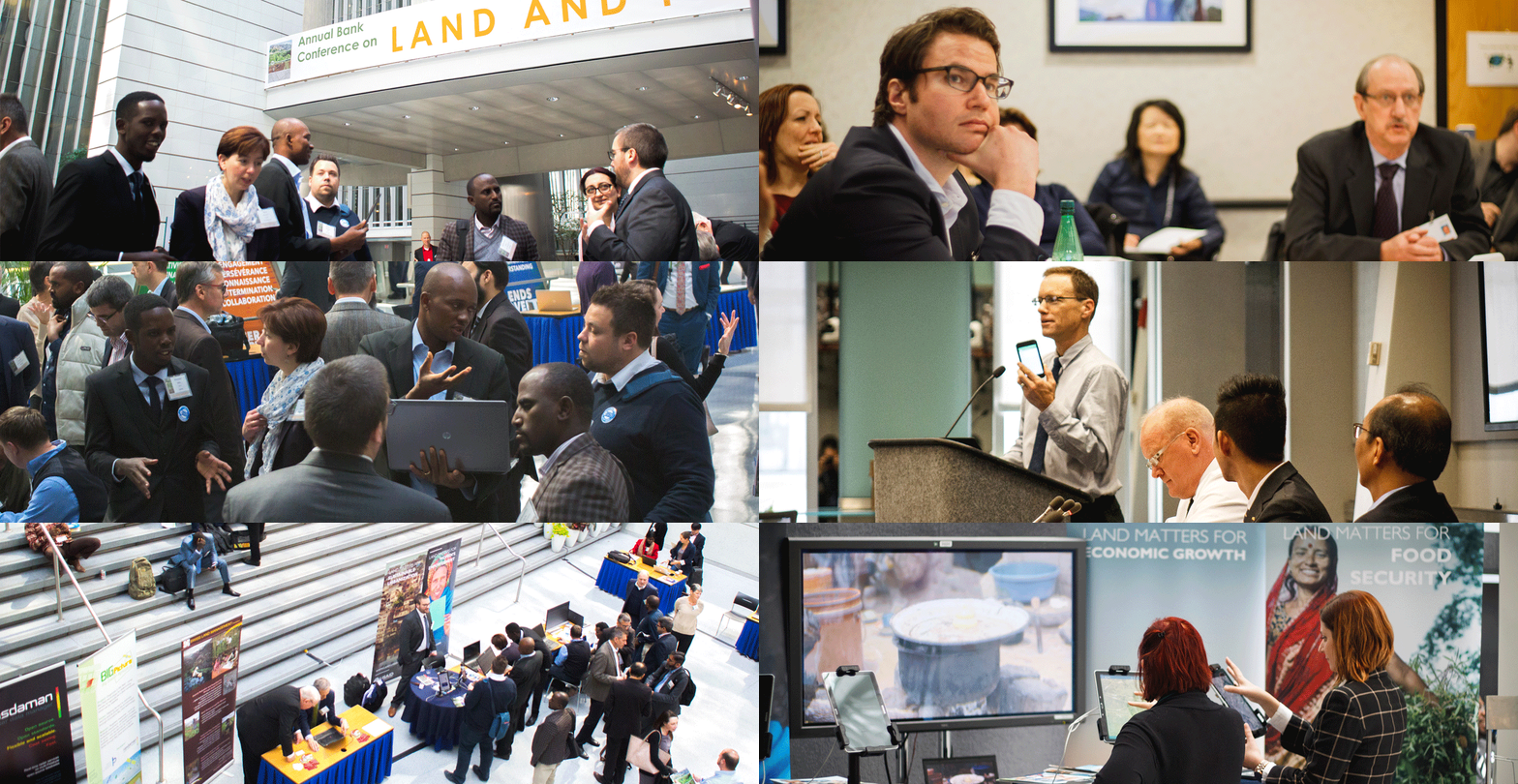
World Bank Land and Poverty Conference 2018

The World Bank Conference on Land and Poverty has become one of the largest international events on land governance. It brings together over 1,200 participants from across the globe—including representatives from governments, academics, civil society, and the private sector—to discuss new research, innovations, practices, and policies to strengthen land and resource governance.

USAID’s Agenda and Presentations

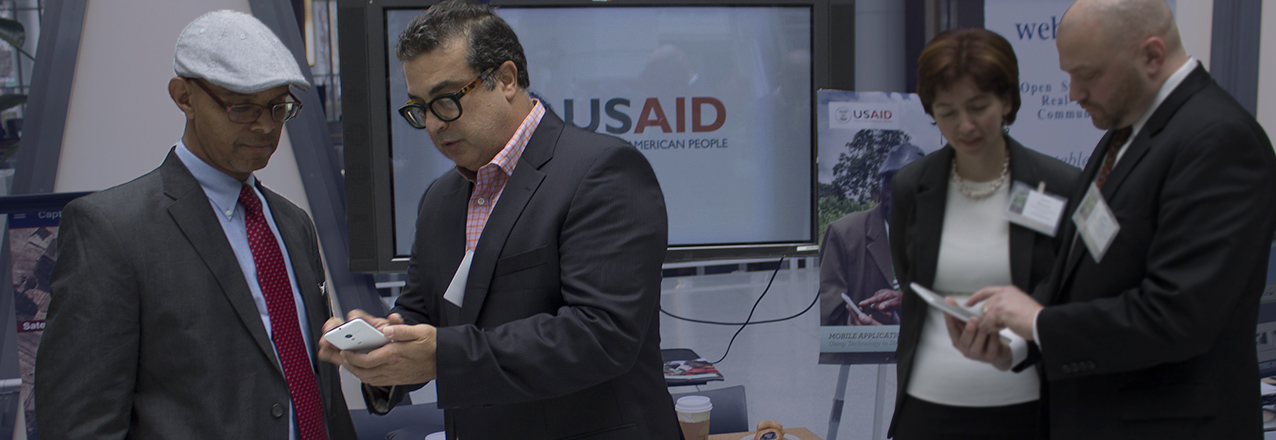
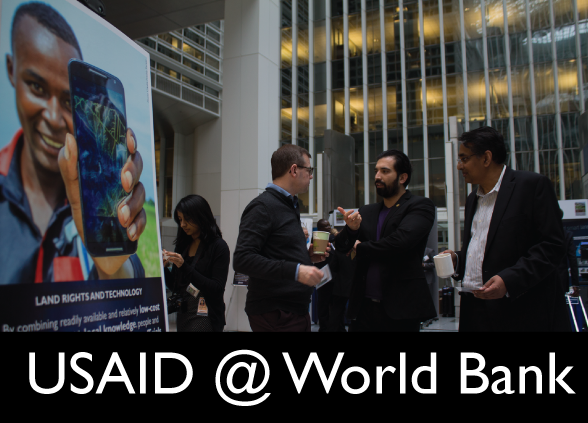
Attending the conference? Make sure to stop by USAID’s booth in the Atrium anytime during the week to say hi and have a hands on demonstration of the mobile technology powering USAID’s Mobile Applications to Secure Tenure. You can also sign up for E3/Land’s newsletter and register for the Land Tenure and Property Rights MOOC! USAID’s work will be featured in presentations throughout the conference. Please note that the schedule is subject to change.
Tuesday, March 20
Wednesday, March 21

Perspectives

The Business Case for Land Rights, Part II: Private Sector Perspectives on Responsible Land-Based Investment Webinar

Join USAID LandLinks, Marketlinks and Agrilinks for the second webinar in a three-part series examining the constraints and opportunities surrounding property rights and responsible land-based investment (the first webinar took place in October with The Hershey Company and ECOM Agroindustrial Corporation).

Understanding and mitigating property rights risks associated with agribusiness, forestry, energy or other investments around the world is an often underappreciated component of investment decisions. USAID is working to support private sector partners to de-risk investments and secure legitimate land and property rights in order to improve livelihoods and other outcomes for communities affected by investments.

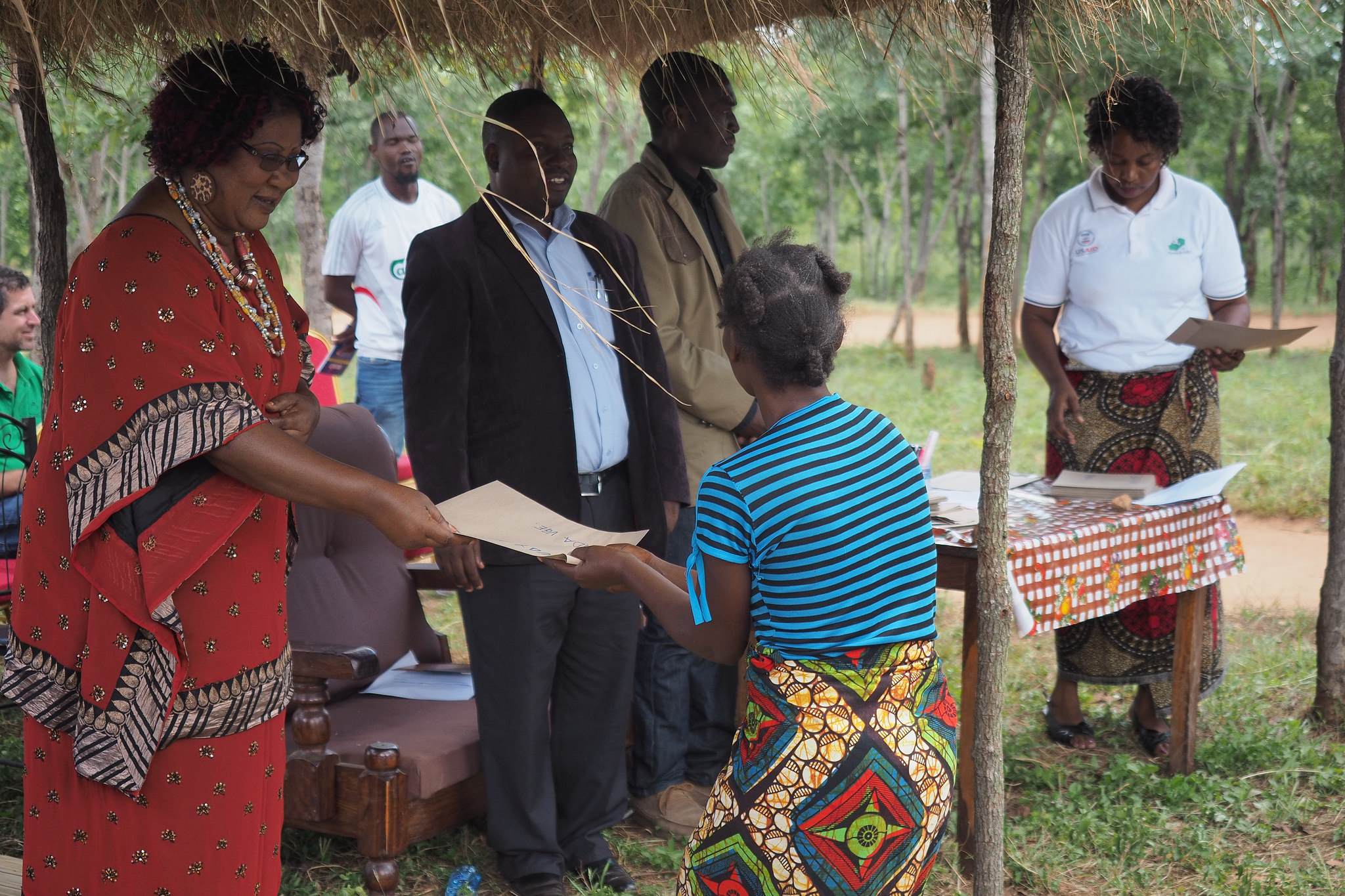
This webinar will discuss lessons learned from pilot activities in Mozambique where USAID’s Public Private Partnership for Responsible Land-Based Investment Pilot is working with Illovo Sugar, Ltd., Indufor, N.A., and Terra Firma to meet corporate commitments on land governance by improving land tenure security around their Maragra plantation. The pilot focused on sensitization, participatory mapping, verification of plot boundaries, certification, and application for government-issued rights of occupancy and use, as well as the development of a grievance mechanism for Illovo.

With a better understanding of local land conditions, land conflict, and who within communities are legitimate rights’ holders, investors, including USAID partners, will be better equipped to develop sustainable projects – ones that help to grow local economies, enhance resilience, and make investments more sustainable and profitable in the long run. Larry Riddle, Kate Mathias and Felizardo Mogole will be representing Illovo Sugar Ltd., with Sarah Lowery (USAID) moderating.

Thursday, March 8, 2018
9:00 – 10:00 am EST

Watch the Recorded Webinar!

Panelists

Larry RiddleLarry Riddle

Group Corporate and External Affairs Director at Illovo Sugar, Ltd.

After qualifying as a Chartered Accountant, Larry joined Illovo Sugar in 1986. His current role is Group Corporate and External Affairs Director but has also held a number of senior management positions within Illovo. He was appointed to the Board in April 2009 as Commercial Director. Prior to that he was General Manager with overall responsibility for the South African operations and was also appointed member of the Group Executive Committee in March 2005. He is a past Chairman of South African Sugar Millers Association.

Kate MathiasKate Mathias

Group Development Consultant at Illovo Sugar, Ltd.

Kate Mathias is an independent agri-business and development consultant with over 18 years’ professional experience working in developing countries, particularly in the sugar industry and with other commercial crops grown in sub-Saharan Africa. Kate has been working with Illovo Sugar Africa Limited, the largest sugar processing company in Africa for more than 17 years, based previously in Tanzania and Malawi she is now located in the UK. Kate initially focused on smallholder development and community engagement, and more recently has expanded her focus to incorporating a human rights-based approach into the supply chain. Kate has been working closely with Illovo as Group Development Consultant to develop and implement its Land Guidelines and Land Road Map to ensure good governance in the area of land tenure, engaging with multiple stakeholders and sharing lessons and challenges across a wide range of platforms. Her scope of work at Illovo also includes developing and implementing a range of programs to address the challenges of climate change, child labour, living wage and promoting other social development initiatives across the group.

Felizardo MogoleFelizardo Mogole

Sustainability & Development Manager at Illovo Sugar, Ltd.

Felizardo is a communications professional with more than ten years’ work experience in industry in a range of roles from Sales & Distribution of FMCG, Communication for Behaviour Change in the field of Social Marketing and Community Development, and currently holds the position of Sustainability & Development Manager at Illovo Sugar Africa’s Mozambique operation, Maragra Açúcar, SA in Manhiça District, Maputo Province. Felizardo holds a BA in Applied Linguistics and has undertaken a wide range of professional development courses to enhance his management skills. Felizardo has been instrumental in the design and implementation of a wide range of community development and sustainability initiatives at Maragra and is the company land champion responsible for the implementation of the company land rights guidelines.

Discussion Moderator

Sarah LowerySarah Lowery

Economist and Public-Private Finance Specialist, USAID E3/Land and Urban Office

Ms. Lowery leads work on integrated finance for sustainable land use and responsible private sector investment. She focuses on the link between secure land tenure and inclusive economic growth and leads econometric and financial analysis related to strengthened land tenure and access to finance. Ms. Lowery holds an MBA and a master’s degree in Environmental Management from Yale University.

Ms. Lowery brings over 12 years of experience at the intersection of business, finance and the environment. Prior to joining USAID, Ms. Lowery managed the Public-Private Co-Finance Initiative at Forest Trends and has authored several papers and thought-pieces on climate finance innovations like REDD+ bonds and ways to utilize climate finance to unlock larger pools of capital-like domestic agricultural finance in the pursuit of conservation goals.

Mangrove Forest Restoration and Management: Social & Governance Dimensions

Join USAID LandLinks and a panel of experts, for an interactive online discussion on Mangrove Forest Restoration and Management: Social and Governance Dimensions, Thursday, February 15, 2018, starting at 9:00 am EST.

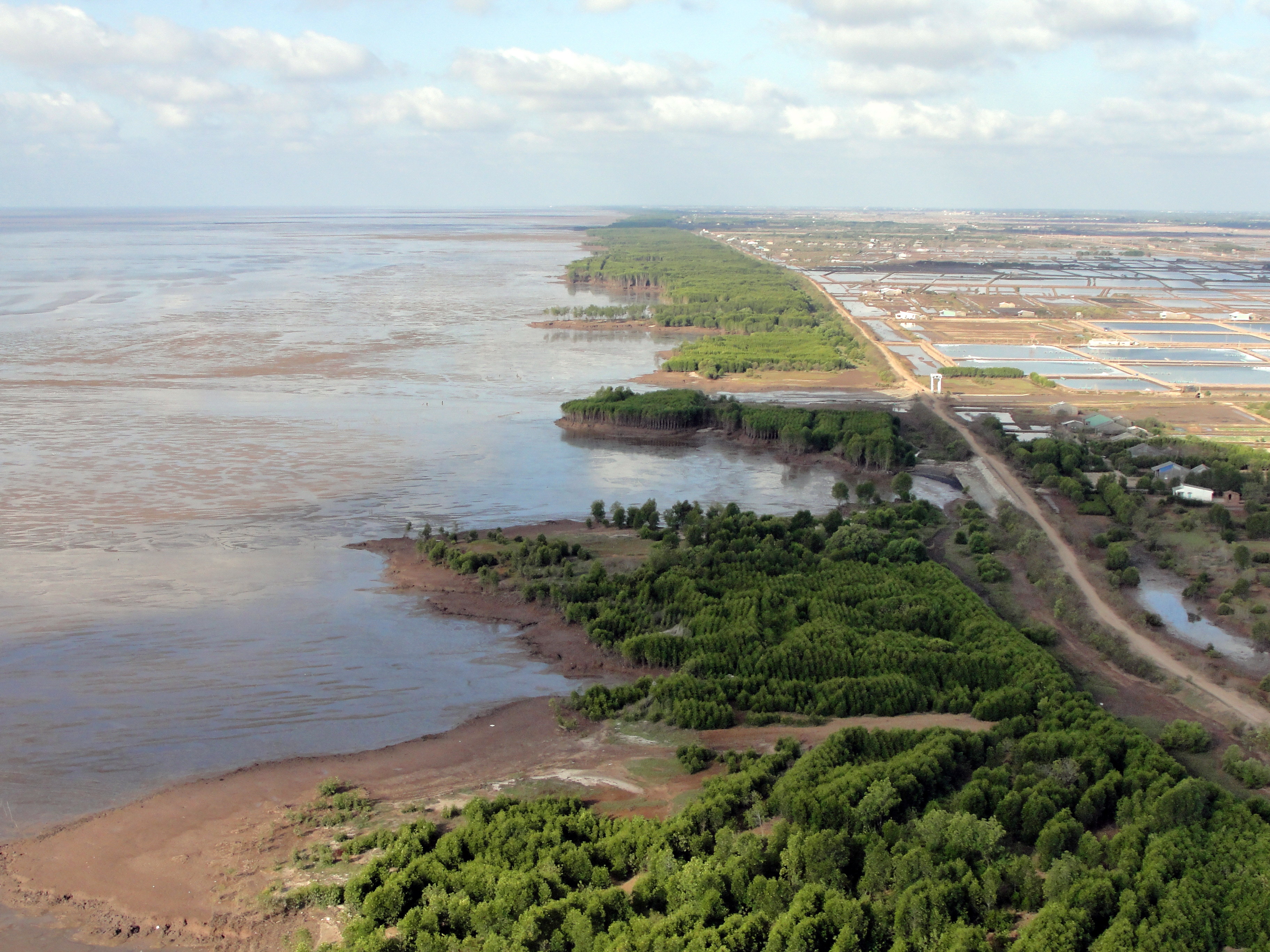
Mangrove activities have primarily focused around the biophysical and ecological dimensions of mangrove planting and protection; while the social dimensions of mangrove restoration, including governance and tenure arrangements, have largely been left on the margins. This webinar will open the conversation about the preconditions that are necessary to successful mangrove management, and provide a learning space that encourages broad participation and discussion between USAID missions, implementing partners and the global community of mangrove experts.

Hear perspectives on these important #landmatters from mangrove experts in the field, including:

  • Global Study of Mangrove Governance: Dr. Esther Mwangi from the Center for International Forestry Research (CIFOR);
  • Vietnam Coastal Spatial Planning and Mangrove Management Experiences: Dr. Nayna Jhaveri from USAID-funded Tenure and Global Climate Change project;
  • Ghana Coastal Sustainable Landscapes Experiences: Dr. Steve Dennison from United States Forest Service (USFS); and
  • Mozambique USAID-funded Coastal City Adaptation Project (CCAP) Experiences: Dr. Salomao Bandeira, Olanda Bata and Casimiro Antonio.

WEBINAR DETAILS

Thursday, February 15, 2018
9:00-10:30am EST
Register / Join Now

Moderator:

Stephen Brooks, Land Tenure and Resource Governance Advisor, USAID E3/Land and Urban Office

Panelists:

Esther Mwangi (CIFOR); Nayna Jhaveri (USAID-funded TGCC project); Dr. Steve Dennison (USFS Coastal Sustainable Landscapes Project); Dr. Salomao Bandeira, Olanda Bata and Casimiro Antonio (USAID-funded Coastal City Adaptation Project).

The Business Case for Land Rights: Private Sector Perspectives on Responsible Land-Based Investment Webinar

USAID LandLinks is working to support private sector partners to de-risk investments and secure legitimate land rights in order to improve livelihoods and other outcomes for communities affected by investments. Join us, along with Agrilinks, Microlinks, and a panel of experts, for an interactive online discussion on the Business Case for Land Rights: Private Sector Perspectives on Responsible Land-Based Investment.

Secure, clear land rights are critical for sustainable land-based investments. But in the developing world, where an estimated 70 percent of land is unregistered, it can be challenging to understand who has legitimate land and resource rights, and land grabs and land rights abuses are often associated with commercial investments.

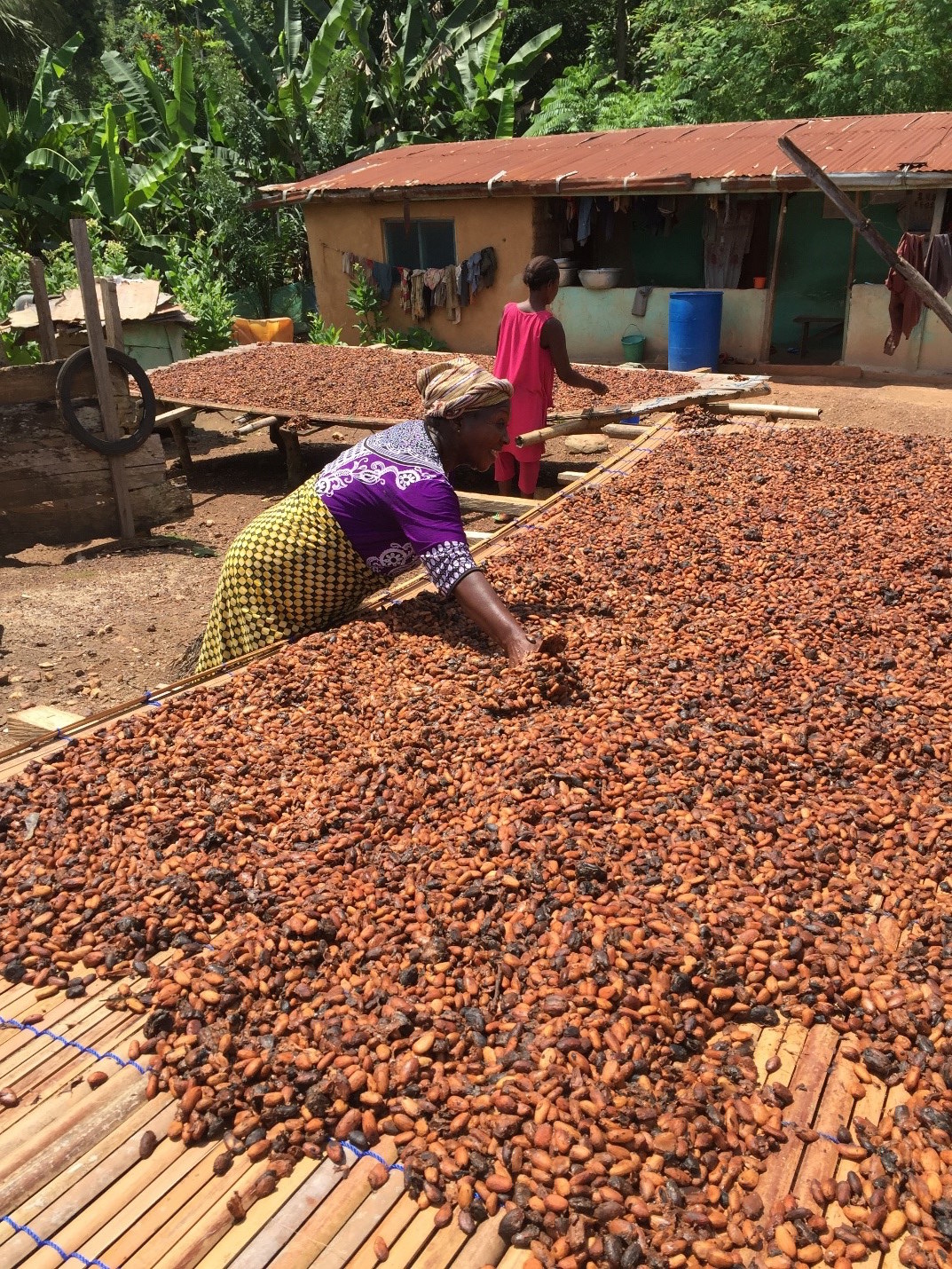
Featuring USAID partners, The Hershey Company and ECOM Agroindustrial Corporation, this webinar will explore how these companies think about and address land tenure risks in their supply chains. We will also delve into why and how these two companies are working with USAID to mitigate land tenure risks for their suppliers and increase cocoa yields in Ghana. Olga Gormalova (ECOM Agroindustrial) and Jeff King (Hershey’s) will be speaking, with Sarah Lowery (USAID) moderating.

Thursday, November 2, 2017
2:00 – 3:00 pm EDT

Watch the webinar recording!

You can also connect on Twitter using the hashtag #BusinessCase4Land.

Panelists

Jeff KingJeff King

Senior Director of Sustainability, CSR, and Social Innovation for the Hershey Company

Jeff King is responsible for Hershey’s sustainability and farmer livelihoods programming, philanthropic giving and community programs, as well as leading Hershey’s commitment to childhood nutrition programs and expanding economic development in underserved communities. Prior to this position King was responsible for the strategic direction and regional execution for the Hershey Company’s two biggest franchises, as the Sr. Director Global Hershey and Reese’s. Additionally, he led Hershey’s new business model in Ghana that combines CSR activities with commercial development, specifically supporting the health and nutrition of Ghanaian children and the launching of a new, nutrition focused snacking brand in Africa.

King has also been the Director of Disruptive Innovation for The Hershey Company, and Sr. Brand Manager for the U.S. Reese’s Franchise. King joined the Hershey Company in 2008 from Procter and Gamble and also spent time in merchandise retailing at Victoria’s Secret and Lazarus Department Stores.

Olga GormalovaOlga Gormalova

General Manager, ECOM Agroindustrial’s Sustainable Management Services Ghana and Nigeria

Olga Gormalova has overseen sustainability programs of ECOM in Ghana and Nigeria since 2012. Olga comes from an international development background (MSc International Development – School of Oriental and African Studies (SOAS), University of London, UK) and has been working on health, education, and community development in the UK, India, Kenya, and Liberia since 2007. She is passionate about finding the most efficient and innovative solutions to deliver services to rural populations with an aim of improving their prosperity. In Ghana and Nigeria she has been overseeing a team of more than 160 staff, of which 130 are field based Agronomists.

ECOM Agroindustrial Corp. Ltd is a leading global commodity merchant and sustainable supply chain management company. As an origin-integrated business operating in over 40 major producing countries worldwide, ECOM focuses primarily on coffee, cotton, and cocoa, as well as participating in selected other agricultural product markets.

Discussion Moderator

Sarah LowerySarah Lowery

Economist and Public-Private Finance Specialist, USAID E3/Land and Urban Office

Ms. Lowery leads work on integrated finance for sustainable land use and responsible private sector investment. She focuses on the link between secure land tenure and inclusive economic growth and leads econometric and financial analysis related to strengthened land tenure and access to finance. Ms. Lowery holds an MBA and a master’s degree in Environmental Management from Yale University.

Ms. Lowery brings over 12 years of experience at the intersection of business, finance, and the environment. Prior to joining USAID, Ms. Lowery managed the Public-Private Co-Finance Initiative at Forest Trends and has authored several papers and thought-pieces on climate finance innovations like REDD+ bonds and ways to utilize climate finance to unlock larger pools of capital-like domestic agricultural finance in the pursuit of conservation goals.

Land and Conflict Webinar

Join USAID LandLinks and a panel of experts for an interactive online discussion on land and conflict. Around the world, concerns related to access to and development of land and resources, equitable use of valuable resources, and distribution of revenues associated with land and resource use drive disputes and violence. These diverse and widespread conflicts are often tied to weaknesses in the land sector—particularly to problems associated with land governance. Finding practical, actionable strategies to address these land-related conflicts can help to promote greater transparency, accountability, and resilience; and reduce conflict and support for violent extremism.

Did you miss the live webinar? View the recording here.

You can also connect on Twitter using the hashtag #LandAndConflict and check out this brief on Land and Conflict before the event.

Discussion Moderator
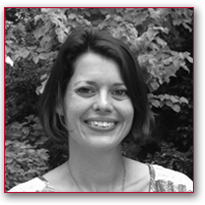
Kim ThompsonKim Thompson

USAID’s Office of Conflict Management and Mitigation, Bureau for Democracy, Conflict and Humanitarian Assistance

Kim Thompson is a Foreign Service Environment Officer at the U.S. Agency for International Development (USAID) and currently serves in the Office of Conflict Management and Mitigation in Washington, DC. She specializes in the linkages between natural resources and conflict. Kim has served overseas at USAID Missions in the Democratic Republic of the Congo (DRC) and Thailand. Prior to joining USAID, she worked at the World Resources Institute and the International Sustainable Development Studies Institute. She holds an MA in Environmental Policy and International Development from the London School of Economics.

Panelists
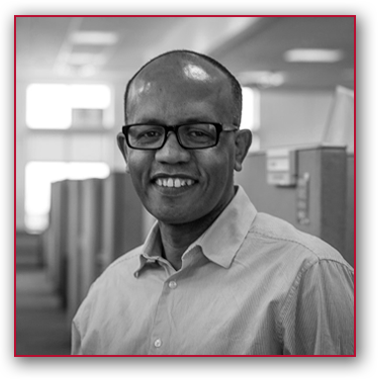
Zemen Haddis, PhDZemen Haddis, PhD

Senior Agricultural Policy Advisor, USAID/Ethiopia

Dr. Haddis manages USAID’s LAND project, which focuses on the land rights formalization process in Chifra and Amibara woredas (administrative zones similar to counties) in Afar, Ethiopia. The project works with pastoral communities in Ethiopia to support the formal recognition of customary land rights and strengthen the capacity of formal and customary pastoral land administration and land use institutions.
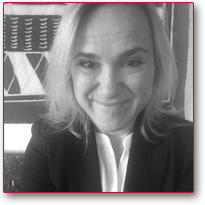
Anna KnoxAnna Knox

Chief of Party, USAID/Colombia’s Land and Rural Development Program

Anna Knox is currently serving as the Chief of Party for the USAID Land and Rural Development Program (LRDP) in Colombia for Tetra Tech ARD, supporting land restitution, land tenure formalization, and rural development. She previously led a USAID project in Rwanda that contributed to an evidence-based approach to policy-making on land and aims to strengthen the capacity of Rwandan research institutions to carry out rigorous policy research. Prior to this, she directed Landesa/RDI’s program in Sub-Saharan Africa where she directly engaged in work in Liberia, Rwanda, Angola, Ghana, Mali, and Burkina Faso. She has extensive experience working on USAID projects, particularly task orders issued under the Property Rights and Resource Governance Program and its predecessor. Beyond her work on project design and implementation, Ms. Knox has done research and published on a wide variety of subjects, including bridging customary and statutory land rights, gender and land rights, land/natural resource tenure and climate change, property rights and technology adoption, devolution of natural resource governance, collective action for watershed management, and participatory monitoring and evaluation. Her experience in land and resource tenure relates principally to Africa and Latin America, where she has cultivated particular expertise on issues of customary tenure, common property, governance of landscape level resources, women’s land and housing rights, and land tenure reform. She has designed and implemented assessment methodologies for resource tenure and governance, and is particularly knowledgeable on methods and issues of participatory rural appraisal (PRA), monitoring and evaluation (M&E), and impact assessment.
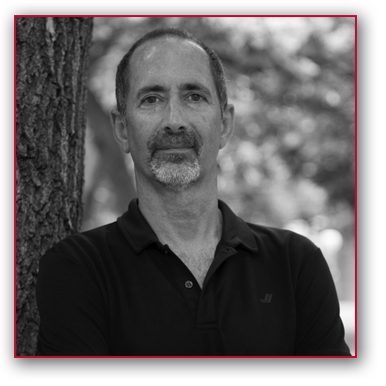
Jon Unruh, PhDJon Unruh, PhD

Associate Professor, McGill University

Dr. Unruh has over 25 years experience in developing and implementing research, policy and practice on war-affected land and property rights in the Middle East, Latin America, Africa, and Asia, and has published widely on these topics. His specialty is housing, land, and property (HLP) restitution claims in war-affected scenarios. Most recently he has assisted the UN in a mass claims HLP restitution project in Yemen; and he is currently working on an approach for mass HLP restitution claims for Syrian refugees regarding their lands and properties in Syria. Dr. Unruh has also conducted research and policy work regarding HLP in, Sudan, Liberia, Somalia, Mozambique, East Timor, Sierra Leone, Ethiopia, Uganda, Zambia, Malawi, Madagascar, Cambodia, Angola, Cameroon, Jordan, Colombia, Peru, Zanzibar, Kenya, and Saudi Arabia, and remotely on Syria, Iraq and Afghanistan. He has worked with the UN, The World Bank, USAID, DFID, and other multilateral and bilateral donors and NGOs.


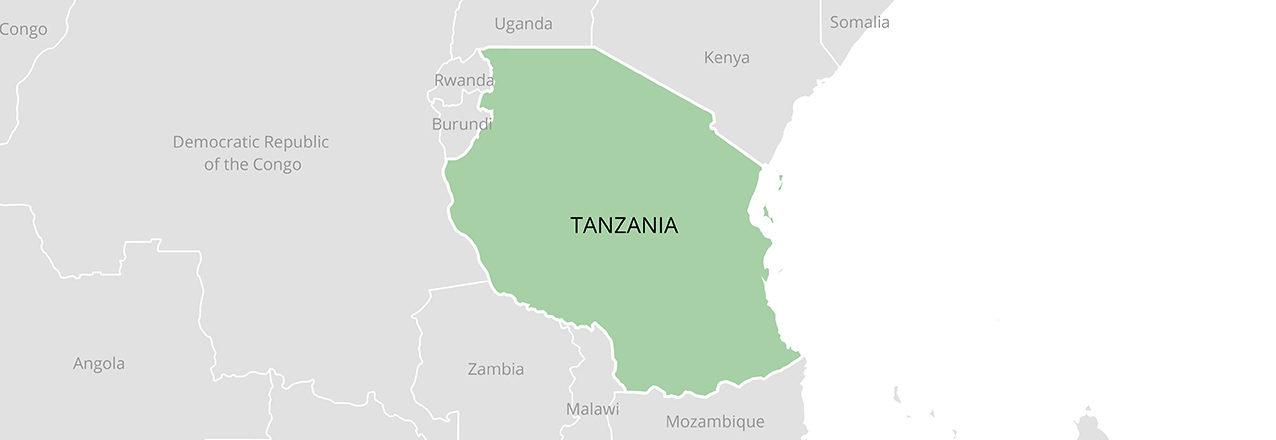
Webinar on Land Tenure in Tanzania

Click here to view the webinar

Join USAID LandLinks, the Global Donor Working Group on Land, and the FAO for an online event exploring land tenure and property rights in Tanzania. This webinar will be presented by the primary author of USAID’s updated Tanzania Land Tenure Country Profile, Dr. Maureen Moriarty-Lempke.

Join the discussion live on Wednesday, May 24 at 8 am EDT (3 pm East Africa Time Zone) and connect on Twitter using the hashtag #countrybycountry as well.

Check out USAID’s updated Tanzania Land Tenure Country Profile and the Global Donor Working Group on Land’s one-pager on Land Governance in Tanzania.

Stay tuned following the Tanzania discussion for a 15-minute overview of the Voluntary Guidelines on the Responsible Governance of Tenure of Land, Fisheries, and Forests in the Context of National Food Security (VGGT), presented by The Cloudburst Group’s Karol Boudreaux.

Did you miss the first country profile webinar on Kosovo? View the recorded webinar here.

Discussion Moderator

Maureen Moriarty-Lempke, PhDMaureen Moriarty-Lempke, PhD

Independent Land Tenure and Property Rights Specialist

Dr. Lempke specializes in land tenure and property rights issues in conflict-affected areas, including Afghanistan, Haiti, Kosovo, Liberia, Sri Lanka, Tanzania, and Ukraine. She served as a visiting lecturer at Duke University’s Program in International Development Policy, teaching courses related to land, conflict and conflict mitigation and the connection between land tenure, property rights and issues including food security, climate change, natural resource management and urban informal development.

VGGT Presenter

Karol BoudreauxKarol Boudreaux

Land Tenure and Natural Resource Management Practice Lead, The Cloudburst Group

Ms. Boudreaux is the Land Tenure and Natural Resource Management Practice Lead at The Cloudburst Group. She is a lawyer and land tenure expert with two decades of experience in the field and as a researcher. Ms. Boudreaux also served as USAID’s Africa Land Tenure Specialist. Before joining USAID, she was an instructor and assistant dean of George Mason University’s School of Law. She has conducted research in ten African countries and has published widely.

World Bank Land and Poverty Conference 2017

The World Bank Conference on Land and Poverty has become one of the largest international events on land governance. It brings together over 1,200 participants from across the globe—including representatives from governments, academics, civil society, and the private sector—to discuss new research, innovations, practices, and policies to strengthen land and resource governance.

At this year’s conference, LandLinks will be highlighting how USAID is advancing new frontiers in:

Latest from the Frontiers

Look for US[AID]

Attending the conference? Make sure to stop by USAID’s booth in the Atrium anytime during the week to say hi and have a hands on demonstration of the mobile technology powering USAID’s Mobile Applications to Secure Tenure. You can also sign up for E3/Land’s newsletter and register for the Land Tenure and Property Rights MOOC! USAID’s work will be featured in the following presentations and innovation fair from Monday, March 20 to Thursday, March 23, 2017.

Agenda and Presentations

Subject to Change

Monday
  • Panel Discussion: Accountability – An Innovative Tool for Land Governance Issues
    Presentation: Private Sector’s Experience Addressing Land Issues
Tuesday
Wednesday
Thursday

Social Media

Follow @USAIDEnviro on Twitter and the hashtag #LandConf2017 for updates leading up to and during the conference. Want to join the conversation? Take a look our social media toolkit as well as the images below and feel free to use them and make sure to tag @USAIDEnviro!

Artisanal Mining, Property Rights, and Development

Join USAID LandLinks and leading experts in artisanal mining for an interactive online discussion about the challenges faced by small-scale and artisanal miners around the world, as well as emerging lessons from global development programs that work with artisanal mining communities across different sectors.

Watch the Webinar

While in the U.S. the term ‘artisanal’ is generally associated with high-quality, specialty products, the reality for small-scale miners in the developing world is vastly different. Worldwide, between 20 and 25 million artisanal miners labor under generally archaic and difficult working conditions. Many live in extreme poverty, often receiving less than nine percent of the retail price of the stones they extract. The production and commercialization of minerals has driven conflict in countries like Angola, the Democratic Republic of the Congo, Liberia, Peru, and Sierra Leone with property rights struggles often at the core of these conflicts.

This online event will explore the key issues around artisanal mining, including its relationship to land rights, conflict, economic growth, as well as how artisanal mining may have devastating environmental consequences. And we’ll delve into how local and regional contexts for different mining commodities—such as diamonds and gold—may change how development practitioners address issues faced by artisanal communities. Register today to attend this event.

Join the discussion live on Tuesday, December 13 at 10 am EST and connect on Twitter using the hashtag #ArtisanalMining.

Moderator

Jane Dennison
U.S. Department of State

Panel

Kim Thompson
USAID/DRC

Catherine Picard, PhD
Tetra Tech/ARD

Maina Martir-Torres, PhD
USAID/Peru

Webinar Wednesday: Land Tenure in Kosovo

Join USAID to learn more about land tenure and property rights country by country, starting with Kosovo. In this 30 minute webinar we will examine land tenure and property rights in Kosovo, and explore USAID’s recently updated Land Tenure Country Profile for Kosovo with Dr. Maureen Moriarty-Lempke, the country profile’s primary author.

Join the discussion live on Wednesday, November 9 at 9 am EST (3 pm Kosovo Time GMT+2) and connect on Twitter using the hashtag #countrybycountry as well.

Discussion Moderator

Maureen Moriarty-Lempke, PhDMaureen Moriarty-Lempke, PhD

Independent Land Tenure and Property Rights Specialist

Dr. Lempke specializes in land tenure and property rights issues in conflict-affected areas, including Afghanistan, Haiti, Kosovo, Liberia, Sri Lanka, Tanzania, and Ukraine. She served as a visiting lecturer at Duke University’s Program in International Development Policy, teaching courses related to land, conflict and conflict mitigation and the connection between land tenure, property rights and issues including food security, climate change, natural resource management and urban informal development.

This event has ended, but the recorded webinar is available below under “Learn More.”

Property Rights and Artisanal Diamond Development (PRADD) Brown Bag

On Wednesday August 7th, 2013 USAID hosted a Brown Bag with Dr. Catherine Picard, Environment and Natural Resource Officer for the Bureau of African Affairs at the U.S. State Department; Pete Chirico, Research Geographer at the US Geological Survey; and Tim Fella, Land Tenure and Conflict Specialist within the Land Tenure and Property Rights Division at USAID. In cooperation with the State Department and USGS, USAID provides support to the US Government on the Kimberley Process; an initiative intended to eliminate trade in conflict diamonds. USAID recently concluded the PRADD project; an activity designed to reduce conflict, strengthen property rights and improve livelihoods of artisanal miners, and is finalizing plans for a follow on activity. The Brown Bag focused on the PRADD activities in Liberia, Guinea, Cote d’Ivoire and the Central African Republic, as well as on the support provided to the Kimberley Process and the collaborative efforts of multiple USG entities.

Presentations:

USGS Diamond Assessment Project Scientific Investigation’s Reports (SIRs)

USGS Project Publications on Alluvial Deposit Modeling