
PHOTO CREDIT: Orlando Sierra/AFP
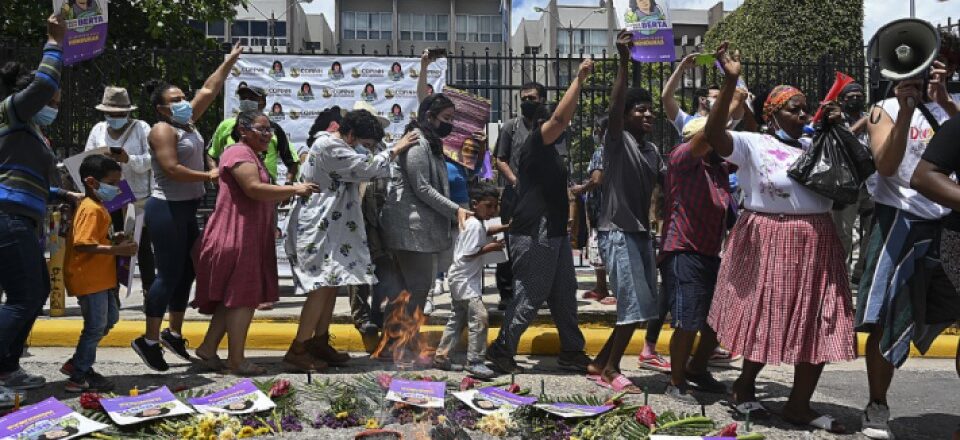
On January 7th of this year, environmental defenders Aly Domínguez and Jairo Bonilla were shot dead by unidentified gunmen on the street in Guapinol, Honduras. Activists and the U.N. special rapporteur on human rights immediately called for an investigation to determine if the killings were retaliation for Domínguez and Bonilla’s activities protesting a nearby mine. Though it’s too early to know the motives in this case, we’ve seen extreme violence against environmental defenders before, both in Honduras and around the world, and I join the calls for an independent investigation.
Just last June, the world was shocked by the dual assassination of Dom Phillips, a British journalist, and Bruno Araújo Pereira, a Brazilian environmental defender and advocate for the country’s most isolated and vulnerable Indigenous communities. Before his death, Pereira had received frequent death threats–most recently from fishermen who illegally encroached on Indigenous territories in the Amazon. The incident put a global spotlight on the risks faced by the courageous people who fight to protect land, water, forests–and the cultural ways of life built on and around them. Brazilian authorities conducted an extensive investigation and ultimately charged three men with murder, but the case underlined a hard truth: institutions worldwide often do too little, too late to protect environmental defenders.
Environmental defenders–defined as those who “take a stand and peaceful action against the unjust, discriminatory, corrupt, or damaging exploitation of natural resources or the environment”–are on the frontlines of ecological and social justice. They can be members of local communities, conservation and forest monitors, environmental activists, human rights advocates, religious leaders, journalists, lawyers, or youth leaders. Many are women or Indigenous, and these groups suffer disproportionate amounts of violence. In 2021, Indigenous People were subject to over 40 percent of fatal attacks against environmental defenders, even though they make up only five percent of the world’s population. That’s not a coincidence; these are precisely the groups who are most affected by the loss of livelihoods, social support networks, sacred spaces, and cultural identities caused by environmental dispossession and destruction.
The assassination of Pereira–and now potentially of Domínguez and Bonilla–is among the latest in a tragic string of environmental defenders killed for taking a stand against powerful companies, governments, and other interests. Perhaps the most well-known was Berta Cáceres, an internationally renowned Lenca Indigenous leader and environmental defender in Honduras. Cáceres was murdered in her home by hitmen on March 3, 2016 after having received at least 33 prior death threats. In a rare instance of having masterminds rather than the people pulling the trigger facing prosecution, the president of Desarrollos Energeticos Sociedad Anonima (DESA), a hydroelectric company whose efforts to build a dam on Lenca Indigenous lands Cáceres opposed, was convicted of ordering her murder after a sustained international campaign demanding justice. And yet, in the six years since Cáceres’s murder, the plight of environmental defenders has become even more precarious.
Between 2002 and 2022, Global Witness, the organization I led from 2014-2019, identified more than 2,100 documented killings of land and environmental defenders. In 2020 alone there were 227 reported killings, a rate of nearly five per week. It was the worst year on record. The actual number of murders is likely significantly higher given the burden of proof required to connect a murder to earth and land defense. And, as John Knox, the former UN Special Rapporteur on Human Rights and the Environment has noted, “Murder is not the only way environmental defenders are persecuted; for every one killed, there are 20 to 100 others harassed, unlawfully and lawfully arrested, and sued for defamation, among other intimidations.”
This wave of violence adds to the urgent imperative to connect global action on the environment and human rights. In November and December 2022, experts from the UN Human Rights Council emphasized “rights to life, health, food, water, culture, and a healthy environment” at the Conference of Parties meetings for both Climate Change and Biodiversity, demanding that environmental frameworks “safeguard the security and rights of all people, in particular Indigenous and environmental human rights defenders.”
As USAID’s recent Environmental Defenders brief focused on the Colombian Amazon describes, land and resource grabbing–often by multinational companies with the tacit approval of country governments–is at the root of many environmental defenders’ grievances. These lands and resources are often acquired illegally through corruption, deepening communities’ sense of injustice and contributing to perceptions of impunity.
Given the critical and gravely dangerous work that environmental defenders undertake, USAID and other multilateral and donor organizations must do more to support them. Fortunately, our Agency has strong policies and strategies in place that enable us to provide this sort of support. For example, USAID’s Strategy on Democracy, Human Rights, and Governance calls for “responding to human rights violations by supporting and protecting human rights defenders and other watchdog groups.” USAID’s Biodiversity Policy advocates for an inclusive approach, emphasizing that “a strong [environmental] constituency will include all groups within society, with special attention given to Indigenous Peoples, women, the disabled, and other traditionally excluded groups [to] promote rights-based approaches, collective action, and stewardship.” USAID’s Policy on Promoting the Rights of Indigenous Peoples instructs the Agency to partner with Indigenous Peoples and their representative organizations to ensure that our work centers those most impacted, amplifies local perspectives, and does no harm. USAID’s 2022-2030 Climate Strategy explicitly calls for the promotion of safe political spaces for Indigenous Peoples, local communities, and environmental defenders to express their concerns and participate as leaders in environmental decision-making. And finally, USAID’s localization goals–calling for 25 percent of USAID assistance to go to local partners within the next four years and 50 percent of programming to be led by local communities by the end of the decade–will ensure this work is driven from the ground up.
Building on this increasingly strong policy backbone, USAID is well-positioned to take decisive action to protect environmental defenders from further violence while elevating their voices and supporting their concerns. There are several core strategies that USAID and its peer institutions can follow to more effectively safeguard environmental defenders.
Perhaps the most important action we can take is to build more direct partnerships with Indigenous Peoples and local communities. As stewards of the Earth’s most biodiverse lands, they have centuries of knowledge and land management practices to share. It is because of this frontline role in the global fight to sustain our planet’s natural resources that they are disproportionately targeted by violence. Their inclusion at all levels of environmental decision-making helps reinforce their rights and recognizes their position as environmental leaders.
Additionally, USAID, its peer donors, and other multilateral organizations can:
- Help support and highlight the important work of environmental defenders, connecting them with broader international environmental, peace, and human rights initiatives (for example, the Geneva Roadmap) and insulating them against smear campaigns designed to discredit them.
- Use our convening power to facilitate multi-stakeholder dialogues on topics related to environmental defenders, working in partnership with the many local and international civil society organizations, governments, and traditional authorities already working on these issues. Environmental defenders’ own voices must always be at the center of these dialogues. USAID is committed to including our partners from these communities in critical conversations while also being mindful that public attention can sometimes increase their exposure to harm.
- Work with national, regional, and local governments to build capacity, reduce impunity, and bolster the rule of law. This includes working with local legal institutions and judicial systems to better prepare them for preventing, investigating and prosecuting environmental crimes.
- Partner with responsible members of the private sector to implement norms such as the Guiding Principles on Business and Human Rights and the OECD Guidelines for Multinational Enterprises. The embrace of these principles by influential private sector coalitions will increase pressure for corporations to engage ethically with local communities and insist on accountability for those who don’t. As outlined in USAID’s Private Sector Engagement Policy, all partnerships must be grounded in thorough due diligence and procedures for identifying and minimizing potential environmental and human rights risks.
- Support and strengthen protection programs, following do-no harm principles and protocols, to ensure at-risk and threatened environmental defenders are effectively protected. Advocating for environmental defenders’ land and resource rights and helping them build organizational capacity will aid communities’ efforts to protect themselves.
By implementing these forward-leaning strategies, USAID and other multilateral and donor organizations can engage and support environmental defenders directly and proactively, working to prevent threats and violence before they begin.
Learn more about environmental defenders, the challenges they face, and how donor agencies like USAID can best support them in our Environmental Defenders Under Threat issue brief.

 That Wednesday morning, Soledid Rosillo, 48, woke up before the roosters, earlier than usual. She silently reviewed the list of her activities making sure not to wake anyone: prepare breakfast for her two children and her husband, pack a snack to take to school, iron school uniforms, clean the house…
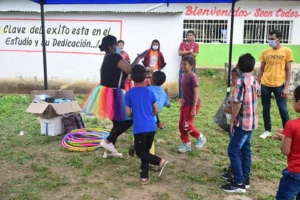


 The municipality of Puerto Lleras (Meta) is one of 11 massive land titling initiatives being supported and promoted by the USAID Land for Prosperity program. In partnership with the Government of Colombia, these property sweeps update a municipality’s rural cadaster and title thousands of parcels. Each of the 11 parcel sweeps is focused on an entire municipality and seeks to ensure that rural women recognize their property rights, a key part of stimulating rural development and promoting a formal land market.




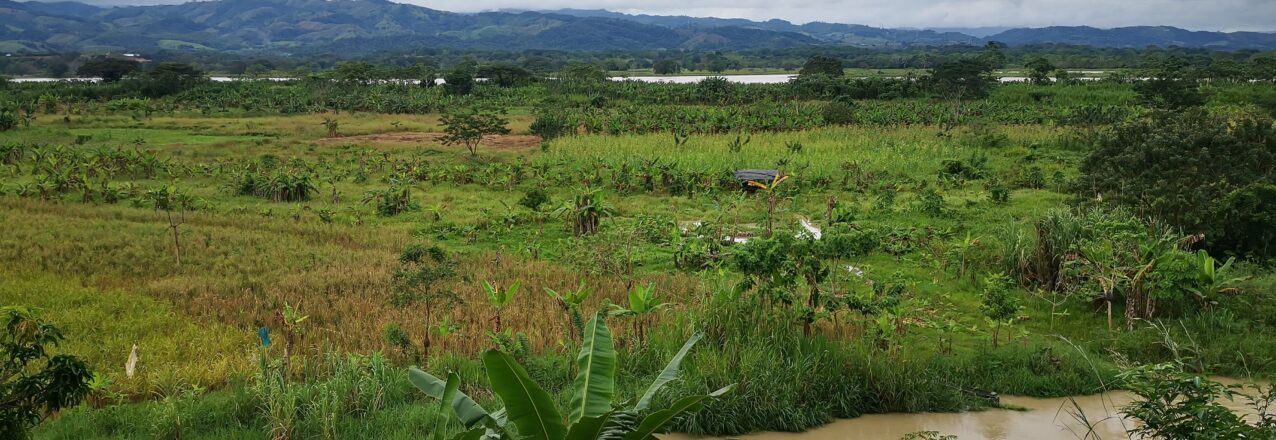
 The new guidelines are centered on a philosophy of “do-no-harm” and within its main principles are government cooperation, ethnic group inclusion, and community dialogue. The adoption of the guidelines is remarkable, however, because it marks the first time the Colombian government has formally accepted a strategy that considers formalizing land rights as an incentive to reduce illicit cropping.



 In 2021, when the Municipal Land Office (MLO) team arrived in El Baho to begin the property characterization process, they initially contacted Hernando Gómez, Belcy’s husband and vice-president of the Community Action Board. At that moment, inspired by the possibilities of formalization, Belcy volunteered to join the team in visiting each of her neighbors’ properties—neighbors she has known since she and her husband arrived in the area 25 years ago.
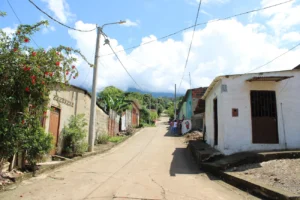


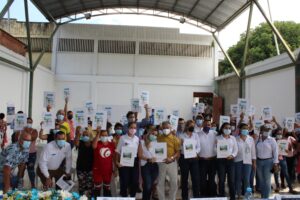
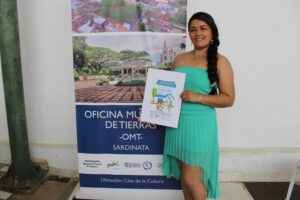
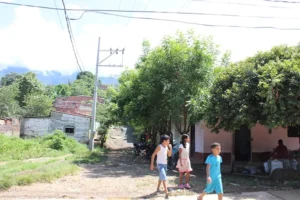
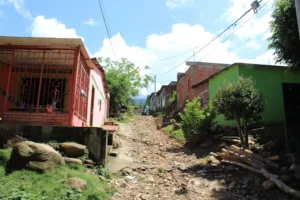


 Secure land rights for women are a crucial part of a gender responsive strategy to strengthen land tenure, and can have an outstanding impact on promoting gender equality and protecting one’s patrimony. When women have access to land and property, studies show they are more likely to earn higher incomes, enjoy increased decision-making power, and feel more protected in marital conflicts.
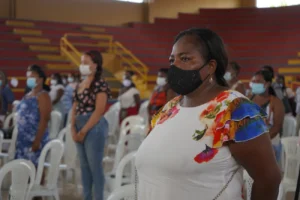 I invite them from the bottom of my heart and soul to be strong women that we are and to go to the Tumaco Municipal Land Office. That the women who have been through these horrible situations, always feeling crushed, need to know that we too can receive many benefits. Even when the men are the ones who work, we also have rights because we are also part of the home.
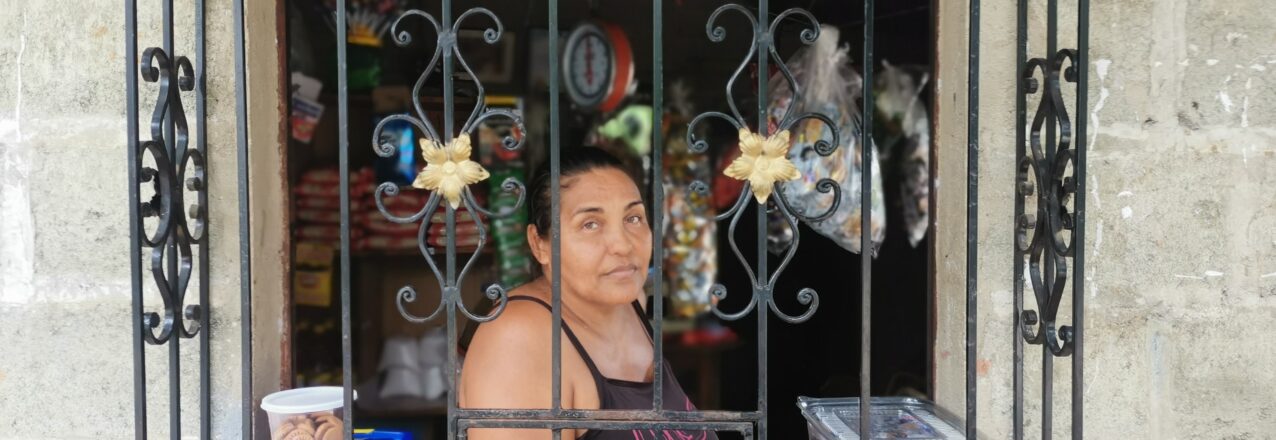
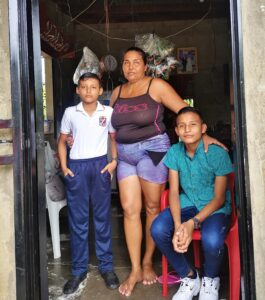
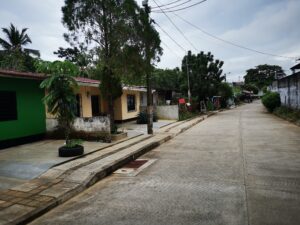

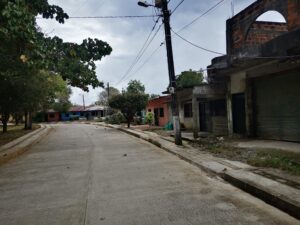
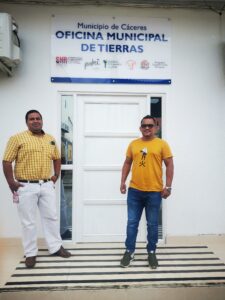 The Caceres Municipal Land Office is slowly trying to change this situation. Embedded in the municipal administration, the land office is the most effective tool for clearing up historical confusion around land ownership in the urban areas of Cáceres. With support from the mayor and financial support from USAID, social worker Wilmer Molina and the land office’s legal expert, Carlos Ávila, are following through on a strategy that expects to formalize hundreds of urban properties, not to mention dozens of public properties like schools, health clinics, and parks.
 Through visits, Molina learned that years before that frightening night when she and her family were chased away from their home, Nuri Jaramillo had tried to formalize her property. When she purchased the property in 1993, she immediately went and legalized it with Colombia’s cadaster management authority, known as the IGAC. However, when she tried to process her land title, it was too costly and too difficult to muster.