
5 New Ways the White House–Led Women’s Global Development and Prosperity Initiative Works to Create Global Prosperity

This blog was originally published on Medium.

By Acting USAID Administrator John Barsa

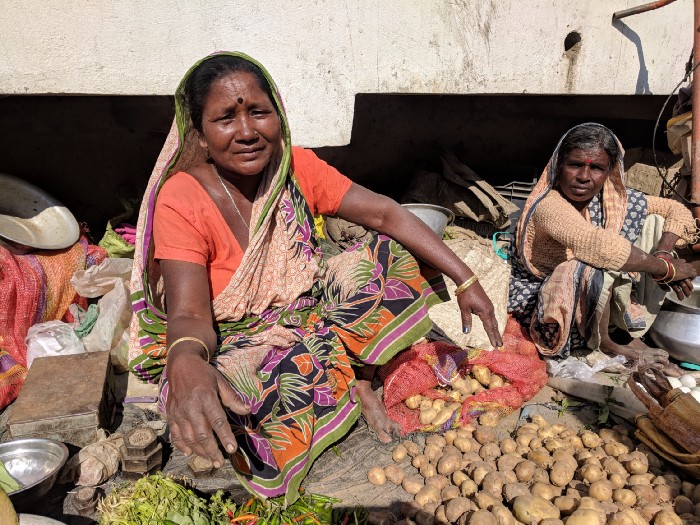
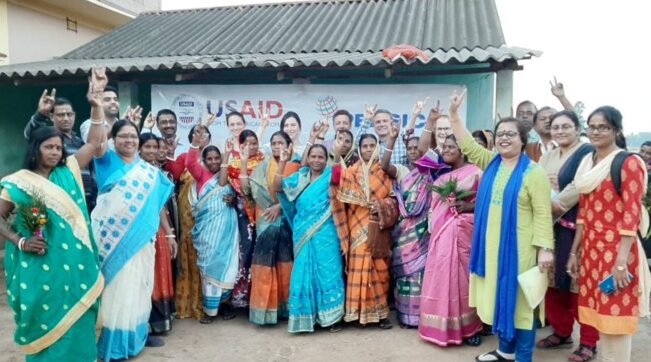
The W-GDP Fund at USAID and PepsiCo are partnering on work in West Bengal, India, where together we are strengthening women’s access to land and technical agronomy training to become PepsiCo farmers. / Jen Peterson, Tetra Tech

Partnership with PepsiCo

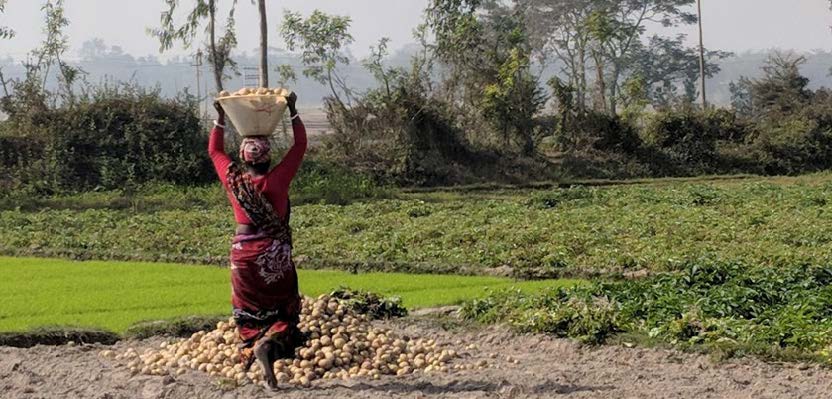
The preliminary evidence generated from this pilot makes a powerful case for investment in women’s economic empowerment — both in advancing PepsiCo’s business goals and in creating tangible economic opportunities for women within the company. Women supported through this initiative are producing high-quality crops that will yield potatoes for PepsiCo’s Lay’s brand chips, which generates income for women to invest in their families and farms, and to secure their own futures.

W-GDP Grand Challenge: Women Enabled in the Economy
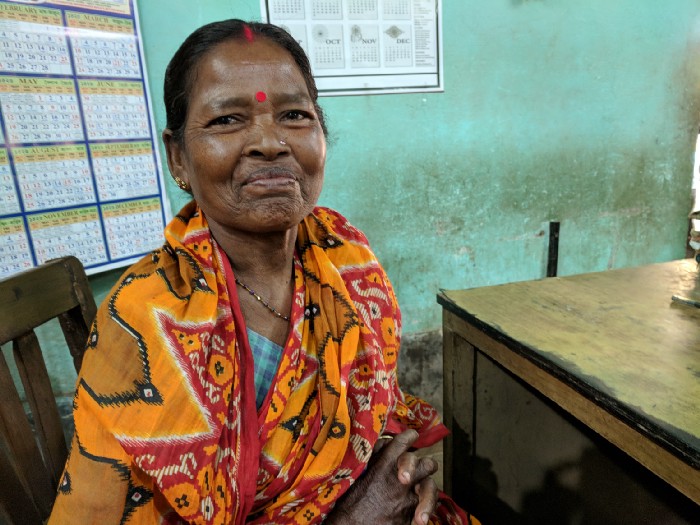
The W-GDP Fund at USAID and PepsiCo are partnering to create tangible economic opportunities for women with PepsiCo, including their ability to produce high-quality crops, which allows women to further invest in their families and farms, and secure their own future. / Jen Peterson, Tetra Tech

W-GDP’s Invest in Women Portfolio

The W-GDP Fund at USAID forges partnerships with American companies that understand their business interests are best served when women are empowered around the world. In this second year of the W-GDP Fund, USAID and PepsiCo are investing an initial $5 million each to support a five-year partnership. / Jen Peterson, Tetra Tech

Other New Programs


Announcing the Climatelinks 2020 Photo Contest

Do you have great photos of climate and development? Do you want to promote your work on Climatelinks? Now is your chance!

Submit your photos so we can share your work or your organization’s work with our global community of climate practitioners.

Our 2020 Photo Contest theme is Healthy Forests for a Healthy Future. We’re looking to capture nature-based solutions such as active reforestation, plantations, agroforestry, and natural regeneration. We would also like photos that tell the story of how individuals and communities interact with the forests they depend on, and how local leaders are conserving, managing, and restoring them.

You may submit up to five images complying with the contest rules and requirements. Entries will be judged on relevance, composition, originality, and technical quality. Winners will be selected overall through an evaluation panel composed of USAID staff and the Climatelinks team.

The contest runs until July 31, 2020. Winning photos will be announced in Fall 2020, subsequently featured in Climatelinks communications, highlighted on the website’s topic pages, and showcased in Climatelinks photo gallery. The winning photos will also be featured in the Office of Global Climate Change’s official 2021 calendar, which will be distributed to contest winners.


Wildlife Resource Governance in Zambia: Where are the Women?

By Patricia Malasha (Zambia Gender Advisor, Integrated Land and Resource Governance Program (ILRG)), Jennifer Duncan (Global Gender Advisor, ILRG) and Matt Sommerville (Chief of Party, ILRG)

Zambia is home to some of Africa’s most spectacular landscapes, premier national parks, and Africa’s Big Five game animals: lions, leopards, rhinoceroses, elephants, and Cape buffalos. Every year, nearly one million visitors make wildlife tourism a major contributor to Zambia’s economy and one of the few sources of formal employment for communities in rural areas. Yet one of Zambia’s most important resources is often conspicuously absent from management decisions over and benefits from the wildlife sector: women.

For decades, USAID has been working with partners to protect Zambia’s threatened wildlife and enhance rural livelihoods. Recently, USAID’s Integrated Land and Resource Governance Program assessed the gender dimensions of community-based wildlife interventions in Zambia, particularly focusing on experiences in Eastern and Muchinga Provinces.[1]

Meeting women in the Chifunda fishing camp

On the third morning of our trip to Muchinga Province we came upon a group of locals deep in the bush, fishing on the Luangwa River in a game management area. The party of mostly women and girls had set up a crude camp site on the riverbank where tree branches could not protect them from the previous night’s rains. They had pots of small dried fish, which they caught by wading out into the river with thatched fish traps. Occupational hazards include hippos and crocodiles in the water and hyenas and elephants walking through their camp in the darkness of night.

They told us they come for several days at a time and once they fill their bags with fish to sell at the market, they trek 15 kilometers back to their village. Some of the women are from families that own small tracts of land for farming and come in the off-season; others have no land to farm. For all, the income from fishing ends up being important to their families’ welfare.

Earlier that morning we had seen men fishing from small boats in a wider section of the river, where they can catch much bigger fish using efficient metal fish traps. Cultural norms do not permit the women to go out on the water in boats and fish. Their place, they are told, is on the shore.

The women in the Chifunda fish camp are among the many in Zambia whose lives intersect at multiple points with wildlife resources. The survival of their families depends on these fisheries, and they are partly responsible for the stewardship of this critical resource. In the bush, they face the threats of human-animal wildlife conflict, and hike long distances carrying fishing baskets and pots. Their knowledge of these resources is both unique and valuable. Since they are have been left out of wildlife management, the perspective of women and mothers is largely absent from conservation dialogues.

Why are women are missing from wildlife management?

It is highly probable that none of the Chifunda women will ever have a role in decision-making or employment related to Zambia’s wildlife and fisheries sector on the Community Resource Board. Due to pervasive gender norms and practices that keep women out of these roles, women are left, yet again, watching from the shore.

Zambia has partially decentralized management of its wildlife sector to Community Resource Boards, known as CRBs, as well as to fisheries and forest management groups. CRBs operate across vast chiefdoms where government and customary institutional responsibilities overlap. But there are no guidelines on the role of women in these groups, and only strong customary gender norms that sideline women in resource management and benefits. In fact, CRBs are purposefully working to serve men’s interests, and there is a striking lack of transparency and accountability in resource use.

Women’s representation in some CRBs and Community Forest Management Groups is very low, and completely absent in others. The Chifunda CRB has no women on its 10-member board, and neighboring Chikwa CRB has three women members. Of the 76 CRBs in Zambia, 72 are led by men, and the few women who participate experience challenges in the male-dominated structures.

Hiring practices and biases create barriers to women working in wildlife

Women do not have the same employment opportunities as men in the wildlife sector. The inequitable training criteria for scout selection exclude even well qualified women candidates. New hires are usually arranged through informal channels, based on social connections and not through standard and transparent procedures.  Education qualifications—like a grade 12 education—English fluency, and competitive physical trials, such as timed runs with packs end up excluding many women. No policy exists to encourage either the state or the CRBs to employ women in the wildlife sector.

In fact, few women are ever employed: only three out of 38 game scouts working for Chikwa CRB are women. Chifunda CRB, which patrols resources over 200,000 hectares chiefdom, has hired only three women among its 57 scouts. When employed, women scouts are hurt disproportionately by common practices of non-payment (for up to a year). Women employed in poacher sting operations appear to face significant gender-based violence risks.

What can women bring to the table?

Effective wildlife management at the community level entails much more than chasing down poachers—something women are able to do just as well as men. It is largely about improving education and awareness of community members—both men and women—raising awareness about harmful and illegal practices, and encouraging involvement in alternative livelihoods. The USAID-assessment makes clear that both women and men interact with wildlife, depend on it for subsistence and cash income, and bear responsibility for the sustainable use of wildlife resources. It is optimal that teams include women and men to reach every segment of society. Employing women is not only fair, it is smart.

Tackling gender biases in the wildlife sector will require a multi-pronged approach

Based on the assessment findings, USAID’s Integrated Land and Resource Governance Program continues to work with civil society partners on practical ways to improve women’s participation and empowerment within the natural resource management sector. This year, the program is supporting the training of the first cadre of female scouts and rolling out gender sensitive election guidelines and training for CRBs in partnership with the Department of National Parks and Wildlife and Zambia’s National Community Resource Board Association. These are just the first steps of many to give women proper representation in the decisions made over community resources.

With a focus on women’s economic empowerment, USAID is working with community-based natural resources management organizations in Zambia to support women’s leadership within the wildlife sector through participation quotas and leadership support from community level to national policy with the Department of National Parks and Wildlife. Activities focus on creating opportunities for fair employment and constructive dialogue on gender norms within these rural communities. Experiences are being shared across Zambia’s wildlife and forestry sectors creating novel learning and scaling opportunities for women’s empowerment.

For more detailed recommendations, please see our Assessment Report and Brief.

[1] The work was supported by USAID with funding from the US Government’s Women’s Global Development and Prosperity (W-GDP) Initiative.


Reopening: Resilient, Inclusive, & Sustainable Environments (Rise) A Challenge to Address Gender-Based Violence in the Environment

Gender-based violence (GBV) is estimated to affect more than one in three women worldwide. GBV takes a variety of forms, including sexual, psychological, community, economic, institutional, and intimate partner violence, and in turn affects nearly every aspect of a person’s life, including health, education, and economic and political opportunities. At the same time, environmental degradation, loss of ecosystem benefits, and unsustainable resource use are creating complex crises worldwide. As billions of people rely on these natural resources and ecosystems to sustain themselves, the potential human impacts are dire, with disproportionate effects on women and girls.

USAID’s Office of Gender Equality and Women’s Empowerment (GenDev) is hosting the RISE Challenge to seek the innovative application of promising or proven interventions to address GBV in environmental programming.

THE RISE CHALLENGE AIMS TO:

  • Spur greater awareness of the intersection between environmental degradation and GBV
  • Test new environmental programming approaches that incorporate efforts to prevent and respond to GBV
  • Widely share evidence of effective interventions and policies
  • Elevate this issue and attract commitments from other organizations, including implementing partners and donors, for collaboration and co-investment

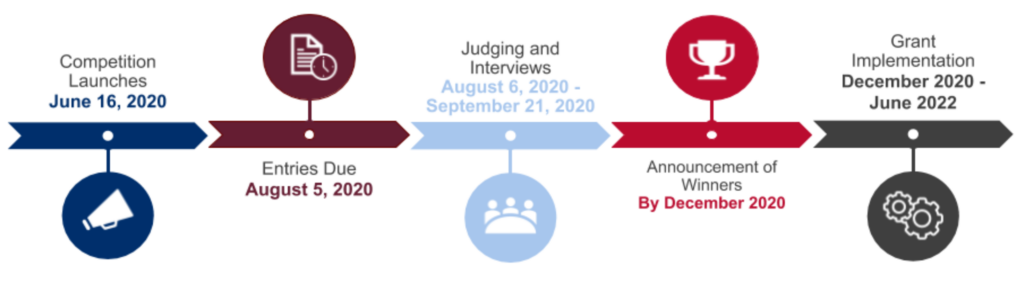
TIMELINE:

ELIGIBILITY CRITERIA:

Prospective competitors must meet the following requirements to participate in the RISE Challenge. All applications will undergo an initial eligibility screening to ensure they comply with the eligibility criteria.

Organization size and type: RISE is open to all organizations regardless of size and type.

Partnership model: Applicants must demonstrate a partnership model and/or teaming intervention that leverages the capacity, expertise, and existing relationships across relevant environmental sector organizations, gender and GBV organizations, relevant experts, and local communities.

Local presence: All applicants must use the funds to implement interventions in geographies where USAID currently operates.

Willingness to capture and share evidence and learning: All applicants need to describe a clear and actionable plan for Monitoring, Evaluation, and Learning that articulates how the applicant will test hypotheses, generate evidence, and use learning to adapt programming, which will feed into the evidence base that USAID is creating.

Topical: Applicants should present interventions that address the objectives of the Program Statement in the Request for Applications.

Gender analysis: Applicants must be willing to use grant funding to complete a gender analysis of their proposed intervention before implementation.

Eligible to receive USAID funds: RISE will conduct a responsibility determination prior to award, to ensure the applicant has the organizational and technical capacity to manage a USAID-funded project.

Language: Applicants must submit their entries in English.

Completeness and timeliness: Entries will not be assessed if all required fields have not been completed.

JUDGING CRITERIA:

Intervention rationale: Applicants will be judged on their articulation of the challenge, hypothesis for change, and rationale for how their intervention will prevent or respond to GBV in environmental programming.

Contextual awareness, human-centered approaches, and sensitivity: Applicants should describe and demonstrate an awareness of the local context in which their intervention operates, how they intend to meet their target population where they are at, and the measures in place to protect and collect sensitive information.

Monitoring, Evaluation, and Learning: Given the nascency of the evidence base at this nexus, applicants will be judged on how their proposal will advance the international community’s understanding of challenges and potential interventions at the intersection of GBV and environmental programming.

Innovative partnerships and organizational capacity: Applicants will be judged on the degree to which their partnership model demonstrates the ability to leverage the diversity of expertise required to successfully innovate new interventions to challenges at the intersection of GBV and the environment. This includes proposed engagement with GBV organizations, women’s and girls’ organizations, indigenous communities/groups, youth, and other vulnerable groups and local partners. Partnerships with research, academic, or evaluation organizations with the capacity to support evidence collection are also highly encouraged.

Pathway to integration: Applicants should demonstrate a plan for understanding how this intervention can be applied in new contexts beyond the initial application.

Deadlines, details, and application:
competitions4dev.org/risechallenge Contact us: rise@usaid.gov.
Engage: #USAIDRISE.


Mobilizing to address COVID-19 in vulnerable diamond and gold mining communities

By Terah U. DeJong, Technical Deputy, USAID Artisanal Mining and Property Rights project

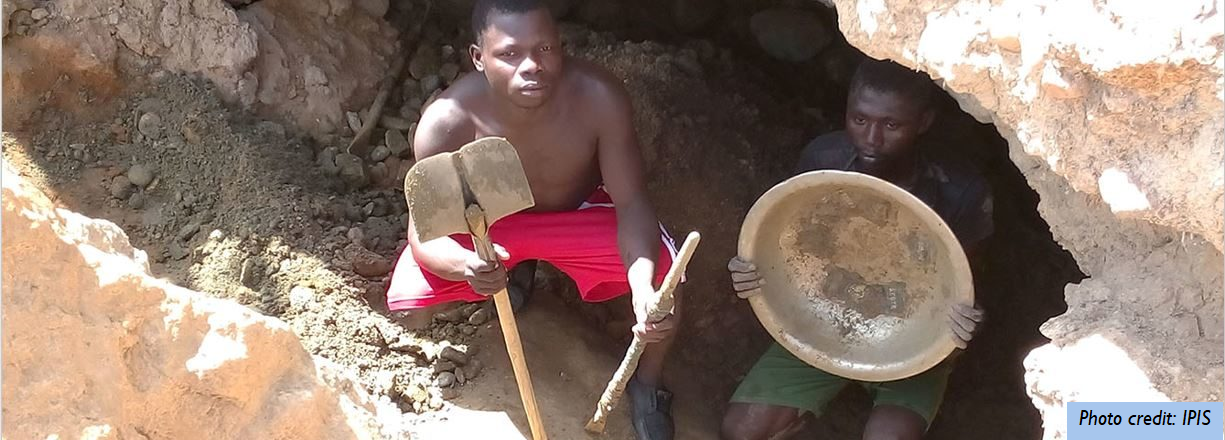
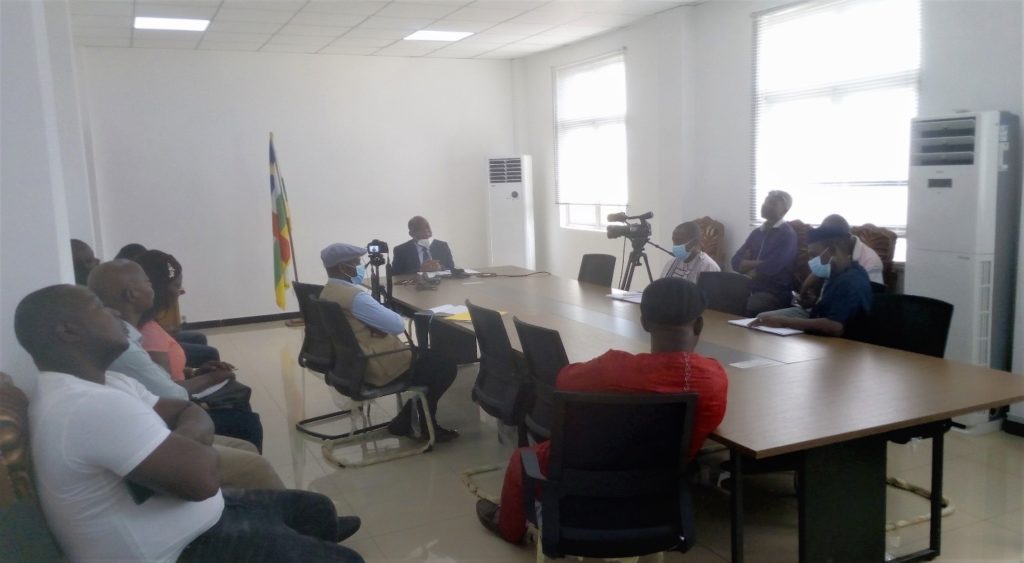
“Look at how we work,” said Sylvain, an artisanal diamond miner in Sama near Carnot in the Central African Republic (CAR). “If the coronavirus comes to this site then we’re all going to get it.”

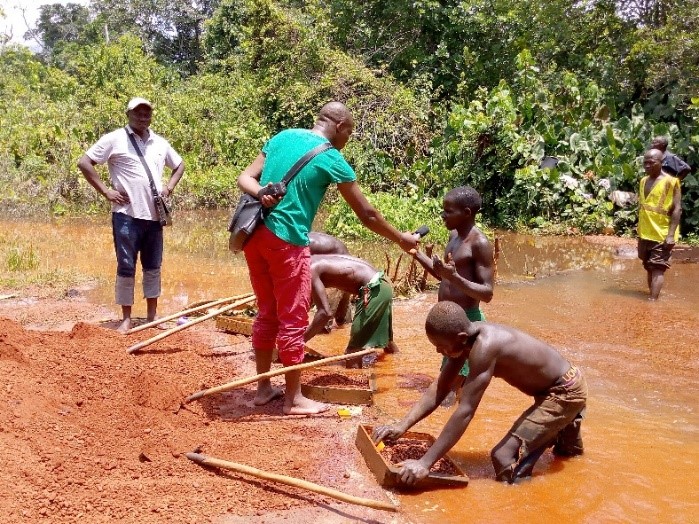
Figure 1 Artisanal diamond miners near Carnot, CAR, being interviewed by a local journalist. Photo: Benjamin Ndongo.

That concern is shared by Central African authorities and its partners, including USAID, as the country responds to the worldwide COVID-19 pandemic. While the disease has been slow to take hold in CAR, cases have gone from less than a dozen to more than 700 in just a few weeks, according to May 2020 figures from the Health Ministry.

Artisanal and small-scale mining (ASM) communities are particularly vulnerable given close proximity of diggers at work, extreme poverty, lack of access to health care, and limited understanding of the virus.  Additionally, ASM communities are suffering financially since they depend on fluid international trade in order to sell their minerals and receive financing.

The USAID Artisanal Mining and Property Rights (AMPR) project supports mining communities and promotes legal, responsible supply chains for minerals including diamonds and gold. With USAID support, local NGO Réseaux des journalistes pour les Droits de l’homme (RJDH) teamed up with Mining Ministry authorities to raise awareness on COVID-19 in major mining areas in southwest CAR. The USAID AMPR program is also expanding women’s soapmaking associations in mining communities to fight the virus and support women’s livelihoods.

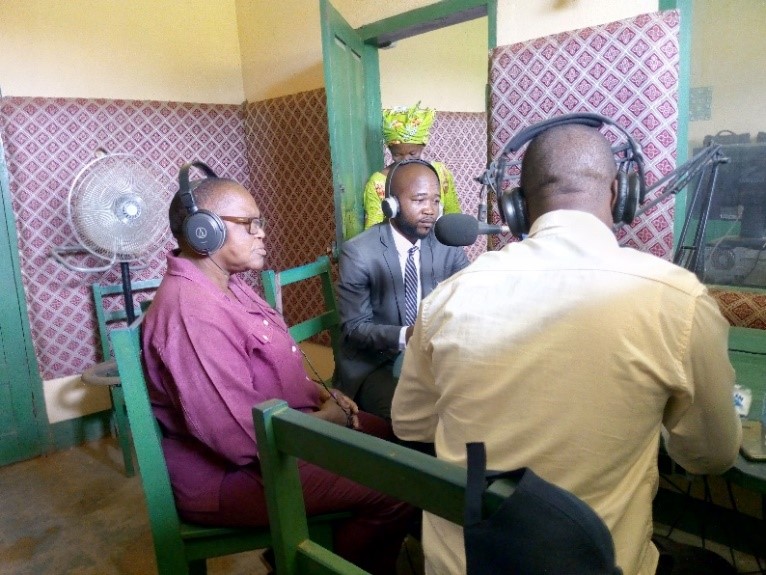
From May 6 to 14, RJDH and the Mining Ministry organized a series of radio roundtables with local health and mining officials, passing along key messages on hand washing and social distancing.

“We’re worried that artisanal miners have not yet fully understood the threat of this disease,” said Dr. Patrick Ouango, a regional health official in Berberati. “Local radio is essential to reach them.”

The experts also exhorted miners and traders to play their part in combatting mineral smuggling to neighboring Cameroon, which research funded by USAID AMPR found was the primary transit hub for illegal diamonds and gold.

Figure 2 USAID AMPR supported the organization of radio roundtables with local health officials in order to reach miners in remote areas. Photo: Benjamin Ndongo

The fear is that smuggling could seed infections in Western CAR where health facilities are few and far between. Indeed, with the international airport in the capital Bangui closed since March 27, the land border with Cameroon – a vital economic lifeline to land-locked CAR – has been the main source of new infections.

The economic fallout in mining communities due to COVID-19 is of equal concern. Up to a quarter of CAR’s impoverished population depends on mining, and with the global disruption to the gold and diamond supply chains, local prices have dropped 30% and the legal chain of custody is paralyzed.

Meanwhile food prices have increased 25 to 30% compared to the same period last year. In this context, mining will not only continue, but may increase as newly unemployed people turn to digging in order to survive, despite unfair prices and predatory behavior by smugglers.

Prior to COVID-19, the diamond sector was showing signs of recovery after years of challenges due to smuggling and armed group involvement in the minerals trade and subsequent trade restrictions put in place by the Kimberley Process. The gold sector has also been looking up, with legal exports having increased 350% in the last 4 years.

The government and its partners are worried that the crisis could undo progress and play into the hands of illegal actors and armed groups, which are increasingly active in mining areas. There has also been renewed violence from armed groups in Ndélé, another diamond-rich area.

Figure 3 CAR Minister of Mines and Geology briefing members of the press in Bangui on April 17, 2020. Photo: Hervé Pouno

“There is a risk that fraud and smuggling will increase due to COVID-19,” said the Mining Minister Leopold Mboli Fatran at a April 17 press conference on COVID-19 and the mining sector. “I therefore invite mining sector actors to avoid bringing the disease into our country through illegal transactions in neighboring countries.”

Partners working on the mining sector in CAR – USAID AMPR, the European Union Strengthening Governance in the Gold and Diamond Sector (GODICA) project, and the World Bank Programme de Gouvernance des Ressources Naturelles (PGRN) – have convened bi-weekly calls to exchange information and coordinate.

USAID AMPR and EU GODICA are supporting Kimberley Process national and local committees in charge of monitoring diamond mining zones to begin reporting on the COVID-19 situation at mining sites. The committees have helped the Ministry produce brochures on COVID-19 prevention targeting mining stakeholders.

For Maxie Muwonge, the USAID AMPR Chief of Party coordinating the project’s response, the support to the government and communities is a vital part of the project’s mission.

“We aim at supporting good governance and development in mining communities,” he said from his Bangui office, where they have been without electricity for the past 13 weeks. “COVID-19 is a threat we have to adapt to, but also an opportunity to step up our actions.”

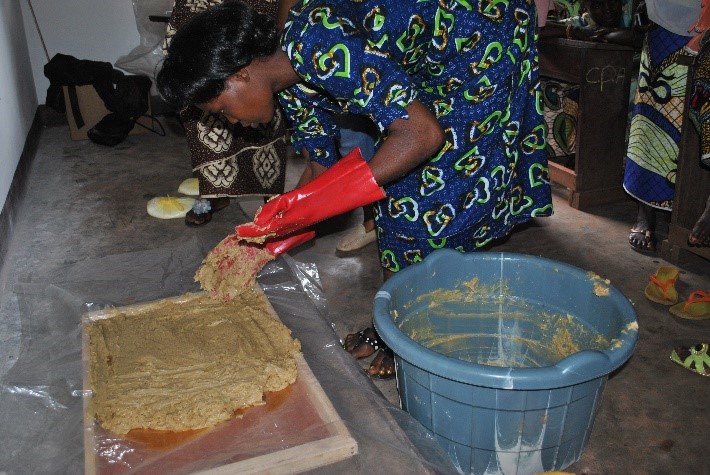
Figure 4 Photo from 2010 showing soap-making training of women’s associations under USAID PRADD project being revitalized for COVID-19 response. Photo: Prospert Yaka Maïde

For example, USAID AMPR reached out to women’s associations trained in soap-making by predecessor USAID project Property Rights and Artisanal Diamond Development (2007-2013). Several were still making and selling soap nearly 7 years since the end of the previous project.

As part of its portfolio of activities supporting women’s livelihoods in mining communities, USAID AMPR is funding one of the ongoing soap-making groups to train new associations. The aim is to increase the local supply of soap to help fight the virus while also enabling women’s groups to seize a new market opportunity during a precarious time.

While it remains to be seen how the crisis will play out in CAR with upcoming presidential elections and risks of instability, the mobilization of mining sector actors gives hope that men and women in the country’s mining communities will once again demonstrate their resilience.


Meet the USAID Resilient, Inclusive, & Sustainable Environments (RISE) Challenge winners!

Gender–based violence (GBV) is estimated to affect more than one in three women worldwide. This widespread problem takes a variety of forms and can affect nearly every aspect of a survivors’ life. At the same time, environmental degradation, loss of ecosystem benefits, and unsustainable resource use are creating instability and control imbalances over natural resources. When these environmental threats occur, GBV increases.

In 2019, USAID’s Office of Gender Equality and Women’s Empowerment (GenDev) designed the RISE Challenge to identify and fund the innovative application of promising approaches to address GBV across programs that address the access, use, control, and management of natural resources.

THIS CHALLENGE AIMS TO:

  • Increase awareness of the intersection between environmental conservation and GBV
  • Test new environmental programming approaches that incorporate efforts to prevent and respond to GBV
  • Share evidence of effective interventions and policies widely
  • Elevate this issue and attract commitments from other organizations, including implementing partners and donors, for collaboration and co-investment

THE CHALLENGE WINNERS:

ACTION TO PROTECT WOMEN AND ABANDONED CHILDREN

Action to Protect Women and Abandoned Children (ASEFA) is partnering with the Harvard Humanitarian Initative (HHI) and two other women-led local organizations to implement the project in the Democratic Republic of the Congo (DRC): Resource-ful Empowerment: Elevating Women’s Voices for Human and Environmental Protection in Congolese Small-Scale Mining.

The project will address GBV and environmental degradation associated with artisanal mining in the eastern DRC, where one study found that one in seven women were required to trade sex for access to work in mining. Building upon research conducted by HHI in 2016, ASEFA and HHI will train 360 women and mine miners through a year-long curriculum on human rights, women’s protection, and measures for reducing the environmental impact of artisanal mining in four project sites within each of the provinces of North Kivu, South Kivu, and Maniema. Two of the four communities will receive additional training that examines the link between people who work in mining towns and how humans are connected to their environment with the main goal of improving both environmental and human outcomes. The project aims to develop an evidence-based, scalable, and replicable curriculum to address human rights, GBV, and environmental protection.

ALLIANCE FOR RESPONSIBLE MINING

The Alliance for Responsible Mining (ARM) is partnering with the Massachusetts Institute of Technology Development Lab (MIT D-Lab) to implement the project in Colombia: Creative Capacity Building to Address Gender-Based Violence (GBV) in the Artisanal and Small-Scale Mining Sector.

The project introduces GBV prevention and response into an existing MIT D-Lab project that aims to increase socio-economic opportunities for women miners while reducing environmental impacts in the Antioquia region of Colombia. In 2018, ARM completed a study in Antioquia that found that gender inequality and GBV are widespread in the mining communities. With RISE funding, the project will use a proven and innovative movement-building approach to address GBV in mining. Through this approach, ARM will create safe spaces for women to share their GBV experiences and receive guidance on how to identify specific GBV challenges to collectively build solutions. The project will also guide women on best practices in organizing themselves into associations and how to effectively implement a strategy to address GBV in their communities. This project will increase awareness and provide women miners with the skills and spaces to overcome social and economic gender-based violence.

MARSTEL-DAY

Marstel-Day and WI-HER, as well as their counterparts, the University of the South Pacific, the Fiji Environmental Law Association, Live & Learn Environmental Education, and Fiji’s REDD+ Programme, are working together to promote gender equity and transformation by tackling resource-based conflict and GBV in Fiji.

With funding from the World Bank, Marstel-Day staff supported the Reducing Emissions from Deforestation and Degradation (REDD+) program’s readiness efforts and led to the design and implementation of the Feedback, Grievances, and Redress Mechanism (FGRM), a promising framework for resolving resource-based disputes and conflicts that may arise from REDD+ programming. The FGRM facilitates two-way communication between communities and national government agencies or companies to solve issues arising from REDD+ programming through formalized dialogue. With RISE funding, the consortium will use WI-HER’s proven approach to integrate gender (iDARE) to improve the FGRM so that it better addresses gender-based risk and GBV as a result of payment for ecosystem services programming, like REDD+.

TRÒCAIRE

Trócaire is partnering with Land Equity Movement of Uganda (LEMU) and Soroti Catholic Diocese Integrated Development Organization (SOCADIDO) to implement the project in Uganda: Securing Land Rights and Ending Gender Exclusion Project.

In eastern Uganda, approximately 80% of women report experiencing physical and psychological violence when claiming their land rights, and only 8% of men believe it is wrong to commit violence against women. With RISE funding, the partners will integrate SASA!, a proven methodology that addresses power imbalances between men and women to prevent and respond to GBV, while improving land tenure and property rights in Uganda. They will train faith-based leaders and partner staff to

promote positive social norms that support women’s rights to access and control land and to live free from GBV. The partners will also help women better document their land rights by developing and training traditional leaders to use an alternative dispute resolution mechanism that takes into consideration the rights of women.

WOMEN FOR WOMEN INTERNATIONAL

Women for Women International (WfWI) is partnering with Innovation and Training for Development and Peace (IFDP) to promote women’s rights and improve women’s access to land and GBV referral systems in the DRC.

In the DRC, women experience high levels of GBV and low levels of land ownership. For the past fifteen years, WfWI has worked to improve the lives of over100,000 women in the Congolese province of South Kivu by addressing the drivers of GBV and gender inequality at the community level. With RISE funding, WfWI and IFDP will adapt their promising GBV interventions and apply them to land rights and access, which is an area where women are particularly at risk. This project will engage men in shifting social norms, train change agents to prevent GBV, and expand women’s land rights, thereby boosting their economic security.


Better Biodiversity Integration Through Geospatial Analysis

As USAID transforms, cross-sector programming is more important than ever, and this is especially true for environment programming. The USAID Office of Forestry and Biodiversity, and the Bureau for Latin America and the Caribbean, have developed a new guide that explains how to use geospatial analysis throughout the program cycle to support integration of biodiversity conservation with other development sectors.

Geospatial analysis is the gathering, display and analysis of data with a spatial component. These data range from satellite imagery, to global datasets on forest cover, to geographically referenced census information. In addition to its widespread use for program design, geospatial analysis is a powerful tool for bringing sectors together by visualizing and analyzing the overlaps between sectors.

This guide is intended both to support the work of geospatial specialists, and to help USAID staff make the case for geospatial analysis during integration for USAID technical offices, program offices, and front offices. Though the guide was written with biodiversity programming in mind, it has many lessons that might be broadly useful to USAID staff as they integrate their programs.

Download the Full Guide


More land rights mean fewer fires in Mozambique

Land titles ease conflicts with neighbours – and can cut down on problems including runaway fires

Originally published on the Thomson Reuters Foundation Website. (* Any views expressed in this opinion piece are those of the author and not of Thomson Reuters Foundation.)

By: Arlindo Macuva, a Mozambique-based project coordinator for the NGO Oram.

While fires in Australia and Brazil’s Amazon have captured headlines over the last few months, half a world away and far from the media spotlight, Mozambique was similarly ablaze.

The fires, combined with agricultural expansion and development, have reduced Mozambique’s forest cover by three million hectares – about 11% – from 2001 to 2018, according to the United Nations.

But a pair of innovative land-rights programs, funded by the U.S. Agency for International Development (USAID) and Britain’s Department for International Development (DFID), are helping to clarify what is fueling the fires and are providing guidance on how the blazes might be battled.

For years, farmer Calisto Luis Vasconcelos had a front row seat to the fires.

Six times he lost his sugar cane crop to the flames.

“In the past, it has been out of control,” said Vasconcelos. “You would just see a wall of fire coming toward you with no warning”

In Mozambique, fires are a season problem. They are the result of traditional farming practices in which farmers burn their fields to prepare them for the next planting season.

Unclear and undocumented rights to land add fuel to the fire, because when farmers have unclear and undocumented rights to their land, they tend to have conflicts with neighbors.

The World Bank estimates that 90% of rural land in Africa is undocumented, so, this is a common problem. The undocumented and unclear boundaries and the slim margin for survival for many rural families are a destructive combination.

Farmers often dispute boundaries with their neighbors with an eye toward claiming a few rows of their neighbor’s corn or cane for themselves. With poverty and hunger high, every row counts.

These persistent  disagreements over boundaries tend to sour relations between neighbors, sometimes bubbling over into outright violence. In this toxic environment, when a farmer decides to burn his or her field to make way for the next season’s crops, they may not warn a neighbor of their plans or take care to ensure that the fire does not spread.

This was the case in Vasconcelos’  community. He was locked in conflict with his neighbors over his prized parcel of land – four acres of extremely fertile land down by the river. “It is a good piece of land and everyone claimed it,” said Vasconcelos. “It was mine, but everyone wanted it.”

His neighbors would try to nibble away at the edges of his field, trying to get his land by taking a few rows of corn at a time. Their constant bickering meant that, in the words of Vasconcelos, “There were no rules. Things were out of control.”

And when his neighbors burned their fields, they gave Vasconcelos no warning and took no action to contain the fires to their own fields.

This began changing when DFID and USAID funded programs to help communities clarify and document their land. Working in different villages throughout the region, USAID and DFID’s partners have been teaching villagers how to use GPS-enabled tablets and to document the boundaries of each person’s fields.

Farmers receive land certificates with maps of their property, a calculation of acreage, their name, and a list of community witnesses – providing documentation of their land use. Now, everyone in Vasconcelos’ village, Enhumua, has agreed on where their fields end and their neighbors’ begin.

Vasconcelos and his neighbors who have never had titles or deeds – often inheriting their land from their parents or buying it on a handshake – finally have the security of documentation that the land they farm is theirs.

Local government leaders Oliveira Pinto and Martin Gabriel Paiva said the land documentation programs were aimed at improving women’s empowerment, boosting nutrition, and reducing conflict. They have achieved those goals and brought another unexpected benefit, reducing the uncontrolled fires.

“Now that the issue of land is settled, we are working together more,” said Paiva.

“Now that we have recognized each other’s rights, we have changed our behavior,” said Vasconcelos. “We respect each other.“


Meet Six Newly Empowered Women Farmers from Zambia and Mozambique

This article originally appeared in Ms. Magazine.

By Patricia Malasha

Nine traditional chiefs have partnered with USAID and DFID over the last five years to demarcate and document the land rights of 30,000 women farmers across Zambia and Mozambique.

The documents with each woman’s name, the GPS coordinates of her field, and a stamp of approval from the local chief, are proving revolutionary.