

Widening Perspectives in Land Governance Requires More Than Data Alone

Related project: The Land Facility.

The 5th International Land Management Conference (ILM5), held in London and online in March 2026, explored the wide range of socio-cultural, political and economic factors that influence land management and land markets.

The session, “Widening perspectives for land governance,” brought together a diverse set of speakers to examine what it takes to govern land effectively in a period shaped by overlapping pressures, including food security, climate change, housing demand, institutional fragility, and competing development priorities. Although the presentations approached the subject from different angles, a common argument emerged across the session: Stronger land governance depends not only on better data or better policy frameworks, but on the institutions, professional networks, financing models, and participatory structures that allow knowledge to be translated into action.

In her introduction, Saskia Simonson, Lead Country Coordinator at the Land Facility, Foreign, Commonwealth & Development Office (FCDO), situated the session within a broader conversation already underway at the conference. She noted the links between land governance and major global priorities, while also highlighting the importance of recognizing land’s non-market and social dimensions. That framing helped set the tone for a session that consistently pushed beyond narrow technical understandings of land administration and toward a more political, institutional, and interdisciplinary view of governance.

Diane Dumashie, President of the International Federation of Surveyors (FIG)/RICS, focussed on the role of land professionals in a rapidly changing governance landscape. Rather than treating surveyors, geospatial professionals, and those working across the land, built, and natural environments as purely technical actors, she presented them as part of the broader architecture through which societies respond to change. She emphasised the value of FIG as a diverse professional network spanning countries, generations, sectors, and disciplines. That diversity, she suggested, is not incidental; it is one of the profession’s main strengths. Yet she also made clear that diversity is not enough. Knowledge, standards, resources, networks, and professional credibility only become meaningful when they are effectively mobilized to influence decisions and contribute to institutional capacity.

A particularly important theme in Dumashie’s presentation was the gap between innovation and implementation. She pointed to the long record of conceptual and technical innovation within the profession, including work on fit-for-purpose approaches, valuation, and standards, while questioning whether those advances are being embedded deeply enough in governance systems and decision-making processes. Her remarks suggested that the challenge is not a lack of ideas, but the difficulty of scaling influence, becoming more visible, and ensuring that the expertise held within professional communities translates into political and institutional traction.

Christelle van den Berg of Kadaster International, Netherlands, grounded the conversation in the realities of land information systems and the institutions that maintain them. Drawing on practical experience, she argued that land information is indispensable for responding to the spatial nature of major public challenges. But she identified a central paradox in contemporary land reform efforts. Many initiatives invest heavily in mass registration, large-scale data acquisition, and digital infrastructure, yet pay insufficient attention to the long-term institutional and financial sustainability of the agencies expected to manage those systems. She posited that that imbalance is one of the main reasons why land information systems fail to deliver lasting governance value. Data can generate significant public and economic benefits, but if institutions lack the mandate, resources, staffing, and operational capacity to maintain accuracy and update records, those benefits quickly erode. 

Her central message was that financing land governance should not be reduced to paying for technology. It must also mean financing institutional strength, accountability, and the ongoing stewardship needed to keep land information reliable and usable over time.

The joint presentation by Francisco Carranza of Global Action for Land and Charl-Thom Bayer of the Land Portal Foundation extended that concern with institutional design by exploring the relationship between multi-stakeholder platforms and digital platforms in intersectional land governance. Carranza began by examining multi-stakeholder platforms as mechanisms intended to align competing interests, reduce power asymmetries, and create structured spaces for dialogue. His account was careful not to idealize them. While such platforms are often presented as inherently inclusive or democratic, he emphasized that their effectiveness depends on a series of difficult practical questions: who is represented, who convenes the process, who sets the agenda, whether weaker actors have the capacity to negotiate effectively, and whether neutral facilitation is available. In other words, their success depends heavily on context and design.

Bayer introduced the impact of digital public platforms when combined with multi-stakeholder platforms. Digital platforms are not passive repositories of information. They actively structure knowledge by deciding what is collected, how it is categorized, and how freely users are able to access it. Carranza and Bayer argued that multi-stakeholder platforms and digital platforms are are complementary in their impact. Multi-stakeholder platforms bring discursive legitimacy; digital platforms bring informational legitimacy. Dialogue without evidence may struggle to scale or remain too abstract, while data without structured spaces for deliberation and use may simply describe problems without changing them. 

In practical terms, the point was that data, transparency, and participation only matter when they are connected to policy processes, review mechanisms, and institutional arrangements capable of producing accountability and corrective action.

Next, Robert Home of Anglia Ruskin University recalled his work in Nigeria to highlight why an interdisciplinary perspective is necessary to understand current land governance challenges. Legal history, political geography, planning, land administration, and empirical field research all reveal different parts of the problem, and too often they remain isolated from one another.

Home’s presentation traced how colonial land law, federal structures, legal pluralism, regional differentiation, population growth, environmental stress, insecurity, and investment dynamics all intersect to shape land governance outcomes in Nigeria. Formal governance systems, he suggested, can appear remote or inadequate when viewed against the realities of rapid urban growth, insecure tenure, weak infrastructure, and overlapping legal orders. Widening perspectives also means widening methods: Understanding land governance requires serious engagement with legal history, comparative institutional analysis, and grounded research on how systems function in practice.

The final presentation, by Lars Brugman of Kadaster International, shifted the discussion to land pricing and residential development in the Netherlands. Although more specialized in focus, it contributed to the broader session theme. Brugman’s research examined differences in pricing strategies between public and private land sellers in Dutch housing development. His findings suggested that developers charge a substantial premium over municipalities for comparable plots, while municipalities appear more likely to use land pricing as a direct policy lever to support affordability. In projects with affordable housing units, discounted land prices appeared to play a meaningful role, suggesting that land policy can be used deliberately to shape social outcomes rather than merely respond to market signals.

This presentation added an important reminder that land governance is also about valuation, pricing, and the political use of land markets. Even in a highly institutionalized context such as the Netherlands, governance choices still determine whether land is treated primarily as a market commodity or as a policy instrument that can advance broader social objectives. 

The session made a persuasive case for a broader and more integrated understanding of land governance. It showed that widening perspectives is not simply a matter of adding more themes to the discussion. It means taking seriously the relationships between professional authority, institutional financing, land data, stakeholder representation, legal history, and market intervention. The most consistent message across the session was that none of these elements works well in isolation. Data without institutions are fragile and participation without representation and authority can become performative. Professional expertise without political traction has limited reach. Market outcomes without public purpose can deepen inequality. What the session offered, therefore, was a realistic and demanding account of what effective land governance requires.

Originally published April 2, 2026 by the Land Portal Foundation. Republished from the original article under Creative Commons Attribution 4.0.

Context photograph by Robert Lamb, Wikimedia Commons, CC BY-SA 2.0.
Power and agency in land governance: Lessons from Côte d’Ivoire, Kenya, Ethiopia, and beyond

Related project: The Land Facility.

Presentations from across Sub-Saharan Africa demonstrate how ongoing analysis and engagement with political and economic factors is necessary to realise sustained land governance reforms.

The 5th International Land Management Conference (ILM5), held in London and online in March 2026, explored the wide range of socio-cultural, political and economic factors that influence land management and land markets.  It was organised by the Land International Network for Knowledge (LINK) and co-hosted by the University of the West of England, the Land Facility Decision Support Unit (LF-DSU) and the Royal Institution of Chartered Surveyors (RICS).

This blog reflects on a session on power and agency in land governance, which included a series of presentations that suggest a recurring lesson: land governance activities, systems and programmes are shaped and reshaped by the political economy features surrounding them and empower or disempower those whose land they impact. The session combined academic research with insights from practitioners and perspectives from policymakers and public servants, highlighting examples of how these various approaches and viewpoints grapple with the political economy of land governance. 

The session was moderated by the Land Facility Decision Support Unit’s (DSU) deputy team lead, Emily Hayter, and featured a lead presentation by Catherine Boone, Harold Laski Professor of Political Science at the London School of Economics and Political Science, and part of the DSU’s Political Economy Advisory Group. 

Quick read

  • Land governance reform is shaped as much by political and economic forces as by technical design
  • Not understanding political economy can undermine the intent and objectives of reform.
  • Gaps between national land reform designs and local realities can be as consequential as the policies themselves
  • Effective reform means recognising where power and authority actually reside, not just where formal systems suggest they should
  • Commercial interests can impact legal progress on community land rights
  • Political economy analysis is not a one-off exercise – it should run throughout activities, systems, and programmes 

Things seen and unforeseen: lessons from Côte d’Ivoire 

Catherine started the session with a striking illustration of how attempts at land administration reform can encounter complications that are both “seen and unforeseen” at the start of the reform process.  She centred her comments on the case of Côte d’Ivoire, where land certification policies have a 30-year history of trial and error.  In this setting, what may seem to be a straightforward goal, the registering and titling of rural land, was actually an extremely complicated and politicised process.  Controversies surrounding land administration reform stoked both land and political tensions and contributed to extensive civil conflict in the 2000s. She laid out the ‘big picture’ of what political economy looked like in this context of intensely politicised land governance – painting a nuanced picture of the different priorities and approaches of actors in the reform process, describing twists and turns over time.

The land registration programme that Côte d’Ivoire embarked on in the 1980s disrupted an array of vested interests, inflamed grievances, and shifted balances of power in the rural economy.  Many smallholder farmers who had worked the land for decades were threatened with dispossession by a land registration policy that privileged customary landowners. In Catherine’s words, the case underscores: “…how explosive the land issues can be, and also how a whole country can be sucked into a conflagration in which the land politics are so central.”  This is the kind of situation political economy analysis is meant to untangle.  

Catherine Boone presenting at the ILM5. Photo by Euan Crawford/Independent photographer

What has evolved is a set of land registration policies and procedures that are rather different from the land governance system originally envisaged. Social scientists and others pushed for a gradual approach, formalising rental contracts between owners and farmers while deprioritising full land titling. While some have resisted this messy compromise, it has prevailed for the time being.

Catherine shared lessons learned from reforms that were iteratively shaped into better alignment with the changing dynamics of Côte d’Ivoire’s political economy.  It will probably take many decades for land registration policies to reach full implementation.  In the meantime, the government is under increasing pressure from domestic and foreign investors with stakes in moving rapidly toward the full commercialisation of rural land.  As one of the leading economies in West Africa, the stakes in negotiating the complexities of land tenure and use in Côte d’Ivoire remain high. 

Learning from Kenya’s frontier counties for sustainable and inclusive reform

The presentation of the Hon. Saleh Maalim Alio, Sub-National Minister for Lands, Housing, Urban Development and Municipality Affairs for the County Government of Mandera, on Kenya’s frontier counties added another dimension to how political economy considerations can shape programme design and affect agency. He detailed how already complex local political economy factors can be further complicated by national-level programme design and discussed what this means for harmonising customary systems with constitutional reforms. 

Kenya’s frontier counties, which account for around 70% of the country’s land area, are shaped by political economy features that distinguish them from typical Kenyan contexts, including the legacy of colonial alienation and dispossession, ethnic and clan politics, and religious issues between Christians and Muslims. The country’s 2010 constitution formally recognised community land and aimed at emphasising equity, sustainability and inclusivity, but its implementation has been uneven, which is itself a potential political economy issue reflecting the limited influence of frontier counties in national policy. 

 “…frontier counties sit at the intersection of identity, resources and governance,” said Hon. Saleh Maalim Alio. “A hybrid model is needed to bridge customary and statutory systems. It is inclusive, it is conflict sensitive [and] can reform the land governance into a foundation of peace and development.”

These counties have emerged as resource frontiers in recent years, intensifying the existing socio-cultural, political and economic factors that influence land governance. Extractive projects such as mining have increased land values and intensified competition for control, but community consultation has been limited, and marginalisation has fuelled demand for benefit sharing. Kenya’s national-level land information management system has not been fully implemented at the county level, so county governments have developed their own systems for land registration, resulting in parallel systems that create uncertainty in both land politics and economy. 

This complexity suggests that political economy needs to be central to programme design, particularly in a dual governance system operating at both national and community levels. Customary systems offer legitimacy and flexibility, and are adaptive to pastoral and nomadic communities, but risk elite capture and the exclusion of minorities, young people and women. The reality of dual governance through parallel systems creates legal uncertainties. These tensions need to be analysed, and the resulting programmes grounded in an understanding of how communities can benefit sustainably from the resources extracted from their land. 

Working with religious leaders on women’s land rights in Ethiopia

Netsanet Genene and Rahel Hailu from Deutsche Gesellschaft für Internationale Zusammenarbeit (GIZ) Ethiopia offered practical insights into how understanding political economy factors can positively shape the design of an intervention and empower traditionally marginalised groups. Their presentation demonstrated how strategic and creative engagement methods can shape and support the use of knowledge of the political economy context and the various stakeholders involved in a programme.

Ethiopia’s land certification programme has made substantial progress since the late 1990s, with approximately eight million households receiving land tenure security and most certificates issued in women’s names or jointly with their husbands. However, deep-rooted social and cultural norms continue to restrict women’s ability to access, use, inherit, and control land, and to limit their decision-making power over their land. 

A pilot to engage religious leaders for their support shifting these norms across three target regions was designed in response to where authority and influence actually reside and would have an impact in the community— through clergy rather than government officials and project staff. 

Read more about GIZ’s work with Landesa to explore women’s land rights from the perspective of Ethiopian Christianity. 

The programme recognised that the clergy’s specialised knowledge of social, cultural, and religious norms and their capacity to bridge formal and customary land laws could serve as mediators and interpreters of gender justice. Church and community events, home visits, and Sunday school sessions were designed to reach and empower communities through channels they already knew and trusted, with approaches and guides cascaded to other members of the clergy to create new perspectives and achieve impact. 

The results were meaningful: clergy have incorporated messages on justice, fairness, and women’s land rights into their teachings and community work; conflicts mediated through religious channels have decreased, and improved knowledge and awareness have led to women participating more in dialogues and feeling more empowered within their communities. 

Session moderator and Land Facility Decision Support Unit (DSU) Deputy Team Lead, Emily Hayter, observes the presentations. Photo by Euan Crawford/Independent photographer.

Land reform and commercial influences

Closing the session, Liz Wiley, an independent political economist who specialises in land tenure, shared reflections on the broader global picture, with a focus on a wave of land reforms across Africa from the 1980s, and often a notable gap between legal progress and real community agency. 

Significant progress on legal recognition of community lands has been made across the African continent, but the same commercial interests that make the communal lands of communities valuable – minerals, energy, high-end tourism – are also the forces that drive the reluctance of many states to recognise these as lawfully owned in common, limiting their reforms to the house and farm parcels of communities. This also affects compulsory acquisition valuations, as many countries have not updated their laws to properly value communal land such as forests, rangelands, and marshes.

Liz highlighted that compensation for acquisitions typically remains based on land’s present use and value—not its potential—meaning that wealth is essentially transferred from communities to investors. Until communities can retain ownership stakes in the development that occurs on their land— rather than being bought out at often below-market rates—land titling will function less as a tool of empowerment and more as a mechanism that legitimises dispossession. 

Development and government programmes that seek to empower and enable communities to engage with land governance reforms must ensure that these commercial interests are factored into planning and implementation.

What these insights mean for land governance 

Taken together, the insights from this session demonstrate the need for political economy analysis not only as a diagnostic tool at the outset of programme design, but also as a continuous element of implementation and adaptation. Understanding the gap between formal programme objectives and on-the-ground realities enables planning, mitigation, and programme adaptation in the face of shifts in power, agency, and other contextual factors. This is not to suggest that political economy analysis is a simple exercise—as Catherine Boone noted, it is costly, messy and ‘boutique,’ meaning it is highly tailored and context-specific—but proceeding without it carries a potentially much higher cost. 

Originally published April 1, 2026 by the Land Portal Foundation. Republished from the original article under Creative Commons Attribution 4.0. Original embedded images have been omitted.

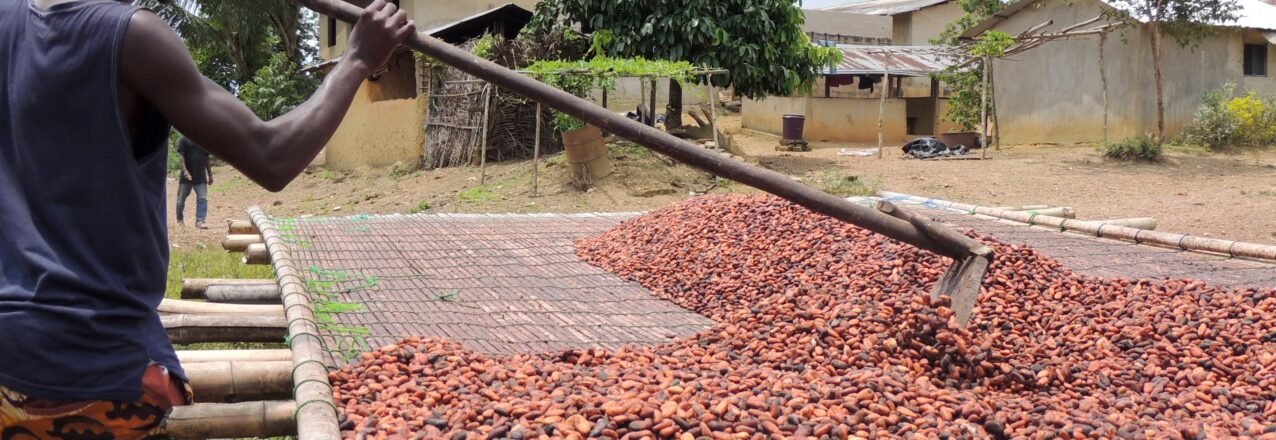
Context photograph by Diorne Zausa (KokoDZ), Wikimedia Commons, CC BY-SA 4.0.

Land governance is “inseparable from the pressures that drive humanitarian needs”

By the Land Facility.

Related project: The Land Facility.

At the opening session of the 5th International Land Management Conference (ILM5), Will Hines, Humanitarian Director at the UK’s Foreign, Commonwealth & Development Office (FCDO), emphasised that land governance is not a standalone issue but a central factor shaping stability, resilience, and development outcomes in fragile and conflict-affected contexts.

Hines opened by noting that land governance is increasingly significant for UK development policy as political and economic pressures intensify globally. He argued that land shapes the incentives, power structures, and institutions that determine whether societies can manage pressures peacefully or descend into conflict.

Though land is rarely the sole cause of conflict, he acknowledged, it often acts as a catalyst for existing tensions, especially where disputes cannot be easily resolved, institutions lack legitimacy, or reforms threaten political interests. Citing the new Status of Land Tenure and Governance (SLTG) report that only 35% of land is formally documented worldwide, he stressed that this leaves over a billion people vulnerable.

These risks are further intensified by the impacts of climate change and economic shocks. Land becomes a nexus where climate adaptation, environmental protection, and food security intersect. Investing in land governance is a way for “getting ahead of the drivers of instability.”

He emphasised the importance of women’s land rights. Despite their central role in agriculture and household resilience, “women hold less than a fifth of registered land rights globally,” making women’s secure access to land essential for gender equity and broader economic and social stability.

He presented the Land Facility Programme as a practical response from the UK to engage with these issues:

“The Land Facility is our practical offer to governments as we think about our future partnerships around the world and the way that those can work effectively,” he said. “It’s a global programme that supports countries to strengthen land governance in ways that promote stability, build resilience and promote sustainable investment.” 

Drawing on an example from Zambia, he showed how partnerships across government, customary authorities, and civil society can reduce conflict risks, strengthen local institutions, and support long-term livelihoods.

Learn more about Land Facility’s work in Zambia 

Concluding, Hines reinforced that land governance is inherently political, as it “determines access to resources…access to power, [and] people’s livelihoods.” For him, this explains why land sits at the heart of humanitarian work: “it’s inseparable from the pressures that drive humanitarian needs and the solutions that can reduce it over time. If we want to reduce fragility, build resilience and help communities withstand the shocks of the future, land governance needs to be a part of that effort.”

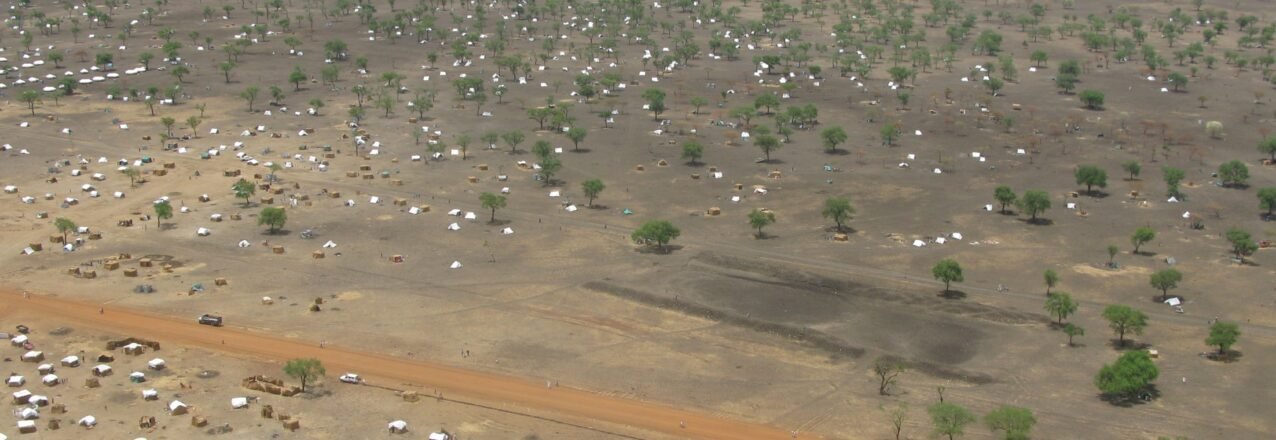
Featured image: Jamam refugee camp, South Sudan, 2012. Robert Stansfield/Department for International Development, CC BY-SA 2.0, via Wikimedia Commons. Image unchanged.

By the Land Facility. Originally published April 1, 2026 by the Land Portal Foundation. Republished from the original article under Creative Commons Attribution 4.0.

Why politics and economics matter for land governance

By the Land Facility.

Related project: The Land Facility.

Top takeaways from the Land International Network for Knowledge (LINK) 5th International Land Management Conference (ILM5)

The 5th International Land Management Conference was the first from LINK to explicitly centre politics and economics in land governance discussions.

Across issues such as customary and women’s land rights, peri-urban expansion, and heritage conservation, presenters showed how these forces shape outcomes in practice.

The two-day conference was organised and delivered by the Land International Network for Knowledge (LINK) at the University of West England (UWE) in partnership with the Land Facility Decision Support Unit (DSU) and the Royal Institute of Chartered Surveyors (RICS) with funding from UK International Development and media support from the Land Portal Foundation.

Here are five key themes that emerged from the ILM5:

1. Land governance is inherently political

“Land governance is inherently political,” said John Meadows, Land Governance Advisor for the Land Facility Programme, during a panel on UK support for international land governance. “That’s always been the case, but it’s become more overtly political.”

As Chris Penrose-Buckley, Deputy Head of Policy and Programmes for Food Security, Agriculture and Land at FCDO, remarked on the same panel, land governance has often been treated solely as a technical field—focused on land titling, surveying, and cadastral mapping.  This year’s conference theme echoed a growing consensus: land governance outcomes are shaped as much by political and economic factors as by the strength of technical solutions. 

Addressing these challenges requires the land sector to work across silos—thinking and working politically to engage with the power dynamics that shape outcomes.

Meadows addresses the panel on UK support for international land governance during ILM5. 
From left to right: Geoffrey Payne (Geoffrey Payne & Associates), Chris Penrose-Buckley (Deputy Head Food Security, Agriculture and Land, Foreign, Commonwealth & Development Office (FCDO)), John Meadows (Land Governance Advisor, Land Facility Programme), and Pam Whitham (Strategic Development Manager, Ordinance Survey). 

2. Land governance is deeply integrated with other international and national development goals, including climate mitigation and adaptation, resilience, food security, conflict prevention, and sustainable economic development. 

“Land is inseparable from the pressures that drive humanitarian needs,” said Will Hines, Humanitarian Director at the Foreign, Commonwealth & Development Office (FCDO) in his opening address to the conference. “If we want to reduce fragility, build resilience and help communities withstand the shocks of the future, land governance needs to be a part of that effort.”

Presentations throughout the conference showcased how robust land governance systems can act as a critical enabler of these wider goals.

3. Land policies have been improving, but outcomes for people have not always improved 

Several speakers highlighted how legal recognition of land tenure for customary communities, women or other groups does not necessarily translate into protections for people. 

“Considering work since 1976, we’ve seen policies improving, but the outcomes have not [universally] improved,” said Geoffrey Payne, a housing and urban development consultant and member of the ILM5 Organising Committee.

This theme was also prominent during the keynote by Ward Anseeuw, Land Tenure Lead at the Food and Agriculture Organization of the United Nations (FAO), who presented on the new Status of Land Tenure and Governance Report (SLTG).

Since countries adopted the Voluntary Guidelines on the Responsible Governance of Tenure (VGGT) in 2012, 71 countries have reformed their land laws, but only a minority fully apply human rights principles.

Tenure insecurity is also rising: 1.1 billion people (23% of adults globally) fear they will lose their land or housing in the next five years, and this insecurity has increased since 2020 due to rising conflicts, economic shocks and living costs.

Speakers discussed the need for land practitioners to analyse the political and economic factors of the contexts where they are working so that they can identify why some policies do not result in more secure tenure and where there are opportunities for sustained reform.

4. Land valuation is complex

Who values land, what is valued, and how that value is expressed are inherently political questions.

Many land governance reforms rely on assigning monetary value to land—to enable access to credit, support land administration systems, and unlock investments. But this process can be costly, requiring technical expertise, legal services, and well-functioning institutions.

Complicating matters further, not all land values can be captured in monetary terms. Land also underpins livelihoods, cultural identity, and ecosystem services—dimensions that are harder to quantify but equally critical to decision-making.

Humanitarian Director at FCDO, Will Hines, addresses participants at Day 1 of the ILM5 conference. Photo by Euan Crawford/Independent photographer

5. Practitioners need to use a range of specific approaches, skills, and attributes to effectively navigate land politics and influence policy formulation and implementation.

Conference participants showcased diverse methods and approaches for engaging and influencing land policy. These included  working with religious leaders in Ethiopia as presented by Netsanet Genene and Rahel Hailu (GIZ, Ethiopia); digital tree mapping in West Africa, presented by Claudia D’Andrea (Land Facility), Aaron Adu (Global Shea Alliance), and Adron Naggayi Nalinya (New Markets Lab); and fuzzy logic modeling of dense urban areas in Turkey, presented by Ece Özmen (Manisa Celal Bayar University).

Left to right and top down: Dionysia Georgia Perperidou (University of West Attica, Greece), Ece Ozmen (Manisa Celal Bayar University, Turkey), Rose Mosi (International Institute for Environment and Development, UK), and Hansika Agrawal (Columbia Center on Sustainable Investment, US) discuss changing approaches to the economics and financing of land governance.

A common thread across all presentations was the need to think and work politically to identify entry points for land governance reforms that result in secure tenure, transparent investments and land uses, and resilient communities.

“The theme ‘politics and economics’ seems to have struck a chord, even though most of our presenters wouldn’t see themselves as political economy specialists or analysts,” said Jessica Lamond, Professor of Real Estate and Climate Risk and Dean for Research and Enterprise in the College of Arts, Technology and Environment at UWE and member of the ILM5 Organising Committee, during her closing remarks from the conference.

“What is clear is that there are very common land governance challenges faced by everyone, and the discussions often revolved around pragmatic approaches to overcoming those challenges.”

Jessica Lamond welcomes attendees to Day 1 of the ILM5 conference. 
Left to right: Will Hines, Humanitarian Director at FCDO, James Kavanagh, Director at the Royal Institute for Chartered Surveyors (RICS), and Robin Bloch, Team Leader for the Land Facility Decision Support Unit (DSU). Photo by Euan Crawford/Independent photographer.

Full presentations and recordings will be available on the LINK website in the weeks following the conference: https://landinternational.network/5th-international-land-management-conference-3-4-march-2026

Top photo: In-person attendees for Day 1 of the ILM5 conference. Photo by Euan Crawford/Independent photographer

By the Land Facility. Originally published April 1, 2026 by the Land Portal Foundation. Republished from the original article under Creative Commons Attribution 4.0. Original embedded images have been omitted.

Context photograph by Colin, Wikimedia Commons, CC BY-SA 4.0.

Ground Rules Ep 6: Understanding the political economy of customary land rights in Indonesia

By the Land Facility.

Related project: The Land Facility.

Lessons from Indonesia on bridging the gap between legal recognition and real-world protection of customary land rights

Ground Rules E06

Editorial note: This is the 6th blog of the ‘Ground Rules’ series—an initiative of the Land Facility Decision Support Unit (DSU) that explores how ‘thinking and working politically’ can support more adaptive and effective programming in land governance and beyond.

In this edition, the Land Facility expands on a presentation delivered during the 5th International Land Management Conference (ILM5) on how the programme and its partner, Land Equity International (LEI), employed Political Economy Analysis (PEA) to assess how formal recognition of customary land rights can translate into real protections for communities.

Quick read:

  • The Land Facility and Land Equity International (LEI) studied a community in Kampung Naga, West Java, Indonesia to assess how Hak Pengelolaan Lahan (HPL)—a form of customary land management rights—could better deliver on its goals.
  • Political Economy Analysis (PEA) helped the researchers understand the power dynamics shaping outcomes and identify pathways for customary land recognition to translate into real benefits for communities.
  • Over 18 months, formal recognition improved perceptions of tenure security, but did not lead to clear livelihood improvements.
  • Perceptions of tenure security remained influenced by political and economic pressures, including planned infrastructure development in the area and misalignment between formal HPL boundaries and customary land use.
  • To turn recognition into real protection, policies and interventions must engage with the wider political economy of land.

A case study from Indonesia offers a useful reminder for those working in land governance reform everywhere: if customary land rights are to translate into real protection and benefits for communities, reforms need to fully account for the wider political and economic forces shaping how land is governed on the ground.

That was the central message of a presentation by Renée Chartres, Senior Land and Legal Specialist at Land Equity International (LEI), at the 5th International Land Management Conference (ILM5) in London earlier this month. Drawing on research in Indonesia conducted under the Land Facility’s country support project, Renée explored how the dynamics of political economy influence whether customary tenure recognition actually delivers greater security and livelihood benefits for communities.

Her presentation spoke to a broader theme running through ILM5, and a message which many land practitioners integrate into their work on a daily basis: that land governance outcomes are shaped not just by public policy, laws, and ordinances, but also by power, incentives, competing land uses, and the institutions responsible for implementation. In other words, even strong legal reforms can fall short if implementation does not reflect local political and land use realities.

 Renée Chartres presents at ILM5. Photo by Euan Crawford/Independent photographer 

This is relevant in Indonesia, where legal pathways exist to claim customary land rights, yet communities still struggle to secure them in practice. Before a community can register its land, it must first be recognised as a Masyarakat Hukum Adat (MHA)— or a customary law community. This is a process that is often bureaucratic and politically driven, requiring extensive evidence and local approval. Where land overlaps with forests, infrastructure, or commercial interests, recognition becomes even harder.

Renée’s presentation focused on land management rights for customary land, set out under Indonesia’s Regulation 14/2024 to help customary communities secure customary land rights outside forest areas. In principle, land management rights or Hak Pengelolaan Lahan (HPL), offers a route for collective recognition and management of customary land, and also has other policy objectives – to improve livelihoods, environmental protections and support economic development across the country. 

But what happens in practice?

To help answer that question, the Land Facility supported a field study led by LEI in Kampung Naga, a traditional settlement in West Java. In May 2024, the community obtained HPL recognition over 1.39 hectares, covering the main settlement. Key livelihood areas, such as agricultural land, remained outside the recognised boundary, leaving much of the customary territory unprotected.

Kampung Naga, West Java, Indonesia. Photo by LEI.

Heightened awareness

One clear takeaway from LEI’s study is that formal recognition improved perceptions of tenure security. The HPL certificate gave the community a level of legal acknowledgement from the state and reinforced its rights over the designated area. But the study also found that this did not lead to clear livelihood improvements during the 18-month research period.

The study also found that external pressures continued to shape local perceptions of security. Planned infrastructure development, including a national toll road near customary ritual sites outside the HPL area, highlights the ongoing vulnerability of surrounding land.

Another important takeaway was that the HPL framework did not fully reflect the community’s own spatial governance system. Kampung Naga follows customary land management principles rooted in the Sundanese philosophy of Tritangtu, which emphasises ecological balance and supports local food and water security. Yet many of the areas governed through these customary rules were left outside the formal designation.

Small meeting at Kampung Naga, West Java, Indonesia. Photo by LEI.

Renée also highlighted several of the political economy dynamics that should be understood when pursuing customary tenure recognition in Indonesia. These include the political nature of MHA recognition, overlapping mandates across government institutions, legal pluralism between customary and state systems, and competing pressures linked to infrastructure, conservation, and investment. Trust also matters. Where there is limited mutual understanding between government actors and communities, implementation gaps can widen. 

Following the HPL recognition in Kampung Naga, government counterparts requested that the Land Facility project help provide a clearer understanding of how the HPL model can better deliver across its multiple objectives. Consistent engagement with government leaders who recognise the need for stronger evidence and data presents an opportunity to refine the model and improve its effectiveness on the ground.

Kampung Naga, West Java, Indonesia. Photo by LEI.

Making sense of complexity

The Land Facility’s conscious and explicit use of political economy analysis (PEA) helps to articulate these underlying dynamics and provide a framework to explain why some reforms that look promising on paper may deliver only partial results in practice. PEA also helps identify what needs to change, whether that is better policy coordination, stronger trust-building, or recognition models that accurately reflect how customary territories are used and governed. Making these dynamics explicit helps move from implicit understanding to more deliberate, effective action.

For the Land Facility, this work is part of a broader effort in Indonesia to support more effective and inclusive customary land recognition. The programme supports the Government of Indonesia to accelerate customary land recognition while also generating evidence on how secure tenure can contribute to food security, sustainable land use, and more resilient livelihoods.

The Kampung Naga study shows that formal recognition is only a first step. To turn recognition into real protection, policies and interventions must engage with the wider political economy of land — including who decides, whose interests prevail, and whether recognition actually maps onto the lands and systems that communities rely on.

Kampung Naga, West Java, Indonesia. Photo by LEI.

Related Links

Read more about Land Facility 

Read more about the Land Facility’s work in Indonesia

By the Land Facility. Originally published April 1, 2026 by the Land Portal Foundation. Republished from the original article under Creative Commons Attribution 4.0. Original embedded images have been omitted.

Ground Rules Ep 5: Making women’s tree rights count

By the Land Facility.

Related project: The Land Facility.

How digital mapping and policy innovation are strengthening women’s shea tree tenure in West Africa

***

Ground Rules E05

Editorial note: This is the 5th blog of the ‘Ground Rules’ series—an initiative of the Land Facility Decision Support Unit (DSU) that explores how ‘thinking and working politically’ can support more adaptive and effective programming in land governance and beyond.

In this edition, the Land Facility expands on a presentation about its Shea Tree Mapping Project delivered during the 5th International Land Management Conference (ILM5) on how digital tree mapping and policy engagement can support women’s resource rights across West Africa. 

Quick read:

  • Shea is a vital resource in West Africa, generating over USD 2.5 billion in export value and supporting an estimated 16 million West African women producers.
  • Women’s rights to harvest shea are rooted in customary tenure arrangements but largely unrecognised within formal land governance systems.
  • Undocumented tree rights puts women shea producers at risk; an estimated 40% of surveyed women report losing access to land or trees they previously managed.
  • The Land Facility is supporting digital mapping tools that can help translate customary tenure into information that governments, financial institutions, and markets can recognise and use.
  • A proposed Shea Tree Tenure Protocol shows how collective action and policy innovation can help secure women’s resource rights while protecting landscapes.

At this year’s ILM 5 conference, held in early March, a team of experts, including Claudia D’Andrea (Land Facility), Aaron Adu (Global Shea Alliance), and Adron Naggayi Nalinya (New Markets Lab) shared lessons from an innovative project in West Africa that is helping make women’s rights to shea trees visible, recognised, and economically meaningful.

The presentation, Gendered Dynamics of Shea: How Digital Mapping and Global Market Expansion Are Reshaping Shea Tree Tenure and Women’s Rights in West Africa’s Shea Parklands, highlighted how strengthening women’s tenure rights over shea trees can improve livelihoods, access to finance, and long-term stewardship of shea parklands.

In the countries of Ghana, Benin, and Togo, where the programme is focused, shea is an important resource. Used in cosmetics and food products worldwide, the sector now generates more than USD 2.5 billion in export value, while supporting the livelihoods of an estimated 16 million West African women producers.

Across West Africa, women typically access shea trees through customary arrangements tied to family land, lineage, or community agreements. This means women may hold recognised rights to harvest and manage shea trees even without owning the land where they grow. Despite their central role in harvesting and processing shea, women’s rights to these trees are often informal and largely unrecognised within formal land governance systems.

“Women have the traditional right to collect and process shea, but in practice, women’s tree rights are conditional, and their relationship with men is what determines who gets to have access to land,” explains Adron Naggayi Nalinya, Agriculture Programs Coordinator in Africa for project partner New Markets Lab.

Women working together to process shea nuts. Photo by Vanessa Adams.

Visibility matters for women’s livelihoods

As pressures on land mount from climate change, agricultural expansion, and competing markets, women are losing access to the trees they have been managing. Evidence gathered through the project suggests that nearly 40% of surveyed shea producers have lost access to land or trees they previously used.

Managing Director of the Global Shea Alliance, Aaron Adu, emphasised, “The lack of documentation also limits women’s access to finance. Lenders and buyers often require proof of control over productive assets before extending credit or entering into supply contracts. When women’s tree rights are undocumented, they remain largely excluded from formal financial systems.”

To address this gap, the Land Facility programme is using digital mapping and geo-referencing technologies to document nearly 100,000 individual shea trees, linking them to the approximately 9,000 women who manage them. This information feeds into a data-protected, open-access platform that allows users to visualise shea parklands and women’s tree tenure relationships.

Snapshots of the Shea Tree Mapping dashboard, visualising individual trees and tenure analysis.

By making these rights visible, the platform helps governments, investors, and buyers better understand the role women play as custodians of shea landscapes.

To get here, Land Facility prioritised consultations with traditional authorities, government institutions, women’s cooperatives, private sector actors, community organizations, development partners, and financial institutions to build broad stakeholder support for strengthening women’s tree tenure rights.

The Land Facility programme is funded by the UK Foreign, Commonwealth and Development Office, and its shea butter regional project is implemented in partnership with the Global Shea Alliance, Farmerline, Level4International, and New Markets Lab. 

Beyond mapping, the project also seeks to influence policy and legal frameworks by identifying gaps in how women’s shea tenure rights are recognised and protected.

The Shea Tree Tenure Protocol

One of the key innovations presented at the conference was the draft Shea Tree Tenure Protocol, a framework designed to document, recognise, and safeguard women’s shea tree-use rights across West Africa’s shea-producing landscapes.

The protocol provides a structured pathway for these rights to become progressively visible and usable within governance, administrative, financial, and market systems—without requiring women to convert their customary rights into full statutory land ownership.

This approach reflects a key insight from the project: strengthening women’s tenure security does not necessarily require replacing customary systems with formal land ownership models. Instead, it requires bridging customary practices, state institutions, and market systems.

This perspective is echoed by traditional leaders working directly with shea-producing communities. Chief Prof Yakubu, traditional leader of the Zugu area and custodian of communal lands in northern Ghana:

“For generations, shea trees have stood quietly across our landscapes, feeding families, sustaining women and supporting a global industry worth billions of dollars. Yet, despite their value, shea trees have remained largely neglected in decision making, policy frameworks and investment priorities. We talk about cocoa, we talk about timber, but shea—this tree that has kept our mothers and grandmothers alive—has been left behind. Development will not come from reports alone. It will come when we use this evidence to change laws, influence policy and protect what truly belongs to our people.”

Through consultative workshops in Ghana, Togo, and Benin, the programme has sought to validate the assessment of gaps in documentation, recognition, usability and protection of women’s shea tenure rights across government and customary leaders to derive targeted recommendations to close these gaps at both national and regional levels. 

Key Lessons 

  1. Natural resource governance often focuses on land parcels, yet livelihoods in many rural economies depend on rights to specific resources—such as trees.
  2. Visibility strengthens rights. When tenure relationships are documented and recognised, women’s bargaining power, access to finance, and ability to defend their livelihoods improve.
  3. Digital mapping tools can help translate customary tenure systems into information that governments, financial institutions, and markets can recognise and use.
  4. Because the shea sector spans multiple countries, regional coordination is key to harmonizing policies and protecting shea parklands.
  5. The shea sector highlights the links between gender equality, climate action, and financial inclusion. The proposed shea tree tenure protocol demonstrates how collective action and policy innovation can help secure women’s resource rights while protecting critical landscapes.

Related Links

Link to shea tree tenure dashboard

Read more about Land Facility 

Read more about the Land Facility’s work in Shea tree tenure in West Africa
 

By the Land Facility. Originally published April 1, 2026 by the Land Portal Foundation. Republished from the original article under Creative Commons Attribution 4.0. Original embedded images have been omitted and one broken link corrected.

Top six reads on policy engagement and influencing

By Emily Hayter and Jojoh Faal.

Related project: The Land Facility.

In the Land Facility Decision Support Unit, we’ve recently been reviewing dozens of examples of policy engagement and influencing efforts from around the world.  A summary of some of the key approaches and examples we found is available in this ‘Good Practices for Policy Engagement and Influencing’ resource. 

Below we share our six top examples and case studies that really got us thinking, rethinking and talking! 

1. Navigating land reform in the Mekong: lessons from a decade of adaptive policy engagement

This is a comprehensive yet also practical learning report that covers over a decade of different influencing tactics at work in diverse contexts. It offers frank reflections and concrete learning points that will resonate for practitioners in any sector. It’s also a nuanced and detailed illustration of the many ways evidence and politics intersect in the land sector. 

Why you should read more:

  • Cross-country comparisons: the MRLG project worked in Cambodia, Lao PDR, Myanmar and Viet Nam, and the learning report offers reflections on the very different types of policy engagement approaches adopted in each of these contexts—as well as how these evolved over time as policy windows opened and closed with shifting political dynamics.
  • Practical reflections: it includes a number of operational details about the project structure and approaches which are often invisible in learning reports but which are critical to enabling effective policy influence approaches, such as on using political economy analysis, key capacities needed in project teams, and aspects of the donor relationship that can maximise possibility for influence.
  • Bonus material: Some further reflections and lessons learnt were shared at the recent LINK conference — you can watch the recording here.

2. ‘Our Land is Our Future’ pledge in Sierra Leone

Written by practitioners involved in the campaign, this article charts the story of how the country’s experimentation with ‘community paralegals’ and multi-level stakeholder engagements eventually led to one of the world’s most progressive pieces of legislation on customary land rights. 

Why you should read more:

  • Fascinating process: ‘Systems change is a process and not an event’, the authors of this article conclude at the end. The article describes how over a decade of activism by female-led community groups led to Sierra Leone passing sweeping legislation to change the way 95% of the country’s land is held and managed.
  • Triumph of community engagement: It’s a powerful story of how engagement tactics can combine at multiple levels to achieve change. It’s also a great example of parliamentary engagement: along the way, the organisers brought more than 700 community members to Freetown, many for the first time, to physically attend parliamentary sittings on the bill.

3. The Child Malnutrition Initiative in Peru

Peru’s experience in dramatically reducing malnutrition between 2006 and 2026 is a well-known success story. It’s a compelling example of a multistakeholder national and international effort ‘working with the grain’ of an enabling government environment offered by a period of technocratic consensus and governance reform. Civil society organisations, academics, donors, national and international NGOs all played their part in these sweeping policy changes which had real impact for vulnerable people.

Why you should read more:

  • Well-documented by multiple partners: Reports from the World Bank, CGIAR, Institute of Development Studies among others have pointed to Peru’s success in reducing malnutrition between 2006 and 2016. The country became a model for others in this period.
  • Maintaining momentum through election cycles: The campaign managed to sustain high level political commitment on malnutrition through three successive election cycles.
  • The aftermath: Despite having great success, gains are now reversing as the issue is no longer a priority. There’s a tantalising interview here with the former Minister of Development and Social Inclusion, suggesting an opportunity for further research on how/why this change came about.

4. UNICEF’s approach to influencing for sustainable financing 

Many policy influence learning reports and good practice guides point to the need to look beyond the obvious sector ministry for policy influence efforts, and instead start better understanding and engaging ministries of finance. 

UNICEF’s report on their ‘Public Finance for Children’ (PF4C) approach provides a great example of how this can work. UNICEF has developed a nuanced approach to understanding and engaging with ministries of finance; and has documented compelling lessons and examples here which are relevant for any sector seeking to influence ministries of finance.

Why you should read more:

  • Walks the talk: UNICEF’s comprehensive report details how this works in practice, and describes the internal capacities within the organisation that are required to implement it.
  • Know your audience: UNICEF’s approach demonstrates a detailed understanding of the inner workings of public finance actors and processes and the practical challenges and bottlenecks that can emerge at different stages of the policy cycle.
  • Communicating evidence: the approach outlines nine different types of evidence and analysis products that UNICEF produces to influence budget allocation and spending decisions. Each of these is tailored to specific stakeholders and types of problems. It also provides a list of types of analysis they want to do less of, explains why, and suggests alternatives.

5. ‘Nine Lessons from issue-based programming’ (Policy Practice)

Focused on lessons drawn from issue-based programming – a development approach which mobilises stakeholders to drive change around locally defined issues – this paper from the Policy Practice examines its application in several countries through case studies of recent FCDO-funded projects. The examples span a wide range of contexts and policy issues, from improving the investment environment in Nepal to spatial planning in Tanzania and seed certification in Malawi.

Why you should read more

  • Focused on FCDO-funded programmes: This piece offers some granular examples from project completion reviews and Annual Reviews showing how projects managed to achieve policy change in many different ways (and offering an interesting insight into how recent programmes have reported on policy change).
  • Defining key policy issues or ‘problems’: the paper shows how the selection of policy issues to focus on was critical. Although the policy issues were cross sectoral, the report finds that selection generally worked best when the policy issues met three criteria: tangibility, tractability and feasibility.
  • Using PEA: the report has some practical examples and suggestions about how to use PEA in practice, as well as reflections on finding space for change in authoritarian political contexts.

6. Short and sweet: rapid response policy influence in Brazil

Many policy influence examples stress the long arc of influence — some of the most compelling stories we read were those which traced years or even decades of engagement. But our last top read is different. This brief case study tells the story of how Brazilian think tank the Veredas Institute managed to influence policy content on children’s screen time in just nine days.

Why you should read more:

  • Not everything takes ten years: Veredas’ experience is a striking reminder of how quickly windows of opportunity for policy change can open up.
  • Positioning and readiness: existing trusted relationships and strong evidence production and communications capacity are needed to be able to respond this quickly.

Bonus resources to explore

There are plenty of practical guides, toolkits and training materials which can be adapted by practitioners to design and implement policy influence approaches. 

The three we’d recommend looking at are: 

  • ODI’s classic ROMA guide to a participatory process for designing policy influence approaches in adaptive programmes, which is now more than ten years old but still in use (and for good reason);
  • Oxfam’s comprehensive Influencing for Impact guide which contains practical worksheets and templates for designing strategies; and
  • The Activism, Influence and Change programme at LSE which hosts a blog on influencing and engagement, a series of masterclasses, plus a handy collection of introductory videos and some great graphics.

By Emily Hayter and Jojoh Faal. Originally published March 31, 2026 by the Land Portal Foundation. Republished from the original article under Creative Commons Attribution 4.0.

Getting from thinking to working: Good practices in engagement & influencing

By Emily Hayter and Jojoh Faal.

Related project: The Land Facility.

Often, when we talk about ‘policy influence’, what we’re really talking about isn’t influencing the policy statement or document at all. The policy itself might be perfectly fine – but it might have very little political will, a non-existent budget, or be ignored by everyone who matters. Or maybe it is being implemented, but in a fragmented landscape in which key actors are not talking to each other or have no meaningful participation. Sometimes, the policy doesn’t even exist yet, and the influencing is about proving that the problem is, in fact, a problem. 

We know this issue is timely for the land sector: at the recent 5th International Land Management Conference exploring the political economy of land governance, there was a call for the land sector professionals to be ‘more skilful, creative and persuasive in getting into the minds of the people [whose behaviour] we want to change’. Strategic, carefully chosen and well-timed policy engagement is a critical element of ‘thinking and working politically’.

At the Land Facility Decision Support Unit, we recently reviewed dozens of policy engagement and influencing examples across a wide range of sectors and contexts. What we found was a rich body of experience and research showing how many different practitioners have grappled with this challenge.  We found many good practices, a few unique gems and distilled them into tips and tactics. The resulting ‘Good Practices for Policy Engagement and Influencing’ resource is a glimpse into what we learnt, as well as our favourite examples from around the world1.

Here’s what we found

In this blog, we outline some of the main themes we saw and heard about when exploring policy influence efforts:

  • Clarity on influencing and engagement goals does enable strategic selection of influencing approaches. This means having specific policy influence goals in mind and specific stakeholders to target in order to nudge change along identified pathways. Projects using Political Economy Analysis (PEA) will have carried out a stakeholder analysis, identified key barriers and outlined opportunities for change appropriate to the given moment. From there, it should be possible to identify a clear purpose for influencing and engagement efforts: is it behaviour change? An update to a policymaking process or procedure? A change in the law? Where there’s no clear purpose for influencing, activities can be diffused and lacking in strategic intent.
  • Building specific operational elements into a project’s earliest design stages can set it up well for policy engagement and influencing. In addition to PEA capabilities, projects are likely to need good communications and facilitation capabilities within the team. An initial timescale, planning and reporting schedule needs to be established with the funder that provides enough flexibility to adapt quickly to policy processes which are complex, fast-changing and not linear. Without these foundational aspects built into project design from the inception period, influencing efforts can be constrained before they begin.
  • Politics really is everywhere, including in the so-called ‘technical’ or ‘bureaucratic’ layer of government. Organisational politics are an important element of any effort to influence policy and may reveal different entry points to those suggested by the wider/macro context. Targeting engagement efforts at specific entry points within an organisation—which department in the ministry, which directors, which working group/committee is an important element of navigating this politics. These might not be the most obvious ones, and provide alternative or less obvious routes to influence that hadn’t been anticipated.
  • The nuts-and-bolts of the policymaking process matter. Some of the great stories we read about policy influence successes demonstrated minute, detailed knowledge of policy processes and procedures—which document needed an added line, which meeting needed an extra agenda item, which event needed an additional stakeholder invited. Knowledge of the machinery of the policymaking and decision-making process to be influenced (both formal and informal) is key. Using champions is a common approach, but leaving influencing efforts too dependent on individuals without attention to the processes they are embedded within can also be a risk.
  • Facilitation is key to building the kind of trusted relationships that lead to meaningful multistakeholder collaboration. Multi-stakeholder relationships, alliances and coalitions are critical to influencing policy. But high quality, carefully planned facilitation, with attention to participatory methods and adult learning principles, can be the difference between tokenistic efforts and real, meaningful engagement. Yet, it’s often forgotten. In reality, stakeholders can be extremely sensitive to how the agenda for discussion is set, who is delivering the messages, in what tone, are they credible and why, how the discussion was planned and the communication around it before the meeting or event. It all matters, because…
  • Good communications matter. And like good facilitation, it takes time, money and expertise to do well. It’s common for projects to focus on the technical quality of their work and forget the communications quality—which, in many cases, can make all the difference between achieving policy influence or not. Many an influencing effort has failed by treating communications as an afterthought or underestimating the expertise and resource required to do it well.
  • The arc of influence is long and twisty. As Catherine Boone told us at the latest ILM conference in her ‘story in four acts’ of land registration in Cote d’Ivoire, Enrique Mendizabal outlined in his twenty-year review of ‘playing the long game’ in Peru and CIFOR-ICRAF show in their experience influencing forestry policy in Ethiopia: the arc of change is long. It’s also full of surprises, twists and turns—especially around elections and other transitions. Sometimes, the end and the beginning are blurred, and the influencing process can often feel like ‘one step forward/two steps back’. 

In closing

One of the most fundamental good practices is that effective policy engagement starts with an understanding of the context you’re working in and the space for change. So, investing in TWP capacity from the project design stages, and—crucially—choosing policy influence approaches and activities in response to PEA insights, enables adaptation of these good practices to specific sectors and contexts. 

There’s a lot of evidence out there about policy engagement approaches and an opportunity to get better at using it. Policy engagement good practices are well established and cross sectoral. The same common learning points come up repeatedly, whether it’s land governance, nutrition, sexual health or education. Responding to these practices will require getting better at learning from across different sectors and recognising common governance issues, and solutions, when we see them.


[1] We’d stress, though: this resource is intended as an inspiration/introduction, it isn’t proposing a single approach with a capital A. There are many excellent guidebooks, handbooks, templates and workshop materials which can support programmes to design and implement engagement and influencing approaches. 


By Emily Hayter and Jojoh Faal. Originally published March 31, 2026 by the Land Portal Foundation. Republished from the original article under Creative Commons Attribution 4.0.

Read Good Practices for Political Engagement and Influencing and download the original guide.

The State of Land Tenure and Governance: A New Global Baseline for Action

Related project: The Land Facility.

In the opening keynote of the 5th International Land Management Conference, Ward Anseeuw of FAO presented a new global report on land tenure and governance, offering both a sobering diagnosis and a much-needed baseline for tracking progress.

At the opening session of the 5th International Land Management Conference, Ward Anseeuw, Lead of the Land Tenure Team at the Food and Agriculture Organization of the United Nations (FAO), presented the newly launched State of Land Tenure and Governance (SLTG) report as a landmark effort to document a field that has suffered from patchy evidence, uneven reporting, and limited comparability across countries. Anseeuw framed the publication as both overdue and urgently needed: While land has become increasingly central to debates on food systems, climate, investment, conflict, and rights, the data needed to understand where the world stands has remained strikingly incomplete.

That, he argued, is what makes the report so significant. Although land has featured prominently in policy debates over the last two decades, particularly since the food price crisis of 2008–2009 and the renewed scrutiny of large-scale land acquisitions that followed, there has never before been a global report dedicated specifically to land tenure and governance. In that sense, the SLTG report establishes a baseline. It brings together a wide range of data to assess not only the current state of land tenure and governance, but also the extent to which countries are making progress.

Read the Status of Land Tenure and Governance (SLTG) report: https://landportal.org/library/resources/978-92-5-140491-1/status-land-tenure-and-governance 

Anseeuw’s first message focused on the persistent weakness of the global land data landscape. While land-related data initiatives have expanded in recent years, land tenure data remains far less available than data in sectors such as public finance, procurement, or health. The gap is even more pronounced when it comes to gender and inclusive land data. This shortfall, he suggested, has direct consequences for accountability and policy. It is also reflected in weak reporting against the land-related Sustainable Development Goal indicators. Despite the existence of three SDG indicators specifically focused on land, reporting rates remain low. At the time the report was drafted, none had reached the threshold of half of all countries reporting, and only a small number of countries had reported across all three. For Anseeuw, this is not simply a technical issue. Political will matters, but so too does the capacity to generate and report data.

The report also sheds new light on who holds land globally and how secure those rights actually are. Legally, states remain the dominant landholders, with nearly two-thirds of global land formally under state ownership. Yet the picture changes substantially in practice. Once actual occupation, management, and use are taken into account, customary tenure occupies a much larger share of the global landscape. According to the figures presented, customary lands account for 42 percent of land in practice, compared with only 28 percent held and managed by states and 20 percent held privately. Even so, only 35 percent of land globally has recognized and documented rights. Put differently, nearly two-thirds of the world’s land remains undocumented, underscoring the scale of the unfinished agenda.

This lack of recognition is closely tied to insecurity. Drawing on Prindex data, Anseeuw highlighted that 1.1 billion people, or roughly 23 percent of the world’s adult population, feel insecure about their land rights. More troubling still, that figure has risen since 2020. He linked this deterioration to the cumulative effects of conflict, displacement, and financial instability, including the growing inability of many people to keep up with mortgages or rents. The message was clear: insecurity is not static, and progress cannot be assumed.

A major contribution of the report, Anseeuw noted, is its ability to disaggregate insecurity and inequality across different groups. In the case of women, the findings confirm patterns that are already widely recognized, but place firmer numbers behind them. In nearly half of the countries reporting on women’s land rights, the gender gap exceeds 20 percentage points. More revealing still is the disconnect between legal reform and lived reality. Many countries have adopted at least some legal measures aligned with women’s land rights under the SDGs, yet these changes have not translated into significant gains in practice. For Anseeuw, this gap between law and implementation is one of the report’s most important findings: legislative progress matters, but it is not enough.

He made a similar point in relation to customary tenure and Indigenous peoples’ rights. Customary territories, he noted, are increasingly recognized as critical for both people and the planet. The report estimates that they contain a substantial share of global carbon and overlap extensively with key biodiversity areas and intact forest landscapes. Yet despite this importance, only a small fraction of customary lands are formally recognized. The consequences are visible in acute levels of perceived insecurity among Indigenous peoples, Afro-descendant communities, and campesino communities in countries such as Colombia.

Anseeuw’s fourth message addressed land inequality and concentration. Here too, the report offers striking evidence. On average, the largest 10 percent of landholdings operate more than half of the world’s agricultural land. When measured in aggregate across the global landmass, the land controlled by the top 10 percent increases to 89 percent of agricultural land. Alongside these patterns, Anseeuw pointed to less visible but increasingly consequential trends in corporate and financial ownership. Large-scale land acquisitions are now dominated by corporate and financial actors, many operating through shareholding structures that remain largely invisible to conventional land administration systems. France, he noted, is one of the few countries beginning to track this systematically, offering a glimpse into trends that likely extend far beyond its borders.

His final message was that progress has been made, but implementation lags badly behind policy ambition. Many countries have undertaken significant land reform processes, and global frameworks such as the VGGTs have had influence. Yet when assessed against principles such as human rights, transparency, accountability, gender equality, consultation, and free, prior and informed consent, adoption remains partial and uneven. Evidence from large-scale land acquisitions in Africa illustrates the same pattern: compliance with responsible governance principles is often weak, and in many cases absent altogether.

Taken together, Anseeuw’s keynote offered neither a simple narrative of failure nor one of steady progress. Instead, it presented a more demanding conclusion. There is now enough evidence to say much more clearly where the world stands on land tenure and governance, but that evidence also reveals how far there is still to go. If the SLTG report serves as a baseline, it also serves as a challenge: to improve data, strengthen recognition, close the gap between law and practice, and confront the structural inequalities that continue to shape control over land worldwide.
 

Originally published March 30, 2026 by the Land Portal Foundation. Republished from the original article under Creative Commons Attribution 4.0.

Read the FAO report and download the PDF on TenureSecurity.org.

Context photograph by Scopritore, Wikimedia Commons, CC BY-SA 3.0.

Bridging Perspectives: Multi-Stakeholder and Digital Platforms for Intersectional Land Governance

By Charl-Thom Bayer, Francisco Carranza and Washe Kazungu.

Related project: The Land Facility.

This blog is adapted from the presentation given by Charl-Thom Bayer & Francisco Carranza at the 5th International Land Management Conference on March 3, 2026. 

Introduction 

Despite the growing use of Multi-Stakeholder Platforms (MSPs) in the land governance sector, power asymmetries, siloed land governance functions, and fragmented information systems can undermine their effectiveness. This blog considers how the integration of MSPs with digital public platforms can move land governance initiatives beyond participatory dialogue. 

MSPs generate discursive legitimacy, while digital public platforms generate informational legitimacy. Impact emerges when these forms of legitimacy converge within decision-making structures. Without integration, MSPs risk becoming consultative forums, and digital platforms risk becoming passive repositories. Together, they can shift land governance from episodic dialogue to structured, evidence-based, and accountable reform.

Beyond Participation: The Governance Role of Multi-Stakeholder Platforms

MSPs may take diverse forms but share a common purpose: to enable different actors to collectively address complex cross sectoral problems. Larsen and Baerletti (2022) define MSPs as “purposely organized interactive processes that bring together a range of stakeholders to participate in dialogue, decision making and/or implementation, with the aim to address a common problem or achieve a common goal”. 

MSPs enhance planning coherence by bringing together actors from across the land sector, including environmental and mining interests, rural communities, civil society and government organisations into structured platforms. MSPs help to align competing mandates and reconcile siloed governance arrangements (Lah 2025). Regular engagement, open information sharing, clear decision rules, inclusion of marginalized voices, and follow through on commitments build trust. 

However, trust depends on predictable institutional behavior; without it, even active participation and dialogue cannot prevent rapid erosion of trust. MSPs are often composed of actors with different positions about topics discussed. Those that are more experienced in negotiation environments and have the capacity to build alliances will win advantages. Furthermore, to increase the likelihood of success, MSPs require a neutral facilitator with technical knowledge and emotional intelligence to understand stakeholder dynamics. Objective guidance is critical to promote dialogue and trust (amongst stakeholders and of the process of achieving the goal itself).

While MSPs may be formal or informal, their effectiveness depends on alignment with institutional or administrative procedures to build trust and influence policy and decision making. Strongly embedded MSPs are recognized in legislation, linked to government ministries, have dedicated budgets, clear reporting obligations, and formal roles in policy formulation. While stronger embedding increases the potential for meaningful policy impact, it also introduces higher political constraints and requires careful navigation of bureaucratic and political dynamics. 

The sustainability and accountability of MSPs depend on their funding model and institutional mandate. Donor-funded mechanisms that function as an MSP are typically accountable upward to donors. State-funded or legislated MSPs benefit from more stable resources and are accountable to parliaments, ministries, or public oversight bodies. MSPs or similar mechanisms without formal recognition, such as Global Action for Land, may rely on reputational accountability, which limits their capacity to enforce commitments or sustain long-term influence, but may serve as an important convening space. 

MSPs have the potential to reduce information asymmetries, but this must be deliberately embedded in their design. Creating structured mechanisms for information sharing and public visibility that documents deliberations, publishes decisions and facilitates data exchange among stakeholders can help to reduce such information asymmetries. When supported by Digital Public Goods, such as open data platforms, interoperable standards, and shared information systems, transparency becomes embedded in MPS processes. In this way, digital platforms can institutionalize transparency, making accessible information the norm. 

From Information to Influence: The Role of Digital Public Platforms

This article looks primarily at digital public platforms through the land data prism. A digital public data platform such as the Land Portal enables the collection, standardization, and open dissemination of land governance-related information. Digital data platforms are not merely repositories of information; they have the ability to structure how knowledge is organized, accessed, and used. By creating a common evidence base and reducing information asymmetries, digital platforms support more coordinated governance processes when linked to MSPs.

An open data infrastructure allows an MSP’s stakeholders to deliberate, align policy priorities and identify contradictions across regulatory frameworks using consistent information (Tumpa and Naeni, 2025). In this way, digital platforms strengthen the analytical foundation upon which coherent planning decisions are made. Open publication of MSP discussions and decisions transform a discretionary practice into a structural feature of governance for enhanced credibility and legitimacy.

Despite their potential, digital public platforms do not automatically equalize power or guarantee legitimacy. Digital divides, data literacy gaps, and unequal internet access (Chikwenda, Bayer, Booth, 2023) may reproduce existing inequalities in participation. Data selection and curation processes also reflect institutional bias, shaping which narratives and indicators gain visibility. Hence, the role of a facilitator in these processes is even more justified to pull together the strings that can bridge the digital platform with the MSP process effectively.

Going beyond convening 

MSPs and digital public data platforms each play distinct but complementary roles in land governance, but their impact depends on their institutional embedding. MSPs create structured spaces for deliberation, negotiation, and coalition-building across sectors and interest groups. Digital platforms organize, standardize, and disseminate the information that underpins those deliberations. Individually, each can enhance dialogue and transparency. Yet neither is sufficient to generate sustained governance impact and trust-building. Moving from convening to consequence requires their deliberate and mutually reinforcing integration with international (global agreements and multinational processes) and national policy processes (ministerial mandates and budgeting cycles). Without such embedding, MSPs risk remaining consultative fora and digital platforms may become parallel information systems with limited relevance.

Operationalizing a digital public data platform requires sustained technical and institutional investment. Interoperable data standards, metadata protocols, secure hosting infrastructure, user-friendly interfaces, regular data updates, and governance arrangements that define data stewardship and quality control are costly. Beyond the technical architecture, platforms require sustainable funding models, partnerships, and clear mandates to enhance reliability and neutrality. Without long-term resourcing, digital platforms risk becoming static repositories rather than dynamic governance tools.

MSPs without robust data infrastructures risk becoming arenas of negotiation shaped by unequal access to information. Conversely, digital platforms without institutionalized deliberative mechanisms risk remaining descriptive repositories. Power asymmetries manifested through informational advantage allow actors with technical expertise or privileged data sources influence agenda-setting and framing. Digital public platforms can help to mitigate this imbalance by establishing a shared and accessible evidence base. By reducing information gatekeeping and standardizing documentation and improving access, digital platforms enhance procedural fairness and strengthen institutional and technical trustworthiness. 

To move beyond convening, four reinforcing conditions are required. First, institutional embedding: MSP outputs and digital monitoring systems must connect to global agreements and/or formal policy cycles and administrative procedures – or at the very least start and head in that direction. Second, sustained resourcing: both deliberative processes and digital infrastructures require stable funding and technical stewardship. Third, accountability integration: transparency tools and dashboards must be linked to review mechanisms capable of triggering corrective action. Finally institutional and technical trust: Stakeholders must have confidence in how discourse is facilitated as well as in the technical competence of the how the digital platform is managed (data quality, data neutrality and data equity). 

Conclusion 

MSPs and digital data platforms each play a critical role in improving land governance, yet their effectiveness depends on their deliberate integration and a facilitator to carry the process and mediate the negotiated approach. Individually, MSPs and digital platforms improve understanding and visibility, but alone they cannot ensure policy change or implementation. When combined, digital infrastructure enhances the legitimacy, equity, and accountability of MSP deliberations, while MSPs translate data into negotiated priorities, policy recommendations, and actionable reforms. Collaboration between convening platforms like GAL and digital platforms such as the Land Portal suggest a potential pathway for integrating deliberation and evidence.

Editing support from Lilian Lee

By Charl-Thom Bayer, Francisco Carranza and Washe Kazungu. Originally published March 20, 2026 by the Land Portal Foundation. Republished from the original article under Creative Commons Attribution 4.0.