
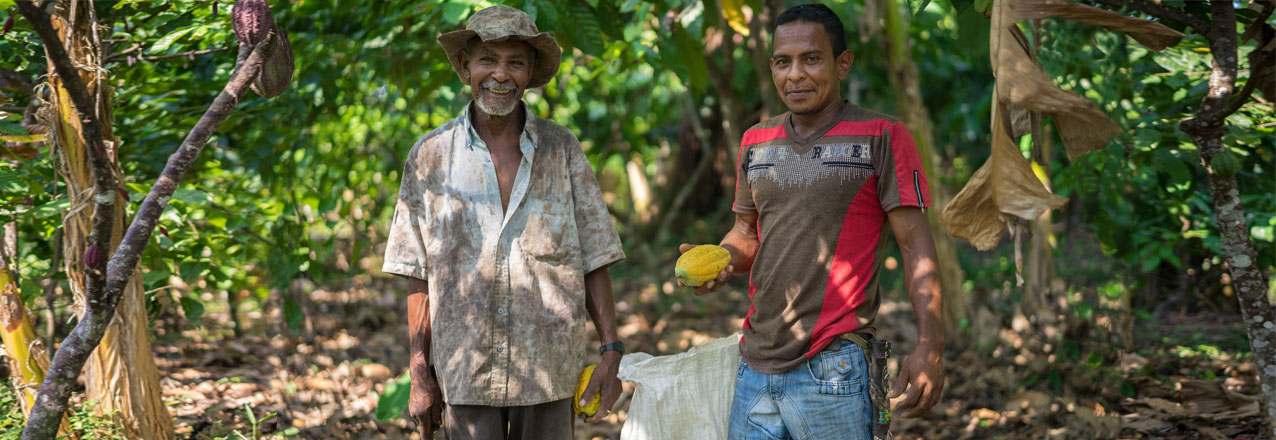
Measuring Change: A Look at the Impact of Property Rights on Farmers

It seems natural to believe that secure property rights affect a farmer’s willingness to make longer-term investments. If farmers do not have secure property rights, they will be less likely to plant and sustain trees, conserve resources or make long term improvements to the soil because their land might be taken away from them before they can reap the benefits of these investments. But does this relationship play out in reality, particularly for the millions of smallholder farmers across the developing world?

This question is important because these types of long-term investments are critical for reducing extreme poverty, improving food security and nutrition, and addressing climate change. Understanding the degree to which property rights affect incentives to invest and conserve is important for policy makers and donors. Which is why USAID is attempting to answer this question in Zambia through a randomized controlled trial – the gold standard of rigorous, scientific impact evaluations.

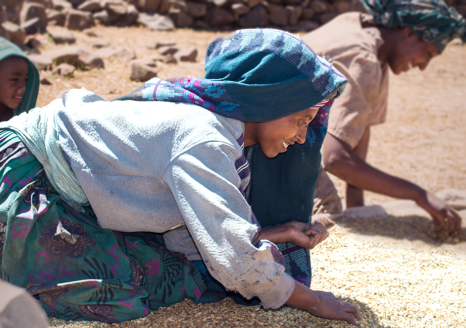
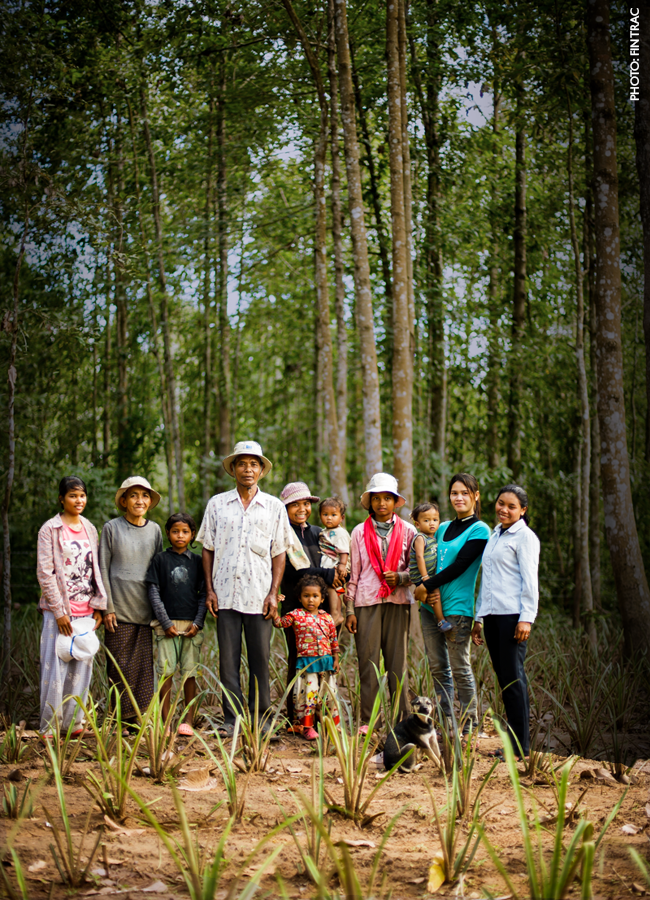
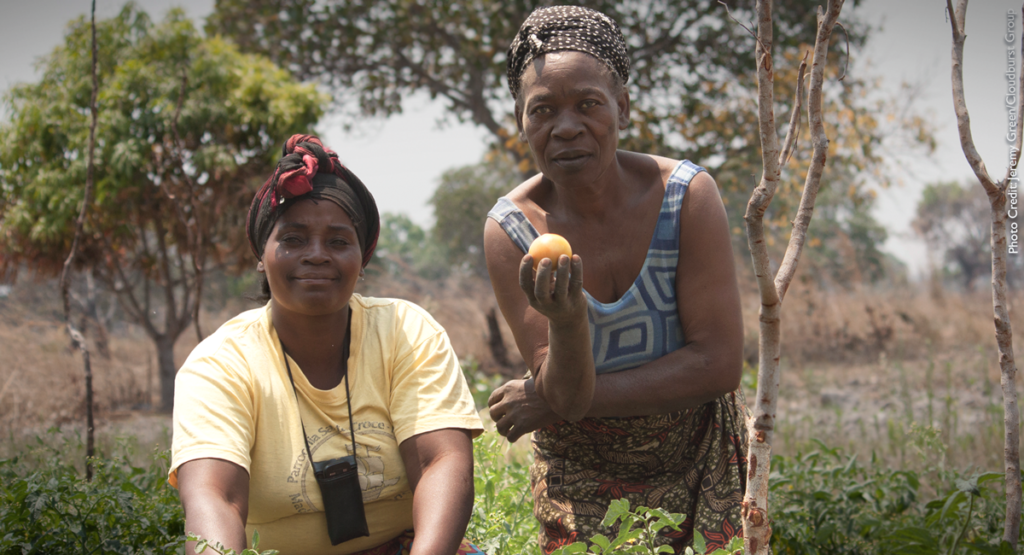
Agriculture supports the livelihood of over 70% of the population in Zambia, including 78% of women. Relative to other countries in the region, it has an abundance of fertile land, water, and a favorable climate for agricultural production. Yet, despite these favorable conditions, crop yields are well below global averages and 80% of rural Zambians live in extreme poverty.

Improved conservation agriculture and agroforestry practices – such as planting fertilizer trees between crops – would help improve crop yields. However, adoption of these “climate-smart agriculture” practices has been low. In eastern Zambia’s Chipata District, agroforestry tree species were planted on only 6% of fields. One reason why might be that many farmers in Zambia do not have secure land rights. The vast majority of rural Zambians live on customary land without formal documentation of their land rights.

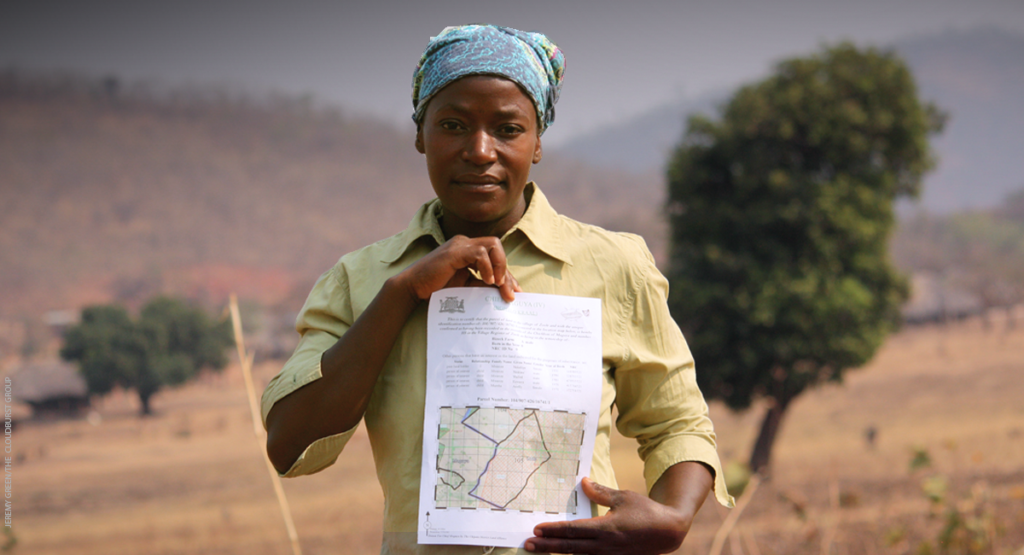
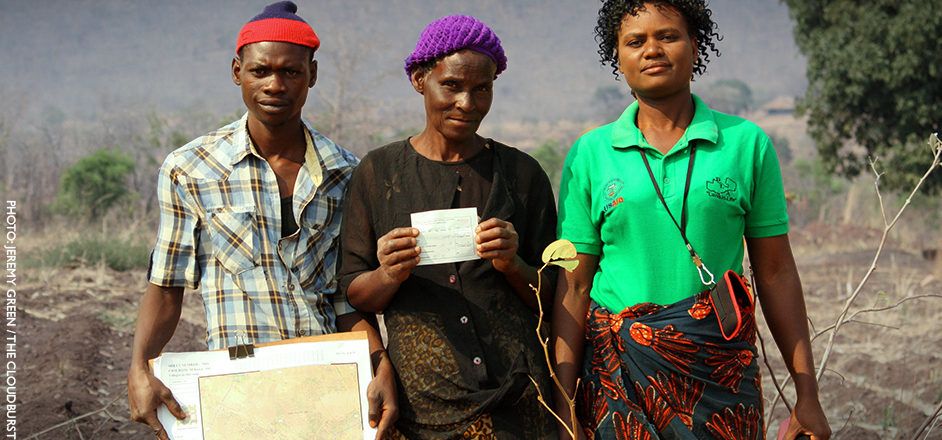
To address this, USAID works with four local chiefs and the Chipata District Land Alliance, a local NGO, to 1) map, demarcate and certify the customary land rights of local farmers and 2) promote sustainable agroforestry practices that facilitate tree planting and survivorship.

To rigorously measure the effectiveness of these approaches, USAID randomly assigned 75 villages to receive the agroforestry extension, 75 villages to receive the land certification program, 75 villages to receive both, and 75 villages to receive neither (the control group). By conducting extensive surveys in these villages over a three-year period, before and after activities take place, the impact evaluation will be able to rigorously measure changes over time. The results will help answer the question of “How do changes in property rights that strengthen a farmer’s perception of long term security over farmland affect a farmer’s decision to practice climate smart agriculture, including agroforestry, on their own farms?”

For USAID – and for the millions of people in the developing world living without secure rights to land and resources – the answer to this question could be an important part of shaping efforts to end extreme poverty, reduce hunger, and address a rapidly changing climate.

Learn more: view a presentation on the baseline findings from this impact evaluation from the American Evaluation Association conference here.

Ask The Expert: Heather Huntington

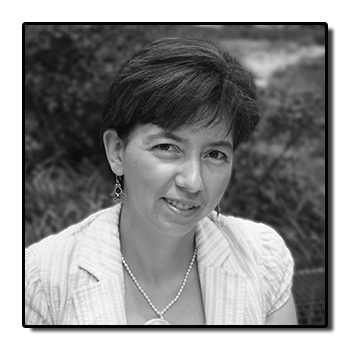
Heather Huntington, PhD

Dr. Heather Huntington is an Impact Evaluation Specialist on USAID’s Evaluation, Research and Communication project, implemented by The Cloudburst Group. She leads the design and implementation of impact evaluations for land tenure and natural resource management projects in Ethiopia, Guinea, Liberia and Zambia. Dr. Huntington is among the authors of the 2015 World Bank Paper: Perceptions of Tenure Security and a presenter at the American Evaluation Association (AEA) Conference discussing impact evaluations testing improvements to land tenure in the context of climate smart agriculture in Zambia, artisanal diamond mining in Guinea and community forestry management in Zambia. As part of our Ask the Expert series, we asked Dr. Huntington to describe some of the processes that go into designing and implementing an impact evaluation for USAID:

Question: Tell us about yourself, what is your professional background?

Answer: I design and implement impact evaluations related to land tenure and natural resource management, service delivery and local governance. I received a PhD in Public Policy and Political Science from the University of Michigan and my dissertation was an impact evaluation of a USAID water demand management project in Southern Kyrgyzstan. After graduate school, I served as a full time Democracy Fellow for USAID’s Center of Excellence on Democracy, Human Rights and Governance, where I continue to have an affiliation. My role in the Center was as an impact evaluation specialist for democracy- and governance-related projects.

Question: Why are impact evaluations significant to USAID’s land tenure work?

Answer: Impact evaluations are an important tool to measure the effectiveness of programs in achieving their desired results. Specifically, they can improve USAID’s programming by refining an intervention to an outcome of interest, such as higher agricultural productivity or lower levels of conflict. Impact evaluations help decision makers identify and address holes in the logic of a program’s design.

In addition, well-designed impact evaluations often involve a large number of household surveys and thus produce a large amount of useful data that can serve multiple purposes. This includes testing the program theory and hypotheses, but also exploring many other research questions in depth.

Question: What are some of the key take-aways from the land tenure impact evaluations you are presenting at the AEA conference?

Answer: One take-away is that it it is important to plan for an impact evaluation at the initial design stage of a program, including conducting a cost-benefit analysis, to help determine the type of impact evaluation the program should use. This is important because rigorous experimental designs require that the program implementation design be written into the fabric of the program design as early as the project’s approval stage. Quasi-experimental impact evaluations are generally the easiest to carry out from implementation standpoint, however,  from a research perspective, these methods have numerous drawbacks and present multiple methodological challenges.

Considerations such as if the impact evaluation includes a community listing, or pre-census, of the study areas under evaluation is often imperative for the sampling design and needs to be factored in at the budgeting and planning stage. Additionally, factors including the preferred data collection method, should be examined. In our experience,  electronic data generally produces higher quality data than paper data collection but requires significant preparation, programming and training for local data collection firms..

Finally, a rigorous impact evaluation requires very close collaboration between the evaluation team,  program implementer and donors. While the evaluation should be led by independent third-party groups, communication and coordination regarding timing, interventions and geographic scope is essential between the evaluation team and implementing partner.

Question: Why is the American Evaluation Association Conference important and why is it significant that USAID’s land tenure impact evaluations are presented at this conference?

Answer: I believe that development partners and researchers will be interested in learning about our data and research products and that other evaluation specialists and firms will be interested in learning about our process and methods. In addition to ‘getting the word out’ about what we are doing and what we have learned, it is helpful for us to know what other work is being done in the field of  land tenure and natural resource evaluation.

From the Field: Climate Change Impact Evaluation in Zambia

Persha_LLauren Persha, PhD, is an Assistant Professor in the Department of Geography at the University of North Carolina at Chapel Hill, and a Research Advisor at The Cloudburst Group. In her role as an advisor, she provides research and technical guidance on a portfolio of USAID-funded impact evaluations in the land and resource governance sectors – including impact evaluations of land tenure projects in Ethiopia, Zambia, Guinea, and Liberia.

Dr. Persha has been involved in evaluation work in Eastern Zambia since 2014, where she contributes to the design and implementation of a randomized controlled trial impact evaluation of USAID’s Tenure and Global Climate Change project.

SET UP
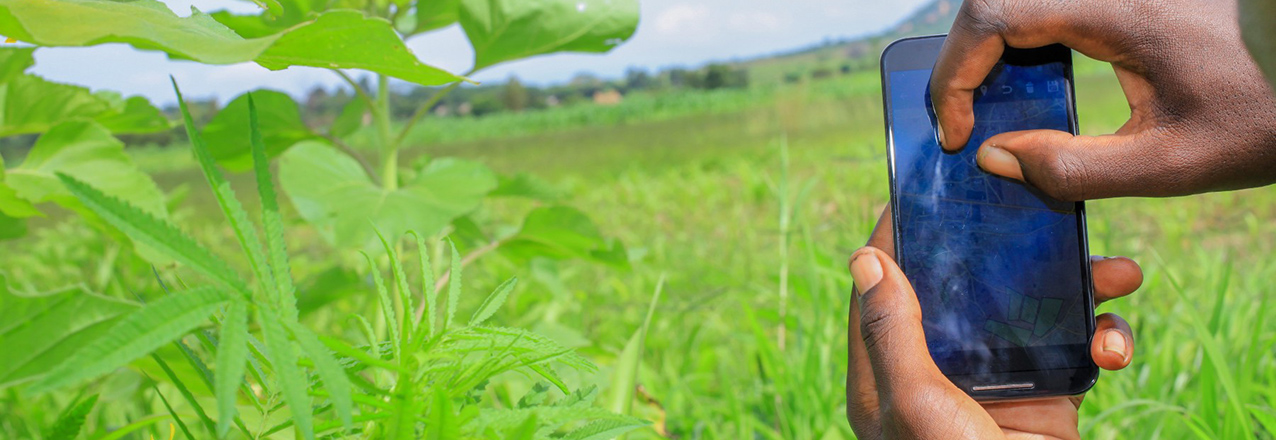
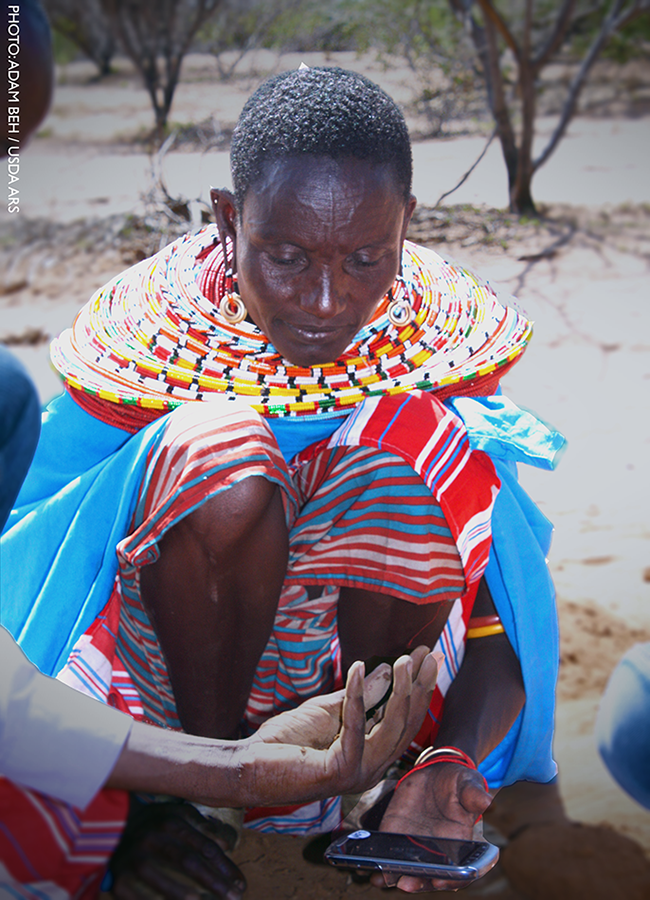
Conducting rigorous, field-based, mixed qualitative and quantitative methods impact evaluations at scale–as we are currently doing for the impact evaluation of USAID’s Tenure and Global Climate Change project in Zambia–is no easy task. This particular evaluation collects data with smartphones and Open Data Kit to survey 3500 households across 300+ villages, and has enumerator teams conduct focus group discussions and key informant interviews across a range of important village groups. The logistics of an intense rollout of data collection across a large geography, with many survey administrators, in a condensed time frame, can be quite a challenge.

SURVEY INSTRUMENTS
These types of evaluations are built upon a comprehensive set of survey instruments, which must be tailored to local contexts while also allowing for an eventual broader comparability. In addition to being unique, yet generally comparable, these evaluations must also adequately capture information on a range of indicators and potential mechanisms by which households are impacted by project activities over time. Close collaboration between the third-party evaluation team and project implementers is essential, as is the careful timing of the evaluation with the sequencing of project activities.

SURPRISES
Unexpected field challenges are par for the course, so flexibility is key. For example, developing an appropriate sampling frame for the household surveys was a challenge in Zambia, where the evaluation team had only lists of village names to work with because comprehensive information around villages and their locations did not exist. Verifying village information during survey implementation uncovered inevitable discrepancies–such as villages listed under multiple names or located outside the project area–and led to the evaluation team eventually conducting its own full listing of communities in other project areas prior to roll-out.

SWEET SUCCESS
The broader payoff to the development sector in undertaking impact evaluation work is high. The benefits of using rigorous and direct evidence to grow the knowledge base around the impacts by which innovative land tenure programming may achieve its development objectives extend far beyond that of any individual project. Given the current visibility and growing acknowledgement of the role that land tenure issues play on household welfare–as well as potential knock-on effects for governance, land use sustainability, food security, female empowerment, and so on–such evaluations also contribute valuable evidence on how to increase effectiveness of future development programming across a wide range of sectors.

Women, Land and Food: You Asked, We Answered

At the October 27, 2015 Women, Land and Food Event there were more questions from our in-person and online audience than we were able to answer. We wanted to address this by answering some of the most interesting questions we received:

Question: What are some initiatives or projects by USAID to address women’s land rights in Africa?

Answer: One example is Rwanda where USAID supports the development of high-quality evidence-based research that examines gender rights in practice. The project helps inform citizens, NGOs and the government on how best to engage women and men to secure women’s land rights; what the barriers are to securing those rights; and policy implications for the country’s land reform efforts.

USAID projects also address women’s land rights in other regions. Some examples of USAID’s work on securing women’s land rights that you might be interested in include Kosovo, Tajikistan and Vietnam.

Question: Do we see the same sorts of returns on investment in tenure for women where livelihoods are pastoralist-based rather than agriculture-based? This is especially interesting because often pastoralist land ownership is communal. How can we overcome the challenges to grant women greater access to formalized partnerships in this type of land ownership scheme?

Answer: This is a very interesting question and an area where donors and civil society may need to dedicate further research. Some existing research that has addressed the challenges women face under pastoralist systems include:

  • Fiona Flinton, “Sitting at the table: securing benefits for pastoral women from land tenure reform in Ethiopia”
  • Elizabeth Daley, “Securing land rights for women”
  • And the Maliasili Initiatives has some interesting work on pastoralist women in Tanzania

Question: Do you see ICT playing any role on LTPR especially for women and marginalized indigenous groups?

Answer: Yes, information and communications technology (ICT) can play an important role in expanding access to land administration services. One example of this is a USAID project that works with Tanzanians to map and record land rights – reducing the time and cost of formalizing rights to land. ICT can help in other ways such as to help improve transparency in the land sector, which reduces problems of corruption. It can also help by crowdsourcing important information about forest boundaries, locations of pastures and migration routes (for pastoralist communities) and help to identify water sources.

Question: Are your programs striving for gender equality or gender equity?

Answer: USAID’s program work to comply with sector-level best practices as well as with the Agency’s Gender Policy – this means that USAID programming should strive to promote gender equality and women’s empowerment. In the land sector, the Voluntary Guidelines on the Responsible Governance of Tenure of Land, Fisheries and Forests (VGGT) place strong emphasis on importance of gender equality and the need to respects women’s rights to property and housing, which are recognized under the Convention on the Elimination of all Forms of Discrimination Against Women (CEDAW) convention and its Optional Protocol.

Question: I was wondering, where did you work in Kenya and what were your experiences dealing with rigid gender norms around land ownership? What strategies did you employ?

Answer: In Kenya, USAID worked with villagers in Ol Posimoru to engage men and women, boys and girls in discussions about the rights that women hold under the 2010 Constitution and the roles and responsibilities of elders to uphold those rights. Male villagers spent time learning about the contributions women make to the well-being of the community and how women and girls would be able to contribute more to their communities and families when tenure rights were more secure. As a result of trainings and community engagement women were elected to serve as elders and now they a part of the local governance institutions. Read more about this project in Kenya.

In Case You Missed It: Women, Land and Food

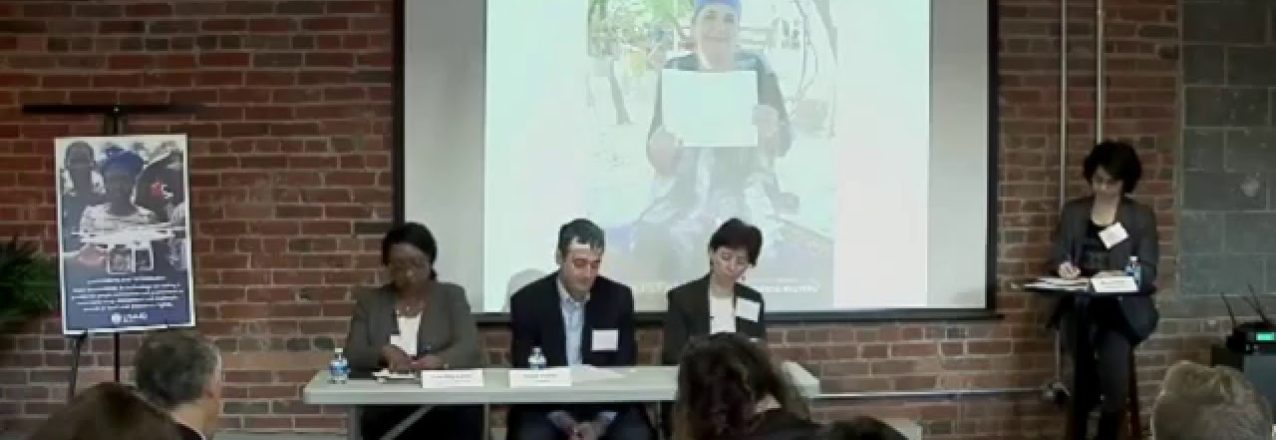
On October 27, 2015, USAID, Landesa and the International Food Policy Research Institute (IFPRI) held a panel event at on Women, Land and Food. This panel event examined the challenges, programming lessons and growing body of evidence demonstrating the profound link between land rights, food security and women’s empowerment.

Panelists included:

  • Charles North, Senior Deputy Assistant Administrator, USAID (Moderator)
  • Chris Jochnick, CEO, Landesa
  • Susan Markham, Senior Coordinator for Gender Equality and Women’s Empowerment, USAID
  • Lauren Persha, Assistant Professor at the University of North Carolina at Chapel Hill, and Research Advisor at The Cloudburst Group.

You can watch a recording of the entire event, view one-on-one interviews with Susan Markham and Chris Jochnick and explore the photo gallery highlighting international development work involving women, land and food below.

To make sure you receive updates on future events and get up-to-date information on land rights, sign up to receive our newsletter.

Recording:


Event Slideshow:

Women, Land and Food

Interviews:


Chris Jochnick – Women, Land, and Food Interview

On October 27, 2015, from 9:30 AM to 11:00 AM EDT, USAID, the International Food Policy Research Institute (IFPRI) and Landesa hosted a panel event to discuss the intersection of women’s empowerment, land rights and food security at IFPRI’s headquarters at 2033 K St NW, Washington, DC. Chris Jochnick, one of the panelists and Landesa’s CEO, went into greater detail with three additional questions.

Susan Markham – Women, Land, and Food Interview

On October 27, 2015, from 9:30 AM to 11:00 AM EDT, USAID, the International Food Policy Research Institute (IFPRI) and Landesa hosted a panel event to discuss the intersection of women’s empowerment, land rights and food security at IFPRI’s headquarters at 2033 K St NW, Washington, DC. Susan Markham, one of the panelists and USAID’s Gender Coordinator, went into greater detail with three additional questions.

Panel Discussion: Women, Land and Food

Throughout much of the developing world women have fewer rights and less access to one of the most important livelihood assets: land. While situations vary across countries and contexts, in general, women own less land than men. Moreover, the land that women do control tends to be smaller in size and inferior in quality to land controlled by men. This often limits women’s economic opportunities and leaves them more vulnerable to poverty, hunger and displacement. Yet a growing body of evidence demonstrates a profound link between stronger women’s land rights and a variety of critical development issues, including enhanced food security and improved household nutrition. Acknowledging this, in September the international community officially adopted the Sustainable Development Goals – which included ending poverty, achieving food security and gender equality as Goals 1, 2 and 5 – and all included land rights and resources as a key underlying component. In the U.S., Congress recently passed the Girls Count Act, which built on USAID’s Gender Policy of 2012 and prioritizes women’s land and property rights in development programs.

On October 27, 2015, from 9:30 AM to 11:00 AM EDT, USAID, the International Food Policy Research Institute (IFPRI) and Landesa hosted a panel event to discuss the intersection of women’s empowerment, land rights and food security at IFPRI’s headquarters at 2033 K St NW, Washington, DC. The panel event was open to the public and streamed live online.

Event Start Date: Tuesday, October 27, 2015 – 09:30
Event End Date: Tuesday, October 27, 2015 – 11:00

Moderator:

Charles North (USAID), Sr. Deputy Assistant Administrator, Bureau of Economic Growth, Education, and Environment

Charles North is a Senior Foreign Service Officer and has held numerous Washington leadership positions within USAID and the State Department.

Panelists:

Chris Jochnick (Landesa), CEO

Chris Jochnick is a global land rights expert and social entrepreneur with decades of experience in international development. Prior to joining Landesa, Chris lead Oxfam America’s work on business and development, including the “Behind the Brands” campaign.

Susan Markham (USAID), Gender Coordinator

Susan Markham comes with an extensive background in both domestic and international women’s political empowerment. She most recently supported the aspirations of women around the world to be equal and active partners in shaping and leading democratic societies at the National Democratic Institute (NDI).

Lauren Persha (UNC / Cloudburst), Research Advisor

Lauren Persha (Ph.D.) is an Assistant Professor at the University of North Carolina at Chapel Hill, and a Research Advisor at The Cloudburst Group. Her research broadly examines the intersection of natural resource sustainability, human welfare, and environmental governance.


Food Security and Tenure Security

Guest commentary by Paul Munro-Faure, Deputy Director, Climate, Energy and Tenure Division, FAO, Andrew Hilton and David Palmer, Senior Land Tenure Officers, FAO.

October is a month that is closely linked to food security. The Committee on World Food Security (CFS), the UN forum for policies concerning food security, holds its 42nd session during October 12-15. At its 38th session in 2012, CFS formally endorsed the Voluntary Guidelines on the Responsible Governance of Tenure of Land, Fisheries and Forests in the Context of National Food Security. These Guidelines were negotiated by governments from all regions of the world with the participation of civil society and the private sector, through the forum of CFS, following a global consultation process led by FAO, the Food and Agriculture Organization of the United Nations.

October 16 commemorates World Food Day, which this year marks the 70th anniversary of the founding of FAO. Land tenure, along with many other factors, was linked to the goal of freedom from want of food at a conference in the USA in 1943, which committed to the founding of a permanent organization for food and agriculture. An interim commission then laid the groundwork for FAO, which was based in Washington, D.C., until its headquarters were moved to Rome, Italy in 1951.

On World Food Day this year, the UN Secretary-General and the FAO Director-General will be joined by the President of Italy and the Italian Ministers for Agriculture and Foreign Affairs for the official celebration at Expo Milano. The theme for the international Expo is fitting: “Feeding the planet, energy for life”. The Expo, which opened in May and closes at the end of October, provides a location for confronting the issues of agriculture, sustainable development and the struggle to combat hunger. A number of its events have featured aspects of land tenure, such as the importance of secure tenure rights for women and the dangers of people losing their tenure rights, for example through agricultural investments that lack appropriate safeguards.

The Voluntary Guidelines on tenure have now become the globally-accepted standard for improving the governance of tenure for all, with an emphasis on vulnerable and marginalized people. While the guidelines were prepared in the context in food security, they also contribute to other development goals, including poverty eradication, sustainable livelihoods, women’s tenure rights, social stability, housing security, rural development, environmental protection and sustainable social and economic development.

The guidelines provide a framework that can be used by governments, civil society, private sector, citizens and philanthropic foundations. They are providing guidance to the Global Donor Working Group on Land, where FAO is collaborating with USAID and other bilateral and multilateral members to improve coordination and the sharing of information on efforts to improve the governance of tenure. This working group meets on 16 October, at IFAD in Rome, as part of its regular program of bi-annual meetings to progress its work plan, which includes during the current period supporting four studies on: i) Open data, innovative technology-based solutions for better land governance; ii) Successful models for partnerships between developed and developing/emerging countries for better land governance; iii) The most promising tools for donors to help make good land governance into a corporate performance standard; and iv) Effective approaches to strengthen coherence across donor governments regarding good practice in land governance. The Working Group is also supporting technical meetings on 14 and 15 October to discuss, respectively, the promotion of the Voluntary Guidelines and their integration into donor supported activities and the alignment of the Land Governance Assessment Framework (LGAF) and other assessment tools with VGGT implementation at country level.

The guidelines are now being used by a wide number of organizations, including FAO and USAID, in their own programs.

As a framework for improving tenure and its governance, the guidelines are expected to be the key reference for work on tenure in support of the achievement of the Sustainable Development Goals, which were formally adopted by the General Assembly of the UN in New York on 25 September.

Donors Release New Tool for Responsible Investment; Seek Companies for Pilot Projects

For investors seeking to purchase, lease or access large areas of land in developing countries, understanding the complex land tenure realities – who has what rights or claims to which pieces of land – can be the difference between a failed investment and a successful, responsible one. Failing to account for or adequately compensate individuals or communities with claims to land that is slated for investment can lead to displacements or loss of livelihoods for local people and communities, and can create significant financial or reputational risks for the investor as well. For investors, conducting proper due diligence and structuring responsible land-based investments to account for all stakeholders can be extremely complex in situations where rights to land are unclear, undocumented, overlapping, or poorly enforced – which is often the case in developing countries.

For these reasons, a group of development organizations, under the leadership of Grow Africa and the New Alliance for Food Security and Nutrition, have released a new tool to help investors better understand risks related to land-based investments and manage them responsibly: the Analytical Framework for Investors Under the New Alliance. The Analytical Framework is designed to help investors identify practical steps to align their policies and actions with global best practices and relevant international guidelines, such as the Voluntary Guidelines on the Responsible Governance of Tenure (VGGT) and the UN Guiding Principles on Business and Human Rights (also known as the Ruggie Principles), and the African Union’s Guiding Principles on Large-Scale Land Based Investments.

Along with a range of other bilateral and multilateral development partners, USAID played a key role in developing the Analytical Framework through a collaborative multi-stakeholder process. USAID’s Operational Guidelines for Responsible Land-Based Investment form the basis of many of the recommendations in the Analytical Framework.

As a next step, Grow Africa is seeking interested companies to pilot the framework in actual investments projects in Africa to determine their effectiveness. Please contact Grow Africa at info@growafrica.com if your firm is interested in participating in this pilot.