
A Future of Forests

USAID is providing the Colombian government with the tools to improve land administration and reduce deforestation in the Amazon

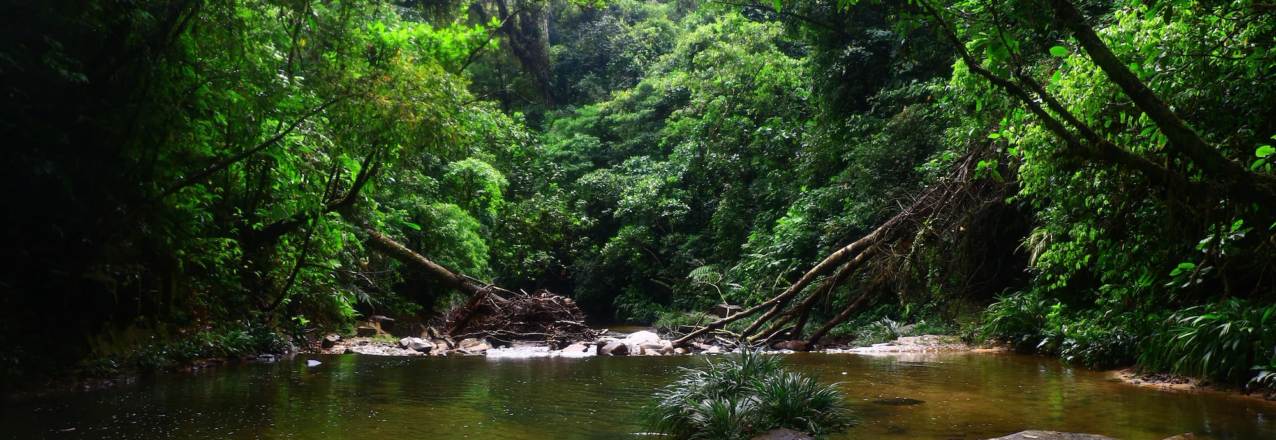
More than half of Colombia is forested, and the majority is concentrated in the Amazon. The country’s forests are one of its most valuable resources, but are threatened by the expansion of cattle ranching, illicit crop plantations, and illegal mining. All of these activities drive deforestation and put rural communities in a vulnerable position.

In the northwestern corner of Colombia’s Amazon rainforest, the government is fighting land grabbing for cattle ranching in an attempt to protect the ecosystems and biodiversity of the country’s treasured wilderness. As land is cleared, ranchers dig deeper towards protected areas like the Chiribiquete National Park, a UNESCO World Heritage Site covering more than 4 million hectares.
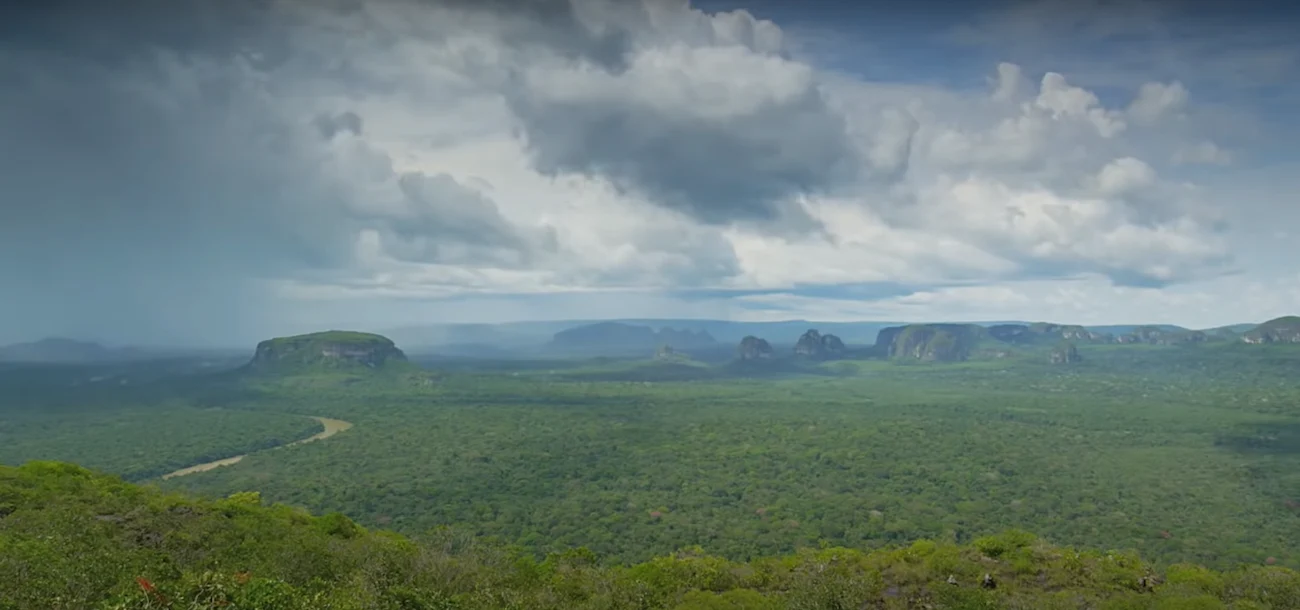
The National Park includes 13 geomorphologically distinct types of tepuis as well as arches, labyrinths, and caverns. (PNN Colombia)

A 2021 special investigation by the International Environmental Agency found a connection between illegal deforestation and the region’s armed conflict. According to the investigation, illegal cattle production has increased threefold since 2015, and in a four-year period, 17,000 hectares were cleared in the buffer zones surrounding areas of Chiribiquete National Park.

To counter deforestation, the government first requires knowledge about land and forest use in these areas. The USAID Land for Prosperity Activity is providing the government with tools to improve land administration in and around the park, starting with updating the cadaster of the Chiribiquete National Park and its buffer zones.
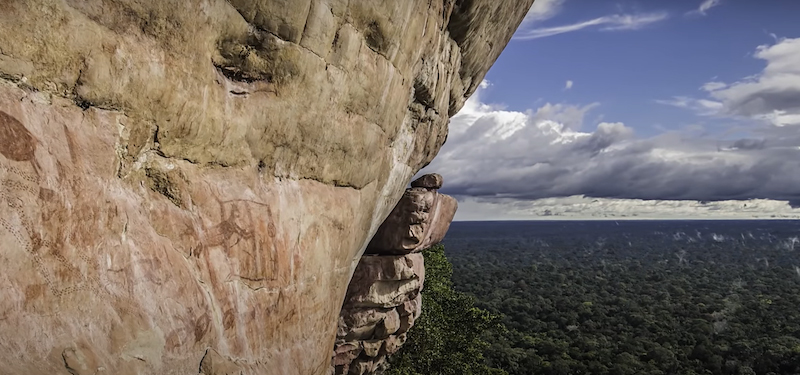

Chiribiquete is home to many iconic species including Jaguar, Puma, Lowland Tapir, Giant Otter, Howler Monkey, Brown Woolly Monkey. A high level of endemism occurs, and the number of endemic species is likely to rise substantially once new research programs are implemented. (Photos: PNN Colombia)

“The country needs to know how much land we have, which of it is public and which is private, how much it is worth, how it contributes to productivity, environmental conservation and the country’s development.”

–Gustavo Marulanda, Director of Colombia’s catastro authority IGAC.

USAID has supported the government with high-quality aerial photography, on a scale of 1:10,000, of more than 500,000 hectares of land currently occupied by rural families in Chiribiquete’s buffer zones. With more accurate photography, the government can improve deforestation monitoring, community engagement, and law enforcement.

Proper land use management and administration in protected areas like national parks disincentivizes illicit crop cultivation. The strategy is based on the logic that addressing land tenure issues and strengthening sustainable rural development will disincentivize further deforestation and promote biodiversity conservation and climate change mitigation.
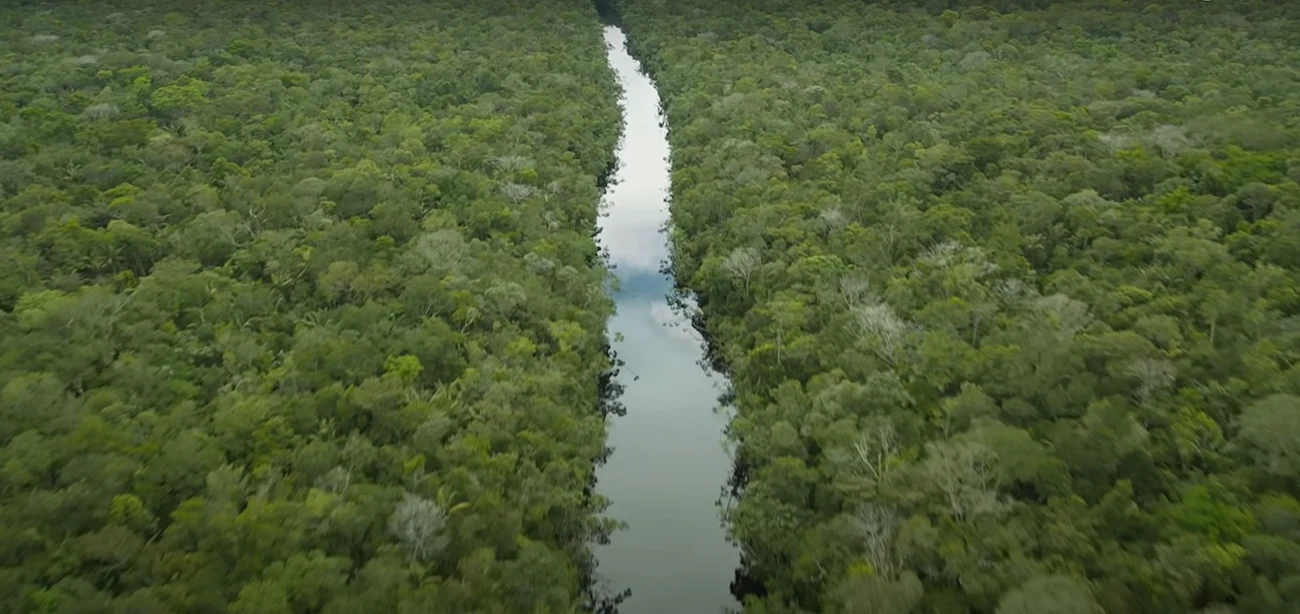
“The Government of Colombia conducts periodic flights to identify the deforestation and illegal occupation areas. These are public parcels that need to be identified to control and restore the area while reducing the possibility of affecting the natural and cultural heritage.”

-Carolina Jarro, deputy administrator in the National Parks Authority.

In the remaining area of Chiribiquete, USAID is supporting aerial photography to survey more than 3.7 million hectares. The scale of the aerial photography for the forested areas of the park is 1:50,000. Once the entire area has been surveyed, the government will validate the information only after carrying out free, prior, and informed consent methodologies with indigenous groups living in the park.

“Protecting the uncontacted indigenous groups in this territory is a challenge because of the risk of cultural loss after contact with land grabbers,” explains Jarro.

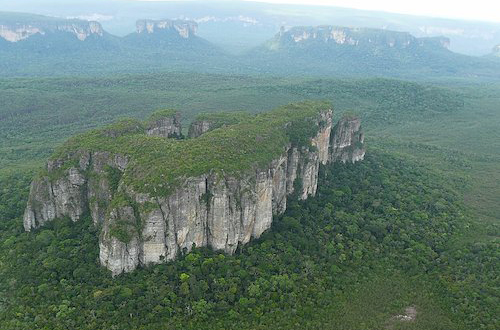
Despite the fact that limited scientific research has been undertaken in the property, data available shows that 2,939 species have been recorded, according to the UNESCO. (Photos courtesy of PNN Colombia and Colombia Oculta).

In the Limelight

A USAID facilitated Public Private Partnership looks to expand production and market linkages for lime producers in the Eastern Plains of Colombia

Colombian Limes

From mojitos to margaritas, limes have played a role in how society interacts for generations. Today, limes are ubiquitous with bars and restaurants and featured in cuisine across the globe thanks to a unique citrus taste, and the demand for limes grows every year.

Limes are one of Colombia’s top three fresh fruit exports behind banana and avocado, and over the last decade have become a cash crop for thousands of fruit farmers. The Tahiti lime (Citrus latifolia) is the most prevalent species grown in Colombia.

Due to Colombia’s varied climates and elevations, lime exports nearly doubled in the four-month period of January to April 2022, compared to the same period in 2021, according to government data. In 2021, Colombian farmers harvested more than 257,000 tons of lime from 17,500 hectares of orchards.

The Department of Meta, which is one of Colombia’s most important food growing regions, represents just 8% of the total. In Meta, which is known for sweeping plains and rivers, there are only seven lime orchards with export registrations and a lot of room for growth.

There are only seven lime orchards with export registrations in the Department of Meta, located in the Eastern Plains of Colombia.

“In Meta, if you want it, you can get it. The tahiti lime from Meta is good and a new product for many farmers here. I want to tell everybody about this big opportunity that is just beginning to be recognized internationally,” says Julio Eastman, CEO of Merlet, a Meta based fruit processor and exporter.

The Lime PPP

Thanks to a public-private partnership facilitated by USAID Land for Prosperity, Meta’s lime farmers are getting the chance to improve their businesses and access export markets. The PPP, which is valued at more than US$ 450,000, initially targets over 100 growers from Puerto Lleras and Puerto López municipalities.

Under the PPP, these two groups of smallholder farmers will receive new skills and knowledge about tree maintenance, post-harvest processing, and agribusiness to improve the management of 120 hectares of lime orchards. Two fruit exporters, including Merlet, signed onto the partnership to provide farmers with market channels abroad like Europe and USA.

In Meta, farmers face issues with proper orchard management, a lack of technical support, and little investment in irrigation systems. With no collective marketing schemes, each producer must pay logistical and operational costs to bring the product to the local market.

“Meta’s growers are facing challenges to deliver larger quantities on time and with traceability, that is, certification,” explains Eastman. “The opportunity is to work together on large deliveries. There is a lot of land in Meta, and the lime has already proven that it is a good product that our customers like and want more.”

original (7)
The Lime PPP in Meta seeks to strengthen the lime value chain in Meta by transferring skills and strengthening the knowledge of production systems and agribusiness. PPP stakeholders will develop the business capacities of producers and focus on youth.

Orchards Expanding

The PPP includes a chorus of public sector support, including the Rural Development and Territorial Renovation Agencies (ARD, ART), the National Agricultural Institute (ICA), and Agrosavia, which is the government’s agro research and innovation agency. In addition, the PPP is building on the work carried out by the Sinchi Amazonic Institute of Scientific Research (SINCHI), which is using European Union funding to expand coverage of lime orchards in Puerto Lleras.

“As an environmental research institute, SINCHI is participating in the PPP to transfer skills, raise awareness, and train on issues around environmental management, sustainable development, sustainable production systems, and guidelines for territorial management,” explains Uriel Murcia, agriculture investigator for SINCHI.

For the regional government’s Secretary of Agriculture, José Zárate, the PPP represents a valuable opportunity to learn about and improve understanding of export markets.

“Knowledge of the market does not mean we just produce more limes because they will pay us more, but also understanding that the international market is governed by supply and demand,” says Zárate.

“The stakeholders of this PPP also include the Chamber of Commerce and the academic partners. We have to capitalize on the allies who are here to facilitate how we view the market, allowing us to make better decisions and be more accurate.”

José Zárate, Sectretary of Agriculture in Meta’s regional government.

Partnering to Close the Gender Gap in Agrifood Systems

Farming is risky business and for women farmers, the risks are compounded. As the Food and Agriculture Organization of the United Nations (FAO’s) new Status of Women in Agrifood Systems (SWAS) report makes clear, women farmers and agricultural workers face hurdles that men do not.  Women have unequal access to and control over key productive assets and resources compared to men. In many countries, women have lower levels of education and limited access to finance and technology.  Women continue to bear a greater burden of unpaid domestic and care work and they receive lower wages than men. Globally, these constraints contribute to a gap of 24 percent in the productivity of similarly sized male- and female-managed farms.

Closing the persistent gender gap between women and men in agrifood systems would, FAO estimates, increase global gross domestic product by nearly $1 trillion, reduce food insecurity for 45 million people, significantly raise the incomes of another 58 million and increase the resilience of 235 million. In other words, if we want to achieve food security, nutrition, and resilience goals, we need to help more women succeed as farmers, workers, and entrepreneurs in agrifood systems.

Increasing Women’s Access and Agency

Promoting gender-transformative ownership of a variety of natural resources is an important component of reaching these goals. Land ownership, or secure land rights, remains out of reach for women in far too many countries. Forty percent of the world’s economies still place limits on women’s property rights. Approximately 480 million women feel insecure about their land and property rights. Beyond unequal legal standing, the source of this insecurity is often located at home and comes from family members. Social and gender norms keep many women who may have legal rights to own, inherit or receive land and property from claiming their share.

The problems women farmers face go beyond limited agricultural land ownership. On average, women own less livestock than men do, and the livestock they do control tends to consist of less profitable breeds. They have less access than men to irrigation and fewer formal rights to use water for irrigation. They may face legal or customary barriers to planting and using certain trees and tree products. Women have less access to inputs and technologies like seeds, fertilizers and mechanized farm equipment. All of these items are forms of property that can help increase resilience, income and food security. This suggests that finding ways to diversify and secure natural resource assets and property women control should be an important element of gender-transformative agricultural programming. A focus on helping women navigate and negotiate social and gender norms in agrifood systems is also a necessary component of this work. Combined with efforts to support collective action and improve access to education, training and financial products, integrated programming can help transform women’s lives while transforming agrifood systems.

Empowering Women Farmers in Mozambique

As Administrator Power’s recent announcement of USAID’s $335 million Generating Resilience and Opportunities for Women (GROW) effort demonstrates, USAID is committed to addressing the ongoing challenges that women in agrifood systems face, righting persistent imbalances in gender equality. USAID has good examples to build on. In the central Zambézia Province of Mozambique, USAID is partnering with domestic agribusiness firm Grupo Madal to reduce some of the risks women farmers and the company face. Grupo Madal has operated in Mozambique for a century. Over the past several years, local people have been encroaching on the company’s land, using it for subsistence farming. A majority of these farmers are women, working parcels of less than a quarter hectare with no real security.

In 2016, the company adopted a more inclusive business model designed to increase and improve engagement with surrounding communities. To support this work, USAID is helping Madal create land use agreements and farming contracts for 1,300 in-growers (85 percent of whom are women). Women who previously used the risky strategy of encroachment to produce food now have secure access to demarcated parcels as well as contracts that allow them to grow crops for their own consumption and for sale to the company. At the same time, in surrounding communities, which contain many out-growers, USAID is helping to register community land rights to increase their economic security. The company is providing both groups, in-growers and out-growers, with gender-responsive extension services, inputs including coconut saplings and seeds, and purchase guarantees for some crops. Following the devastation wrought by Cyclone Freddy, which destroyed thousands of homes in Zambézia and flooded low-lying areas, Madal rapidly pivoted and distributed cowpea seeds to farmers to provide a quick-growing crop that could deliver food and some income after the storm washed away recently planted sesame from in-growers fields.

The Madal approach is showing early promise and helping build resilience by increasing women’s access to agricultural land, providing inputs and training, and addressing social and gender norms. Women farmers have increased their productivity and incomes. USAID-supported training to producer groups addressed women’s empowerment, including the benefits of expanding women’s decision-making over land uses and household expenditures. For Grupo Madal, the integrated programming efforts have reduced disputes with community members, expanded their supply base by integrating more women producers into their supply chain and improved yields. The Madal partnership has been so encouraging as a model on how to close the gender gap in agrifood systems that Mozambique’s Ministry of Agriculture and Rural Development is exploring possible expansion to other companies and provinces.

Improving Community Resilience

As the global community grapples with the climate crisis with resulting threats to food security, we know women are powerful change agents. While we have made some progress shifting long-held discriminatory gender practices in agrifood systems, there is much more work to be done to ensure that the powerful ripple effects that happen when women’s contributions to productivity and food security are broadly valued, including unlocked economic opportunities that benefit women, their families and communities and that build inclusive, equitable, and resilient food systems, benefit us all.

Cross-posted from AgriLinks

The Seeds of Reconstruction

A USAID-facilitated public private partnership is supporting agribusiness in the sesame value chain in post-conflict Colombia.

In Colombia’s Caribbean region, sesame was often viewed as a secondary crop that farmers planted in the months following a cotton or tobacco harvest. Sesame is known for resiliency, and farmers covered their fields with it to improve soil health and moisture retention. In the late 80s, as tobacco markets diminished, and then in the 90s, when the Montes de María region erupted in violence, farmers all but forgot about sesame cultivation.

In its heyday in the eighties, experts estimated that farmers in the Montes de María region (Sucre, Bolívar, and Córdoba) produced up to 25,000 MT of sesame each year. Three decades later, sesame production has been reduced by 95% to just 800 MT in 2021.

Besides being one of the most drought tolerant crops in the world, sesame cultivation is low risk, in that it offers high returns for little investment. Today, sesame enjoys high demand for its oil that is used in a variety of cuisines and global sesame markets are stable. Thanks to a public private partnership in the sesame value chain, facilitated by USAID, Colombian farmers are getting a new opportunity to cultivate high quality sesame for export.

The PPP, which is valued at nearly USD 1.8M, was signed in March and includes 21 farmer associations representing 565 farmers (41% women). The objective of the PPP is to increase planting and production of sesame to 2,000 MT by 2025. As farmers increase production, a chorus of public sector partners are supporting the value chain and local capacity.

Colombian food retailer and exporter Sumapaz Foods joined the partnership to provide purchasing agreements with the associations. Sumapaz Foods works with vulnerable groups and victims of the conflict to offer a diverse portfolio of Colombian products to gourmet food retailers in Europe and beyond.

“Through this PPP, we hope to close the gap that has existed due to middlemen buyers. With direct sales, now we are ensured fair prices. That is why we are excited to be part of this partnership, it builds our confidence and gives us a guarantee to continue our work to plant and harvest sesame.”

– Yoleida Salcedo, a member of a the Pativaca Women’s Association, a group of 35 women who grow a variety of products including sesame.

Cutting out middlemen is a benefit, but the women of Pativaca are organized for an additional reason: women’s empowerment. Many of the members are single mothers with families to support.

“We no longer just procreate and take care of the children. That was a thing in the past. We are awake and capable of making business, leading our own projects, and putting food on the table for our children,” says Salcedo.

For Salcedo, sesame has been a part of her community for her entire life, but only recently did the women focused on turning it into a business. With support from the PPP, women’s associations like Pativaca will receive technical assistance in agronomy and business administration. They will also participate in the creation of a regional sesame seed bank that will help to guarantee sesame quality and traceability.

“For us, sesame is on the table at every meal. Thanks to this partnership, our vision is changing and we see opportunities. We no longer see it as a product that feeds our families, it will create revenue, and we are making business.

Women’s Land Rights Champion: Semaly Kisamo

This series features Women’s Land Rights Champions within USAID to learn more about their work. We’re pleased to share this interview with Semaly Kisamo, USAID Tanzania’s Project Management Specialist for Policy. 

Semaly Kisamo, USAID/Tanzania

Tell us about yourself

I joined the USAID/Tanzania mission in July 2016 as the Project Management Specialist for Policy in the Economic Growth (EG) Office, which is responsible for planning, managing, and evaluating projects and activities in support of USAID/Tanzania’s 2nd development objective (empowerment, productivity, and engagement of Tanzanians aged 15 to 35 increased). The EG Office is also responsible for implementing Feed the Future, Power Africa and other Presidential Initiatives in Tanzania and coordinating with Regional and Global programs.

As a key member of the Resilience and Food Security Team (RFS) within the Economic Growth Office, my role includes providing technical direction in designing programs that seek to accelerate Tanzania’s adoption of more effective policies to drive broad-based agricultural sector growth in the country. In addition, I oversee activity performance, financial reports, and manage the assigned portfolio. My work also involves building and strengthening relationships with key relevant partner institutions, including the Prime Minister’s Office, the ministry

of Agriculture, the Ministry of Industry and Trade, the Ministry of Lands, Housing, and Human Settlements Development, and other key national, sub-national and non-governmental institutions in Tanzania to encourage optimal coordination, harmonization, and alignment of U.S. Government policy programs.

Currently, I serve as the Agreement/Contracting Officer’s Representative (A/COR) for USAID/Tanzania’s Feed the Future flagship policy activity, SERA BORA ( “Better Policies”). Prior to that, I managed the Feed the Future Tanzania Land Tenure Assistance (LTA) activity. Before joining USAID/Tanzania, I worked for over 12 years with the Government of Tanzania (GoT) as a Senior Economist in the Ministry of Finance and the Ministry of Home Affairs. Before serving in the GoT, I worked as a Programme Officer Grants for the Foundation for Civil Society Limited, an international Non-Governmental Organization. I hold a Bachelor of Arts in Economics and a Master of Arts in Public Policy specializing in Development Policy from Crawford School of Public Policy in Australia.

Why are women’s land rights and resource governance important to your work? And to other USAID development work?

The demand for and pressure on Tanzania’s land and resources is growing rapidly. Global interest in acquiring arable land for commercial agriculture combined with population growth, rapid urbanization, and conservation pressure is driving competition for Tanzania’s increasingly scarce land. As part of  USAID/Tanzania’s Country Development Cooperation Strategy (CDCS 2020-2025), which puts a lot of emphasis on empowering women and youth, USAID funded the Land Tenure Assistance (LTA) project from the period of 2015-2021, implemented in the Iringa and Mbeya regions. The project worked to clarify and document land ownership, supported land use planning initiatives, increased local residents’ understanding of land use and property rights, established land ownership, and ensured broad, inclusive community involvement in a transparent titling process, particularly for women and youth. According to Tanzania’s recent population census, Tanzania will grow by over 10 million individuals by 2030, putting pressure on social services, yet creating great economic potential if appropriately managed. Tanzania’s economy relies heavily on farming, raising animals, fishing, preserving wildlife, and managing forests. Together, these industries contribute about 65% of the country’s gross domestic product (GDP), make up 60% of the earnings from exports, and provide employment for over 80% of the population. Out of this, 65 percent is dominated by women and youth, who comprise a large segment of the labour-force in rural areas.

What are some of the biggest challenges in helping women secure land rights and what are some things being done to overcome them?

Tanzanian law grants equal land rights to men and women. The reality, however, is that women own and control only a small portion of land assets, and, in many communities, are either unaware of their land rights or are prohibited from owning land because of traditional patriarchal norms. Tanzania’s marriage and inheritance laws are often unfavorable towards women and their children, and frequently dispossess them of their rightful land. 

The success of the Land Tenure Assistance project (LTA) rested heavily on its consistent focus on community engagement and education. Specialized awareness training on land rights was provided to women and men so that women’s rights to occupy land were well understood and implemented. In addition, awareness training was provided to all women’s groups and small groups of residents at the hamlet level to ensure that men and women have a thorough understanding of their rights and responsibilities, and of the legal framework underpinning the registration of village land in Tanzania. By the end of the project’s implementation, as a result of the strong emphasis on raising awareness about women’s land rights in Tanzania, LTA achieved a 50/50 gender balance of land claims.

What are some of USAID’s successes in the area of women’s land rights?

When the Land Tenure Assistance (LTA) project began in 2015, the participation of women in village meetings was very low due to men’s traditional dominance in public gatherings. Culturally, women do not speak freely before men in a public meeting with the exception of very few educated and courageous women. It is a deeply entrenched cultural belief that men must have dominance in land ownership. Women do not have equal rights in making decisions on financial and property related matters. For example, although working on the farm is a major role for most women, the husband controls all aspects of selling the agricultural products. Women are also often burdened with many other concerns such as tending to children, working in gardens, and making sure that children attend school while men might spend their time drinking local beer.  

LTA acknowledged the difficulties encountered by women in its designated villages and implemented specialized training programs specifically for them. These training initiatives fostered a safe space where women could openly address concerns related to land rights, free from any apprehension or pressure from men. As a result of this special training, women were empowered to claim their land rights. In LTA’s target villages, the ratio of formal land certificate ownership was evenly divided between men and women. LTA also initiated women’s focus groups to empower women in rural economic activities and small businesses such as gardening, poultry, and piggery, and to teach them about credit and savings skills.  

Is there anything else you’d like to share?

Local sustainability is a critical component in systematic rural land registration. In order to have a successful system that is inclusive, it is imperative to work closely with indigenous communities and to empower district and village land institutions to carry out the work on their own. This will ensure sustainability and enable indigenous communities to develop their capacity and skills, and to carry forward the process independently once outside support ends.

A Guarantee for Ataco’s Ethnic Communities

Robust safeguards help manage social risks during USAID land tenure programming and contribute to the social well-being of ethnic communities

A Forgotten History

The Pijao ethnic community has lived in the mountains of Tolima since before European colonization. Organized in federations, Pijao communities gradually lost their control over vast areas of land in southern Tolima and other parts of Colombia’s central region. In the 20th century, the Pijao saw a resurgence to reclaim their ancestral lands, and the government officially recognized several reservations.

Despite the violence that displaced families, leading to widespread dispossession and social and cultural disintegration, social indigenous movements managed to recover an estimated 20 percent of the Pijao landholdings that were established under colonial rule. Most of these achievements were made with dozens of small communities scattered throughout southern Tolima.

In the municipality of Ataco, three of its 10 Pijao communities are officially recognized by the government, allowing the Pijao to live and farm on land that is protected under the rule of law.

In 2022, The USAID-supported parcel sweep in Ataco provided the remaining seven communities the opportunity to make a case to the government for their land rights. To do this, USAID adhered to free, prior and informed consent (FPIC) best practices to assure the community agreed to participate. FPIC is a right that indigenous and Afro-descendant communities have to say yes or no to any proposal that could affect their territory and social structure.

original (3)

Seven Pijao communities in Ataco worked with the parcel sweep teams to meet the requirements to request the creation of protected indigenous reservations, including: Brisas de Atá; Mesa de Pole; Ico Valle de Anape; Kalapicá Ambulú Territorio Sagrado; Ancestral Pijao Buena Vista; Caciques de Agua Dulce; and Casa de Zinc.

original (8)1

The FPIC strategy is inclusive and participatory and demonstrates a successful intercultural dialogue around land and territory. Following the FPIC process, which included meetings with more than 100 Pijao leaders and community members, the remaining seven Pijao communities voted to participate in the parcel sweep, and worked with teams to survey their land. With the technical information, the seven Pijao reservations, representing some 600 families, presented requests to the National Land Agency to create protected reservations for their communities.

“The parcel sweep helped us to strengthen our land claims and defend our territory. This shows that we can work as a community and reach agreements through dialogue and that we can indeed achieve differential treatment as indigenous people,” says Rosmira Luna, 60-year-old governor of the Pijao indigenous cabildo in the Mesa de Pole village.

Keys to success include respect for the Pijao’s autonomy and self-determination, a series of consultations with Pijao leaders, and the wide participation of the community.

“Now we can finally move forward with the reservation.” –Rosmira Luna, Pijao indigenous cabildo in the Mesa de Pole, Ataco, Tolima

USAID developed the parcel sweep method in partnership with contributions from the National Land Agency and Colombian land agencies. The initiative seeks to update the nation’s rural cadaster, resolve land conflicts, and deliver land titles to rural landowners, and helps the government meet the commitments made in the 2016 Peace Accords.

In the process, USAID updated the parcel sweep methodology with guidelines on working with ethnic communities. The guidelines will improve the government’s application of FPIC in relation to land formalization and are part of fulfilling USAID’s guiding principles to promote the rights of indigenous groups in relation to Colombian land laws.

In late 2022, the Ataco parcel sweep finished field work, identifying 11,843 parcels covering approximately 100,000 hectares. As the parcel data is processed, it is then sent to the National Land Agency, which determines which parcels are immediately subject to formalization. With an estimated 5,000 parcels ready to be titled, the Ataco parcel sweep is Colombia’s largest land formalization initiative yet.

“For us it was important that LFP and the agencies came to consult with our community in Ataco, because it is a fundamental right and part of the governance of our indigenous territories. With USAID we achieved success in the support for the documentation to constitute the seven Pijao communities’ reservations before the National Land Agency. If it were not for USAID it would not have been possible.” 

-Diana Maritza Figueroa, Governor of the Kalapika Ambulú sacred territory of the Pijao (Ataco)

Equitable Resource Governance Helps Build Peace

Across the Sahel, growing tensions between farmers and herders are more frequently spilling over into deadly clashes. Rapid population growth, along with the impacts of climate change such as extreme drought and increasingly unpredictable weather patterns, are intensifying pressures on land and associated natural resources, contributing to this uptick in violence. 

These challenges speak to an increasingly common dynamic worldwide: climate change is exacerbating competition over natural resources, leading to increased volatility and conflict. In the coming decades, global trends—urbanization, forced displacement, rising resource demand, and environmental degradation—will only make matters worse. Without governance structures and adaptation efforts that explicitly account for the compounding challenges of climate change and conflict, many communities will continue to struggle with this dual burden.

Members of a village Management Committee assemble to discuss a Local Convention on the use of natural resources in the area.

Photo source: Leonora Baumann
Members of a village Management Committee assemble to discuss a Local Convention on the use of natural resources in the area. Photo source: Leonora Baumann

Shared land and water use also create opportunities for peaceful coexistence. In Niger, for example, the U.S. Agency for International Development (USAID)’s TerresEauVie activity brought together herders and farmers through participatory and community-based natural resource governance, leading to a reduction in the number of conflicts by half in some areas. Community representatives co-developed agreements that governed resource access and prevented overexploitation—in essence, they developed a localized means to address the risks of climate change. 

Revised Toolkits on Resource-Related Conflict

In 2022, USAID released the Land and Conflict and Water and Conflict toolkits to help USAID Missions, implementing partners, and other development practitioners understand resource-related tensions, identify how land rights and water service delivery are challenged by conflict, and consider best practices in addressing cross-sectoral challenges. The toolkits also underscore the importance of conflict sensitivity in climate change-related programs. 

The toolkits outline, for example, how historical injustices and current inequities can translate into highly unequal patterns of land access, control, and ownership. These factors contribute to marginalization, grievances, and insecurity, and can often lead to violent conflict. Similarly, competition over inadequate water resources risks triggering or exacerbating conflict. Even when water is not directly connected to conflict, water insecurity can impact the causes of conflict such as weak institutions, ethnic tensions, and income inequality, making it more difficult to adapt to climate shocks.

These toolkits can assist USAID Missions and partners in leveraging land and water governance to mitigate ongoing conflict within the context of their programming. For instance, well-governed land systems provide accessible and trusted processes for dispute resolution, which can reduce the need to use violence. Addressing land-related conflicts and grievances is also a proven tool for mitigating conflict more broadly. 

If managed effectively and cooperatively, water can also serve as a critical pathway for collaboration, conflict prevention, and peacebuilding. Shared dependence on scarce water resources provides opportunities for long-term, repeated interactions that can lead to peaceful and productive partnerships. For example, between 1945 and 1999, cooperative events related to water issues outnumbered conflicts by more than two-to-one, and none of the 1,800 disputes over transboundary basins during those years led to formal war.  

As the impacts of climate change become more acute, however, it is important to recognize that incidents of resource-related conflict are becoming more commonplace. For example, according to the Transboundary Freshwater Dispute Database, one quarter of tracked water-related incidents have been hostile, which reflects a change from the historical precedent in which amicable cooperation was the expected norm.

Moving Beyond Sectoral Approaches

The toolkits make clear that in fragile and conflict-affected settings, natural resource programming should always incorporate conflict sensitivity during planning and design. This involves championing locally-led programs, inclusive and participatory planning, and forming strategic partnerships with local stakeholders. Building on a “do no harm” foundation, all conflict-sensitive programs must include peacebuilding and community solidarity as objectives.

To connect USAID’s broader environment and conflict portfolios, it is imperative that development practitioners move beyond sectors. Both toolkits are designed to do just that. The Land and Conflict and Water and Conflict toolkits provide an important overview of the multifaceted relationship between land and water governance, climate change, and conflict. The toolkits offer a suite of approaches that USAID Missions, implementing partners, and other practitioners can use to address resource-related causes of disputes and conflict. Improved understanding of these linkages will help USAID and its partners better diagnose challenges and develop creative, evidence-based, and integrated research, policies, and programs that more effectively respond to the local context. 

Woman of the Year

A leader for all rural women in Colombia

When Lizette Del Valle moved to Guamito village in the municipality of El Carmen de Bolívar 25 years ago, the many farmers wanted to create a farmers’ association, but begrudgingly accepted the participation of women. For them, women had no place making decisions about what happens in the farming fields, and their roles should be linked to the household cooking and taking care of the family. Still, Lizette would accompany her husband and attend the meetings to see exactly who knew what.

“I said, ‘Wow, why not involve women too? They also need support from a farmer’s association.”

A few years went by, and she had the opportunity to become the legal representative of Asopromixgua, the association. She applied and won her position.

“I ran for that position because there were many women farmers in our village, and I wanted them to have a chance to be members like the men. It was hard. Many men said that a woman could not represent an association run by men.”

Under Lizette’s leadership, she managed to get 45 women involved as members of the association. Today, Asopromixgua is dedicated to the production of the root vegetable yam. Asopromixgua is a member of the USAID-facilitated Public-Private Partnership to improve marketing and processing of yam in the Montes de María region.

With the support of USAID-funded Land for Prosperity program, Lizette also became involved in land issues and is volunteering with the Municipal Land Office in her municipality to distribute information on land formalization and women’s rights. In 2021, Lizette won the Rural Woman of the Year award, sponsored by the SHE IS Foundation and the CEA Fundación. She received a computer as a prize, which today is being used to keep the books for Asopromixgua.

“I am happy to represent all rural women, because in Colombia there are many of us women who work and live in the countryside.”

Thanks to Lizette’s involvement, Asopromixgua has exported more than 22 metric tons of yams to the United States through a commercial partner that they met thanks to the PPP. The export directly benefits 80 families in Guamito, and Lizette’s association provided employment for 16 youth to load the container.

Asopromixgua and other members of the PPP have also benefited from the production of clean, quality yam starts in laboratories with the Colinnova Program, led by Confecámaras and the Ministry of Science, Technology and Innovation. The local seed bank was able to harvest almost one ton of seeds of the hawthorn yam and diamond varieties, which will enable it to expand planting in the next cycle.

Asopromixgua exported more than 22 metric tons of yams to the United States through a commercial partner that they met thanks to the PPP.

It’s Earth Day—Here’s Why Securing Land Rights Matters for Our Planet

By Ioana Bouvier, Senior Spatial Science and Technology Advisor, USAID DDI/EEI/LRG

Last year, the U.S. Agency for International Development (USAID) launched its new Climate Strategy, laying out an ambitious global plan to address climate change over the next decade. Critical to this effort is inclusive, sustainable, and locally-based management of land and natural resources. Effective governance of land and natural resources helps to protect natural landscapes, conserve biodiversity, and limit carbon emissions, all of which can mitigate climate change. 

As USAID’s Land and Resource Governance (LRG) Division reflects on the climate crisis this Earth Day, we know that it’s crucial to continue using innovative, evidence-based, and context-appropriate approaches to address land-related challenges within the context of climate change. One such tool is Mapping Approaches for Securing Tenure, or MAST.¹

MAST is a Proven Tool for Stronger Land Rights

Developed and refined by USAID and development partners over the last decade, MAST is a blend of participatory mapping methods and flexible technologies that empowers local communities to document and secure their land and resource rights. It’s transparent and gender-responsive, and evidence from the past ten years of research and implementation shows that MAST allows communities to map and document their rights more quickly and for less money than traditional means. The approach supports a range of development objectives beyond LRG, including climate mitigation and biodiversity conservation.

Through participatory mapping methods, MAST emphasizes on-the-ground engagement and training, entrusting community members as data collectors and building local government and community capacity to maintain land information and manage resources in the long term. Using the approach, individuals can systematically collect and verify information necessary to strengthen tenure security and use that information for different purposes, such as to obtain land ownership documents, to enforce community land use plans, and to access technical expertise and funding for new agriculture investments and soil conservation measures.

Mapping Land for Conservation and Climate Change Mitigation

Since 2014, MAST has evolved from an initial pilot in rural Tanzania to a multi-country approach that USAID and implementing partners have used to map and document hundreds of thousands of land parcels. It helps that MAST is “fit-for-purpose”—meaning it’s adaptable to different combinations of spatial, legal, and institutional frameworks. The approach has been adapted and deployed in Mozambique, Zambia, Liberia, Malawi, and Ghana. 

In Tanzania especially, MAST was scaled up and adapted to support food security, women’s empowerment, conflict mitigation, among other development objectives. Local land offices and development organizations are now using the approach to improve outcomes for their programs, including biodiversity conservation and climate change mitigation. 

As part of USAID’s Landscape Conservation in Western Tanzania project, for example, the Jane Goodall Institute adapted MAST to document land rights and to enforce village land use plans, with the goal to conserve and improve chimpanzee habitats while empowering local communities for sustainable and participatory land and resource management. Roughly 90 percent of Tanzania’s 2,200 chimps live outside national parks and other protected areas. Their habitat is threatened by illegal logging, settlement expansion, and land conversion for agricultural or grazing purposes. In collaboration with local communities, the project is helping to develop village land use plans and document customary land rights using MAST. Through this work, MAST has provided a systematic approach to link land use planning with land documentation in an inclusive, transparent manner, with the goal to strengthen land rights and to reduce pressure on wildlife corridors and forest buffer zones. 

In southwest Tanzania, the Lawyers Environmental Action Team (LEAT), a local nonprofit, has adapted MAST for USAID’s Resilient Natural Resources Governance project. The work focuses on a biodiverse ecosystem threatened by competition between pastoralists, farmers, miners, and loggers. LEAT is helping to build local capacity to govern and conserve land, wildlife, forests, and water resources. The project is using MAST to develop sustainable land use plans, enforce these plans through customary land documentation, and to develop long-term village-level strategies for more sustainable resource management.

Elsewhere, in Zambia, USAID’s Integrated Land and Resource Governance program used MAST to map nearly 40,000 customary land parcels in over 900 villages, documenting customary land rights of over 163,000 people. Here, the MAST approach helped harmonize chiefdom and community boundaries, and implementers worked with government officials, traditional leaders, and civil society to customize MAST for local use. The project used MAST participatory methods to help develop chiefdom plans, to resolve land disputes, to empower women and youth as local leaders, and to help improve biodiversity conservation and wildlife planning.

We’ve Updated Our Learnings from a Decade of MAST

USAID and our partners have been using MAST for nearly a decade. In that time, we’ve honed the approach, learned lessons from implementation, and discovered a number of cross-sectoral use cases. To better reflect our growing body of work, we recently refreshed the MAST Learning Platform on the LRG Division’s LandLinks website. By combining in-country evidence and examples—from Tanzania, Zambia, and other countries—the learning platform clarifies the value of and opportunities to use MAST in pursuit of improved natural resource management, biodiversity conservation, climate change mitigation, and other non-land development objectives.

Earth Day reminds us that climate change is an existential global challenge. Effective land and resource governance is a powerful solution for addressing negative climate impacts. USAID’s MAST is a proven, adaptable, and efficient approach for not only strengthening inclusive land and resource rights but also for managing our natural resources and conserving biodiversity in pursuit of better protecting our planet.

¹MAST was previously known as “Mobile Applications to Secure Tenure.”

#LandMatters Newsletter February 2023

Dear Readers,

In this month of February, I am happy to share with you the USAID Land and Resource Governance (LRG) Division’s newsletter. In December 2022, we celebrated International Human Rights Day and last month we hosted an online panel webinar event to draw attention to the work of environmental defenders and the enormous threats that they face. According to Global Witness, an environmental defender has been killed every two days on average over the past decade, while many more are harassed, intimidated, criminalized and forced from their lands. In this newsletter, you can access an online recording of our event and read a special op-ed published by USAID Chief Climate Officer Gillian Caldwell. We have also included updates from our work supporting women’s land rights and other highlights. I hope that you enjoy reading about recent achievements in the LRG sector.

Sincerely,

Stephen Brooks
Division Lead, USAID Land and Resource Governance Division

Supporting Environmental Defenders

Members of the Civic Council of Popular and Indigenous Organizations of Honduras (COPINH) celebrate after David Castillo, president of Desarrollos Energeticos S.A (DESA), was found guilty in the murder of Honduran environmentalist and indigenous leader Berta Caceres, in Tegucigalpa on July 5, 2021. Orlando SIERRA / AFP

Online panel webinar: Standing with Environmental Defenders Under Threat
On January 19th, 2023, USAID hosted an online panel to discuss the threats facing environmental defenders as they fight against negative climate impacts and biodiversity loss and identified potential solutions to help mitigate these multiple challenges. This event was the kick-off of the year-long “Frontiers” event series, which explores the interface of conflict, climate change, and governance of land and natural resources. The series is hosted by USAID’s Center for Conflict and Violence Prevention and USAID’s Land and Resource Governance Division in partnership with New America.

Standing with Environmental Defenders Under Threat
This op-ed was published by USAID Chief Climate Officer Gillian Caldwell. Environmental defenders are on the frontlines of ecological and social justice. They can be members of local communities, conservation and forest monitors, environmental activists, human rights advocates, religious leaders, journalists, lawyers, or youth leaders. Given the critical and gravely dangerous work that environmental defenders undertake, USAID and other multilateral and donor organizations must do more to support them.

Strengthening Women’s Land Rights

Photo credit: Vaishnavi Suresh, Gap Inc. for USAID

Gender Equality and Climate Finance Technical Brief
Climate finance offers a pathway to achieve equitable climate action and support a transition to a low-carbon future. Yet, most climate finance to date has been gender-neutral, failing to capture the specific roles and needs of women, girls, and gender-diverse individuals in achieving climate goals. This brief explores how to overcome barriers to promoting gender-responsive climate finance, and provides recommendations for interventions.

Addressing Gender-Based Violence (GBV) Through Land and Property Rights
This document describes why USAID’s land and property rights programs should integrate programming to address gender-based violence (GBV) and details specific strategies for doing so. Program examples are provided to illustrate how the strategies can be incorporated into programs in crisis and conflict settings, and links to tools and resources are provided for additional information.
More blogs and related resources can be found on the Gender Equality and Women’s Empowerment page on Land-Links.org

New Research and Resources Available

Land Tenure and Resource Governance Capacity Assessment Framework
ILRG has developed a capacity assessment framework (CAF) focused on land tenure and resource governance. The CAF documents and measures the progress of capacity-building activities toward enabling improved land and resource governance capacity development outcomes.The framework and tool were designed primarily for use by USAID-funded projects, though it may be of interest to additional users such as other funders or implementers of land and resource governance-related activities.

Land Documentation for Financial Inclusion Brief
This brief documents and shares experiences expanding access to weather index insurance and microfinance in Zambia as part of a pilot program developed by ILRG. The program collaborated with financial service providers, insurance agencies, and agricultural input companies to deliver services to stakeholders with customary land certificates. The brief highlights the opportunities and challenges of expanding financial inclusion in underserved rural areas in Zambia.

New Green Energy Minerals Page
This new issue page on LandLinks provides a hub for background information and resources related to USAID’s work on the green energy transition. Our energy future depends on securing reliable global mineral supply chains, and key minerals used in green energy are mined around the world, including across 70 countries where USAID works. This page will continue to be developed as USAID’s work in this area expands.

USAID Land Project Highlights

men and women look at land map

USAID’s Integrated Land and Resource Governance program is a flexible field support mechanism that works with USAID Missions to provide both short- and long-term assistance. Read their most recent publications:

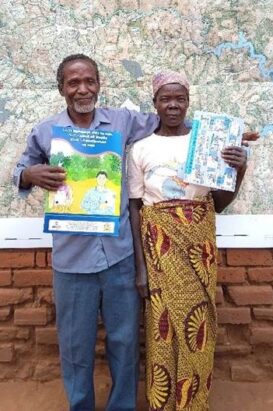
Quote from the field: “Marriage and family are a sacred thing, we both had to come together to see for ourselves the outcome of what we had registered. My wife and I love each other and I always want her to be part of and knowledgeable about everything happening around the family including all the land we own.” – Shadreck Kasamba, 65, and his wife Lozaria Zakeyo, 62, jointly registered their two parcels under a customary land documentation pilot in Malawi supported by the Government of Malawi and USAID. Shadreck and Lozaria came to check their parcel information together during the public display period, when community members can review parcel maps and make any corrections before land certificates are issued.

082e28eb-be07-40ab-7357-11fce5295b57

USAID’s Integrated Natural Resource Management activity provides on-demand support services and technical assistance for USAID Missions, Bureaus, and Independent Offices across a wide array of environmental and natural resource management issues, with a focus on gender equality and social inclusion.

Recent publications include:

Quote from the field: “I never knew anything about land documentation, but my family has had an issue with our land. After I attended the land literacy training, we discussed it, and I showed my family how we could solve the issue. I then sent my son to the land office in the nearby town with the proper documents. Our issue is now resolved, which is a big relief.” – Salema Begam attended land literacy training under a USAID-PepsiCo partnership to empower women in PepsiCo’s potato supply chain in West Bengal, India. The training helps educate women on land laws and walks them through the process to update their land records.

USAID/Colombia’s Land for Prosperity Activity supports the Government of Colombia in improving the conditions of rural households to achieve licit economic development through land tenure strengthening.
Read more in some of their recent blog posts:

Quote from the field: “I’ve never had an opportunity to participate in an activity like this before because I’m a visually impaired person. When I heard that they were sensitizing leaders and community members about the involvement of people with disabilities I felt alive, because in our society we are not valued. Today I say yes, I am useful in the community.” – Hortêncio Jorge, a 21 year old young man from Alto Molocué, Mozambique, who recently participated in a training on how to manage an eucalyptus forest plantation. The plantation was transferred to the community as part of a land divestment initiative by company Green Resources with USAID support.

a2281505-a974-c91f-c826-d7e3f87eaf5b