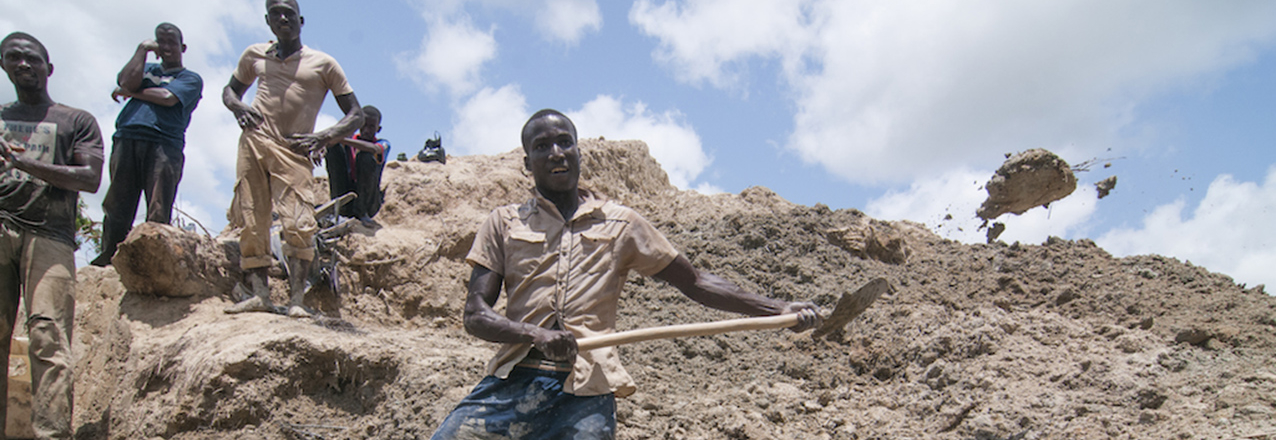


Webinar Wednesday: Land Tenure in Tanzania

Join USAID LandLinks, the Global Donor Working Group on Land, and the FAO for an online event exploring land tenure and property rights in Tanzania. This webinar will be presented by the primary author of USAID’s updated Tanzania Land Tenure Country Profile, Dr. Maureen Moriarty-Lempke. Stay tuned following the Tanzania discussion for a 15-minute overview of the Voluntary Guidelines on the Responsible Governance of Tenure of Land, Fisheries, and Forests in the Context of National Food Security (VGGT), presented by The Cloudburst Group’s Karol Boudreaux.

Check out USAID’s updated Tanzania Land Tenure Country Profile and the Global Donor Working Group on Land’s one-pager on Land Governance in Tanzania.

Join the discussion live on Tuesday, February 28 at 8 am EST (4 pm East Africa Time Zone), submit question or comment using the form below and connect on Twitter using the hashtag #countrybycountry as well.

Land Matters Media Scan – 2 December 2016

Here are the recent land tenure and resource management media items:

USAID

  1. Harvesting Sweet Success: How Land Rights are Helping Tajikistan’s Apricot Farmers Reap the Fruits of their Labor (11/28/16)
    Source: Medium / USAIDEnviro
  2. From the Ground Up: USAID brings together farmers, communities, and the government of Burma … (11/18/16)
    Source: Medium / USAIDEnviro

Events

  1. Land Tenure and Property Rights MOOC 2.0 (Registration Open)
    Source: USAID LandLinks
  2. Webinar Wednesday: Land Tenure in Tanzania (12/7/16)
    Source: USAID LandLinks
  3. Artisanal Mining, Property Rights, and Development (12/13/16)
    Source: USAID LandLinks
  4. Online Debate on Land Valuation and Fair Compensation (11/28-12/16/16)
    Source: Land Portal

Global

  1. Land rights; a source of economic stability, security for women living with HIV (12/1/16)
    Source: MyJoyOnline
  2. Renewable energy is violating human rights as much as fossil fuels have for decades (11/25/16)
    Source: Quartz
  3. Getting to Sustainable Palm Oil: A Hardware and Software Approach to a Market Problem (11/23/16)
    Source: New Security Beat blog

Africa

  1. Africa: Pastoralists’ Complex Tenure Rights Are Key to Community Resilience (11/25/16)
    Source: AllAfrica / FAO
  2. DRC Launches DFID-Funded Land Governance Programme to support peace and stability (11/23/16)
    Source: ReliefWeb / UN-Habitat
  3. Nigeria: Parliament Condemns Land Grab By Chinese Firms (11/29/16)
    Source: AllAfrica / Premium Times
  4. Tanzania: Making National Land Policy Inclusive and People-Centred [sic] (11/29/16)
    Source: AllAfrica / The Citizen
  5. Kenyans sound alarm over election threat to public land (11/29/16)
    Source: Thomson Reuters Foundation
  6. Kenya: Legal access to land rights does little to better plight of female Kenyan farmers (11/22/16)
    Source: New York Times
  7. Uganda: Customary Land Titles to End Conflicts – Officials (11/23/16)
    Source: AllAfrica / The Monitor

Americas

  1. Land Distribution Most Unequal in Latin America, Charity Says (11/30/16)
    Source: Voice of America / Reuters
  2. Bolivia: Rights Campaigners: Mining Projects, Big Plantations Mean Bolivia’s Drought Hurts More (11/28/16)
    Source: Voice of America / Reuters

Asia

  1. ‘Leopard skin’ plan helps Cambodia farmers stay on large land concessions (11/29/16)
    Source: Thomson Reuters Foundation
  2. Related: TIMELINE-Land politics in Cambodia (11/29/16)
    Source: Thomson Reuters Foundation
  3. China steps up protection of property rights (11/27/16)
    Source: Thomson Reuters Foundation

Pacific

  1. Guam Land Could Go to Traditional Chamorro Healers (11/29/16)
    Source: Voice of America
  2. Malaysian DJ samples indigenous music to spread land rights message (11/28/16)
    Source: Thomson Reuters Foundation

My territory – A song by Colombian youth about their experiences with conflict and displacement

This song was produced during a USAID and Ayara Foundation youth empowerment and outreach activity called “Tu Tierra, Mi Tierra, Nuestro Territorio.” The activity fostered ethnic pride; taught youth in conflict-affected areas of Colombia about land rights, collective territories, and land restitution; and empowered them to express themselves peacefully through hip-hop. The adolescents co-wrote and produced music about their experiences with conflict, displacement, and violence and their hopes for peace and reconciliation in their communities. These activities cultivated a cohort of 75 young leaders who will now disseminate land-rights concepts and advocate on behalf of their communities.

For more videos from USAID’s Land and Rural Development Program, visit their YouTube channel.

Harvesting Sweet Success

How Land Rights are Helping Tajikistan’s Apricot Farmers Reap the Fruits of their Labor

Originally appeared on Medium.

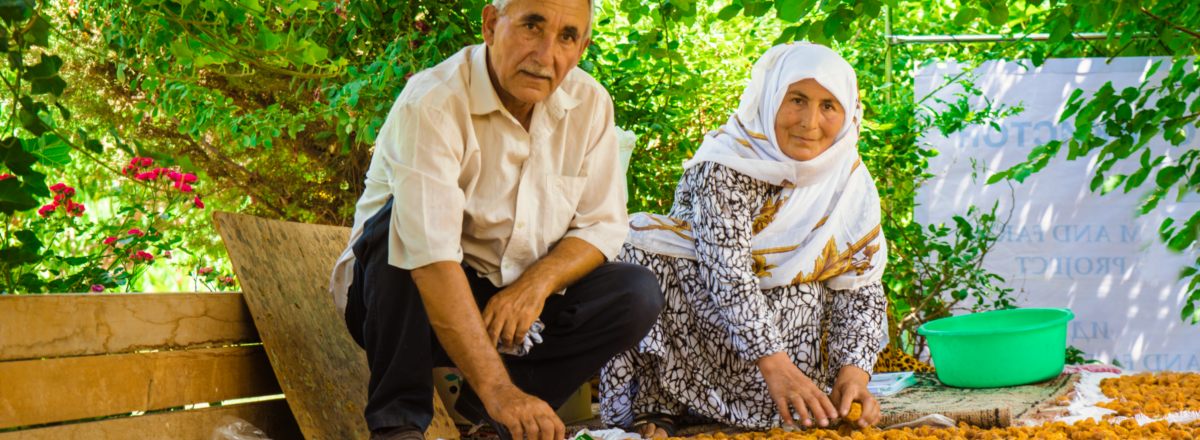
In the sweltering mid-June heat, a group of farmers in Tajikistan’s Khatlon province gathered to attend a training on land rights and farming techniques for one of the region’s most promising cash crops: apricots.

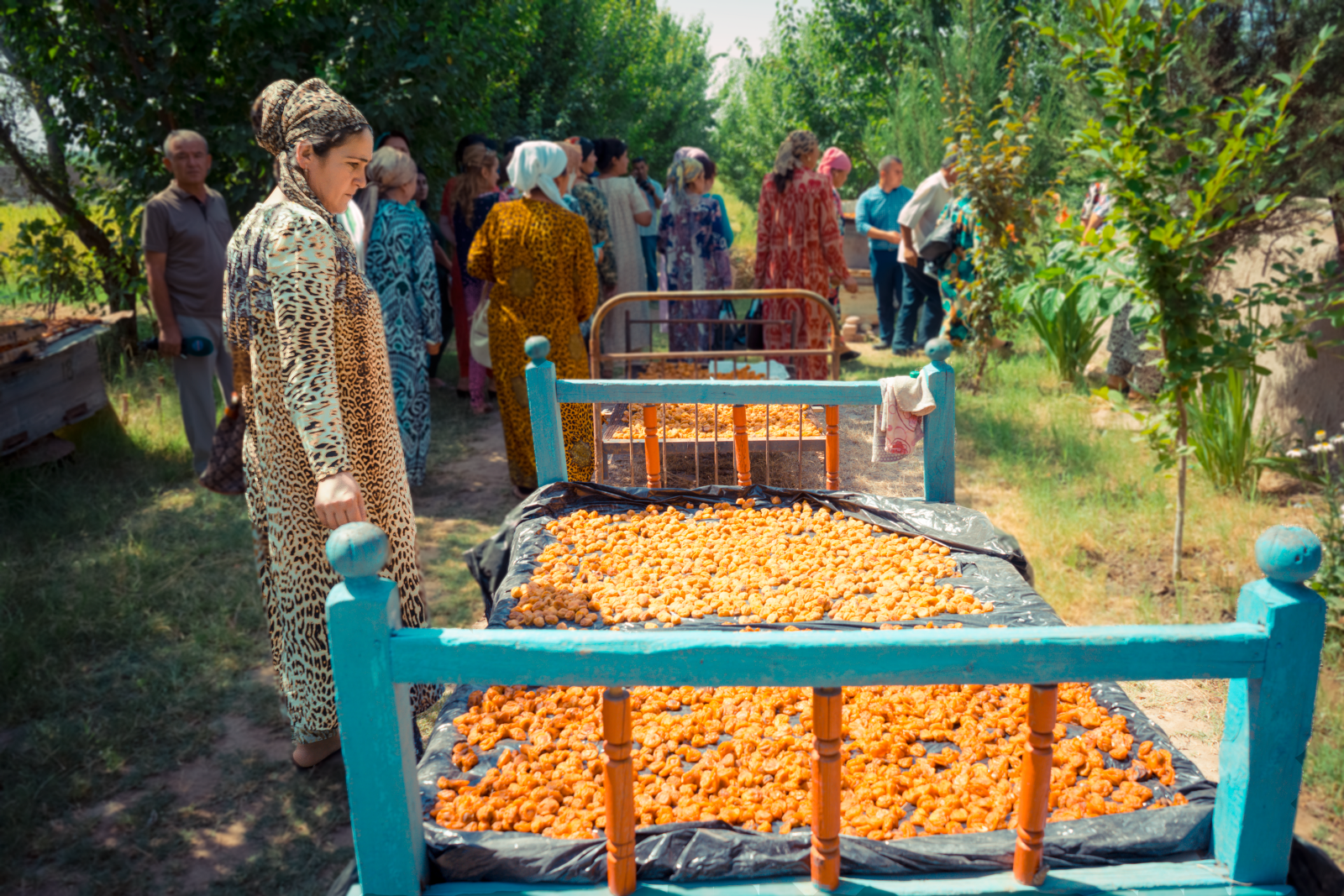
Farmers attend a training on women’s land rights and learn how to dry apricots for market on a local farm in Tajikistan’s Khatlon province. Photo: Sandra Coburn / The Cloudburst Group

Tajikistan was once known for its wide variety of sweet apricots and served as a primary producer of the fruit in the region. The collapse of the Soviet Union and the outbreak of civil war in the 1990s devastated Tajikistan’s regional export fruit market. Farmers chopped down the trees for firewood and replaced the orchards with cotton fields. At the time, cotton was the nation’s most viable commercial crop due to a Soviet-era legacy that mandated cotton production on collective farms. After 1999, production began to recover, and since then, the Government of Tajikistan has made efforts to diversify agricultural production, including allocating more land for orchards.

An apricot farmer with her dried fruits in Tajikistan’s Khatlon province. Photo: Sandra Coburn / The Cloudburst Group

For this landlocked, mountainous nation, where roughly ten percent of the population lives on less than $1.25 a day, 70 percent of the population lives in rural areas and agriculture employs 53 percent of the workforce, cash crops like apricots represent an opportunity to increase household incomes and food security.

Apricots can be sold as fresh produce, but farmers can also dry, preserve, can,or process the fruit into juice, and sell these products long after the summer season — adding value while limiting postharvest loss and creating additional sources of revenue. Because of their ability to increase household incomes, this fruit is an appealing crop for many farmers. Apricots and other fruits play an important role in Tajikistan’s growing regional export market, and so the government is encouraging more farmers to plant orchards.

However, while apricot orchards can improve household incomes, these trees take several years to bear enough fruit to be profitable. This can make the decision to invest in this cash crop a difficult one for poor farmers, particularly if their land rights are undocumented.

In Tajikistan, individuals and families can own small “dekhan” farms, carved from former collective farms, and they can choose the crops that they plant. But a lack of information about how to withdraw from collective farms has made land tenure less secure, leaving farmers uncertain of their rights to own and use land. In addition, women make up eight out of every ten agricultural laborers and have equal legal rights to own land, but women traditionally have even less access to information as their male counterparts due to persistent cultural norms.

For farmers living without secure land rights, the costly and delayed return in investment from tree crops such as apricots may seem too risky. If farmers are not able to reap the rewards, they are less likely to make these long-term investments.

With secure land rights, Tajikistan’s farmers can now select from a wider variety of crops that bear fruit for many years to come, knowing that this is their land for each and every harvest.

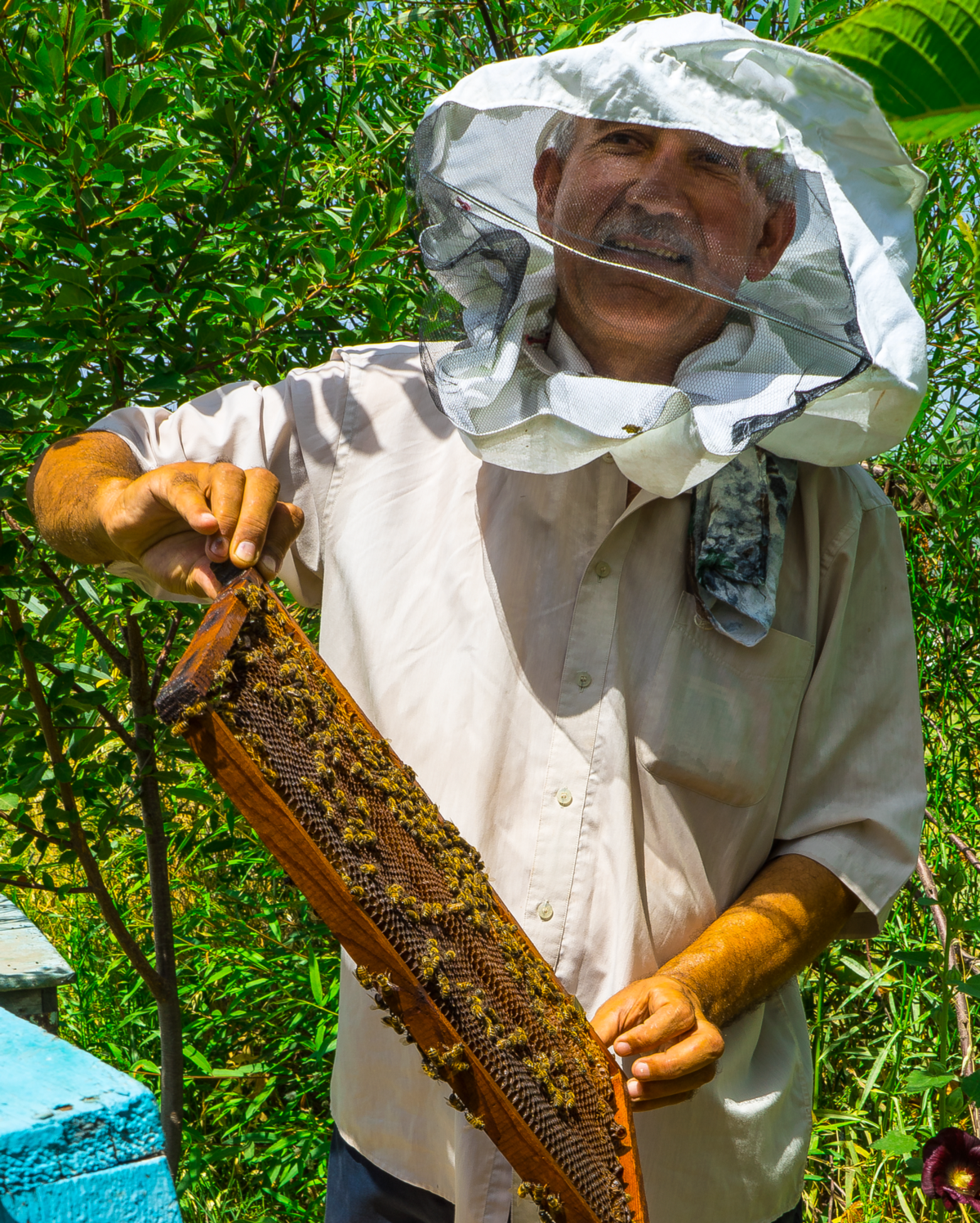
An apricot farmer expanded his business to include beekeeping when he realized that bees were attracted to the fruit in his orchard. Honey is also a cash crop. Photo: Sandra Coburn / The Cloudburst Group

Since 2005, USAID has worked with the Government of Tajikistan to help individuals and families secure their land rights and use farmland more effectively. This effort continues today through Feed the Future, the U.S. Government’s global hunger and food security initiative.

As of 2016, through the Land Reform and Farm Restructuring project, USAID, the Government of Tajikistan and local NGOs have provided 29,000 farmers with legal services, trained 88,000 Tajiks on land rights, helped 56,000 men and women register and document their land rights and established 140,000 family and individual dekhan farms. Tajikistan’s governance on land has also improved through the project, creating fourteen new pieces of legislation and a public information campaign that has made 82 percent of citizens aware of their land rights.

These secure land rights encouraged Tajik farmers to invest in diverse food crops — not just apricots but also wheat, beans, onions, tomatoes, honey and fruit trees. And with stronger rights, farmers also have incentive to learn new agricultural techniques to improve the quality and bounty of their harvest, making rural communities in this post-conflict region more food secure while increasing household incomes and expanding Tajikistan’s presence in a growing agricultural export market: a sweet outcome for this innovative program.

Two farmers drying apricots in Tajikistan’s Khatlon province. Photo: Sandra Coburn / The Cloudburst Group

USAID’s Land Reform and Farm Restructuring project is an excellent example of how land rights activities can be effectively integrated into Feed the Future programming to improve food securityhousehold incomes and women’s economic empowerment.

To learn more about USAID’s Land Reform and Farm Restructuring project visit: www.land-links.org/project/tajikistan-land-reform-and-farm-restructuring-project/

To learn about USAID’s work with land rights across the globe visit: Land-Links.org

Originally appeared on Medium.

From the Ground Up

USAID brings together farmers, communities, and the government of Burma to create policies that promote inclusive growth and mitigate climate change.

Originally appeared on Medium.

Resource Rights and Climate Change

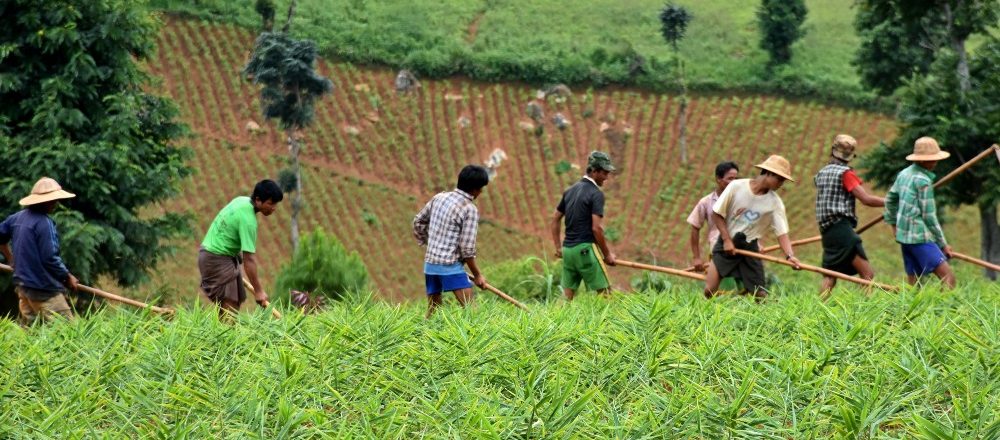
The majority of Burma’s population is rural and depends heavily on access to shared resources — like communally-managed land and forests — for livelihood. Most of Burma’s rural population, however, does not have clear or documented rights to these shared community assets, which are owned entirely by the state. Estimates of landlessness among Burma’s rural population currently range from 30 percent to 50 percent. As a result — and as outside investment in Burma continues to increase — rural families are vulnerable to losing access to the forests and agricultural lands they depend on to larger, more powerful interests.

Global research and experience has shown that when individuals and communities do not have clear rights to resources like land and forests, they are not incentivized to protect or sustainably use those resources for the long term. Without secure rights, farmers are less likely to invest in common climate risk reduction strategies, such as irrigation or agroforestry, which often require long-term investment and maintenance. This lack of incentives can result in deforestation, soil degradation, and water depletion. Additionally, the limited understanding of resource boundaries and land rights hampers basic land use planning capabilities for sustainable land management. This is particularly important in Burma where the unchecked expansion of resource extraction efforts has led to widespread land and water pollution, and alarming rates of deforestation — a key driver of global climate change.

USAID is on the ground in Burma, supporting rural families, communities, and the government to create the fundamental policies needed to strengthen community land and forest rights, empower communities to manage their shared assets effectively, curtail deforestation, and ultimately combat global climate change.

Read the full photo essay on Medium.

Land Matters Media Scan – 16 November 2016

Here are the most recent land tenure and resource management media items:

Reports and Publications

  1. Liberia: Sinoeans Confirm Global Witness Land Grab Report on GVL (11/15/16)
    Source: FrontPageAfrica
    Related report: Temples and Guns

Africa

  1. Kenyans tell leaders of frustration over delays tackling land corruption (11/14/16)
    Source: Thomson Reuters Foundation
  2. Kenya: Government to Revoke All Title Deeds of Irregularly Acquired Land (11/14/16)
    Source: AllAfrica / Press Release
  3. Uganda: Beneath the surface of Uganda’s ‘exemplary’ refugee settlement, tensions simmer (11/15/16)
    Source: Thomson Reuters Foundation
  4. I.Coast: Land disputes ensue in western cocoa belt (11/10/16)
    Source: Africanews / AFP

Americas

  1. Colombia: Giving Peace a Second Chance in Colombia (11/14/16)
    Source: The Nation

Asia

  1. India: Conflicts over land in India stall projects worth billions of dollars – report (11/16/16)
    Source: Thomson Reuters Foundation
  2. India: Villagers in Goa fight to keep ancient community land from university (11/16/16)
    Source: Thomson Reuters Foundation

Land Matters Media Scan – 11 November 2016

Here are the recent land tenure and resource management media items:

Upcoming Events

  1. IIED webinar: Using community by-laws to secure customary land rights in Kenya (11/16/16)
    Source: IIED
  2. Webinar on the Land Portal’s New Thematic Portfolios (11/17/16)
    Source: The Land Portal

COP22 / Climate Change

  1. Who owns this land? A question that matters for climate change and COP22 (11/10/16)
    Source: Devex
  2. Indigenous land rights: A cheap and effective climate change solution, just in time (11/4/16)
    Source: Ford Foundation blog
  3. Amazonians call on leaders to heed link between land rights and climate change (11/4/16)
    Source: The Guardian

Reports / Publications

  1. FINAL DRAFT: Tenure Responsive LUP – A Guide for Country Level Implementation (11/9/16)
    Source: GLTN

Global

  1. Video: Land and Urban Development Challenges in the Social and Economic Development of the Global South (11/6/16)
    Source: Land and Property Network / YouTube
  2. Indigenous peoples given interactive map to help secure land rights (11/10/16)
    Source: Thomson Reuters Foundation
  3. Photo Essay: Run the World – Six countries’ efforts to drive adaptation action through gender equality in leadership and equitable control over resources (11/4/16)
    Source: UNDP / Exposure

Africa

  1. Mali: Rainfall, grazing, families and land in Dlonguebougou (11/9/16)
    Source: IIED
  2. Zimbabwe: EU Worried By Fresh Wave of Land Seizures (11/10/16)
    Source: Financial Gazette / AllAfrica

Americas

  1. How Colombia’s Failed Peace Treaty Could Wreak Havoc on Its Diversity-Rich Ecosystems (11/4/16)
    Source: Smithsonian Magazine
  2. Mexico: U.N. Supports Indigenous Land Rights in Mexico’s Mining Plans (11/10/16)
    Source: The Costa Rica Star

Asia

  1. Cambodia: Domestic violence rife amid Cambodia land conflicts – rights group (11/10/16)
    Source: Thomson Reuters Foundation

Pacific

  1. Malaysia: Kelantan Forestry Department issues ultimatum to orang asli activists (11/11/16)
    Source: The Star Online
  2. Palm oil’s green body comes under fire from activists (11/7/16)
    Source: Reuters

Two and a Half Years After the Diamond Ban Lift, Glimmers of Hope in Cote d’Ivoire

Originally appeared on Medium.

April 2014.

The United Nations Security Council had just voted unanimously to lift a ban on importing rough diamonds from Côte d’Ivoire. The ban had been put in place in 2005, after the UN found that rebels were using diamonds to fund arms purchases during its civil war, which had begun in 2002.

For the first time in nearly a decade, diamond exports, which once supplied jobs for tens of thousands of workers in this West African country, once again became legal. But, after nine years out of the (legal) diamond game, Côte d’Ivoire had to completely rebuild its diamond industry.

In the intervening years before the ban was lifted, diamond buying houses had become defunct, the national mining company left the area, and legitimate financiers packed up and left. Mining had continued, but in secret: artisanal miners had dug in the night, selling at bargain basement prices to illicit buyers, who in turn smuggled the rough diamonds out of the country. Despite the ban, the UN estimates that Côte d’Ivoire extracted a minimum of 50,000 carats per year, and that the diamond industry employed at least 200,000 Ivoirians.

Now, the euphoria of lifting the ban was wearing off, and Ivoirians were grappling with the realities of how to actually re-enter the legal diamond trade.

Fast forward two and a half years, and it appears that progress has been slow, but steady. In 2015 — the year after the ban was lifted — Cote d’Ivoire legally exported 14,000 carats. This year, it has already surpassed 20,000 carats.

Read the full photo essay on Medium.

Webinar Wednesday: Land Tenure in Kosovo

This 30 minute webinar we examines land tenure and property rights in Kosovo and explores USAID’s recently updated Land Tenure Country Profile for Kosovo with Dr. Maureen Moriarty-Lempke, the country profile’s primary author.

Join the discussion live on Wednesday, November 9 at 9 am EST (3 pm Kosovo Time GMT+2) and connect using the form below to submit a question or on Twitter using the hashtag #countrybycountry.

Land Matters Media Scan – 4 November 2016

Here are the recent land tenure and resource management media items:

USAID

  1. Upcoming Event: Webinar Wednesday: Land Tenure in Kosovo (11/9/16)
    Source: LandLinks
  2. Why the African Union’s pledge to advance women’s land rights matters – written by Susan Markham (11/1/16)
    Source: Thomson Reuters Foundation
  3. Best of the rest: Week one November 2016 – Stephen Brooks’ Earth Institute blog post included in the roundup  (10/31/16)
    Source: Thomson Reuters Foundation

Reports and Publications

  1. Burma: Farmers Targets of Land Grabs (11/3/16)
    Source: Human Rights Watch
    Related report: The Farmer Becomes the Criminal: Land Confiscation in Burma’s Karen State
  2. Indigenous rights are key to preserving forests, climate change study finds (11/2/16)
    Source: The Guardian

Global

  1. The ‘Great Land Rush’ is here to stay as capital seeks stable assets (10/28/16)
    Source: Thomson Reuters Foundation
  2. Donor Platform Assesses Impact and Future of Land Governance Interventions (10/31/16)
    Source: IISD

Africa

  1. IGAD Advances Implementation of AU Declaration on Land (11/2/16)
    Source: IGAD
  2. Nigerian communities open their homes and hearts to refugees – photo essay (11/3/16)
    Source: The Guardian
  3. Ethiopia’s crisis is a result of decades of land disputes and ethnic power battles (10/30/16)
    Source: Quartz
  4. Ethiopia: Slums in the city center slowly disappearing (10/30/16)
    Source: Africanews / AFP
  5. Land Grab Update: Mozambique, Africa Still in the Crosshairs (10/31/16)
    Source: Food Tank
  6. Kenya: Rights agencies call for tackling of land disputes (11/1/16)
    Source: Daily Nation
  7. Sierra Leone: ‘Help us upgrade, don’t evict us’: Sierra Leone’s slum dwellers battle for their homes (11/1/16)
    Source: Thomson Reuters Foundation

Americas

  1. Colombia Court Orders Top Companies to Return Stolen Lands (11/3/16)
    Source: teleSUR

Asia

  1. China loosens land transfer rules to spur larger, more efficient farms (11/3/16)
    Source: Thomson Reuters Foundation
  2. India: Forced by tradition to give up inheritance, Indian women embrace property ownership (11/2/16)
    Source: Thomson Reuters Foundation