

Overview
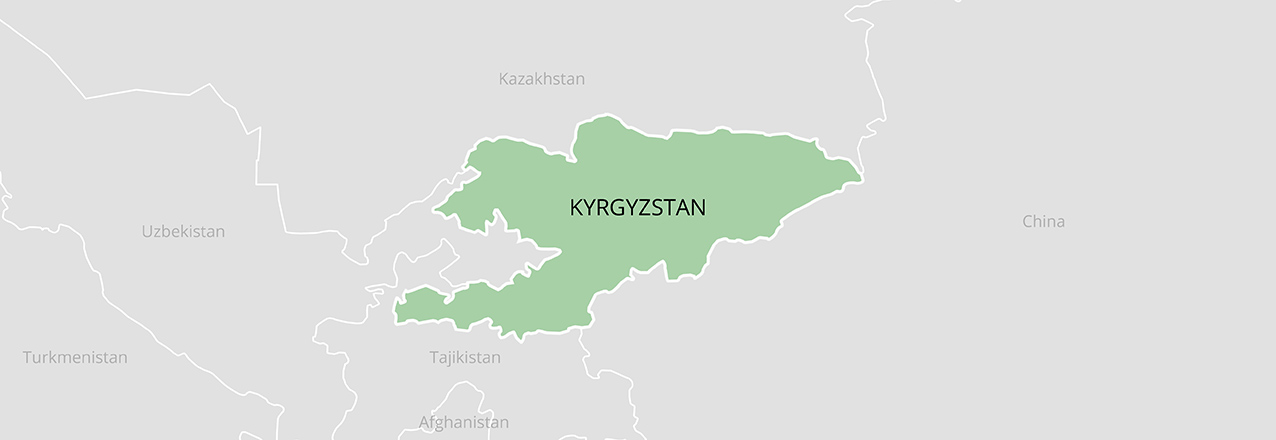
The Kyrgyz Republic is a mountainous country where irrigated valleys, high pastures, forests and urban settlements support closely connected livelihoods. After independence, agricultural reform dismantled collective farms and distributed land-use interests to rural households. Pastures remain central to livestock production, while access to water, roads, markets and registration services shapes the security and value of land rights.
The Land Code No. 149 of 2025 provides the current overarching framework. It recognizes state, municipal and private land interests and sets rules for use and registration. Implementation, local administrative capacity and the ability of different users to participate remain as important as the formal rules.
Historical Context
During the Soviet period, state and collective farms organized agricultural production and access to pastures. Following independence, land reform distributed agricultural shares and promoted private farming. Families gained rights to land, but holdings were often fragmented and the equipment, irrigation and market systems that had supported large farms deteriorated or changed.
Highland pastoral mobility has deep roots. Roads, bridges and watering facilities influence whether herders can move between seasonal pastures. Migration and remittances have also changed rural households, sometimes leaving women and older relatives to manage land while formal documents remain in the name of absent family members.
Legal and Institutional Framework
Land Code No. 149, adopted in July 2025, replaced the 1999 code. Its accompanying Law No. 150 provides for commencement after publication, with specified provisions effective January 1, 2026. It also contains transitional provisions for rights and land relations established under earlier legislation.
The 2025 enactment law repealed the separate pasture law, among other laws, while preserving the legal consequences of earlier relationships as specified in the transition provisions. Pasture rules are now addressed in the Land Code and applicable subordinate measures. Older descriptions of the 2009 Pasture Law are therefore historical context rather than a complete statement of current law.
Land Tenure Systems
The law provides for state, municipal and private ownership and for rights of use and lease. Agricultural land shares allocated during reform became the basis of many family farms; ownership or use of a particular parcel depends on the relevant documentation and legal category. Transfers and use of agricultural land are subject to statutory conditions.
Pasture land is governed differently from a privately owned field. A grazing authorization grants use for a purpose and period; it should not be confused with a private title to the land. State forest land and protected areas are also subject to distinct rules. Formal classification and the actual activities of local users may not always align.
Pastures and Community Use
Seasonal grazing connects village pastures with more distant summer areas. Mobility can reduce pressure near settlements, but it depends on working bridges, roads, herding services and water points. Small herders and households without transport may find distant pastures difficult to reach, while the number of animals and concentration near villages can exceed local capacity.
Article 78 of the 2025 Land Code provides for pasture management and annual use plans and annual grazing tickets issued by the local executive authority after payment of the applicable fee. The May 2025 Cabinet resolution addressed local pasture management during administrative reform. The relationship between earlier practices and the new code should be assessed under the applicable transitional rules.
Women’s Land and Resource Rights
Women can hold land and property rights, but formal entitlement does not necessarily translate into control over plots, livestock, income or decisions. Registration in one family member’s name, migration, inheritance practices and the costs of pursuing a claim can leave women with weaker evidence of their interests. Women may also contribute substantial labor to farming, processing and livestock care without a corresponding voice in resource governance.
Accessible registration, legal information and recognition of marital and inheritance interests can improve security. Pasture and water governance should include women as users and decision-makers, rather than assuming that one household representative speaks for everyone. An IFAD evaluation found that the gender and poverty focus of its investment portfolio had generally been weak.
Land Administration and Data
Registration and cadastral services document rights and transactions and support planning, credit and taxation. The 2025 code provides for a state electronic land register; the accompanying law set a January 2026 commencement date for a provision on its application. Implementation depends on the quality of underlying parcel data and the ability of people to correct errors.
Land records should be coordinated with municipal boundaries, pasture plans, irrigation systems and protected areas. Digital access can reduce administrative costs, but rural users also need assistance, clear fees and accessible dispute procedures. Mapping should record seasonal access and shared infrastructure as well as individual fields.
Land Conflicts and Border Communities
Disputes can involve boundaries, pasture access, irrigation, inheritance, mining and land conversion. In the south, densely used border areas have experienced tensions and violence affecting communities on both sides of the Kyrgyz–Tajik border. Roads, water and grazing access can be as important to residents as the location of a boundary line.
The presidents signed a state border treaty on March 13, 2025. This is a major diplomatic development; its signing should not be treated as proof that every local livelihood or property issue has been resolved. Transparent implementation and cross-border cooperation remain important for affected communities.
Urban Land and Housing
Bishkek, Osh and other towns face pressure from population movement, housing demand and infrastructure expansion. Informal construction and settlements on the urban fringe can leave households without secure documentation or reliable services. Conversion of agricultural land to housing and other uses also raises questions about zoning, irrigation and municipal capacity.
Regularization and public investment should identify existing occupants, provide notice and accessible remedies, and coordinate transport, water and drainage. A title document is most useful when it is matched by lawful access to services and clear rules for future transfers.
Agriculture and Livestock
Small farms combine crops and livestock, with production shaped by elevation, water and access to markets. Irrigated plots support crops in valleys, while hayfields and seasonal pastures sustain animals. Fragmented plots, aging irrigation infrastructure, limited machinery and high transport costs can constrain productivity.
The IFAD assessment of a 2014–2021 livestock project found greater use of remote pastures and seasonal rotation among beneficiaries, alongside sustainability concerns associated with growing livestock numbers. Its separate country evaluation found that assistance had not halted the deterioration of pasture productivity. These findings highlight the difference between project-level improvements and landscape-wide outcomes.
Water and Irrigation
Glaciers, snow and mountain rivers provide water for irrigation, households and hydropower in the Kyrgyz Republic and downstream states. Water availability varies by season and location. Aging canals, leakage and uneven distribution affect farmers, particularly where users at the end of a system receive water later or less reliably.
Regional coordination is essential because water and energy systems cross borders. Within the country, effective water-user participation, maintenance financing and transparent allocation support irrigation security. Climate-driven changes in runoff and extreme weather add urgency to integrated land and water planning.
Forests and Biodiversity
Mountain forests, including walnut–fruit forests and juniper woodlands, support biodiversity, watershed protection and rural livelihoods. Forest land and the trees and products on it are governed through specific state institutions and rules. Households may depend on gathering, grazing or fuelwood while also facing restrictions intended to protect forests.
Forest management needs to balance regeneration with access for communities that use these landscapes. Clear agreements, fair benefit sharing and effective monitoring are important for restoration. Land degradation and the interaction of forest and pasture boundaries should be considered across the wider landscape.
Climate Change and Carbon
Glacier retreat, drought, heat, floods and landslides threaten water supplies, infrastructure and agriculture. The World Bank climate and development report identifies substantial risks to irrigation and rural incomes. Its projections describe possible future impacts under stated assumptions, not losses already experienced.
The country submitted its third nationally determined contribution in 2025. Climate targets, proposed restoration and carbon finance are distinct from achieved results. Projects affecting land and carbon benefits should identify rights, consult users and specify how benefits and costs will be shared.
Mining and Extractives
Gold and other mineral resources are important to public revenue and investment. Mining may compete with grazing, farming, water supply and conservation, especially in mountain areas. Local concerns can include land acquisition, waste and water quality, employment and the distribution of fiscal benefits.
The Kumtor gold mine illustrates the national importance of extractives and the role of state control in the sector. A mining license does not by itself settle every surface-use question. Environmental assessment, transparent agreements, credible monitoring and accessible grievances help address the impacts on neighboring communities and pastoral users.
Investment and Political Economy
Land, water and mineral development involve national authorities, local governments, investors and households with unequal bargaining power. State or municipal allocations may affect existing users even when a parcel appears available in administrative records. Administrative reform can change which local body makes decisions and collects fees.
Responsible investment requires clarity about the land category, duration and conditions of rights, existing use, environmental obligations and compensation. Public information about decisions and accessible appeals can help prevent disputes. The interests of women, small herders and people who use seasonal routes deserve attention alongside formal owners.
Governance Priorities
Priorities include implementing the 2025 Land Code consistently, maintaining accurate records, protecting women’s rights and ensuring that pasture plans reflect the needs of different users. Investments in bridges, roads, veterinary services and water points can make remote pasture access more equitable and sustainable.
Better coordination of land, water, forest and mining decisions is needed to address climate risks and competing uses. Border cooperation and fair resolution of local claims can strengthen livelihoods and reduce conflict. Progress should be measured through reliable services and the ability of people to exercise their rights.
Sources
Law and institutions
- Land Code No. 149 of 2025, Ministry of Justice.
- Law No. 150 of 2025 on implementation of the Land Code, Ministry of Justice.
- Cabinet Resolution No. 301 on pasture management, May 2025.
Livelihoods and conflict
- Livestock and Market Development Project II impact assessment, IFAD.
- Kyrgyz Republic country strategy and program evaluation, IFAD, 2024.
- Statement on the Kyrgyz–Tajik border treaty, United Nations, March 2025.
Climate and environment
- Kyrgyz Republic Country Climate and Development Report, World Bank.
- Third nationally determined contribution, Kyrgyz Republic, 2025.
Update Log and Confidence
October 2026: Profile updated for the 2025 Land Code and transition provisions, pasture governance, the Kyrgyz–Tajik border treaty, climate, women’s rights and land administration.
Confidence: High for the adoption of the code and signing of the border treaty; moderate for local implementation of the new framework and the condition of individual pastures, which vary by locality.