


Overview
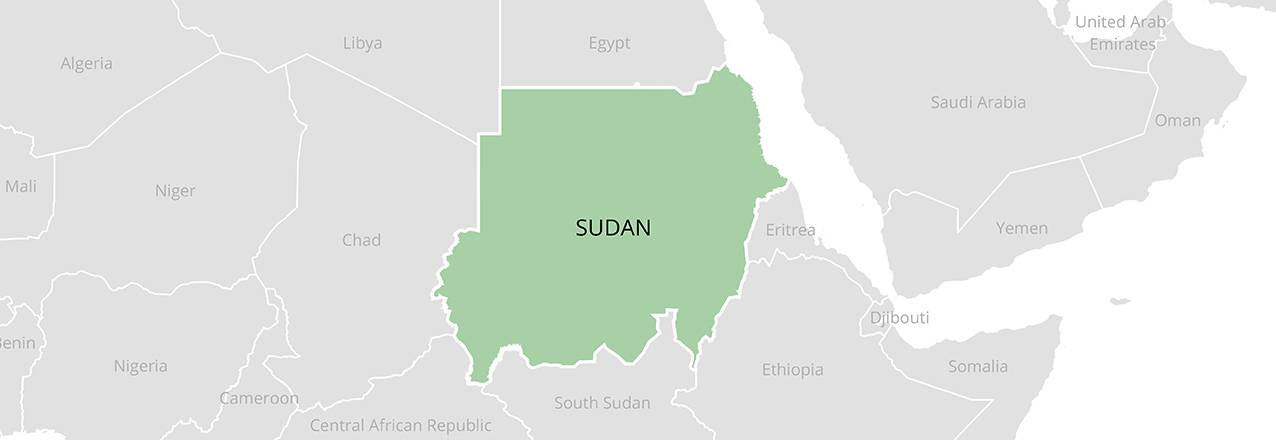
Sudan’s land governance reflects a long interaction between statutory administration, customary institutions, religious law and political authority. Farms, grazing routes, forests, water points and settlements often carry overlapping rights. Formal registration is uneven, particularly in rural areas, so a land record may not show all the households and communities that use a landscape. The independence of South Sudan in 2011 changed Sudan’s territory; this profile concerns the Republic of Sudan.
War that began in April 2023 has displaced millions, disrupted farming and damaged housing and land records. It has intensified older disputes over customary land, commercial agriculture and access to water. Secure recovery requires attention to rights held before displacement, the needs of people currently sheltering on others’ land, and the safety and services needed for people to choose where to live. Law on paper and the ability to obtain a remedy differ substantially across locations.
History and Legal Framework
Colonial-era land settlement and registration concentrated formal records in some areas, while much rural land continued to be governed through customary arrangements. The 1970 Unregistered Land Act treated unregistered land as government land. The Civil Transactions Act of 1984 repealed that 1970 Act, while retaining provisions that treat certain unregistered land as registered in the state’s name and distinguish ownership of the underlying land from usufruct or use rights.
Section 560 of the 1984 Act also protects specified legitimate unregistered use within the limits of actual use and provides for public-interest acquisition with fair compensation under its terms. Thus, it is inaccurate to say either that all customary use is automatically secure or that every unregistered use has no legal relevance. The text, later amendments, the nature of the use and the applicable authority matter. InforMEA legal summary.
Sudan’s formal framework has also included land registration, physical planning and state-level measures. Administrative practice and the accessibility of institutions vary, and conflict can interrupt their operation. Historical constitutional or peace-agreement provisions should be distinguished from proof that a commission or procedure is currently functioning everywhere.
Customary and Community Tenure
Customary tenure varies among Sudan’s communities. A locality may recognize a community’s connection to a territory while households hold fields or enjoy seasonal access to pasture, trees and water. In Darfur, terms such as dar and hakura are associated with historically recognized territories or land rights, but their meaning and allocation vary by place and history. A customary area is not necessarily an exclusive holding in which everyone has the same rights.
Native administration and other local institutions have historically helped allocate resources and mediate disputes. Their influence and legitimacy have changed over time, and some authorities have themselves been displaced or politicized. Women, tenants, newcomers, displaced families and pastoralists may depend on a landscape without being represented equally in a decision. Participatory mapping and records need to capture their claims and seasonal use rather than relying solely on one representative. UN-Habitat housing, land and property country package.
Women’s Land Rights
Women use and manage farms, trees and water, and may hold land through inheritance, purchase, allocation or family relationships. Their actual ability to control or transfer land varies with the applicable legal regime, local custom and household circumstances. Male relatives may hold documents or act as intermediaries, leaving a widow, divorced woman or woman heading a displaced household with a claim that is difficult to establish.
The OECD’s 2023 gender assessment, using legal data through August 2022, describes unequal inheritance and land-access rules within Sudan’s plural system. It should not be read as a current nationwide measure of how many women own land. Women also participate in local resource management and peacebuilding; a UNEP account from North Kordofan illustrates that role.
Restitution, compensation and registration processes should provide private, safe ways for women to state claims, recognize shared and inherited rights, and avoid treating the male head of a household as the sole claimant. Documents and witnesses may need to be gathered from relatives or communities now dispersed by war.
Land Administration and Data
Land registration, surveying, planning and allocation involve national and state institutions as well as local authorities. Registered freehold, registered use rights and customary holdings have different histories. A cadastral map or title can provide valuable evidence, but the absence of a modern record does not show that a field, settlement or grazing route was unused.
The 2026 Protection Cluster housing, land and property assessment reports destroyed or looted offices and records, alongside limited access to dispute resolution. It also describes the particular difficulties faced by people whose claims were never formally registered. Copies of deeds, tax records, photographs, local maps and testimony can help reconstruct a history, but each piece of evidence must be evaluated fairly.
Rebuilding a register requires secure storage, public notice, opportunities for displaced people to participate from elsewhere, and a mechanism to correct errors. Recording one claimant without hearing others can turn an administrative reconstruction into a new dispossession. Sensitive information about claimants also needs protection in an active conflict.
Land registration and physical planning have traditionally had different institutional responsibilities, with state authorities involved in planning and allocation and registration offices maintaining formal records. A development lease, a customary allocation and an entry in a registry may consequently describe different stages of a claim. Where boundaries are contested, reconstruction should retain the provenance and date of each source rather than overwriting an older record with an untested new map.
Peace Agreements and Restitution
The 2020 Juba Agreement for Peace in Sudan contains land-related provisions for different tracks. For Darfur it calls for a Lands and Hawakeer Commission to hear and mediate restitution claims and envisages participation by displaced people, refugees, women and community leaders. Provisions for the Two Areas describe land commissions and review of allocations and investment projects.
These are commitments in an agreement, not proof that every body was established, every claim adjudicated or land returned. Subsequent political upheaval and war have altered the conditions for implementation. Restitution requires a process that can identify the original interest, hear current occupants, address compensation where appropriate and protect people from renewed violence.
Land Disputes and Remedies
Conflicts arise over boundaries, inheritance, commercial leases, agricultural expansion, access to pastoral routes and occupation after displacement. Courts, administrative bodies and customary mediation may each play a role, but their authority, independence and accessibility differ. Community mediation can be faster and locally understood; it can also exclude less powerful people or be ineffective when armed actors control access.
A fair process needs notice, evidence, an opportunity to be heard and protection from coercion. In a setting with damaged records, decision makers may need to consider several forms of evidence rather than a single paper title. The UN-Habitat review of customary displacement contexts discusses return, local integration and relocation as distinct possible solutions.
War and Displacement
As of September 30, 2026, the UNHCR Sudan data portal reported approximately 8.58 million internally displaced people, including people displaced before April 2023 and those displaced since. This is a dated operational estimate; movements and access to affected areas change. Many people have also crossed borders. Counts of returnees and displaced people represent different categories and should not be added as though every return were permanent.
Families may shelter with hosts, rent, occupy public buildings or settle on private or customary land. Insecure arrangements and rising rent can expose them to further eviction. At the same time, owners and communities may need their property for housing or livelihoods. The Protection Cluster assessment reports damaged homes, missing records and disputes affecting return. A durable solution requires safety, services, informed choice and a way to address competing rights.
Women, children, older people and people with disabilities may face different obstacles to claiming property or reaching assistance. A temporary shelter agreement should state its terms clearly and avoid implying that an emergency arrangement has extinguished a prior owner’s claim.
Darfur and Land
In Darfur, displacement predates the current war. Claims to villages, farms, customary territories and pastoral access reflect multiple waves of violence and movement. A family may hold a customary claim through its community while another family now occupies or cultivates the same site. The political status of a territory and the physical presence of armed actors can affect whether a claimant can return or seek a hearing.
The Juba Agreement’s proposed Darfur Lands and Hawakeer Commission was designed to address restitution and related claims, including representation for displaced people and women. Its proposed procedures are an important reference for future recovery, but a peace agreement cannot by itself restore a home, clear a route or guarantee that a decision is enforced. Juba Agreement, Darfur track.
Agriculture and Food Security
Sudan’s agriculture includes rainfed smallholder production, large mechanized farms and irrigated schemes. Sorghum and millet are important staples, alongside wheat and other crops. Access to land alone cannot ensure a harvest: farmers need security, seed, fuel, labor, functioning irrigation and access to markets. Commercial leases can overlap with customary holdings and pastoral routes where earlier uses are not recorded.
In its September 2026 country brief, FAO reported that conflict, input shortages and poor rainfall in some areas threatened agricultural production. Its analysis also described severe food insecurity and areas at risk of famine under a stated worst-case scenario. These are dated assessments and projections, not claims that every area experienced the same outcome.
Gezira and Irrigation
The Gezira Scheme between the Blue and White Nile has long been central to irrigated agriculture. Landholders, tenant farmers, agricultural workers and people responsible for canals have different interests in the scheme. The Gezira Scheme Act of 2005 and subsequent changes altered aspects of its administration and agricultural organization; a detailed study of the scheme examines the contested effects of these changes on farmers and irrigation.
War has disrupted cultivation and damaged infrastructure. FAO’s 2025 field documentation records blocked canal inlets and a damaged control station. Repair requires more than restoring a canal: users need access to fields, inputs and fair water distribution, and land or tenancy disputes must be addressed as production resumes.
Pastoralism and Mobility
Pastoralists and agropastoralists depend on seasonal movement among grazing areas, resting places and water points. Routes can cross cultivated land and administrative boundaries. Agreements about timing, crop residues, water access and compensation for damage have historically helped manage shared landscapes, but their effectiveness depends on local institutions and security.
A 2024 study of collective pastoral tenure in North Kordofan documents blocked routes, insecure access to water and degraded resting places. These findings illustrate a local problem; they should not be treated as a national count. Expanding mechanized agriculture, settlements and conflict can restrict mobility, while drought or flooding changes where animals can graze.
Violence between communities cannot be reduced to climate or a simple farmer-versus-herder story. Armed actors, unequal political power, historical claims and failures of protection also matter. Mapping routes with both farmers and herders, maintaining access to water and providing trusted remedies for crop or livestock losses can support local agreements.
Urban Housing and Land
Khartoum and other towns have experienced destruction, population movements and intense pressure on housing. People returning may find buildings damaged, occupied or unsafe; families who fled may be paying rent in cities with strained services. Property records can be missing, while informal tenancies and long-standing occupation may never have been entered in a registry.
Reconstruction should identify owners, tenants, businesses and other users before allocating plots or demolishing damaged structures. Notice and an opportunity to contest a decision are important, including for people still displaced. Repair assistance should address the risk that a tenant is evicted or priced out after a building is improved.
Water and Natural Resources
The Nile and its tributaries support irrigation, towns and industry, while seasonal streams, wells and water-harvesting structures are essential in areas away from the river. Access to water is closely linked to land, but a right to cultivate a field does not by itself describe every person’s access to a well or irrigation channel. Upstream works or a broken pump can affect downstream farms and pastoral communities.
Allocation of land for large-scale farming can alter water use and block livestock routes. Consultation should identify seasonal and downstream users, maintenance responsibilities and the likely effect on water quality. The Civil Transactions Act contains provisions concerning land and water use; their practical effect depends on applicable rules and local institutions.
For mobile livestock keepers, a water point has value only if the route and surrounding pasture remain accessible. For irrigators, timing and maintenance can determine whether a crop survives. Repairs that improve supply in one location may alter access elsewhere, so planning should include downstream users and the people responsible for operating the works. Women and girls often bear a substantial burden of collecting domestic water and need a voice in decisions about location and access.
Forests and Gum Arabic
Woodlands supply fuel, fodder, building materials and products such as gum arabic. Trees can also protect soil and contribute to farming and pastoral systems. Rights to a field, the trees on it and the products collected may be held or used by different people. Forest conservation, agricultural expansion and access to fuel can therefore create competing demands.
UNEP’s analysis of Blue Nile describes how land, forests, gum arabic and minerals intersect with conflict and livelihoods. Community participation and clear benefit sharing are important in restoration or commercial projects. A declaration that land is state-owned does not establish that its customary users have no stake in how it is managed.
Climate and Carbon
Drought, rainfall variability and floods affect farms, pasture, roads and settlements. Conflict can make adaptation harder by preventing movement and weakening institutions. Sudan’s updated first nationally determined contribution sets out climate priorities, while its forest reference-level submission describes historical forest emissions and removals for REDD+ accounting. These documents are plans and technical submissions, not evidence that all measures have been implemented during war.
Restoration or carbon projects should establish who uses land and trees, which activities will be restricted, how benefits and costs will be shared, and how disputes can be resolved. Displaced people must be able to participate in decisions affecting their places of origin. Carbon accounting does not replace land-rights assessment or safe access.
Mining and Investment
Gold mining is an important source of income and foreign exchange, including for artisanal miners, but it can overlap with farms, grazing areas and water sources. Mining can also contribute to conflict financing. UNEP’s Blue Nile assessment describes links among gold, other resources and armed groups in that region. These relationships vary by place and should not be used to characterize every miner or community.
Processing can expose people and ecosystems to hazardous substances, including mercury. An independent assessment of artisanal mining discusses land and water contamination risks. Investors and authorities need to identify surface users, explain the proposed site and waste management, and establish compensation and remedies. A mineral license does not automatically settle the land and water rights affected by a project.
Commercial farming and infrastructure investment raise similar questions. Before allocation, officials and investors should identify cultivated fields, fallow land, grazing routes, settlements and forest uses; disclose the boundaries and proposed duration; and assess the effect on water and livelihoods. Compensation paid to a single named recipient may not reach tenants, workers or women with separate interests. Public access to agreements and a practical grievance mechanism can help affected people understand and contest the terms.
Political Economy
Control of land and natural resources is closely connected to political power, public revenue and armed conflict. The formal treatment of unregistered land has enabled allocations for commercial use while many communities rely on customary tenure. Yet customary authorities can also have unequal power over women, tenants and mobile users. Both statutory and local systems need accountability to the people whose livelihoods are affected.
Recovery requires records and functioning institutions, but it also requires security, inclusive participation and remedies that displaced people can reach. Peace-agreement commitments, reconstruction plans and investment proposals should be evaluated by whether they protect existing rights and deliver fair outcomes on the ground.
Sources
Law and peace agreements
Land, displacement and livelihoods
- UN-Habitat, Sudan housing, land and property package; Protection Cluster, housing, land and property issues.
- UNHCR, Sudan displacement data; FAO, collective pastoral tenure in North Kordofan; FAO, Sudan country brief.
- OECD, Sudan gender assessment; Study of land and governance in the Gezira Scheme.
Environment and climate
Update Log
October 2026: Updated the legal framework and added analysis of war, displacement, customary and pastoral rights, restitution, food security, forests, climate and mining. Humanitarian figures are attributed to their reporting date.
Confidence Assessment
High confidence: The cited Civil Transactions Act and Juba Agreement establish the historical provisions described. Moderate confidence: Access to institutions, the operation of customary arrangements and the status of land claims vary by locality and can change rapidly during conflict. Humanitarian figures are dated estimates and do not establish the legal status of individual properties.