


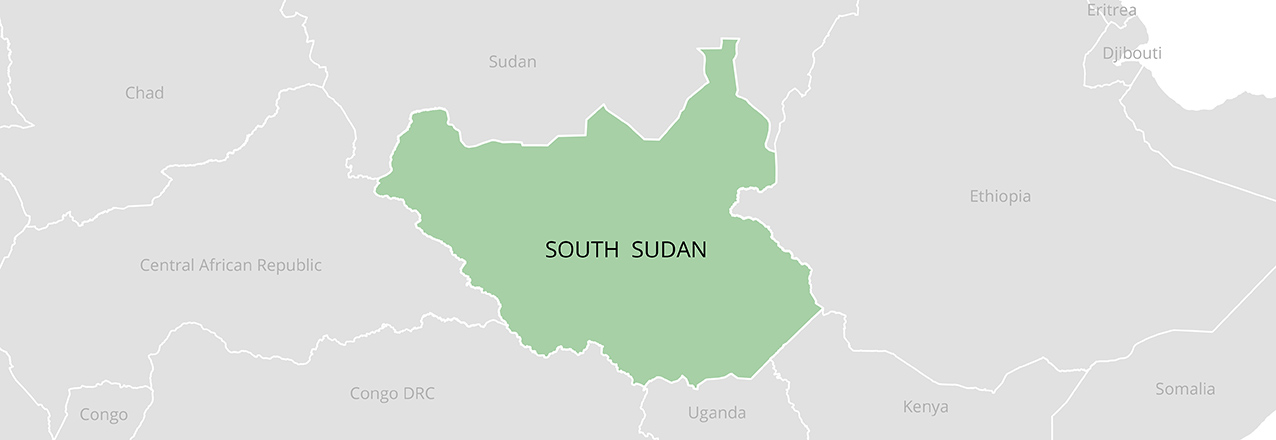
Overview
Land in South Sudan supports farming, livestock, fishing, housing and cultural life. Much of it is governed through community and customary relationships, alongside statutory institutions and registered interests. Armed conflict, displacement, flooding and investment have placed these systems under severe pressure.
The Transitional Constitution recognizes public, community and private land. The Land Act of 2009, enacted before independence, provides a framework for land rights and administration. Rights on paper do not necessarily translate into safe access, reliable records or effective remedies.
History and Political Economy
Decades of war preceded independence in 2011. The 2005 Comprehensive Peace Agreement opened a path to self-determination, but conflict erupted again in 2013 and subsequent violence has repeatedly displaced communities. Return can bring competing claims by people who left, those who remained and those who occupied land in their absence.
Land is tied to identity, authority and livelihoods as well as economic value. National and state officials, customary leaders, armed actors, residents and investors can exercise unequal influence over allocation. Oil revenues and access to land have political consequences, while insecurity and fiscal pressures constrain services and administration.
Legal Framework and Policy
Articles 169 and 170 of the 2011 Transitional Constitution state that land belongs to the people of South Sudan and its use is regulated by government. Community land includes land traditionally and historically held or used by communities or their members. The Constitution provides for consultation and compensation in relevant decisions and recognizes customary rights.
The 2009 Land Act recognizes community land and prohibits denial of land rights on grounds including sex, ethnicity or religion. The Council of Ministers approved a draft National Land Policy in October 2023 and submitted it to the legislature, according to IGAD. A 2026 parliamentary report described continued consideration. Executive approval and a draft policy are distinct from a new enacted land statute.
Customary and Community Tenure
Community land can include cultivation areas, grazing land, forests, settlements and places of cultural significance. The Land Act identifies communities by ethnicity, residence or interest, and recognizes land lawfully held, managed or used by them. Rights may be layered: a family may farm a plot while others hold seasonal access to pasture or a water source.
Customary institutions differ across the country. Chiefs and elders often help allocate land and settle disputes, but their decisions can be contested, particularly when women, younger people, tenants or displaced households are excluded. Defining a community boundary without recording shared or seasonal uses can turn flexible arrangements into exclusive claims.
Section 15 of the Land Act authorizes traditional authorities to allocate customary rights for residential, agricultural, forestry and grazing uses, subject to consultation with other community members, and requires notification to the relevant land administration. A customary allocation and a formally registered interest are related but distinct processes. In both, recording all affected interests matters more than treating a single signature as a complete account of local rights.
Land Administration and Data
The 2009 Act envisages decentralized bodies, including county land authorities and payam land councils. Statutory offices and customary authorities operate alongside one another, sometimes with overlapping responsibilities. A World Bank land governance assessment documents gaps in administration, records and recognition of rights.
Conflict and displacement can destroy documents and disrupt the local knowledge used to establish boundaries. Registration and mapping can improve security when affordable and accessible, but a map made without neighboring communities, pastoral users and displaced people can also formalize an incomplete account. Digital records require trustworthy evidence, correction procedures and protection against manipulation.
Women’s Land Rights
The Constitution and Land Act recognize women’s rights, including rights to own and inherit land. The International Organization for Migration documents how access and control are shaped by family relationships, local norms and displacement. Widows, divorced women and daughters can face particular obstacles in asserting claims.
FAO’s legal assessment identifies gaps in rules on joint ownership, spousal consent and inheritance, despite protections in existing law. Representation in land institutions matters, but women also need independent information, safe dispute processes, documentation and a meaningful voice over land transactions.
Agriculture and Food Security
Rural households combine rain-fed farming, livestock, fishing and gathering, with practices varying by rainfall, soils and security. Sorghum, maize, cassava and other crops contribute to food supplies. Cultivation depends on access not only to a plot but also to fallow land, water, seed, labor and markets.
Areas that appear unused at one time may be fallow, seasonally flooded or used for grazing and collection. Leasing such land without accounting for these uses can undermine food security. Conflict can prevent planting or harvest, while displaced families may receive residential space without enough land to rebuild livelihoods.
A September 2026 FAO assessment estimated that 7.8 million people faced crisis-level or worse food insecurity during the April–July lean season. It identified a risk of famine under specified worst-case conditions in four counties of Upper Nile and Jonglei. That risk assessment is not a declaration that famine occurred throughout the country.
Pastoralism and Seasonal Mobility
Pastoral and agropastoral households move livestock between grazing areas and water according to the season. Routes and agreements can cross administrative boundaries and overlap with farms and fisheries. Mobility is a productive response to variable rainfall, not evidence that land lacks rights holders.
The Land Act calls for pastoral land to be delineated and protected through land-use planning. The UN Climate Security Mechanism describes how floods and drought can alter migration timing and strain local arrangements. Violence also reflects political, security and governance factors; climate pressure alone does not explain it.
Conflict and Displacement
The United Nations reported in June 2026 that more than 2.5 million people were internally displaced, while conflict in Sudan had driven more than 1.3 million arrivals into South Sudan since 2023. Those figures describe different populations and are not a measure of permanent returns.
Return and reintegration depend on security, access to services and land, resolution of secondary occupation and fair treatment of host communities. In Upper Nile, a 2026 UN report describes land restitution, mine clearance and livelihood support as components of durable solutions. Return should be voluntary and informed; a housing plot alone may not restore access to farming or grazing.
Dispute resolution may involve family discussions, customary authorities, mediation or courts. A 2024 field study in Torit and Wau found that overlapping claims and limited institutional resources complicate access to justice. The appropriate forum and evidence can differ with the land and claim; oral testimony, landmarks and records may each matter. Mediation should not prevent a person from seeking a legal remedy.
Urban Land and Housing
Juba and other towns face demand for housing and services from long-term residents, displaced people, returnees and new arrivals. Land occupation and transactions can involve customary leaders, local authorities and formal registration systems. Multiple allocations, informal sales and uncertain boundaries make disputes difficult to resolve.
Planning must connect secure occupancy with roads, drainage, water and sanitation. Residents without formal titles can still have legitimate claims or urgent protection needs. Transparent allocation, notice, accessible complaints and remedies for wrongful eviction are important as towns expand.
Water and Wetlands
The White Nile and its tributaries, including the Bahr el-Ghazal and Sobat systems, support water supply, fisheries, livestock and farming. Availability varies by season and location, and flooding can both sustain wetlands and damage settlements. Water quality and access can be affected by upstream activities and petroleum operations.
The UN Environment Programme’s assessment of the Sudd describes a Ramsar-listed wetland of exceptional ecological and livelihood importance. Decisions about drainage, roads and water infrastructure should consider downstream effects, fisheries and the people who move with seasonal waters.
Forests and Biodiversity
South Sudan contains woodland, savanna, riverine vegetation and tropical forest areas as well as plantations. Forest products provide fuel, food, materials and income. Protected areas and wildlife corridors can overlap with customary land and seasonal livelihoods.
Conservation and restoration depend on the legal status of each area and on practical arrangements with the people who use it. Community participation, clear access rules and fair benefits help avoid treating conservation boundaries as proof that an area has no human users. Forest cover, protected-area designation and community ownership are different measures.
Climate and Carbon
Floods, drought and heat affect pasture, crops, roads and settlements. The UN Climate Security Mechanism describes how climate shocks interact with insecurity, weak services and existing disputes. Adaptation must protect access to land and water for both displaced and host communities.
South Sudan submitted its second nationally determined contribution in 2021. Forest and carbon initiatives can affect land use for decades. Agreements should identify owners and users, specify consent and benefit sharing, and explain restrictions, monitoring and remedies. A project announcement does not establish that credits have been issued or benefits delivered.
Petroleum and Mining
Petroleum is central to public revenue, while minerals and artisanal mining also affect local land use. The Constitution assigns rights over subterranean resources, including petroleum and minerals, to the national government. That does not erase community or private rights to the surface or the need to address environmental harm.
The Petroleum Act of 2012 requires environmental management plans to be disclosed to affected communities and provides for liability for pollution damage. In practice, monitoring, independent information, remediation and compensation require functioning institutions. The history of oil infrastructure and the dependence on export routes through Sudan link local environmental concerns to national politics and regional relations.
Oil-related impacts can extend beyond a well site through access roads, waste, altered drainage and contamination of land or water used by pastoralists and farmers. The Petroleum Act calls for plans to address hazards and pollution, periodic reporting to affected communities and a pollution damage fund. These statutory obligations require inspection and public accountability to be effective; a license alone does not establish compliance.
Investment and Acquisition
Section 63 of the Land Act requires concerned authorities to consult the community about land an investor intends to acquire and to consider its views. The Act also requires social, economic and environmental impact assessment for land allocated for investment. Consultation and assessment must not be assumed to have occurred merely because a project is announced.
Before an agreement is made, boundaries, existing claims, seasonal access and the rights of women and displaced people should be identified. Terms should address duration, compensation, water, employment, monitoring, grievance procedures and what happens when operations end. A proposed concession, a signed agreement and land actually developed are different facts.
Sources
Law and policy: Transitional Constitution; Land Act, 2009; Petroleum Act, 2012; IGAD on the draft land policy; 2026 parliamentary policy report.
Land rights and displacement: World Bank land governance assessment; IOM women’s land rights review; FAO legal assessment; UN displacement update; Torit and Wau land justice study; FAO food security assessment.
Environment and climate: UNEP Sudd assessment; UN Climate Security Mechanism; South Sudan’s second climate contribution.
Update Log
October 2026: Updated the legal and policy framework, community tenure, women’s rights, land administration, displacement, pastoral mobility, water, climate and petroleum analysis.
Confidence Assessment
Confidence is highest in the cited legal texts and dated institutional reports. Customary arrangements and institutional capacity vary by location, and displacement figures change as conditions evolve. The status of a particular claim or investment depends on its documents, applicable law and local circumstances.