
Overview
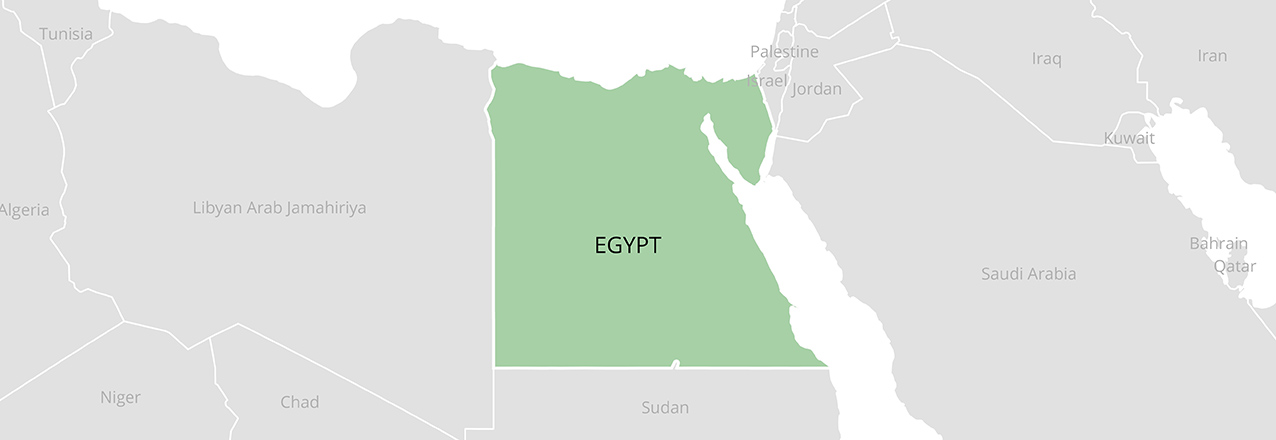
Egypt’s population and agriculture are concentrated in the Nile Valley and Delta, while most of its territory is arid. Land governance therefore brings together intensely used agricultural land, rapidly expanding cities, state-managed desert land and projects that seek to reclaim new land. Rights are held through ownership, leases and informal arrangements; registration and access to water can be as important as the size of a plot.
The state plays a central role in allocating desert land, planning new cities, infrastructure and irrigation. Small farms, informal housing, large investors and communities with locally recognized claims face different opportunities and risks. Secure rights on paper are most useful when people can afford procedures and obtain remedies in practice.
History and Political Economy
Agrarian reforms following the 1952 revolution imposed ownership ceilings, redistributed land and strengthened tenant protections. Later reforms liberalized agricultural markets and changed the balance between landlords and tenants. Law No. 96 of 1992 provided a transition ending in the 1996–1997 agricultural year for specified existing leases, after which civil-law rules applied unless parties agreed otherwise. These changes affected farmers differently according to their contracts, assets and bargaining power.
New agricultural land and urban areas have been developed in the desert through public investment and allocation. Reclamation can expand production but requires water, energy, infrastructure and attention to existing users. Public authorities, military and civilian institutions, private developers and households have unequal influence over decisions about land and its value.
Legal Framework
The Constitution protects different forms of property and directs the state to protect agricultural land. The Civil Code and legislation on property registration, desert land, agrarian reform, planning and expropriation apply to different holdings and transactions. A property contract, a court decision, a tax record and a registered right are not interchangeable.
The World Bank’s land-governance assessment describes the coexistence of registered and unregistered rights and multiple responsible institutions. Changes intended to simplify registration should be assessed by whether people can use them, rather than assuming all long-standing occupation has become formally registered.
Customary and Community Tenure
In parts of Sinai, the Western Desert and other areas, local communities have historically recognized use and occupation through customary arrangements. These may cover grazing, water, cultivation or settlement and do not always correspond to a state title or administrative boundary. The content and strength of such arrangements vary by place and group.
The World Bank assessment notes that Egyptian land law does not separately recognize clan, tribal or community rights as a general category. Local recognition can still matter to users. Allocation or reclamation should identify customary, seasonal and individual claims before land is treated as empty.
Land Administration and Data
Property registration, cadastral surveys, urban planning and state-land allocation involve different agencies. The OECD’s investment review describes the fragmented management of public land across ministries, agencies and governorates. A parcel may require different permissions depending on whether it is within an urban boundary, agricultural land or designated desert land.
Law No. 9 of 2022 amended the 1946 real-estate registration law. The presidency described measures to simplify procedures, provide electronic applications and separate tax payment from registration. The reform does not mean every unregistered property has been registered.
Incomplete records, complex procedures, transaction costs and historical chains of ownership can discourage registration. Digital records may improve access, but coverage and opportunities to correct errors matter. Contracts and utility records can help demonstrate an interest even though they do not automatically confer the same legal status as registration.
Women’s Land and Inheritance Rights
Women may own and administer immovable property. However, the World Bank’s 2024 legal assessment finds differences between men and women in inheritance rights under the cited rules. The applicable share depends on the relationship and circumstances of the heirs; a woman’s right to inherit should not be confused with an equal share in every case.
Families may also prevent women from receiving or controlling their lawful share. The World Bank describes 2017 amendments penalizing deliberate denial of inheritance. Access to documents, affordable legal support and participation in land and water decisions remains important for turning formal rights into practical control.
Agriculture and Tenancy
Old agricultural lands in the Nile Valley and Delta include many small and fragmented holdings. Families cultivate a range of food and commercial crops, and irrigated land supports rural employment. Fragmentation, high input costs and insecure or short leases can affect investment in soil, drainage and efficient irrigation.
The OECD’s agricultural policy review describes continued fragmentation and registration barriers. Owners, tenants and hired workers have different interests. Programs to improve productivity should take account of lease terms, water access and the ability of small farmers to benefit from longer-term improvements.
Desert Land and Reclamation
Reclamation converts some desert areas to irrigated agriculture or urban uses through investment in water, energy and transport. Land may be allocated to different categories of beneficiaries, including investors, farmers or graduates under specific programs. A government allocation does not by itself establish that water is sustainable or that all existing claims have been resolved.
Groundwater availability, pumping costs, salinity, distance to markets and public services affect whether reclaimed land supports livelihoods over time. Transparent selection, clear conditions of use and recognition of existing customary users can reduce disputes. The OECD explains the complex institutional responsibilities for desert land.
Pastoralism and Shared Resources
Pastoral and agropastoral households in desert and border regions rely on grazing, movement and access to wells or seasonal water. These uses may not be visible in parcel-based records. Fencing, new settlements, conservation restrictions or infrastructure can interrupt routes and reduce the value of remaining grazing areas.
Local planning should identify seasonal users and their access to water as well as permanent settlements. Customary practices differ across communities, and consultations need to include women and people whose livelihoods combine livestock, cultivation and wage work.
Land Conflict and Displacement
Disputes can arise from inheritance, overlapping sales, tenancy, state-land allocation and contested boundaries. Urban redevelopment, transport projects and reclamation may also affect people who lack registered titles but have invested in homes or livelihoods. Formal ownership, possession and use need individual consideration in any acquisition or compensation process.
Meaningful notice, access to evidence, fair compensation where required and an effective opportunity to challenge decisions are important. Relocation can change access to jobs, schools, markets and community networks even when replacement housing is provided. The practical effect depends on the location and quality of alternatives.
Urban Land and Housing
Cairo, Alexandria and other urban areas contain planned districts, informal subdivisions and settlements that grew on former agricultural or desert land. Residents may hold purchase contracts or other evidence without a registered title. The cost of formal development and housing, transport to employment and access to services affect where households can live.
The World Bank reported in March 2026 that its supported housing-finance program had assisted more than 693,000 low-income households. That program figure is not a count of all housing needs. Upgrading and redevelopment should include tenants and other occupants, provide safe housing and preserve access to livelihoods.
Water and the Nile
The Nile is fundamental to irrigation, domestic supply and industry. The World Bank climate report estimated that it provides about 97 percent of Egypt’s freshwater resources. Water scarcity, changing demand, pollution and uncertainty over future flows affect agriculture and cities.
Upstream and downstream interests, including the Grand Ethiopian Renaissance Dam, are part of a wider transboundary governance debate. Egypt’s agreements with Sudan do not by themselves settle the views of every Nile-basin state. At farm level, irrigation scheduling, drainage, water quality and the ability of tail-end users to obtain water influence the value of a land right.
Trees, Wetlands and Biodiversity
Egypt’s arid environment supports limited forest cover, trees on farms, plantations, wetlands, coastal habitats and protected areas. Trees provide shade, wind protection and other benefits, while wetlands support fisheries, migratory birds and local livelihoods. Access and management differ by ecosystem.
Urban growth, pollution, water diversion and climate pressures can alter these landscapes. Restoration and conservation measures should identify existing land and resource users and explain who can access benefits, maintain trees or use water. A plantation’s use of irrigation must be considered alongside other demands.
Climate and Carbon
Heat, water scarcity, flooding and sea-level rise threaten crops, cities and the low-lying Nile Delta. Saltwater intrusion and drainage problems can reduce agricultural productivity, while poorer households often have fewer resources to adapt. Secure tenure supports investment but cannot eliminate physical hazard.
Egypt’s 2023 updated nationally determined contribution sets out climate commitments. The water, food and energy nexus program brings together proposed climate investments. Targets and project plans should be distinguished from verified outcomes; carbon initiatives need clear land rights, participation and benefit-sharing terms.
Mining and Energy
Egypt has petroleum, natural gas, gold, phosphates and other minerals. Extractive projects can generate revenue and employment but also affect desert communities, water, land and transport routes. Surface rights and mineral or petroleum authorizations are distinct, and the implications of a permit depend on the specific site.
Environmental assessment, transparent agreements, monitoring and accessible remedies can help address impacts. Local people who use land seasonally or lack formal documents may be affected even if they are not recorded as owners. Site closure and restoration obligations should be considered from the start.
Investment and Land Acquisition
Investment in agriculture, new cities, industry, tourism and infrastructure can create jobs and services. It can also raise land values, require relocation or compete for scarce water. Identifying ownership, tenants, customary users and environmental constraints before a decision helps avoid treating unregistered land as unused.
Acquisition procedures should make project boundaries, compensation, resettlement and grievance options understandable to affected people. A registered transaction, a government allocation and an environmental approval address different questions. Long-term access to water and jobs is essential to the viability of an investment and to affected households.
Sources
Law and land governance: Official Gazette, Law No. 9 of 2022; Law No. 96 of 1992 on agricultural tenancy; World Bank, Assessment of Land Governance in Egypt; OECD, investment policy review.
Women, agriculture and housing: World Bank, Women, Business and the Law 2024; World Bank, Land Matters; OECD, agricultural policy review; World Bank, housing finance.
Water and climate: World Bank, climate and development report; World Bank, water, food and energy nexus; Egypt’s updated national climate contribution.
Update Log
October 2026: Updated the legal framework, women’s rights, land administration, agriculture and tenancy, reclamation, urban housing, water, climate, natural resources and investment. Added recent housing and agricultural policy evidence.
Confidence Assessment
Confidence is high in the cited published legal provisions and institutional reports. Confidence is more limited in the national extent of unregistered rights and the current outcomes of individual allocations or disputes. Water and housing figures are attributed to their sources and dates; project objectives are distinct from completed results.