Taking Stock of the Voluntary Guidelines

By Heath Cosgrove, Director, USAID’s E3/Land Office.

Four years ago, the global community came together in historic fashion to agree, for the first time ever, on a common set of standards and practices for strengthening land and resource rights: the Voluntary Guidelines on the Responsible Governance of Tenure (VGGT). Negotiated and endorsed by a broad coalition of government, civil society, and private sector representatives at the UN Committee on World Food Security, the VGGT helped define and organize a global movement for addressing one of today’s most important development issues – land rights.

USAID is proud to be a part of that movement. Now, as both one of the largest bilateral donors working in the land sector and as the Chair of the Global Donor Working Group on Land—a network of 23 bilateral and multilateral donors committed to improving land governance worldwide—we have an opportunity to reflect on our achievements and learnings as we take stock of four years of VGGT implementation.

The Global Donor Working Group on Land—which collectively represents 678 land governance projects in 131 countries—recently released a Policy Brief outlining our joint position on the status of VGGT implementation. We believe that for the VGGT to be implemented effectively, we must understand and learn from how they are applied in different countries and contexts. For a movement as global and decentralized as ours, this is quite a challenge. Nonetheless, the Global Donor Working Group on Land is leveraging its network to help take stock of how the VGGT have been applied over the last four years, and how they can be applied moving forward. We believe the following initiatives can help:

  • Building out and analyzing the global database of land and resource governance programs known as the Land Governance Program Map
  • Developing a framework for stocktaking on VGGT and establishing a baseline
  • Tying VGGT reporting to country-level SDG reporting
  • Establishing and furthering joint monitoring or learning partnerships for responsible investment

These recommendations, along with insights from other stakeholders, will be presented and discussed at this year’s Committee on World Food Security meetings in October. We look forward to continuing the dialogue on making the promise of the VGGT a reality for women and men around the globe.

Stay up to date on the latest news and resources on strengthening land and resource governance by joining our email list.

Empowering Pastoralists

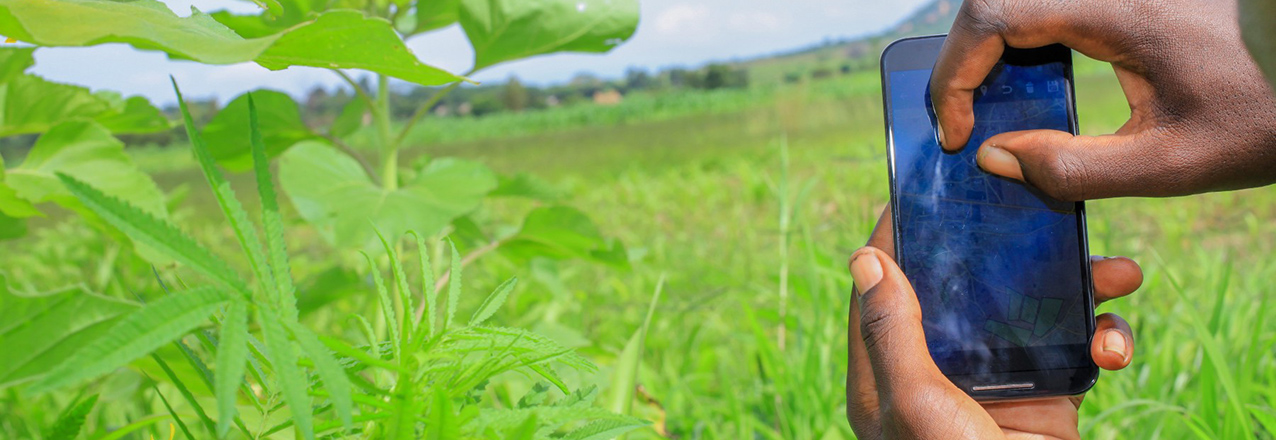
How mobile technology is protecting land and connecting communities

Originally appeared on Exposure.

MANY PASTORALISTS IN EAST AFRICA HAVE FOLLOWED NOMADIC TRADITIONS FOR CENTURIES

As the seasons change, pastoralists migrate across the semi-arid regions of Africa with their cattle, goats, camels and sheep. Some pastoralists also manage crops in addition to livestock.

With a wealth of knowledge about the local ecosystem and practices that preserve natural resources, pastoral communities are important stewards of the land.

40 percent of Africa’s land is pastoral.

But, like their land, the livelihood of pastoralists in East Africa is under pressure.

As national boundaries shift and nature reserves and agriculture use expands, there is less land for the pastoralists.

CLIMATE CHANGE IS A THREAT TO PASTORAL COMMUNITIES

Shifting weather patterns and drought—combined with restrictions on access to land and water make life difficult for pastoralists. Additionally, as demand for natural resources grows, land is degraded, jeopardizing the health of livestock.

Without documentation of their land rights, pastoralists are also at risk of being displaced from the lands they depend on for survival.

For these remote communities to adapt and be resilient, they need access to information that will help them sustainably manage their land and better respond to climate change.

Read the full photo essay on Exposure.

Land Rights: A Key to Unlocking the Cocoa Productivity Puzzle

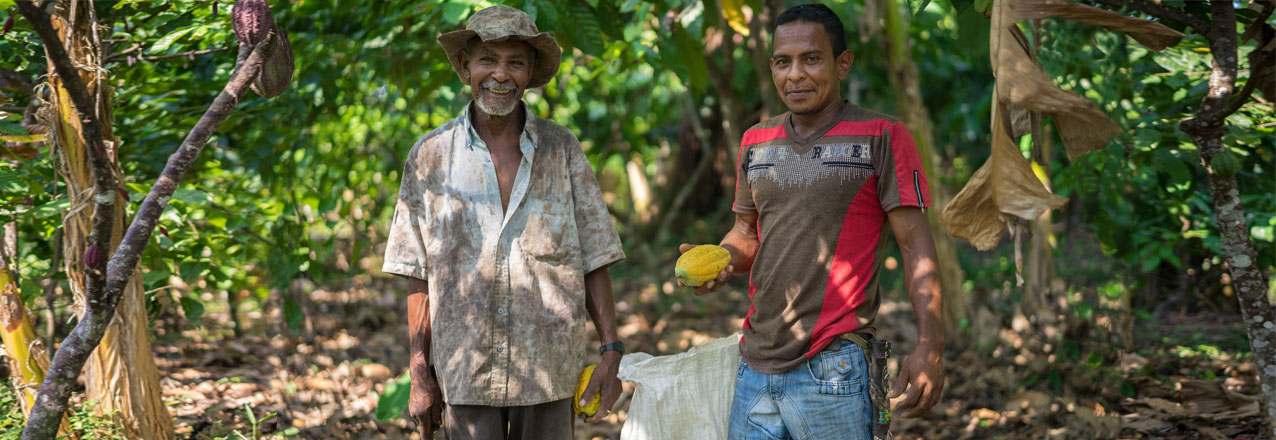
With the increasing global demand for chocolate, maintaining optimal cocoa productivity is critical. For the Government of Ghana, unlocking barriers to cocoa productivity could bring significant economic growth opportunities.

Cocoa production is fundamental to Ghana’s economy. Cocoa is Ghana’s chief agricultural export and main cash crop (accounting for more than 9 percent of agricultural GDP), and the cocoa sector employs approximately 800,000 farm families.

Yet, despite significant investments, cocoa production in Ghana does not meet market expectations. Ghana’s cocoa productivity still trails that of other cocoa producing nations, such as Cote d’Ivoire and Indonesia, and as worldwide demand for cocoa increases, Ghana’s cocoa supply is not keeping pace with growing demand.

Why is cocoa production lagging behind, despite massive investment by the private sector as well as by the government? The answer may lie partly with the land tenure insecurity faced by Ghana’s cocoa farmers, many of whom work as sharecroppers on land held by absentee landlords and urban elites.

In April 2015, USAID’s Land Office teamed up with the World Cocoa Foundation (WCF) and the Ghana Cocoa Board (Cocobod) to investigate the relationship between land tenure security among Ghana’s cocoa farmers and overall cocoa productivity. The team’s findings have been memorialized in the tripartite USAID-WCF-Cocobod report: Assessment of Land Tenure-Related Constraints to Cocoa Productivity in Ghana.

The team found a strong correlation between insecure land tenure arrangements and reduced farm productivity, particularly related to ineffective on-farm investments, replanting of old and diseased cocoa trees, and the insufficient understanding of sustainable agroforestry methods. Cocoa farms are often unmapped and farmers lack land documentation. Tenant farmers lack written contractual arrangements with landowners and are hesitant to replant old or diseased cocoa trees for fear that by cutting down the tree they would relinquish their access to the land it stands on.

Given these uncertainties, and in the context of increasing pressures on land in Ghana, farmers do not feel empowered to make on-farm decisions aimed at boosting productivity. That, in turn, has led to declining health in cocoa farms: old and diseased trees are not cut down and replaced; trees are not properly pruned; and fertilizer is misapplied.

For the cocoa industry, which is racing to meet increasing global demand for chocolate, addressing barriers to productivity is critical. For the Government of Ghana, unlocking the productivity puzzle can mean significant economic growth opportunities.

With these motivations factors in mind, the team put forth a series of joint recommendations aimed at better understanding, and addressing, land tenure insecurities affecting Ghana’s cocoa farmers. The recommendations include supporting further household-level research aimed at understanding the land tenure arrangements and tenure-related constraints within Ghana’s cocoa sector; consolidating existing cocoa farm data onto a single, easily accessible and open map; and documenting landowner-tenant contracts through a simple, flexible template, paired with farmer-landowner education on the benefits of documenting tenancy arrangements. These recommendations are expected to incentivize cocoa farmers to invest in productivity-boosting measures as well as sustainable agro-forestry methods, ultimately boosting Ghana’s cocoa productivity while improving rural livelihoods.

USAID, the Cocoa Research Institute of Ghana, and WCF are already working on the first recommendation – supporting the expansion and completion of a baseline survey aimed at better understanding tenure arrangements and constraints among cocoa farmers. The results of this survey will be publicly available and can further inform future cocoa value chain management decisions.

For USAID’s Land Office, the partnership with WCF and Cocobod presents an exciting new opportunity to collaborate with the private sector to influence responsible agro-forestry practices and productivity gains, while at the same time meeting USAID development objectives related to equitable tenure security, food security, and economic growth.

Engendering Impact Evaluations of Land Tenure Programs

By M. Mercedes Stickler, Senior Land Governance and Evaluation Advisor in USAID’s Land Tenure and Resource Management Office. This commentary originally appeared on Agrilinks.

There is a growing body of evidence that suggests that stronger land tenure security has a positive impact on important development outcomes, such as improved farming practices, agricultural productivity, and, importantly, women’s empowerment. While the initial evidence is encouraging, notable knowledge gaps remain. Compared with the positive economic and food security gains seen from land tenure formalization programs in Asia and Latin America, results from similar programs in Africa have been mixed. There is also little evidence on the impact of strengthening customary tenure and very little evidence that is gender-disaggregated, let alone gender-sensitive.

In this context, USAID is conducting eight rigorous impact evaluations of programs—primarily in customary land tenure settings—in Ethiopia, Guinea, Liberia, Tanzania and Zambia to test development questions relevant to empowering women, enhancing food security, and eliminating extreme poverty. These evaluations are using gender-sensitive methods to better understand how these programs may affect women and men differently.

To learn more about USAID’s land tenure impact evaluations, visit the Evidence Hub >>

Women, Land, and Food: The Critical Nexus

By Yuliya Neyman, Land Tenure, Land Governance and Legal Advisor in USAID’s Land Tenure and Resource Management Office. This commentary originally appeared on Agrilinks.

More than 400 million women around the world work as farmers. And yet, most of these women do not own the land they are farming. In fact, many do not even know that they are allowed to claim ownership over this invaluable asset. Women are estimated to comprise 43 percent of the agricultural labor force in developing countries, but own less than 10 percent of the land.

Why would that be? For one, in more than half of all countries around the world, laws or customs hinder women’s ownership and access to land. In some countries, discrimination is written into the law; in others, strong and entrenched customs and norms prevent women from claiming ownership over land. The problem is exacerbated by a lack of knowledge about land law and land rights, particularly amongst women in developing countries, who are less likely than men to attend school and attain literacy. Even where land laws purport equality, discriminatory inheritance laws effectively prevent women from inheriting land.

Why do we care? If the man in the family has secure ownership over the household’s land, shouldn’t that be enough to secure a steady income and provide for the children? As it turns out – no.


USAID’S Mobile Application to Secure Tenure (MAST)

In Tanzania, USAID trains youth to map and record rural land rights with an easy-to-use smartphone app—MAST.

The process allows local people to receive government-issued Certificates of Customary Rights of Occupancy (CCROs) for their land. The CCROs, paired with USAID-delivered training on land laws and women’s land rights, are increasing tenure security, empowering women, and reducing conflict.

Download the video transcript.

More information and stories on USAID’s mobile technology can be found at: usaidlandtenure.net/land-and-technology.

Technology and Land Rights: You Asked, We Answered

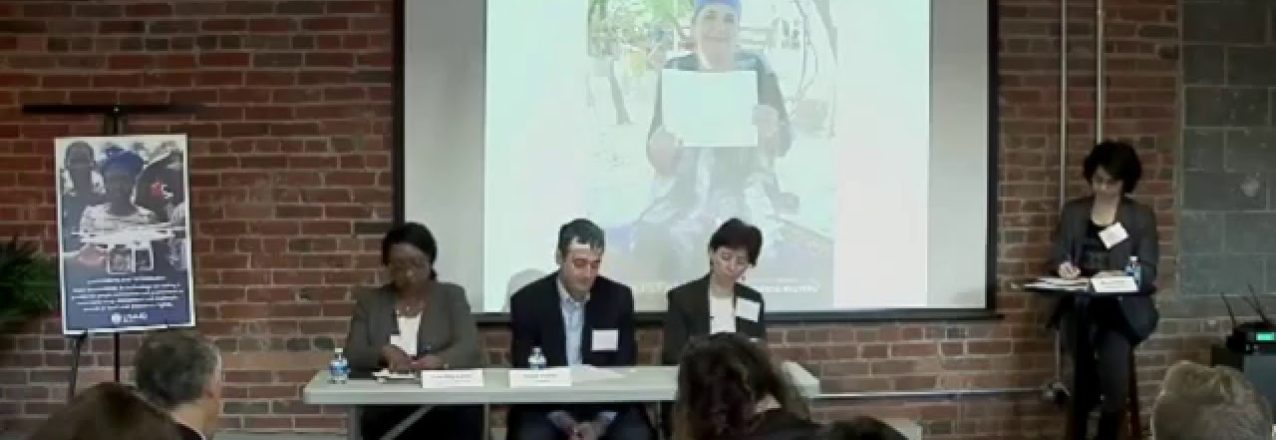
At the February 11, Digital Landscapes: Technology and Land Rights event we received numerous interesting questions about how rapid technological innovations in the land sector can help improve the lives of women and men across the globe. Today, we would like to share the three questions we found most interesting and provide some additional resources where you can learn more about the technologies USAID is piloting in the land sector.

Question: This [mobile] technology is great. But how does it engage with the statutory – customary divide in land rights? How would it engage with returning refugees who have no documents?

Answer: This is an important insight and one to which USAID is attentive. For example, USAID has developed Mobile Applications to Secure Tenure (MAST), a suite of flexible tools for securing customary land rights in different contexts. One of these mobile applications is currently being used to map and record customary land rights in Zambia’s Eastern Province. Approximately 90 percent of the land in Zambia is held under customary systems and there are few highly accurate and accessible maps available. With pressure to access and use land and land-based resources increasing—driving conflict over land—finding ways to secure customary rights is an important challenge. To learn more about USAID’s MAST/Zambia efforts, see this blog and this photo essay.

Question: How can women participate more actively in connecting technology and land rights, especially in the Global South?

Answer: Recognizing that it is often difficult for women to access, use and benefit from technology, USAID places a special emphasis on engaging with women—as both technology users and project beneficiaries. For example, the USAID MAST/Tanzania pilot maps and records land rights in Iringa Rural District. This project works with local youth, called Trusted Intermediaries, and trains them to capture geospatial and land rights information using GPS-enabled smartphones. USAID has worked closely will villagers to train and support female Trusted Intermediaries, and to ensure that village-level governance and land adjudication bodies have sufficient female representation. USAID has also provided specialized training on women’s land rights under the law to ensure that as rights are recorded and mapped, women have a clear, respected voice in the process. To learn more about USAID’s MAST/Tanzania efforts, see this commentary.

Question: Community-based land administration, which requires computers, can be difficult to sustain without adequate funds, electricity, secure locations, technical support. What are your tips for improving sustainability?

Answer: As noted by panelist Frank Pichel of Cadasta Foundation, new developments such as cloud-based computing and data management may be one interesting option to better ensure sustainability of community-oriented land administration. As costs to digitally host land information decease, more communities should be able to record and store a variety of information about land, boundaries, natural resources, migration routes, etc. on accessible platforms. One interesting example of a cloud-based platform that is helping promote sustainable outcomes for land management—LandPKS—was highlighted by USAID’s Senior Geospatial Analyst, Ioana Bouvier. Learn more about LandPKS (a joint project supported by USAID and USDA) here.

Learn more about technology and land rights by watching a complete recording of the Digital Landscapes panel discussion.

The Digital Landscape: Technology and Land Rights

Innovative tools and emerging technologies in the land sector offer new potential to improve the lives of women and men around the world. Rapid developments in technology are making it possible to solve development challenges in ways that seemed impossible just a few short years ago. Tools—such as smartphone apps that help people map and certify land; an open-source database that connects farmers, pastoralists and scientists across the globe; and participatory mapping programs that help clarify and secure tenure in customary settings—are making it easier for governments and local communities to efficiently manage land and resources and for individuals to understand and exercise their property rights.

Learn some of the keys for success in ensuring that technology solutions are context-appropriate, flexible, effective and sustainable. And find out from our expert panel what exciting possibilities lay ahead for technology in the land sector.

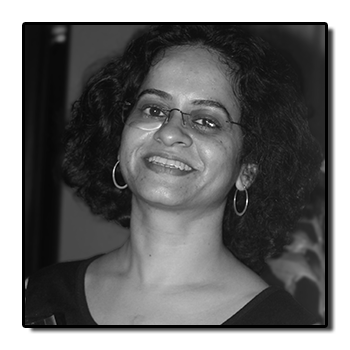
Moderator
Bhanu Rekha
Geospatial Media
Panelists
Ioana Bouvier
USAID
Frank Pichel
Cadasta Foundation
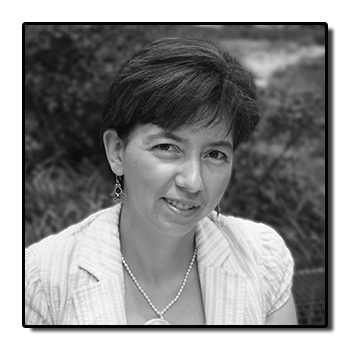
Lisa Kay Lewis
Thomson Reuters


The Best of 2015: Land Matters Photobook

This past year was filled with numerous moments to celebrate the work being done to address a critical development issue: rights to land and other resources. Secure land rights provide a foundation that helps people lift themselves out of poverty, improve food security, empower women and develop climate smart farming and land management practices. The work of USAID and its partners is becoming even more effective thanks to innovative technologies, community participation, impact evaluations and a growing body of evidence that links land rights to a host of positive outcomes. Throughout 2015, we brought you stories about this important work. Now join us in looking back at some of our favorite moments and the progress we are making.

Tanzanian woman in a field.

In Tanzania women with strong land rights were three times more likely to work off-farm and more likely to have higher earnings.

Tanzanian law gives women the right to own land, but customary systems and a lack of documented land rights have impeded many women’s ability to fully exercise their rights. USAID works in Tanzania to help secure women’s land rights using mobile and GPS technologies to map land borders and issue certificates, helping give women the documentation they need to secure their land rights. Learn about USAID’s Mobile Applications to Secure Tenure (MAST) in Tanzania »
ethiopia_year_in_photos

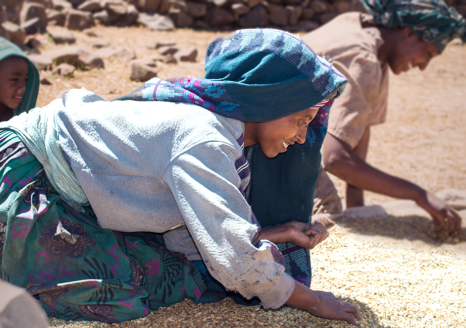
In Ethiopia, an increase in land allocated to women decreased household food insecurity by 36%.

Women play a vital role in global food security. They make up much of the global agricultural labor force and produce a significant amount of the food grown in developing nations. However, globally women tend to own less land than men and their land rights tend to be less secure. But if women had access to the same productive resources, including land, research tells us that crop yields would increase and this would contribute to reducing the number of hungry people globally. Read the Four Things You Should Know About Women’s Land Rights »
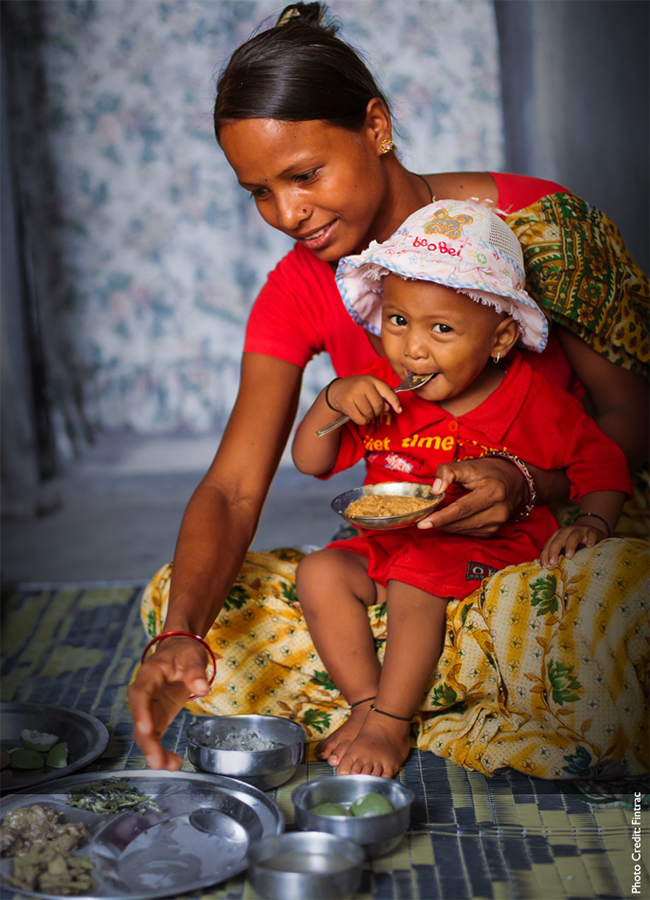
Woman and baby eating a meal.

“Evidence suggests that countries where women lack land ownership rights or access to credit have on average 60 percent and 85 percent more malnourished children, respectively”
—United Nations Human Rights Council

Secure land rights for women not only benefit women themselves, but have a strong effect across communities, raising household incomes and improving food security. Women’s land rights most profoundly affect the lives of their children, who are more likely to receive proper nutrition, stay in school longer and receive better healthcare. Get the facts on what a mother’s land rights mean for children »
tanzania_faces
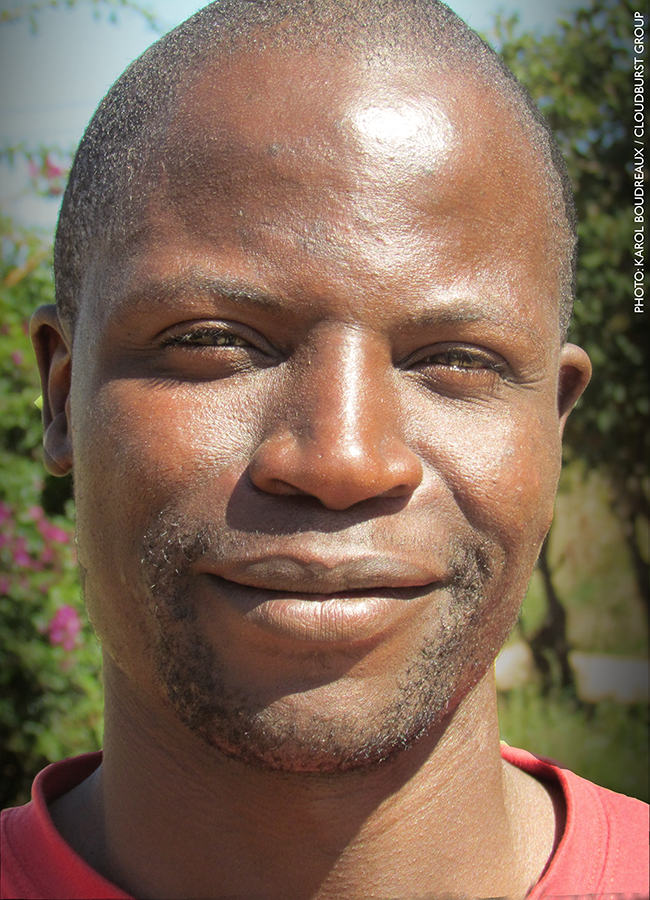
“With my land certificate I will concentrate on farming and raise tomatoes, tobacco and maise. I also put one parcel in my children’s name to protect them.”
—Arnold Nyamgalima

Meet Arnold, a villager in Ilalasimba, Tanzania where USAID piloted Mobile Applications to Secure Tenure (MAST), focused on mapping and recording land for certification. In addition to being trained on the provisions of Tanzania’s land laws, villagers like Arnold are also trained in how to effectively resolve land disputes and to recognize and respect the rights of others—especially women. Meet some of the other villagers using USAID’s MAST »
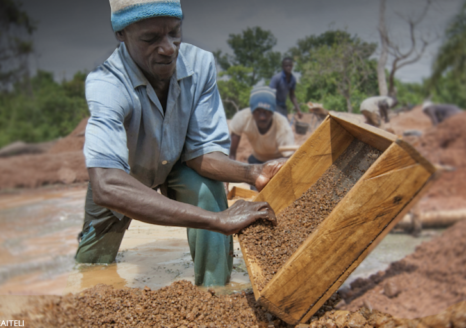
Artisanal diamond mining in Guinea

In mineral rich countries including Guinea and Cote d’Ivoire, diamonds are crucial to economic growth, but poor governance of these natural resources has all too often led to conflict and exploitation. To address the challenges of the illegal diamond trade and increase legal diamond production, USAID helps Guinea and Cote d’Ivoire improve their legal frameworks for diamond mining while strengthening the property rights of small-scale, artisanal diamond miners—improving their livelihoods and communities. Learn about Property Rights and Artisanal Diamond Development (PRADD) »
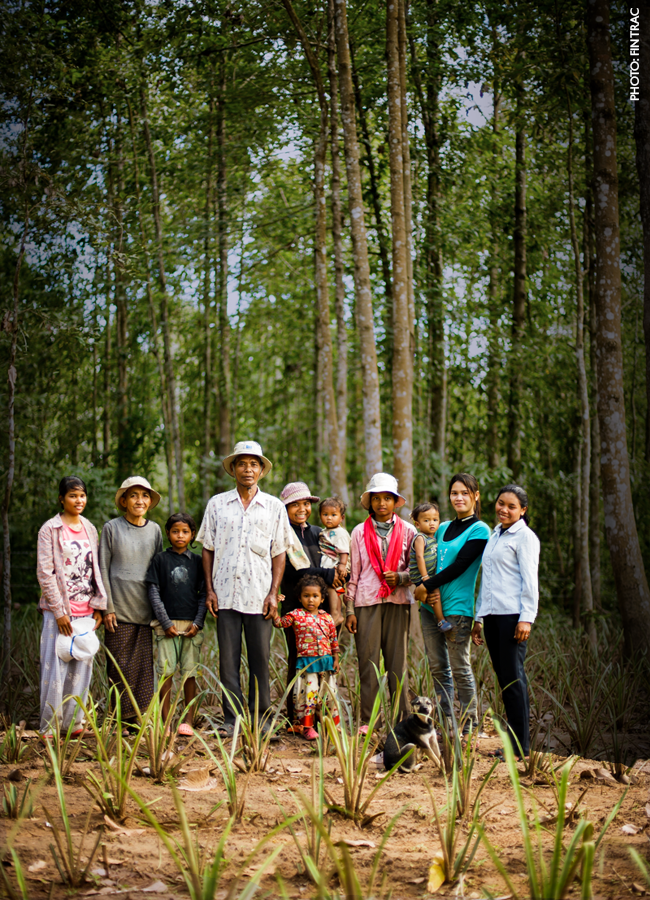
Cambodian family in a forest.
Climate change will make some lands scarce or unproductive, increasing vulnerabilities for indigenous peoples, women and the poor.

A rapidly changing environment will change the way people use, access and control land and natural resources. For this reason, strengthening land and resource rights is essential to help mitigate and adapt to climate change. Across the developing world, USAID is developing tools and testing new approaches to sustainably increase agricultural production, improve biodiversity conservation, and enhance ecosystem services. In Kenya and Namibia, for example, USAID and USDA are using mobile technology to link farmers, pastoralists, scientists and extension agents with information and tools to improve conservation and resilience through better land-use planning and land management. Learn more about land and climate change »
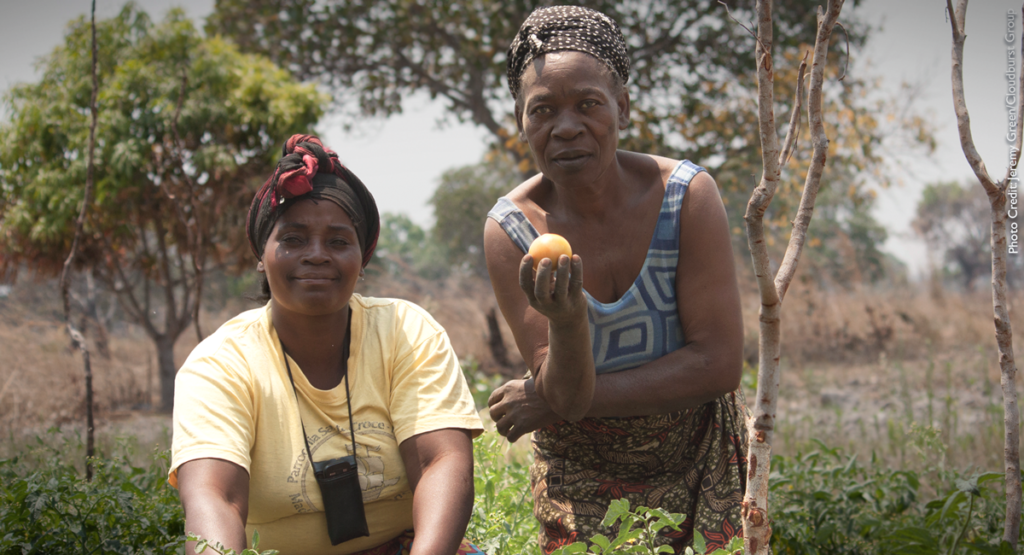
Two women in Zambia display the products of climate-smart agriculture
50% of forests in the developing world have insecure tenure, which is often a key driver of deforestation.

To meet the increasing food security demands of a rapidly growing global population, agricultural land must produce more food, using fewer resources, while at the same time build farmers’ resilience to the impacts of climate change. Climate smart agriculture (CSA) is one of the best ways to help smallholder farmers ensure a more sustainable future, but these practices have not been extensively adopted in part because without secure land rights, farmers lack a key incentive to invest in costly long-term climate-smart practices, since they may never see the return on their investment. Learn more about how land rights impact climate smart agriculture »

Three community members who mapped and recorded boundaries to certify customary land rights.

“The availability of registered rights provides a powerful tool for resource planning and creates incentives for households to engage in climate-smart agricultural practices, like agroforestry.”
Dr. Matthew Sommerville

In Zambia, sustainable agriculture is critical to food security and in preventing deforestation, but insecure land rights have led to conflicts and made Zambian farmers less likely to invest in climate smart approaches. That’s why USAID is working with communities to map and record boundaries and certify customary land rights in 150 villages using mobile technology. Because the community members participate in mapping their land and agree to boundaries prior receiving a certificate, this project’s approach is also helping to reduce conflicts within the community. Learn more about USAID’s land certification program in Zambia »
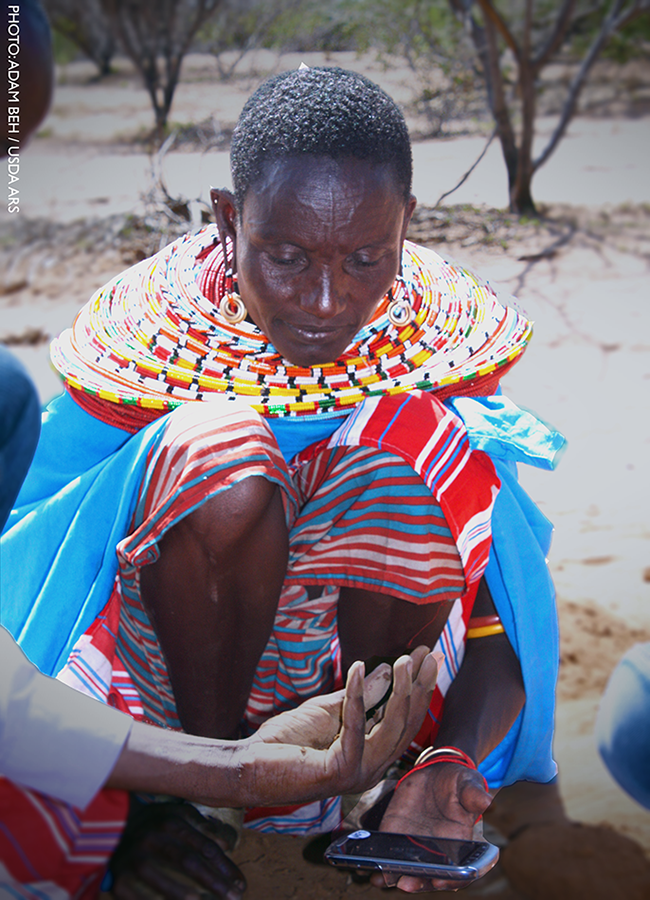
kenya_landpks
“The world’s most significant non-renewable resource is fertile soil.”
—The United Nations

Sustainable land management is key to combating climate change, but for farmers and pastoralists to use their land in a way that is ecologically sustainable, they must first understand the land’s potential. USAID and USDA have partnered to develop a system that collects, monitors, and aggregates information on land and soil properties that is shared globally through two mobile apps and a cloud-based platform that will allow scientists, farmers, pastoralists and extension agents to compare information and practices to better understand and manage different types of land. This platform links local rural communities with global experts to develop sustainable land management solutions. Watch this video featuring Land Potential Knowledge System (LandPKS) »
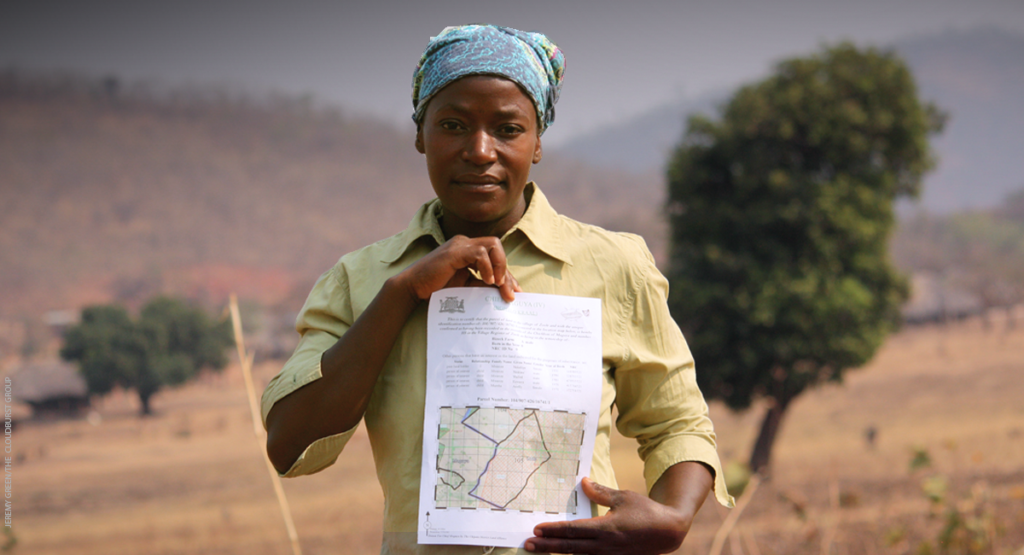
zambia_year_in_photos-1200

To continuously improve development projects, USAID uses impact evaluations to test the theories, tools and methods and determine what are the most effective strategies for reducing poverty, hunger and conflict. These rigorous impact evaluations go beyond traditional performance measurement to determine what outcomes are a direct result of the project itself, while strengthening our understanding of how different approaches fit with local contexts and needs. Today, USAID is conducting impact evaluations of land tenure programs in Ethiopia, Guinea, Liberia and Zambia. View USAID’s baseline findings »