From Classroom to Community

How Tajikistan’s Youth are Changing the Way We Look at Land Rights

Originally appeared on Medium.

On a sunny day in June at the Financial and Economic Institute in Tajikistan’s capital city of Dushanbe, a class full of energetic young law students discusses the day’s lesson. To the southwest of the capital, in a small rural village in Khatlon Province, high school seniors tell personal stories about helping their community. Sixty-five miles apart, the students are discussing the same subject: land rights. The enthusiasm in both classrooms is impossible to ignore.

The subject of land rights is a new addition to the students’ curriculum. As part of the U.S. Government’s Feed the Future initiative, USAID’s Land Reform and Farm Restructuring project has helped support this effort by establishing the course materials, which include a textbook and a fact-sheet on ways to resolve common land disputes.

Adults may not always recognize how influential youth can be. But in Tajikistan, USAID knows that youth often serve as a bridge of information, helping their families understand and adopt new practices.

View the full photo essay on Medium.

Feeding Ethiopia’s Future

Lessons from a Decade of Land Certification

Originally appeared on Exposure.

LAND RIGHTS MATTER

In Ethiopia, where over 80 percent of the population lives in rural areas, having secure rights to land and other resources is critical. Especially for women.

LAND INSECURITY → LESS FOOD SECURITY

For decades, farmers and other landholders lacked land tenure security because of frequent land seizures and redistributions.

This insecurity meant farmers had few incentives to make investments for fear that their land would be taken away before they could reap the benefits.

This led to declining agricultural productivity, food insecurity and hunger.

Read the full photo essay on Exposure.

Ethiopia to Develop a Comprehensive National Land Use Policy

On June 9, 2016, Hailemariam Desalegn, Ethiopia’s Prime Minister, announced the decision to develop a comprehensive national land use policy that provides a framework for a holistic and sustainable use of land to achieve social and economic development.

“Land use policy is at the heart of all development endeavors that aim to bring about economic transformation. Our success in achieving the transformation depends on the effective use of our land according to its potential,” the Prime Minister declared at a high-level discussion held in his office.

Accordingly, Desalegn ordered the development of a comprehensive national land use policy immediately, to be followed by a national land use plan within the coming three years. He urged all federal and regional government officials to ensure that the country’s land and natural resources are put to their best use until the policy comes into effect and the national land use plan is implemented.

Four peer-reviewed papers, which provide insights on the country’s land use trends, policy issues as well as key challenges facing the country, were also presented at the discussion. The papers include an analysis of landscape transformation and subsequent changes observed on natural resources and socioeconomic development in Ethiopia in the last three decades; a review of current Ethiopian policies and laws on land use; international experience on preparing and implementing national land use policies and their impacts on socioeconomic development; and the importance of a sound and robust land use policy.

More than 250 participants attended the high-level event, including ministers, regional presidents, the Prime Minister’s senior advisors and leaders of renowned academic institutions in Ethiopia.

The event concluded with the establishment of two committees to lead the policy development. The first is a technical committee composed of representatives from all ministries and government agencies that have a mandate to use or regulate the use of land and natural resources. Under the auspices and coordination of the Ethiopian Ministry of Agriculture and Natural Resources, this committee is tasked with preparing a draft of the policy by bringing together expertise and perspectives and priorities of all sectors on land use. The second is a high-level ministerial committee comprised of eight ministers who will oversee the activities of the technical committee and the formulation of a sound and robust national land use policy.

The Art of Starting Over

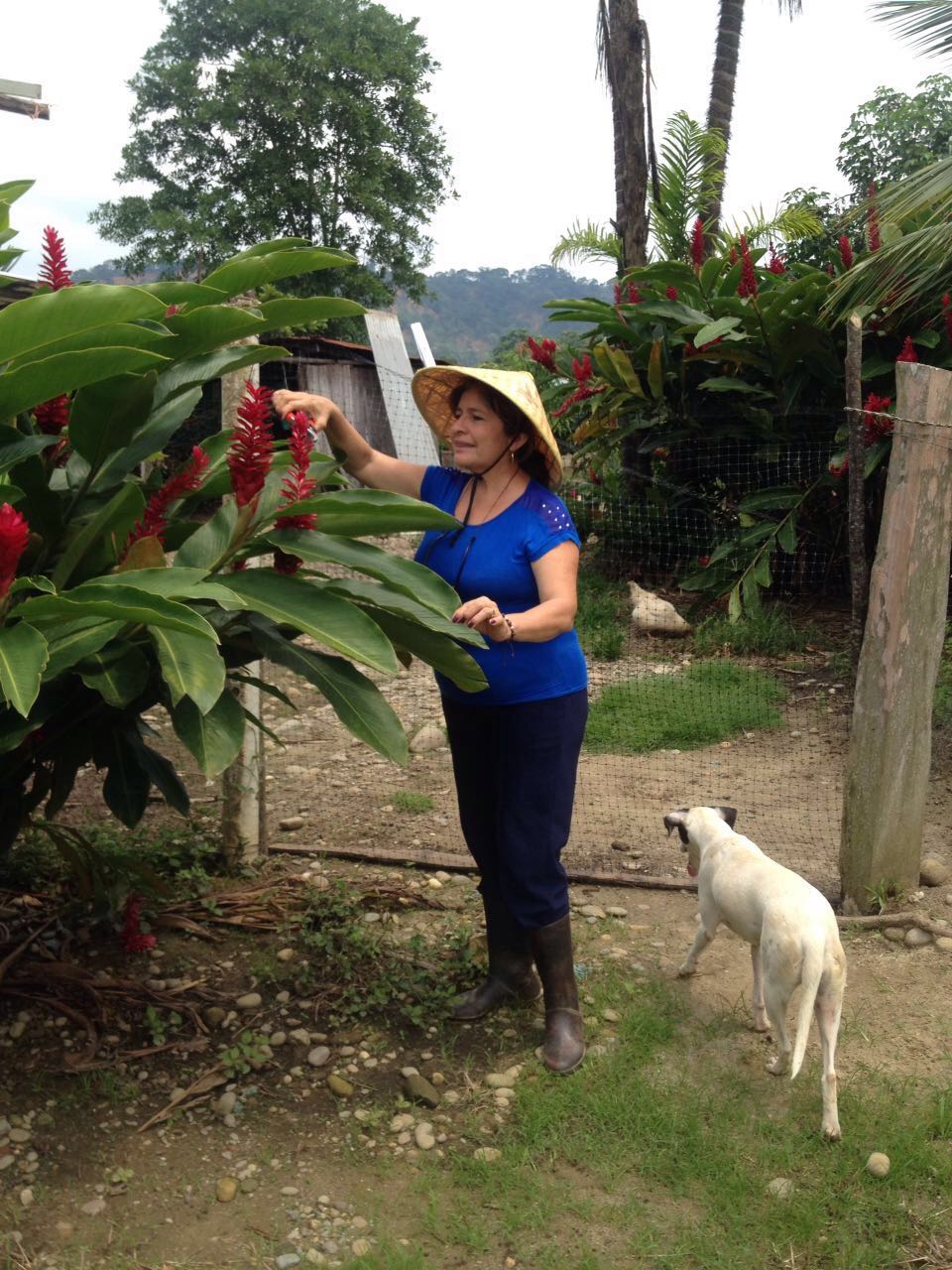
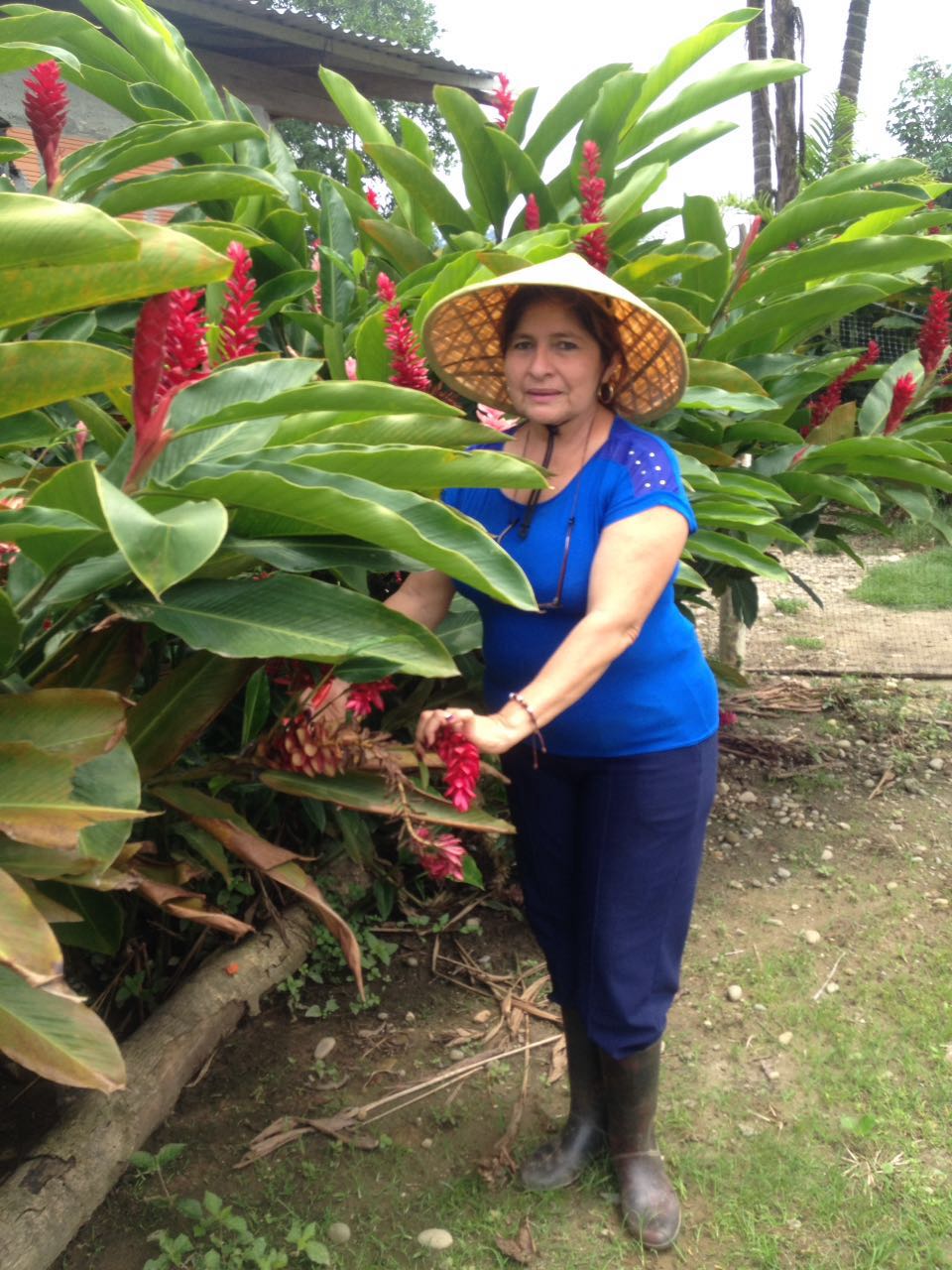
For women in Colombia, new land brings a new beginning

Originally published on Exposure.

OVER 3 MILLION WOMEN WERE DISPLACED DURING COLOMBIA’S ARMED CONFLICT.

Many abandoned their land under the threat of extreme violence, leaving their possessions, homes, and farms behind. Luz Esmeralda, a 52-year-old mother of two, was one of them.

Luz and her family enjoyed a peaceful, happy life on their farm, until conflict swept through their community. Luz clearly remembers the day armed soldiers appeared on her property.

“When the guerrillas came to our village, they told us to arm ourselves and join their ranks, or leave. They stole our cattle, machinery, everything. We were forced to leave our land. It was very very hard.”

STRENGTH IN NUMBERS

Luz and her family traveled from town to town, searching for a place to call home. Eventually they landed in Meta—a region of Colombia known for its rich pasture land. In town, Luz met other displaced women, many of whom were female farmers with agriculture skills that were not being put to use. Like Luz, they were desperate for work, shelter, and income.
Luz was determined to find a way to lift these women out of poverty, and refused to let war, displacement, and poverty be the storyline that defined their lives. She knew they had the collective skills they needed to start and grow a successful farming business. The women banned together under the leadership of Luz Esmeralda, and AgroEmpo—a farming association of 21 war widows—was born.

Request for Information – Strengthening Tenure and Resource Rights (STARR) II

USAID has issued a Request for Information/Sources Sought Notice for conducting market research to identify potential sources capable of providing support services and solicit advice, knowledge, and best practices from organizations interested in participating in USAID’s technical assistance within the Land and Resource Governance (LRG) sector. Instructions on how to provide comments are contained within the Notice. Responses are due by June 30, 2016.

Six New Infographics from USAID’s Rwanda LAND Project

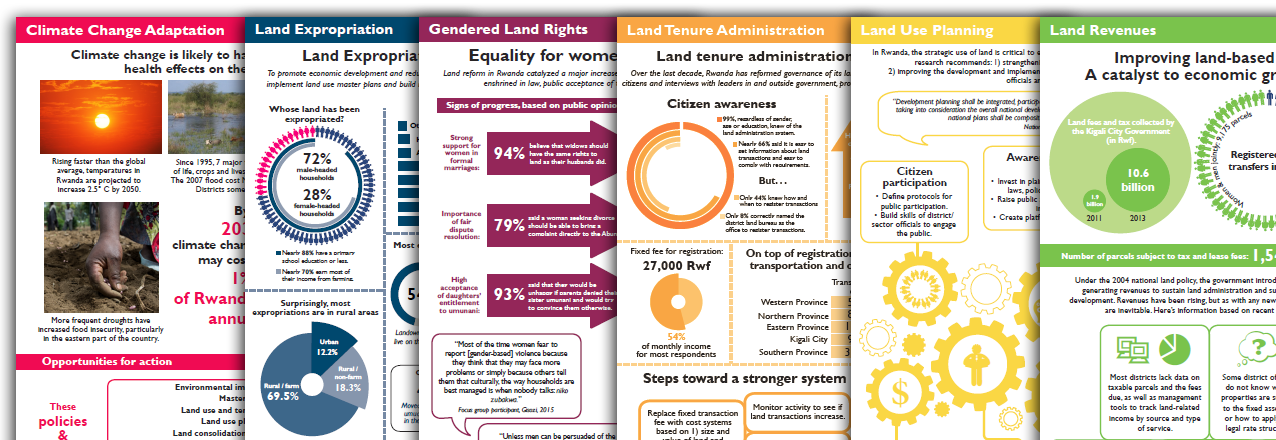
Since its inception, the USAID Rwanda LAND Project has produced a rich body of research on land issues in Rwanda. However, the project identified a need to broaden dissemination of the information and policy recommendations contained in the research. With this in mind, the LAND Project produced a series of six infographics targeting policymakers and land-related organizations on the following themes:

The infographics are available in English. The project also produced and broadcasted a six episode radio miniseries in Kinyarwanda to share information derived from the research with ordinary citizens.

Land Certification in Ethiopia: Lessons from USAID’s First Completed Land Sector Impact Evaluation

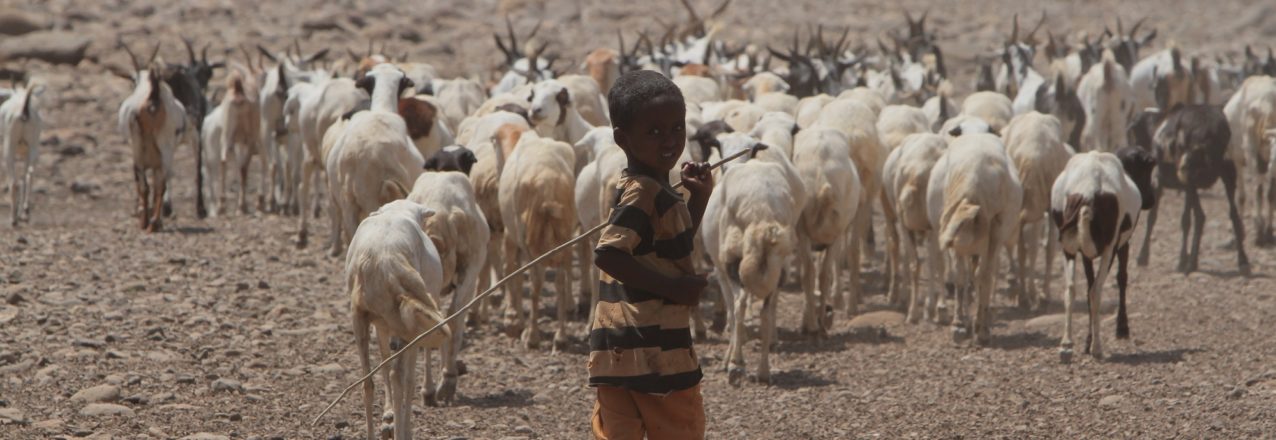
With a predominantly agrarian economy, land has been and will continue to be an important production asset for both farmers and pastoralists in Ethiopia. After a long period of feudal and customary land ownership, all land became public property in 1975 subject to long-term use rights. Still, a number of challenges to tenure security remained, and in the late 1990s, the Government of Ethiopia (GOE) launched the first ever land certification program to register farmlands held by rural households. Although this “first level” land certification had a number of important impacts on tenure security and land use practices on farms, a joint GOE-USAID assessment in 2004 indicated a need to improve tenure security by introducing cadastral maps and modern land registration.

Since 2005, USAID has invested a total of $20 million, through three consecutive programs, to strengthen land rights, build capacity, and map and certify individual and community lands across much of Ethiopia. The first two programs—the Ethiopia Land Tenure and Administration Program (ELTAP – 2005-2008) and the Ethiopia Land Administration Strengthening Program (ELAP – 2008-2013)—piloted and introduced improved second level land certification with cadastral maps in select woredas (districts) of the four highlands regions (Amhara; Oromia; Southern Nations, Nationalities, and Peoples; and Tigray).

Encouraged by the results of these projects, the GOE expanded second level certification in partnership with other donors, including the governments of Finland, Sweden, and the United Kingdom (UK), and the World Bank, and moved to invest an additional $150 million to expand second level land certification for millions of small-scale farmers.

For its part, while USAID has shifted its focus to registering communal land in pastoral areas, we decided to conduct an impact evaluation of ELTAP and ELAP to learn more about the impacts of second level land certification on women’s rights, credit and land access, and perceptions of tenure security and inform our support to land certification in Ethiopia and many other countries. Despite the significant effort associated with the impact evaluation, I am happy that we made a very important decision to invest in this study.

Firstly, the exercise allowed our Mission to learn more about impact evaluation design and execution. Impact evaluations need carefully designed scopes of work, a sound hypothesis and assumptions, precisely identified variables and indicators, and well-crafted surveying tools. We learned a lot from the endline process and even thought in retrospect that the baseline could have been done a bit differently. For example, we learned how important it is to ask questions in a way that small-scale farmers can easily answer, to complete baseline data collection before field activities begin, and to incorporate expertise from Government officials, academic experts, and other development partners.

We also learned how critical it is to carefully review the evaluation design in light of the program implementation process so that the design can be revised to capture any changes in implementation not anticipated in the original evaluation design. For example, since the delivery of certificates is beyond the manageable interest of our projects, many of our beneficiaries had their land surveyed but had not yet received a certificate at the time of the endline. As such, we revised the evaluation design to study whether having your land surveyed alone as compared to also receiving a certificate affects farmers’ outcomes. The support provided by our colleagues in Washington helped move the impact evaluation in the right direction and get it done on time.

Secondly, the impact evaluation also identified critical lessons from our programs within a short interval after ELTAP and ELAP implementation. For example, we found that second level land certification led to a 10 % increase in the likelihood of accessing credit, an 11 % increase in landholding, a 44 % increase in women’s decision- making over crops, and an 11% increase in the likelihood of households believing they have the right to bequeath land to their heirs. Given that farmers already enjoyed improved tenure security while transitioning from no certification to first level land certification, second level certification might not have been expected to show radical improvements in tenure security. Nonetheless, the evaluation highlighted other complementary reforms, for example to mortgage and rental regulations, that could increase the impact of second level land certification on farmers’ investments and livelihoods.

Finally, I know that USAID, the Government of Ethiopia, and other development partners are already considering the results of this impact evaluation and how to integrate them into the design of future programs. For instance, the evaluation recommends further legal reforms to allow land to be used as collateral to enable farmers to benefit from increased credit access with their land certificates. In reviewing the evaluation findings, the GOE noted that their new project with the UK is testing pilots that allow for mortgaging land use rights, so our findings support this theory of change. There are likely to be many opportunities to support other complementary reforms in on-going and future land administration programs to ensure that the benefits from second level land certification are fully realized and sustained.

Read more:

  • ELTAP/ELAP Impact Evaluation Overview »
  • ELTAP/ELAP Impact Evaluation Endline Report »

Land and Social Impacts: Ensuring We Do No Harm

Download the Issue Brief.

Commentary by Chad Dear, USAID, American Association for the Advancement of Science (AAAS) Science Policy Fellow.

“Do no harm”—the notion that we must consider, avoid, and mitigate the possible harm that any intervention might do—is a fundamental principle of humanitarian assistance and development. What concrete steps can you take to ensure that this principle is inviolate? Further, how can you use social impact assessments to better ensure that your intervention not only “does no harm”, but actually does good? USAID’s Land Office recently released the Land and Resource Tenure and Social Impacts Issue Brief, which describes land-related social impacts and their importance to USAID programming. Taking account of these social impacts is essential to ensuring that projects do not inadvertently cause harm, undermine USAID’s development objectives, contravene existing policy commitments, or erode public support for USAID operations.

The Issue Brief on Land and Resource Tenure and Social Impacts outlines concrete measures that USAID and others can take to safeguard against potential adverse social impacts of development interventions.

Getting It Right: Practical Tips For Evidence-Based Programming

Drawing upon the experience of USAID’s E3/Land Office managing 8 impact evaluations and providing technical assistance in the field, M.Mercedes Stickler, Senior Land Governance and Evaluation Advisor for the E3/Land Office, presents practical tips for evidence-based programming in the USAID context. This presentation was given at the USAID Environmental Officers Conference on February 25, 2016.

Mythbusting: 5 Things You Should Know About Impact Evaluations at USAID

By M. Mercedes Stickler, Senior Land Governance and Evaluation Advisor in USAID’s Land Tenure and Resource Management Office. This commentary originally appeared on USAID’s Impact Blog.

At an event marking five years since the release of USAID’s Evaluation Policy, USAID Administrator Gayle Smith noted, “Development is aspirational, but it’s also a discipline.” I couldn’t agree more.

As a researcher and practitioner, I approach development with a scientist’s eye: I draw on the best available evidence and carefully measure the impact of our programs to better serve our beneficiaries and maximize our limited funds. Together, let’s examine how USAID is learning from our experience and investing in rigorous impact evaluations in partnership with local stakeholders.

But aren’t impact evaluations difficult and expensive? Don’t they take years to show results? Is it ethical to “withhold” benefits from people in order to run a scientific experiment? I hear these questions often. For the past three years, I have managed a portfolio of eight land and resource governance impact evaluations across sub-Saharan Africa.

To learn about the 5 common misconceptions and lessons learned and, visit USAID’s Impact Blog >>