Land Matters Media Scan – 22 September 2017

Here are the recent land tenure and resource management media items:

USAID

  1. Laying the Foundation: Land and Livelihoods (9/20/2017)
    Source: USAID Colombia LRDP
  2. ‘Liberia’s Land Problem Needs Proper Legal Framework’ – mentions USAID’s Land Governance Support Activity (9/19/17)
    Source: Daily Observer
  3. How Mobile Applications are Documenting Property Rights in Zambia – written by Dr. Matt Sommerville, USAID’s TGCC Program Chief of Party (9/18/17)
    Source: ICTworks
  4. Opportunity: Democracy Fellow, Conflict, Fragility & Peacebuilding, Washington, D.C. (10/15/17)
    Source: USAID/DCHA/CMM / IIE
  5. Land restitution: Chengue dances again – mentions USAID’s Land and Rural Development Program (9/18/17)
    Source: The Bogotá Post

Upcoming Events

  1. Land and Conflict Webinar (9/28/2017)
    Source: USAID LandLinks

Global

  1. Land and the SDGs (9/6/17)
    Source: Land Portal
  2. Land defenders call on UN to act against violence by state-funded and corporate groups (9/21/17)
    Source: The Guardian
  3. More than a billion live on degraded land, at risk of hunger – UN (9/12/17)
    Source: Thomson Reuters Foundation
  4. Giving new life to degraded lands in Small Island Developing States (9/14/17)
    Source: FAO

Indigenous Peoples

  1. Indigenous Rappers from Brazil Are Using the Internet to Bring Their Message to the Masses (9/18/17)
    Source: Global Voices
  2. Indigenous victory: Brazil’s Temer decrees 1.2 million Amazon reserve (9/18/17)
    Source: Mongabay
  3. Twenty years after peace accord, indigenous Bangladeshis still attacked over land (9/18/17)
    Source: Thomson Reuters Foundation
  4. Argentina: Indigenous land conflicts threaten Vaca Muerta investment (9/18/17)
    Source: Verisk Maplecroft

Africa

  1. Liberia: CSO Group Wants Land Rights Act Amendment Before Passage (9/19/17)
    Source: Front Page Africa
  2. South Africa: Why red lights are flashing over consultation on communal land bills (9/18/17)
    Source: Business Day
  3. South Africa: What is a fair price for expropriated land? (9/18/17)
    Source: GroundUp
  4. Zimbabwe: Address land ownership, tenure disputes: Farmers (9/14/17)
    Source: The Herald

Asia

  1. India: Small tea growers in India’s Assam to get land rights for first time (9/13/17)
    Source: Thomson Reuters Foundation
  2. India: Conflicts across India as states create land banks for industry, investment (9/19/17)
    Source: Business Standard
  3. Burma: Confiscated Land Returned to Farmers in Magwe (9/14/17)
    Source: The Irrawaddy
  4. Iraqis track abandoned homes with digital tools (9/21/17)
    Source: Thomson Reuters Foundation
  5. Thailand: Land row stirs hornet’s nest (9/14/17)
    Source: Bangkok Post
  6. The Philippines: ADB study shows only a third of Filipinos own a dwelling (9/13/17)
    Source: Business Mirror

Laying the Foundation: Land and Livelihoods

The integrated approach to land tenure that builds government capacity, strengthens economic development, and protects property rights.

Originally appeared on Exposure.

HEAVEN & EARTH

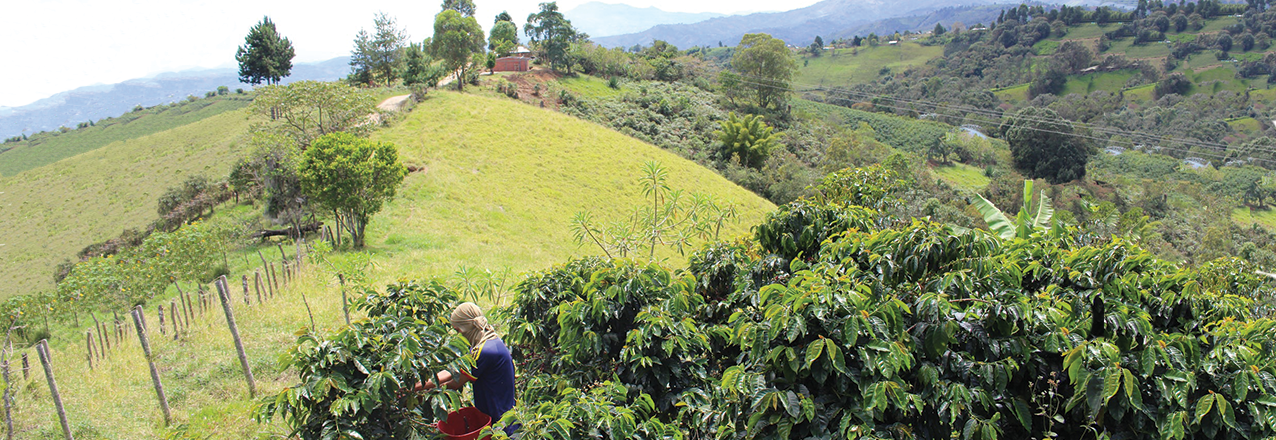
For the past ten years, Eloísa Garzón Ángel—a mother of six living in Potrerito, a lonely outpost in the arid mountains of Southern Tolima, near Ataco—has witnessed, during each election season, how local politicians drive up to visit the 250 families living in this conflict-ridden and forgotten corner of Colombia.

“They come up and promise us heaven and earth, but all anybody wants here is a paved road,” she explains.

The road, which was first excavated 30 years ago, played a strategic role in the military strategy of the Colombian leftist rebels known as the FARC, allowing them to transit and control a large swath of south-central Colombia between Meta and Tolima. Today the road mostly causes headaches for the estimated 1,000 people living in these mountains. The farmers and ranchers—who are dedicated to growing coffee on the steep hillsides and keeping cattle where they can—find it hard to compete, forced to pay such high costs to get their products to market.

Southern Tolima was always the FARC’s major stronghold near the rebel army’s birthplace. In the early nineties, the FARC started to canvas the mountains west of the urban center of Ataco before its official invasion in 1997. Two years later, the rebels attacked and controlled Ataco, sparking an ongoing battle for this and neighboring municipalities that would last more than a decade.

Between 2001 and 2007, most families in these mountains fled to cities as far as Bogotá to escape the violence. That is where Eloisa and her family went after leaving their farm, with very little on their backs. They spent four years struggling to find jobs and secure support from the complex government processes to assist displaced people.

“Leave everything you’ve created, everything you’ve made to go to a big city to suffer hunger and sleep on the floor is a sad solution for a displaced person,” she explains. “Life in Bogotá is expensive and you never stop spending money. It’s not like living in the countryside.”


Land Matters Media Scan – 15 September 2017

Here are the recent land tenure and resource management media items:

USAID

  1. Does De Facto Forest Tenure Affect Forest Condition? Community Perceptions from Zambia (9/6/17)
    Source: USAID LandLinks / Forest Policy and Economics

Reports and Publications

  1. Better land use and management critical for achieving the 2030 Agenda, says a new UN report (9/12/17)
    Source: UNDP
  2. Land Tenure Tensions in Maputo. A Study of the Neighborhood of Polana Caniço (9/11/17)
    Source: Institut Français des Relations Internationales
    Related report: Land Tenure Tensions in Maputo: A Study of the Neighborhood of Polana Caniço
  3. The road to zero deforestation food (9/7/17)
    Source: Oxfam
    Related report: Pathways to Deforestation-Free Food: Developing supply chains free of deforestation and exploitation in the food and beverage sector

Upcoming Events

  1. Ask the Experts: Webinar on the Future of Land-Related Indicators in the 2030 Agenda (9/18/17)
    Source: Land Portal

Global

  1. In fight for secure land rights, corporations and communities find common ground (9/7/17)
    Source: Devex
  2. Success in Manama Hinges on GLII Partners’ Momentum and Focus (9/12/17)
    Source: Land Portal
  3. The Fight for Land Rights is the Fight for the Forests (9/11/17)
    Source: Rainforest Action Network

Indigenous Peoples

  1. PMO nudges tribal affairs ministry to set deadline for granting land rights to tribals (9/8/17)
    Source: Hindustan Times
  2. Native communities in danger in Argentina (9/11/17)
    Source: openDemocracy
  3. Six farmers shot dead over land rights battle in Peru (9/6/17)
    Source: The Guardian
  4. ‘They lied’: Bolivia’s untouchable Amazon lands at risk once more (9/11/17)
    Source: The Guardian
  5. ‘Uncontacted’ Amazon Tribe Members Are Reported Killed in Brazil (9/10/17)
    Source: The New York Times
  6. Cameroon forest people: Land rights abuses threaten survival (9/13/17)
    Source: Thomson Reuters Foundation

Africa

  1. Mahama urges women to invest in agriculture (9/12/17)
    Source: GhanaWeb
  2. Malawi: Expert says controversy continues to surround land issues in Malawi (9/8/17)
    Source: Nyasa Times
  3. YES! Malian women make progress in fight for land rights (8/23/17)
    Source: ONE
  4. Uganda: Govt asks for more time to rewrite amendment to land acquisition law (9/10/17)
    Source: The EastAfrican
  5. Zimbabwe: Pay rentals or move out, farmers told (9/7/17)
    Source: The Herald
  6. Zimbabwe: Government duty-bound on land use (9/7/17)
    Source: The Herald

Americas

  1. Argentina: Property rights and poverty reduction: Effects of land titling on Argentina’s urban poor (9/5/17)
    Source: VoxDev
  2. Barbudans to get title ownerships of lands they occupy (9/12/17)
    Source: The Daily Observer
  3. Brazilian officials seek land rights for rainforest dwellers at risk (9/8/17)
    Source: Thomson Reuters Foundation

Asia

  1. Burma: Will land seized by the military ever be returned? (9/10/17)
    Source: Frontier Myanmar
  2. China extends rural land reform trial to end-2018 (9/12/17)
    Source: Thomson Reuters Foundation
  3. India: Climate change, womens land rights inter-related: Speaker (9/7/17)
    Source: India Today / PTI
  4. India: Monsoon session: Land rights to slum-dwellers on agenda (9/7/17)
    Source: Orissa Post

Europe

  1. Georgia: Land Deeds Follow the Money (9/11/17)
    Source: Georgia Today

Land Matters Media Scan – 8 September 2017

Here are the recent land tenure and resource management media items:

USAID

  1. To Effectively Reach a Population, We Need to Coordinate with All Institutions (9/6/17)
    Source: USAID Colombia LRDP
  2. Tracking Land-Related SDGs: New Addition to the Land Portal (9/6/17)
    Source: USAID LandLinks / Land Portal
  3. Dialogue that Matters: USAID Talks Tenure with University Students (9/6/17)
    Source: USAID LandLinks / LTP
  4. Volunteers for International Security and Prosperity (VISP) (9/6/17)
    Source: USAID LandLinks
  5. Global Donor Working Group on Land Updates on the SDG Land Indicator 1.4.2 (9/7/17)
    Source: USAID LandLinks / GDWGL

Upcoming Events

  1. Ask the Experts: Webinar on the Future of Land-Related Indicators in the 2030 Agenda (9/18/17)
    Source: Land Portal

Global

  1. Finding a way in for better landscape governance (8/15/17)
    Source: CIFOR
  2. Opinion: Forging the link between land administration and sustainable communities (8/25/17)
    Source: Devex
  3. Easing Land Conflict in DRC: An Introduction to Open-Source Mapping Tools (8/30/17)
    Source: Engineering for Change

Indigenous Peoples

  1. INTERVIEW-Engaging with indigenous people benefits business, environment – U.N. expert (8/8/17)
    Source: Thomson Reuters Foundation
  2. Site C Dam Project Will ‘Irreversibly Damage’ Indigenous Lands, UN Panel Says (8/28/17)
    Source: Huffington Post Canada
  3. Native title claims: federal court delivers stinging criticism of NSW government (8/31/17)
    Source: The Guardian
  4. Tribal leaders worried as battle to open up the Amazon to mining rages (9/1/17)
    Source: Thomson Reuters Foundation
  5. Adani’s Australian mine won’t start until they have a land agreement with us: Indigenous activist (9/2/17)
    Source: National Herald
  6. Land Law Should Honor Native Claims: Malaysian Activists (9/4/17)
    Source: Benar News

Africa

  1. Liberia: ‘Senate Not Pressurized to Pass Land Rights Act’ (8/29/17)
    Source: Daily Observer
  2. South Africa: Court orders lawyers to resolve conflicts over land invasions (9/2/17)
    Source: IOL / Independent on Saturday
  3. South Africa: Land reform beneficiaries can help alleviate poverty (9/3/17)
    Source: IOL / The Sunday Independent
  4. Uganda: Land Portal Foundation and Advocates Coalition for Development and Environment (ACODE) launch Uganda Country Portfolio that identifies key land governance challenges and trends (8/28/17)
    Source: Land Portal
  5. Zimbabwe: Be transparent, Govt urges Land Commission (9/5/17)
    Source: The Herald

Americas

  1. Brazil: Quilombolas’ community land rights under attack by Brazilian ruralists (8/25/17)
    Source: Mongabay
  2. Brazil suspends Amazon mining decree in face of criticism (8/31/17)
    Source: Thomson Reuters Foundation
  3. Canada: Lacking land rights, historic black communities in Canada seek change (9/6/17)
    Source: Thomson Reuters Foundation
  4. Guyana goes after stolen ancestral Afro land (8/31/17)
    Source: Amsterdam News

Asia

  1. Cambodia: Under Threat of Jail, Women Activists Fight Cambodian Lake Land Grab (8/25/17)
    Source: News Deeply
  2. Cambodia: Solution in sight for land disputes (9/4/17)
    Source: Khmer Times
  3. Cambodia: Protected land to become state property (9/5/17)
    Source: Khmer Times
  4. India: As men migrate to cities, women farmers seek Indian land rights (8/30/17)
    Source: Thomson Reuters Foundation
  5. Malaysia: Gatco settlers get stay order against company developing land (8/28/17)
    Source: Free Malaysia Today
  6. Philippine palm oil plan ‘equals corruption and land-grabbing,’ critics say (8/31/17)
    Source: Mongabay
  7. The Philippines: DAR: Farmers can occupy farmlands under protest (8/26/17)
    Source: Philippine Daily Inquirer
  8. Risk and reward in Vietnam’s real estate as investors ignore uncertainty over future of land rights (8/24/17)
    Source: Duane Morris

Europe

  1. Ukraine: Justice Ministry developing new online services for landowners (8/31/17)
    Source: Ukrinform

Volunteers for International Security and Prosperity (VISP)

The VISP Annual Program Statement (APS) is designed to help USAID maximize its development impact by providing an easy to use, responsive mechanism that enables Missions to access expertise from a broad array of partners that can mobilize volunteers.

The APS seeks to help USAID maximize development impact, as well as promote efficient resource use, by mobilizing the creative capacity of volunteers globally. It also serves to fulfill the mandate of the Volunteers for Prosperity Executive Order, which tasks USAID with promoting, expanding, and enhancing volunteer service opportunities for highly skilled U.S. professionals who wish to work with non-governmental and voluntary service organizations around the world in support of major U.S. development initiatives.

This APS is an effective mechanism to facilitate access to skilled paid and volunteer expertise across any sector while supporting the U.S. foreign policy objectives of promoting national security, advancing American values, and supporting global prosperity and self-reliance. This global program will be funded and managed at the individual OU (Mission, Bureau or Independent Office) level.

How it Works

The VISP APS is not a Request for Applications or a Request for Proposals; it invites concept papers from a wide variety of non-governmental and voluntary service organizations for assistance awards that achieve development impact in USAID focus areas through the inclusion of volunteers.

Eligible organizations should contact USAID OUs to discuss their organization’s proposal. Following these discussions, the organization may submit a brief concept paper. Volunteers must comprise at least 30% of the total labor level of effort within any activity funded through the VISP APS. Based on their review of the concept paper, the USAID OU will make a decision whether to co-create the activity with the applicant and to request a full application. Acceptance of the concept paper satisfies competition requirements but does not guarantee an award.

Through the VISP APS, Missions can engage new organizations and non-traditional partners with specialized expertise. These new partners, and the opportunity to co-design solutions, allow for the generation of new ideas from people and organizations with fresh approaches. Peer-to-peer learning opportunities can also offer a way to build relationships between U.S. and local organizations that have the potential to live beyond the life of the development program. Missions can stretch development dollars and public diplomacy efforts by using the additional technical capacity provided by volunteers.

The flexibility of the mechanism and the opportunity for co-design adds another tool to the Mission toolbox for accessing specific expertise, paid and volunteer. Missions can also tailor programs to their specific needs by adding an addendum to the APS at any time. Addenda are brief descriptions of the problem the Mission is trying to solve and will be posted to grants.gov independently from the APS.

Contact

Local Sustainability Office (E3/LS)
Email: visp-aps@usaid.gov

Global Donor Working Group on Land Updates on the SDG Land Indicator 1.4.2

Donors’ data from land surveys to support methodology for 1.4.2

In June, the Friends of the Custodians (FoC) Committee collected data sets from land surveys conducted by donors agencies and shared them with the Custodians. The data comprised past evaluations and other surveys that have household/individual/parcel information, information about upcoming evaluations and countries where donors have close relations with the statistical agency or land/agricultural ministry to help advocate reporting on indicator 1.4.2. This info will help in the preparation of the methodology report to be submitted to the Inter-Agency Expert Group (IAEG) on SDG Indicators by 2 October 2017.

Highlights of July meetings

In July the Custodians held three important meetings:

3rd Expert Group Meeting: Using Administrative Data to Monitor SDG land (Barcelona, 6-7 July)

The focus of this EGM was on the indicator component “legally recognized documentation” which will be measured using administrative data produced by the land agencies in the different countries. Other components of the indicator will be measured using household survey data. Particularly, the objectives of this EGM were to: (1) agree on a methodology to monitor the part of indicator 1.4.2 pertaining to legally documented rights using administrative data, (2) assess availability of existing data and explore ways of institutionalizing reporting at country and regional level, and (3) explore options for building on administrative data to advocate and measure progress of land policy reforms. A readout from this EGM will be shared soon by the custodian agencies. The FoC had access to at least one presentation – by Klaus Deininger (WB) – on strategies for compiling administrative data – see the PPT here.

Expert Group Meeting on Women Land Rights (NY, 8-9 July)

This EGM examined land indicators in the SDGs, seeking for meaningful and more harmonised approaches to monitor women’s land rights in a coordinated manner at all levels. This EGM was convened by Global Land Indicators Initiative (GLII) in partnership with Oxfam. This EGM was particularly relevant for indicators 5.a.1 and 5.a.2 addressing women’s land rights, but also important to raise political support for 1.4.2. See the readout from this EGM here.

HLPF side event on Progress on Monitoring Tenure Security in SDGs – where are we? (NY, 10 July)
At this well-attended side-event, custodian agencies and partner organisations aimed at raising political support by UN Member States and other groups to globally monitor land governance through the SDG indicator 1.4.2.

Speakers included H.E. Ambassador Dessima Williams, Special Advisor to the President of the General Assembly of the United Nations on the Implementation of the SDGs, Heath Cosgrove, Director of the Land and Urban Department at USAID, Yongyi Min, Chief of Sustainable Development Goal Unit-IAEG, amongst others. They underscored the importance of securing land tenure to fight poverty and provided an update on the progress made in developing the methodology on indicator 1.4.2.

Amongst the participants’ recommendations for the ongoing process of developing a global methodology on indicator 1.4.2, are to support public education and raise awareness at the country level to the importance of monitoring tenure security and to promote capacity building for Land agencies and National Statistical Offices in new data production methods including surveys/earth observation.

Upcoming Meetings

  • 12 September, online: German NGO Welhungerhilfe will host a video conference to raise awareness of the German multi-stakeholder forum on land about the SDG land indicators. This multi-stakeholder forum comprises german government officials (Ministry of Development Cooperation, Ministry of Food and Agriculture), GIZ, NGOs and academia. Invited experts, such as Sven Kaumanns of the German Statistical commission (tbd) and Luca Miggiano from Oxfam-Novib, will inform about the importance of land tenure in the SDG context and share updates on the various land indicators – particularly the need to reclassify indicator 1.4.2 from Tier III to Tier II. Participation is by-invitation only. More info with Marion.Aberle@welthungerhilfe.de
  • 9-13 October, Rome, Italy: 44th Committee on World Food Security (CFS). This year the CFS is organizing a special plenary session on the SDGs. Countries will have the opportunity to share and discuss how they are implementing the Agenda 2030 and to reflect on the outcomes of the High-Level Political Forum 2017 to further implementation of the SDGs.
  • 11-14 November, Manama, Bahrain: 6th Meeting of the IAEG-SDGs, hosted by Bahrain Center for Strategic, International and Energy Studies (DERASAT). You can view the provisional agenda here, as well as further information here. The first two days (11 – 12 November) will be an exclusive IAEG-SDGs members meeting, while the final two days (13 – 14 November) are a plenary session, where countries non-members of the IAEG, international organizations and other stakeholders are welcome to attend.

Dialogue that Matters: USAID Talks Tenure with University Students

USAID Land Tenure Project အေၾကာင္းေဟာေျပာပုိ႔ခ်မႈကုိ ေက်ာင္းသူ၊ ေက်ာင္းသား ၅၀၀ နီးပါး၊ ပါေမာကၡေတြနဲ႔ အစုိးရတာဝန္ရွိသူေတြတက္ေရာက္ခဲ့ၾကပါတယ္။ တက္ေရာက္လာၾကသူေတြထဲမွာ ရန္ကုန္တကၠသုိလ္၊ မႏၱေလးတကၠသုိလ္နဲ႔ ေရဆင္းစုိက္ပ်ဳိးေရးတကၠသုိလ္ ဥပေဒပညာဌာနေတြက ကထိကေတြနဲ႔ အတူ ဘြဲ႔ႀကဳိကေန ပီအိပ္ခ်္ဒီ တန္း တက္ေနၾကတဲ့ ေက်ာင္းသူ၊ ေက်ာင္းသားေတြ ပါဝင္ၾကပါတယ္။ ျမန္မာအစုိးရ တာဝန္ရွိပုဂၢဳိလ္ေတြကလည္း တက္ႂကြစြာ ပါဝင္ေဆြးေႏြးခဲ့ၾကပါတယ္။

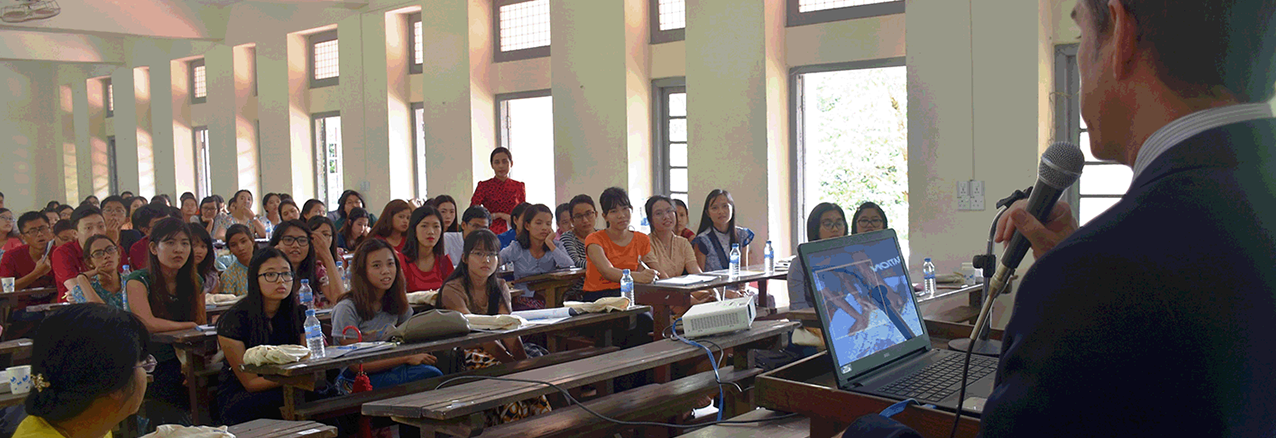
Nearly 500 students, professors and government officials attended a series of USAID Land Tenure Project lectures covering land governance, policy and law. Participants ranged from undergraduate students to doctoral candidates, along with Law Department lecturers from the University of Yangon, Mandalay University and Yezin Agricultural University. Burmese government authorities actively participated in the dialogue.

Learn more about USAID’s Land Tenure Project in Burma.

To Effectively Reach a Population, We Need to Coordinate with All Institutions

Q&A with the Restitution Coordinator at the Superintendence of Notary and Registry — SNR

Originally appeared on Exposure.

IN ORDER TO STRENGTHEN THE INSTITUTIONS INVOLVED IN RURAL DEVELOPMENT AND LAND ADMINISTRATION IN THE MUNICIPALITY OF SANTANDER DE QUILICHAO (CAUCA), USAID AND THE LOCAL MAYOR’S OFFICE HAVE PUSHED FORTH AN AGRICULTURAL AND ENVIRONMENTAL PLAN. THE PLAN WILL BE USED AS A RURAL PLANNING TOOL IN ORDER TO MAKE BETTER INVESTMENTS IN LOCAL AGRICULTURE. EDNA GRIJALBA MONCAYO, SANTANDER DE QUILICHAO’S SECRETARY OF ECONOMIC AND ENVIRONMENTAL DEVELOPMENT, DESCRIBES HOW THIS PLAN WILL IMPROVE THE FUTURE OF THE MUNICIPALITY.

Q: How has USAID supported the mayor’s office?

A: Initially, USAID played an advisory role with regard to the Municipal Development Plan, the Territorial Action Plan, and the goals that we have to meet. Similarly, it provided support for each of our agriculture projects, and subsequently, the Agricultural and Environmental Plan. These tools will allow us to manage resources and determine how the municipality is doing and what its problems and limitations are.

Q: What is the relationship between the municipality’s Agricultural Plan and its Development Plan?

A: The important thing about creating the Development Plan is that it was done with the community’s participation. They defined their needs. With the Agricultural Plan, we focused on solving the limitations of each of the agricultural value chains that support the municipality’s economy and the families in rural areas—such as cacao, pineapple, mango, sugarcane, and coffee. The Plan is a tool that allows us to visualize the areas where we must intervene, whether in terms of service and inputs, technical assistance, or infrastructure.

Q: What role does land formalization play in the context of the municipality’s Agricultural Plan?

A: The mayor’s office is coordinating actions that support the right to ownership in rural areas, such as the assessment of rural properties using survey data collected by USAID. We have carried out a census for nearly 500 farmers, of which 153 produce cacao. These are the ones we have projected for land formalization. With secure property and their participation in agriculture projects, we can make sustainable changes to improve the farmer’s quality of life.


Tracking Land-Related SDGs: New Addition to the Land Portal

Today, the Land Portal launched a Sustainable Development Goals (SDG) section to track land-related SDGs. This is a joint initiative of the GLTN-GLII and the Land Portal Foundation, funded by the Omidyar Network.

UN member States endorsed the 2030 Agenda and committed to implementing the Sustainable Development Goals, a set of 17 Global Goals, in a 15-year period. Agenda 2030 contains land-related indicators under SDG 1, 2, 5, 11 and 15. Each goal includes specific targets and indicators addressing land. Many land organizations and stakeholders are committed to fully implementing the SDGs and to monitoring the land-related indicators in order to promote responsible land governance. Land is a major resource and cross-cutting component, critical to achieving the SDGs.

The SDG section on the Land Portal includes the targets and indicators related to land, a timeline of important decisions that have been made for indicators, and the site’s latest news and blogs on land and SDGs. New content will be published weekly, in concert with the GLTN and the SDSN.

Learn more about this initiative by clicking here.

USAID Land Champion: Marcela Chaves

Tell us about yourself.

I manage USAID/Colombia’s Land and Rural Development Program (LRDP). Since 2009, I have worked with USAID and have supported USAID’s assistance to the Government of Colombia (GOC) on land related issues. I lead the coordination and implementation of actions to strengthen GOC institutions so they can better and more effectively reach out to remote conflict-affected rural areas and deliver services that will allow Colombia’s sustainable transition to peace. LRDP is USAID’s largest land-related program globally.

At the national level of the GOC, and mostly in the regions, I have seen evidence of how weak land governance and land policies fuel conflict, open doors for illicit economies to flourish, and limit the opportunities for positive transformation within conflict-affected regions while hampering sustainable development and mobilization of resources. At USAID, we are working closely with the national government, as well as the departmental/municipal governments and communities to address structural issues that have impeded effective implementation of land policies in Colombia.

Why is land tenure/property rights important to your work at USAID?

Land has historically been at the heart of the Colombian conflict. For more than 50 years, Colombia has tried to implement socio-economic development in rural areas and to transform conflict affected regions that have weak land governance and land tenure issues as common denominators. When land rights are unclear, socioeconomic development is either limited and/or unsustainable. USAID-targeted regions have faced displacement (Colombia has the second highest number of displaced people in the world, after Syria), very low public and private investment, and difficulties in securing sustainable results for those who most need development opportunities and are vulnerable due to this limitation. At the moment, Colombia has a window of opportunity to address land policy barriers as a result of the peace accord. If Colombia can begin to properly address land policies, this will lead the way for sustained economic growth, increased agricultural production, strengthened state presence, sound environmental practices, and equality for all its citizens. Although a difficult and long-term task, doing this is mandatory if the interest is to truly generate positive conditions in rural areas of Colombia.

What are some of the biggest challenges you see in addressing land tenure/property rights issues? And how are we tackling these challenges?

Some of the main technical issues have to do with lack of access to land information required to implement land policies; a heavy, confusing, and sometimes contradictory legal framework; a diverse array of institutions involved in each process; diminished institutional capacity to address the magnitude of decades of land governance decay that accumulated during the conflict; and unequal distribution of land. Other more difficult issues have to do with political, economic, and social overlapping interests in relation to land.

USAID provides support to the GOC in three different phases. In 2010, we provided support at the public policy level with inputs to the Victims and Land Restitution Law and with the establishment of the GOC conditions to implement it, including the creation of both the land restitution and the victims unit. In 2012 we provided support with increased capacity in the field to begin the implementation of land restitution while support at the national level to address issues such as cadaster versus registry, access to information, institutional architecture continued. In 2013 USAID transitioned its support from filling a service gap within the GOC to providing tools and support to strengthen GOC agencies and remove internal bottlenecks to in turn enable the GOC entities to be fully responsible for accomplishing their institutional mandates. Furthermore, USAID supports the strengthening of local actors such as youth and women groups, mayors and governors to allow their empowerment and regionally-led approach to land policy implementation. Finally, USAID mobilized funding from both the public and private sectors into the areas where we support land policies to commit their investment in economically viable public-private partnerships based on appropriate value chains for each region. With this approach, the expectation is that land beneficiaries will find the right economic conditions in rural areas to transform their lives and their future.

What are some successes USAID has achieved in the land sector?

One of the main successes regarding information management has to do with the launch of the first digital platform in Colombia that will allow over 10 government entities to access and share land restitution-related information in real time instead of through cumbersome and paper-based transactions. It significantly decreases the time it takes the GOC to address land restitution in Colombia. This required significant effort and investments to recover data from the information systems of each one of the participating institutions, yet this information system is still an important base to address broader land policies mandated in the peace accord.

In relation to land formalization, USAID and the GOC have begun the implementation of the first massive land titling pilot in Colombia through a sweep methodology in which the GOC will test how to address massive land titling instead of on a case by case basis. This pilot is expected to significantly reduce the cost and time it takes the GOC to issue titles in any given municipality of Colombia and will, therefore, allow more conflict affected families to access titles quicker. It will also strengthen land governance in conflict-affected municipalities which will allow them to access investment and programs more easily. USAID also supported the signing of eight public private partnerships in targeted regions to make sure that land beneficiaries find the right conditions to remain in their land and improve their livelihoods. These partnerships are showcasing how the public and private sectors can work with small agricultural producers effectively and to secure gains for all the participants, generating trust across all stakeholders.

Finally, according to a recent evaluation of USAID/Colombia land programming, evidence shows that USAID support contributes to strengthening land restitution, with a strong emphasis on gender and ethnic minorities in the recommendations made to the GOC. This evaluation also showed that USAID programming has significantly strengthened institutional coordination and planning while providing contributions at the policy level that have proposed new and more efficient institutional arrangements, that has facilitated decision making.

Final thoughts?

Land in Colombia remains critical to secure, sustainable, and licit conditions to transition rural areas into thriving economies. However, the technical and bureaucratic complexity that revolves around this matter has not permitted sufficient actions at the highest decision-making levels of the GOC. Technical approaches need to be paired with sustained political will and a strong institutional agenda. While the peace accord is a significant step forward, it is just the beginning of a set of conditions that are required and that, in the longer term, will have effects in land policy implementation. It may sometimes sound easier to try and achieve development in conflict affected rural Colombia without getting involved in the longer term and very complex agenda that land entails. However, international experiences around the world have demonstrated that ignoring land issues is seldom a good idea, Colombia precisely being one of them. I believe one of the main challenges is to continue with sustained support while remaining realistic regarding the process that addressing land issues implies.