

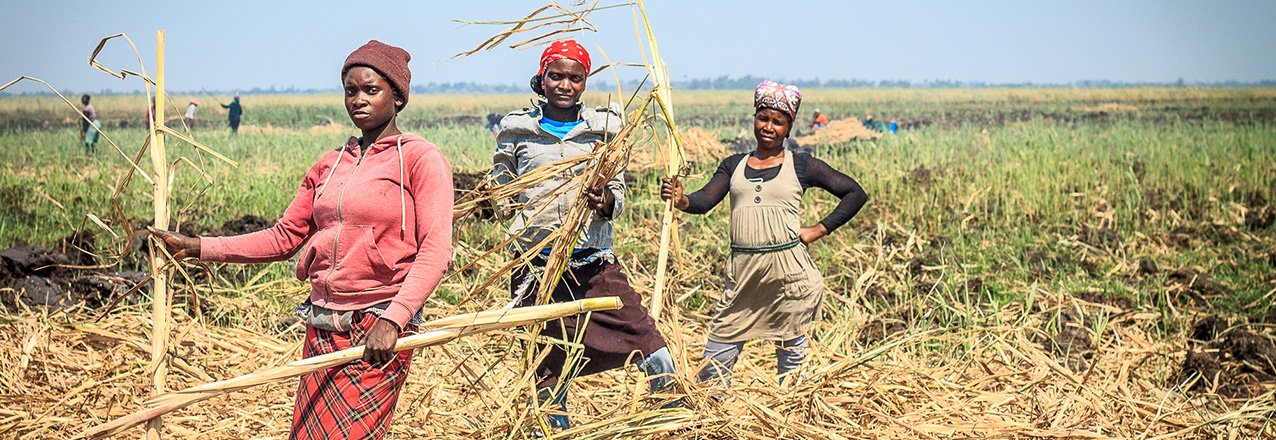
Youth land rights shape access to livelihoods, participation in land governance, and the choices young people can make about their futures. This overview introduces tenure insecurity, rural landlessness, and the contributions young people can bring to land management.
Youth land rights and rural livelihoods
In many countries, rising pressures on land have left youth increasingly landless or holding only informal or secondary rights to land, which can lead to increased conflict. In Ethiopia, for example, youth are more likely to experience land-related conflict than the general population, and in both Sierra Leone and Liberia, a lack of youth access to land may be a contributing factor to the civil wars.
Landlessness among rural youth is one of the primary causes of migration to urban areas as young people seek out alternative sources of income, and they have historically been left out of discussions on land ownership and management. However, development organizations are finding that when included, youth contribute new ideas and techniques and can assist as trusted intermediaries for boundary demarcation, modernizing agricultural practices, reinvigorating local economies.
More research is needed on the impact of land tenure and property rights on youth, but initial findings indicate that youths’ access to land can improve economic opportunities and that young people can be integral in promoting transparency and accountability. Youth often serve important roles as information bridges, encouraging their families to understand and adopt new practices in the land tenure and resource management sectors.
Photo Credit: John Dwyer / The Cloudburst Group
Explore youth participation and land access
Use this overview alongside the archive’s Six Myths About Youth and Land discussion to examine assumptions about young people’s access to land. For a gender perspective, read Young Women Stand Their Ground in Zambia’s Wildlife Sector. These historical articles offer different starting points for understanding participation, livelihoods, and rural opportunities.
When comparing country experiences, distinguish formal ownership from secondary or informal rights, and consider whose voices are included in decisions about land. The women’s land rights overview provides a related lens on unequal access and empowerment. Read archival examples in their original publication context.