

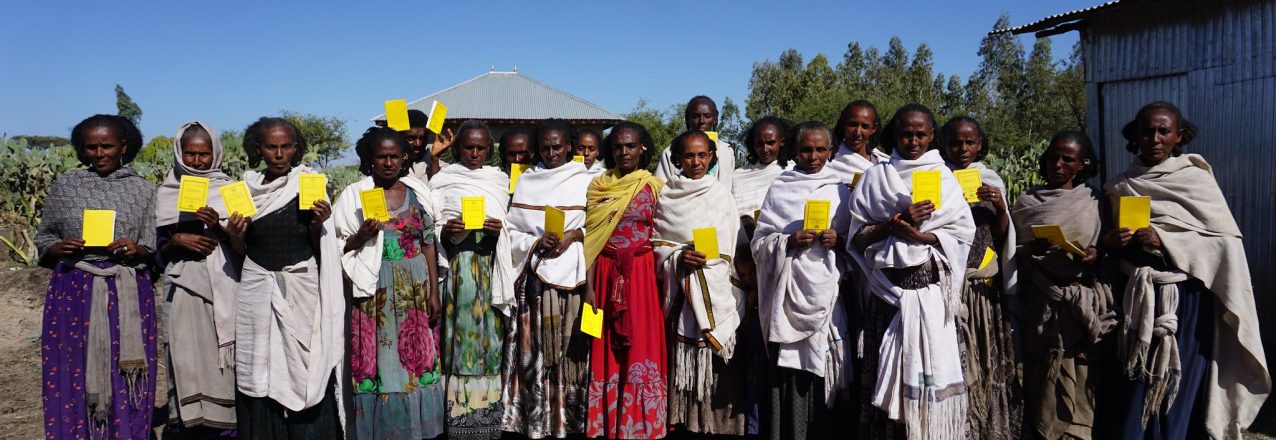
Land access and ownership for women remains severely unequal compared to men despite the fact that women are active participants in the agricultural sector and provide the majority of agricultural labor in much of sub-Saharan Africa. A recent USAID gender analysis of customary land allocations found that female-headed households in Ethiopia and Zambia not only receive less land in customary systems, but also less productive land. Land of lesser quality was more commonly received through gifts or loans than through inheritance, purchase or rent. The study also found that younger women received the least productive land, and that female heads of household often face higher levels of disputes over their land. In addition, women have less access to land rental markets compared to men, which means that women who do not receive a sufficient amount of land to meet their needs through allocation are less able than men to obtain more land through the market.
While gender biases in customary land allocation systems are well-documented, there have been no rigorous empirical analyses to characterize the extent and nature of these biases. This study is the first post-evaluation analysis of quantitative data to investigate gender bias in customary land allocation systems. It provides an important contribution to our shared knowledge and understanding of women’s land rights. This rigorous approach was made possible by utilizing USAID’s land tenure impact evaluation datasets and illustrates the value of these data to advancing future research in topics related to land tenure.
The study provides several key lessons for future land sector programming by USAID and other donors:
- Donors supporting formalization programs must identify and address gender biases where they exist in customary systems. Efforts to title, certify and/or register land rights within customary systems often crystalize existing allocation patterns. If women have fewer or poorer-quality plots of land to begin with, land programming may deepen these inequities by making them more formal and durable over time. To reduce risks, donors can take steps to: (a) understand patterns of gender inequity in land allocations prior to initial project design phases; (b) develop a strategy to address these inequities and proactively integrate it into project design and implementation; and (c) monitor and evaluate outcomes through the course of the project to ensure that risks are effectively addressed.
- Land quality matters. Donors who do take stock of existing gender biases in the design, monitoring or evaluation of land sector programs often only consider inequities in the quantity of land held. Placing additional focus on land quality will help donors to identify systematic gender inequities and the best approaches to addressing these. The quality of a plot importantly determines its immediate productive value for food security and income generation as well as its longer-term value as a transferable asset. Project evaluations—including baseline and endline data collection, should collect data about land quality to determine the net effect on gender equality.
- Women have less access to formal land sales and lease markets compared to men, and therefore are limited in their ability to optimize their land holding. Findings from Ethiopia and Zambia underscore the importance of land allocations for women, as they may not be able to gain access to additional or better-quality land through rental or sales markets (albeit informal ones) in the same way that men can. Additional research would help us to understand why this is so, and what steps could be taken to address this gender gap.
- Spatial analysis enables estimations of land quality, key to understanding and addressing gender inequities in land allocation. Geospatial data can contribute to the development of effective land quality indices that can assist in the evaluation of gender inequities. This study linked georeferenced household survey data to spatial data on agro-ecological conditions and proximity to roads (as a proxy for market access). This enabled the research team to construct more accurate land quality indices that incorporated both geospatial variables and other factors related to land productivity, providing a critical new lens for land sector gender equality outcomes.
Our findings provide empirical evidence that customary land allocation systems can introduce gender bias in access to land. The appropriate policy response to such gender bias in any particular case will depend on a range of contextual factors. Options may include outreach and sensitization efforts with customary authorities and local communities to influence social norms related to gender, or implementation of programs to help women access land outside of the customary system. Our findings caution that formalization alone may be insufficient to empower women to use land markets to access land, and thus complementary interventions may be needed.
Read the full research paper here.
Authors: Jennifer Duncan, Senior Land Tenure Specialist, and Benjamin Linkow, Senior Research and Evaluation Advisor, on USAID’s Communications Evidence and Learning project



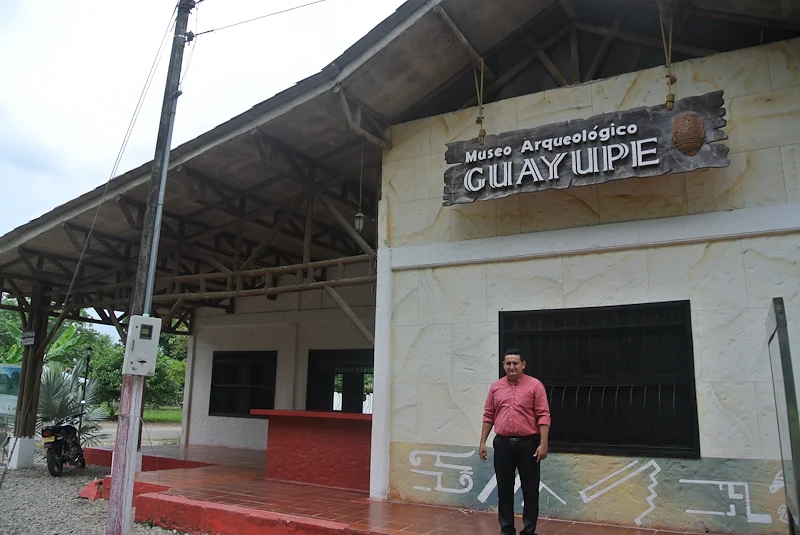
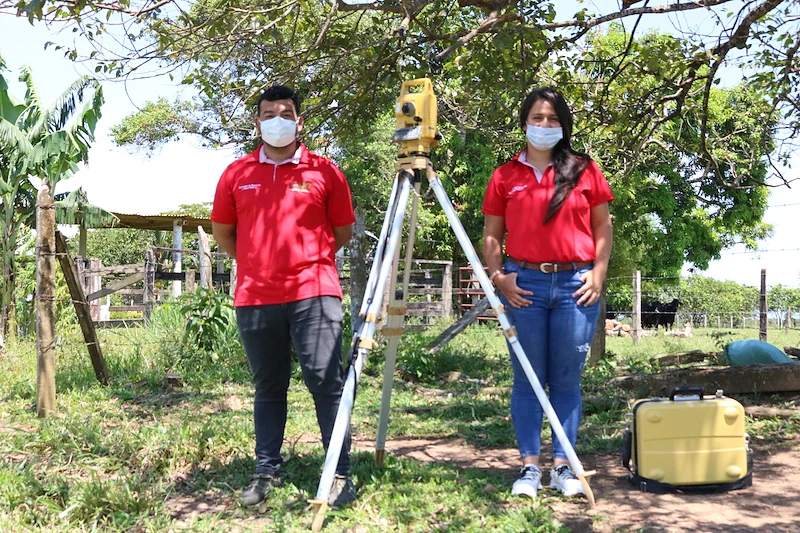
 Between house visits, Mayor Mancera, who used a mask throughout the entire video to limit the spread of COVID-19, stopped and looked at the camera explaining to her followers how Fuentedeoro’s Municipal Land Office is playing a key role in allowing her to formalize public properties like schools and health clinics, as well as lands that were donated by the city for social housing.
 She repeatedly reminded her audience and the new landowners that without their commitment and confidence in local government, Fuentedeoro’s Municipal Land Office would not be able to process their titles. It is true that without community buy-in, building a formal land market is practically impossible.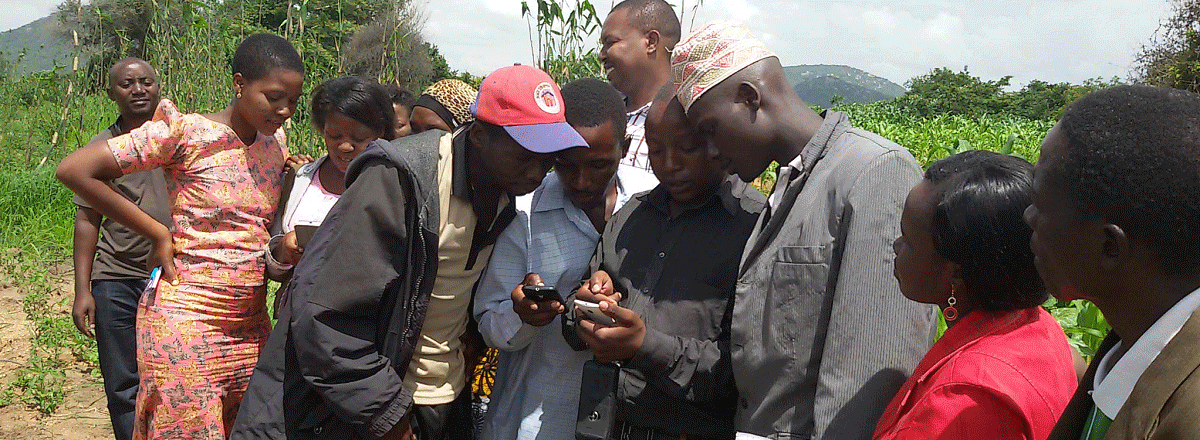
 Since 2015, USAID has worked in rural Iringa District, the heart of Tanzania’s southern agricultural region, to strengthen land rights and systematically address the lack of land documentation. Over the past five years, USAID/Tanzania’s Land Tenure Activity (LTA) helped villages and the district land office demarcate more than 70,000 land parcels and register more than 60,000 land certificates (known as CCROs), all using USAID’s digital
 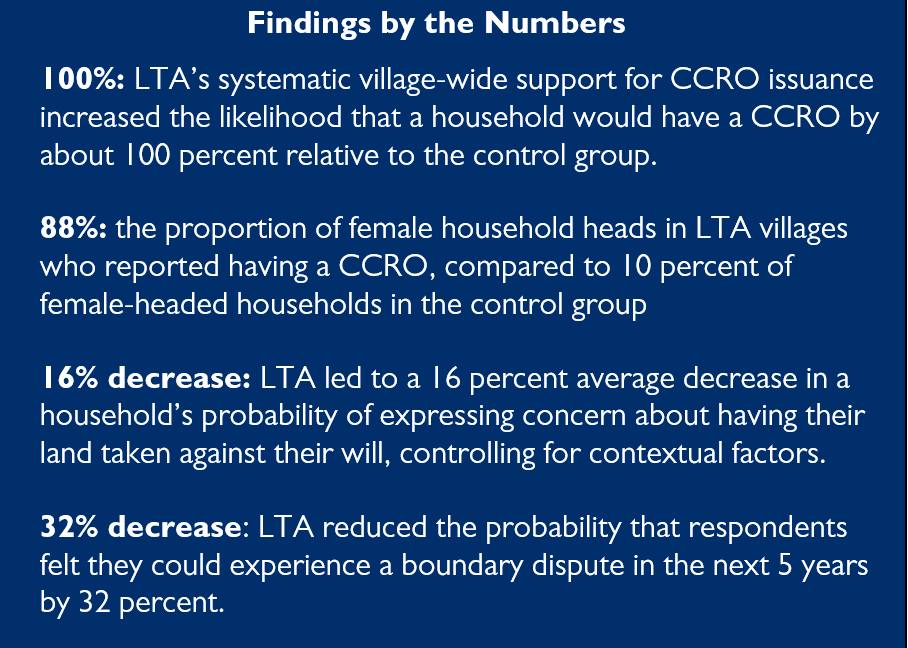 The impact evaluation of LTA has helped USAID measure the activity’s effect on land-related outcomes and understand how systematic certification of customary land rights affects smallholder farmers’ tenure security, investment decisions, empowerment, and broader livelihoods. With increasing land pressures and widespread concerns about land grabbing, knowing the impacts of formalized customary use rights is relevant to both farmers and policymakers.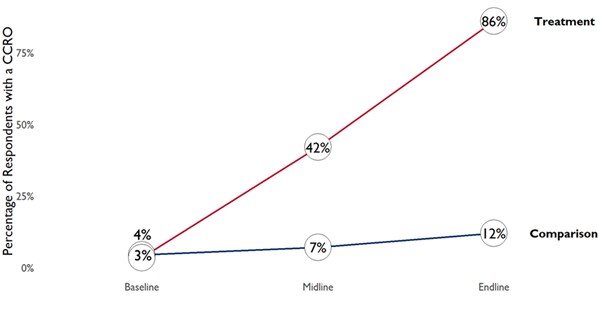
 Tenure security improved for both men and women, and to a greater extent for female relative to male households heads. The evaluation also found a substantial increase in tenure security for female primary spouses supported by LTA. These improvements are especially important in the rural Tanzanian context, where women often have a harder time claiming and defending their land rights or exercising control over land decisions. Based on the evaluation results, USAID/Tanzania’s support for formalized customary land documentation seems to have not only expanded people’s access to CCROs but also led to more equitable access to land documentation in ways that allay gender-based concerns around land grabbing.


 The Community is Abuzz