Farmers Need to Start Seeing their Farms as a Business

Q&A with Mauricio López, Colombia’s National Chocolate Company’s Development Manager in Tolima

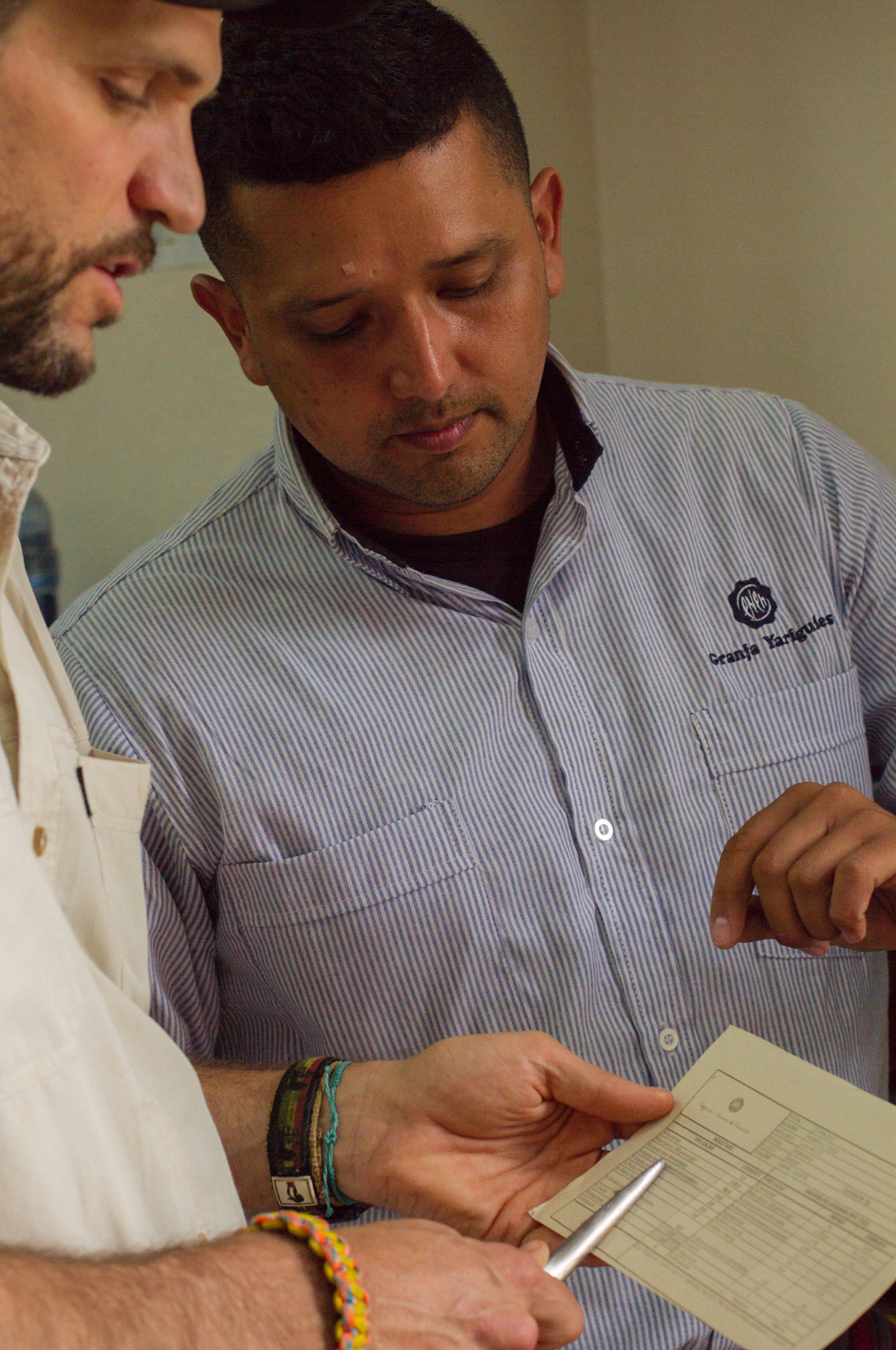
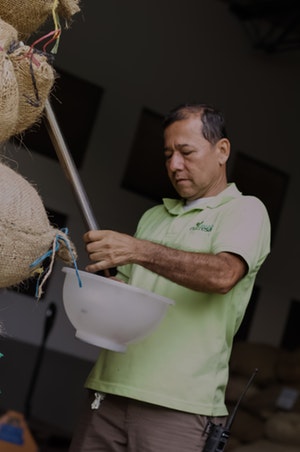
Mauricio López (R) explains a cacao grading card.

In 2017, USAID in partnership with Tolima’s regional government and mayors in southern Tolima established a Public-Private Partnership that would increase productivity in the cacao value chain. The PPP is valued at more than $5.6 million pesos and includes over 1,000 cacao producers as well as private sector partner Compañía Nacional de Chocolates (CNC). Mauricio López Gómez, CNC’s Purchasing and Agricultural Development Manager in Tolima, explains the challenges that cacao farmers face in southern Tolima, and how the private sector is now trying to provide them with reliable market access.

How does your company view the relationship between cacao growers and buyers?

The company’s main objective is to reach farmers directly, and for sales to be made between the farmer associations and the company, without having to resort to intermediaries. This ensure more money stays with the farmers.

How do you sustain this relationship?

In 1958, the company created an area called Purchasing and Agricultural Development. This department is responsible for marketing the product and is involved in developing projects for farmer associations and cacao growers throughout Colombia.

How does this approach fit within the public-private partnership?

Under the framework of the Public-Private Partnership, we offer support for everything related to technical assistance, training and workshops, nursery management and seeds and grafting. In addition to this, we work directly with farmer associations on marketing.

Land Matters Media Scan – 8 June 2018

Here are the recent land tenure and resource management media items:

USAID

  1. Investor Survey On Land Rights: Full Report (6/1/18)
    Source: USAID LandLinks
  2. The Sweet Expression of Panela (6/5/18)
    Source: USAID LRDP Colombia

Upcoming Events

  1. Sextortion and Land Governance: What is it and How can it be Tackled? (6/25/18)
    Source: Land Portal Foundation

Reports and Publications

  1. Ten Years of DS Efforts on Housing, Land and Property Rights in Myanmar – An Overview (6/4/18)
    Source: Displacement Solutions
    Related report: Housing, Land and Property Rights in Myanmar
  2. Southwest Afghanistan’s Bare Land has Become Home to Up to 2.2 Million People (5/20/18)
    Source: MENAFN
  3. A New Era of Land Struggle on the Horizon – Holding Governments to their Commitments to Collective Tenure (6/1/18)
    Source: Land Portal Foundation
    Related report: Collective Land Ownership in the 21st Century: Overview of Global Trends
  4. Rural Poor Squeezed by Land Concessions in Mekong Region – Report (5/29/18)
    Source: Thomson Reuters Foundation

Global

  1. Thinking Holistically About Women’s Land Rights (5/17/18)
    Source: Agrilinks
  2. Using the ‘Four Powers’ to Tackle Land Use Dilemmas (5/22/18)
    Source: CIFOR
  3. A Place of Her Own: Women’s Right to Land (5/21/18)
    Source: Council on Foreign Relations
  4. To End Deforestation, We Must Protect Community Land Rights (5/31/18)
    Source: World Economic Forum

Indigenous Peoples

  1. For Indigenous Peoples, Losing Land Can Mean Losing Lives (5/31/18)
    Source: World Resources Institute
  2. Brazil: Beleaguered Amazon Tribes Remain Staunch in Defence of their Land (5/28/18)
    Source: The Guardian
  3. Ecuador’s Indigenous Waorani Launch Petition to Save the Amazon (5/23/18)
    Source: Al Jazeera
  4. India: In Assam, a Government-appointed Panel Suggests Farmland be Reserved for ‘Indigenous People’ (5/18/18)
    Source: Scroll.in
  5. Kenya: Hope for Evicted Forest People as Kenya Vows to Honour Landmark Ruling (5/31/18)
    Source: Thomson Reuters Foundation
  6. Peru: Are Corrupt Politicians Behind Peru’s Palm Oil Plantations? (5/31/18)
    Source: Deustche Welle
  7. Tanzania: Half a Million of Indigenous Peoples’ Livelihoods Threatened in Tanzania (5/22/18)
    Source: IWGIA

Africa

  1. New Scramble for Africa: Is her land safe? (5/29/18)
    Source: Critical Investigations into Humanitarianism in Africa
  2. Africa’s Women are Still Waiting for Equal Inheritance Rights (5/24/18)
    Source: Landesa
  3. Democratic Republic of the Congo: To Protect the Congolese Peatlands, Protect Local Land Rights (commentary) (6/4/18)
    Source: Mongabay
  4. Why Ghana’s Clam Farmers Are Digging GPS (5/27/18)
    Source: NPR
  5. Sierra Leone News: Sierra Leone Women Demand Customary Land Rights (5/25/18)
    Source: Awoko
  6. South Africans’ Anger Over Land Set to Explode (5/30/18)
    Source: BBC
  7. South Africa: South Africa Needs to Reverse Corporate Capture of Agricultural Policy (5/28/18)
    Source: The Conversation
  8. Togo: Parliament Passes New Land Code (6/6/18)
    Source: Togo First

The Americas

  1. Brazil: Between Law and Reality: Understanding De Jure and De Facto Women’s Land Rights in Brazil (6/5/18)
    Source: Land Portal Foundation
  2. Guatemalan Farmers Occupy Plantation Formerly Owned by Drug Traffickers (5/23/18)
    Source: Waging Nonviolence
  3. Audio: Mexico’s Ejidos Find Sustainability by Including Women and Youth (5/30/18)
    Source: Mongabay

Asia

  1. India: Deadly Disputes Over Land, Environment in India’s Wealthiest States (5/25/18)
    Source: Thomson Reuters Foundation
  2. Indonesia: When Palm Oil Meets Politics, Indonesian Farmers Pay the Price (6/5/18)
    Source: Mongabay
  3. Philippine Peasants Fight for Land 30 Years after Reform (5/30/18)
    Source: Thomson Reuters Foundation

The Sweet Expression of Panela

How public policy tools and a public-private partnership is giving Cesar’s sugarcane farmers the chance to flourish.

La Panelita

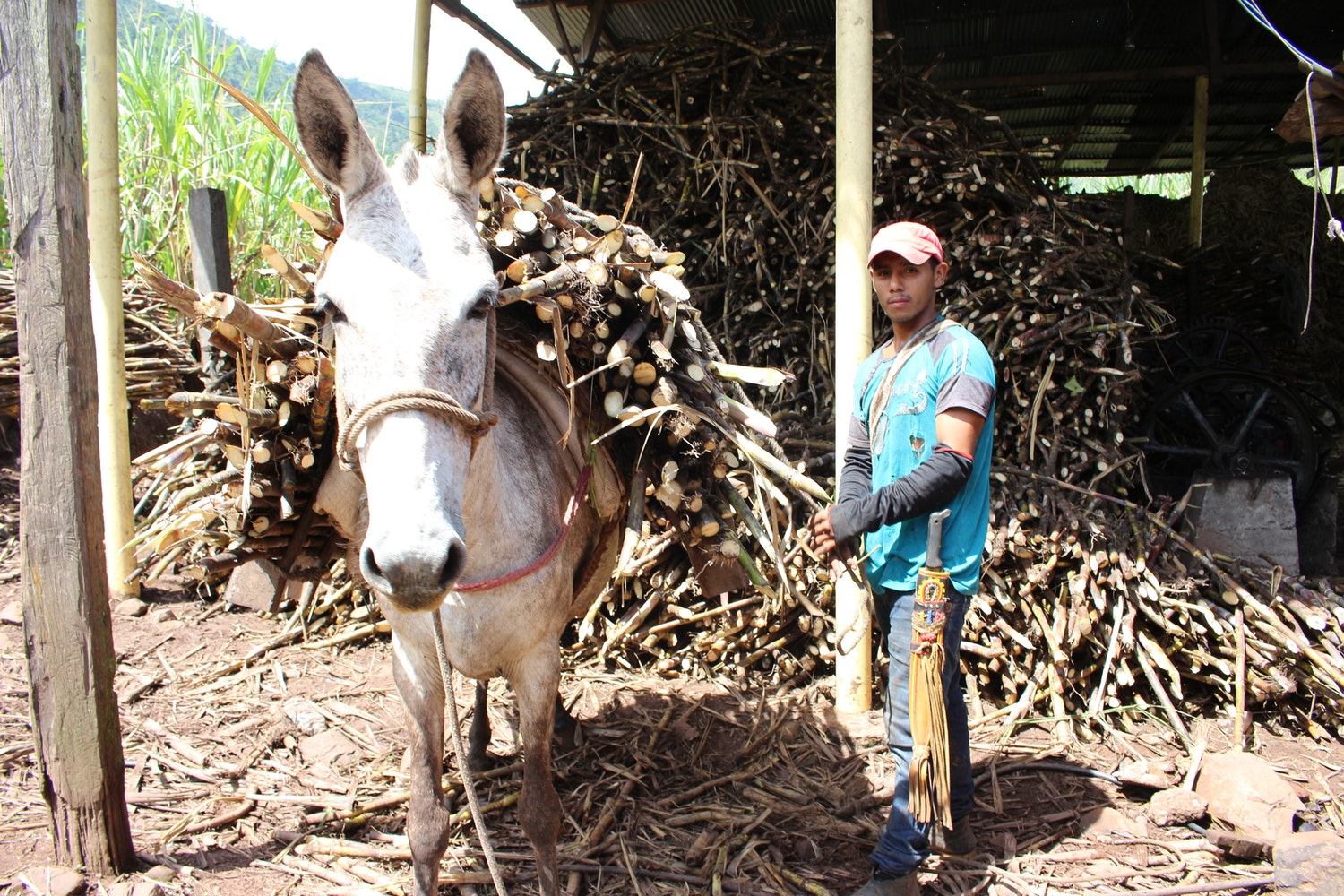
Five years ago, sugarcane farmers in Cesar had few outlets for their products. Although Colombia is known for its panela—unrefined cane sugar—in this corner of the Caribbean, in the department of Cesar, sugarcane farmers have spent years either sending their cane harvests to processors down south or producing panela on a small scale for community consumption.

But the future of panela in Cesar looks bright. Thanks to a recent spur to market high-quality panela, the industriousness of an indigenous community, and a USAID partnership with the regional government, Cesar’s panela is going from local to national to international.

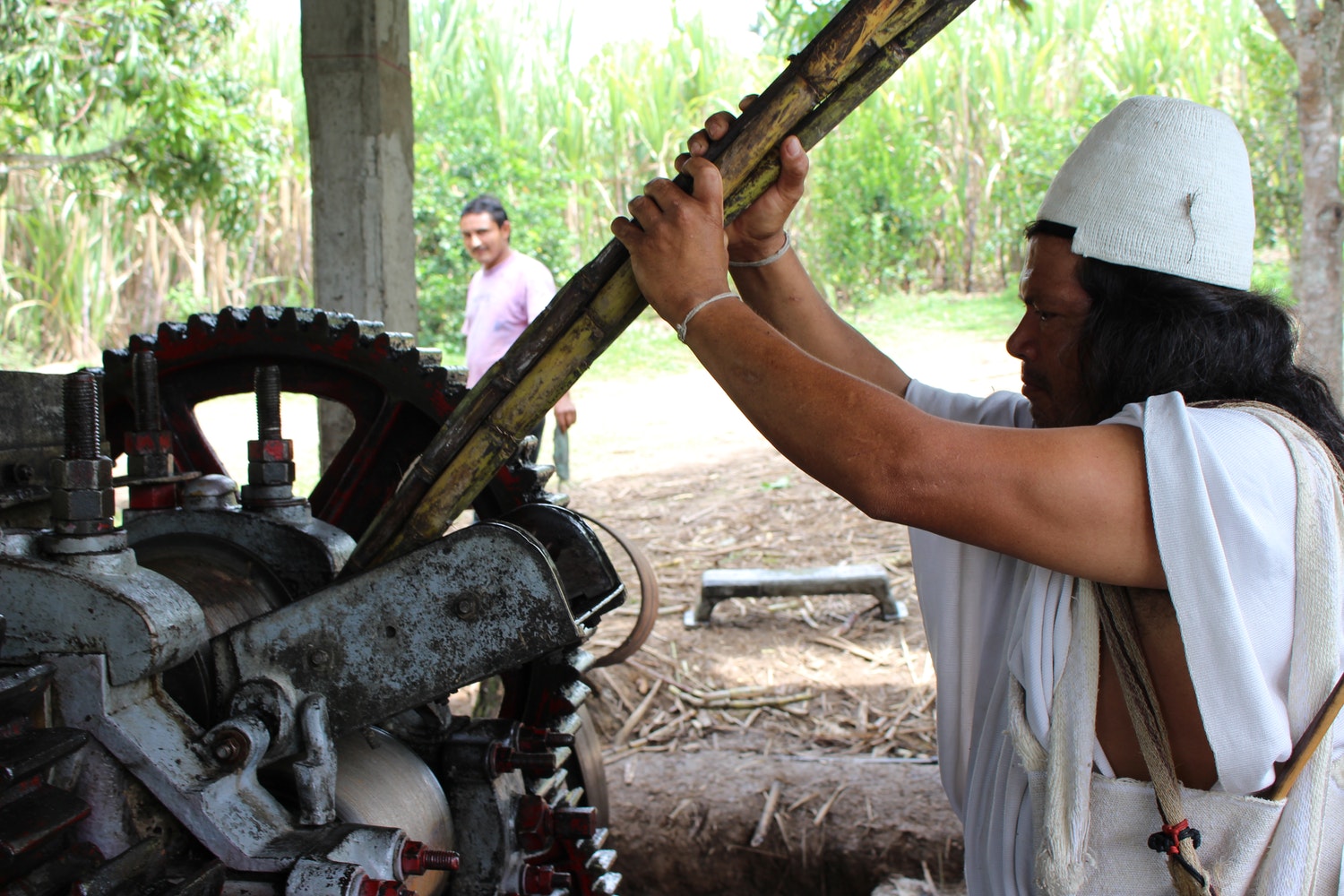
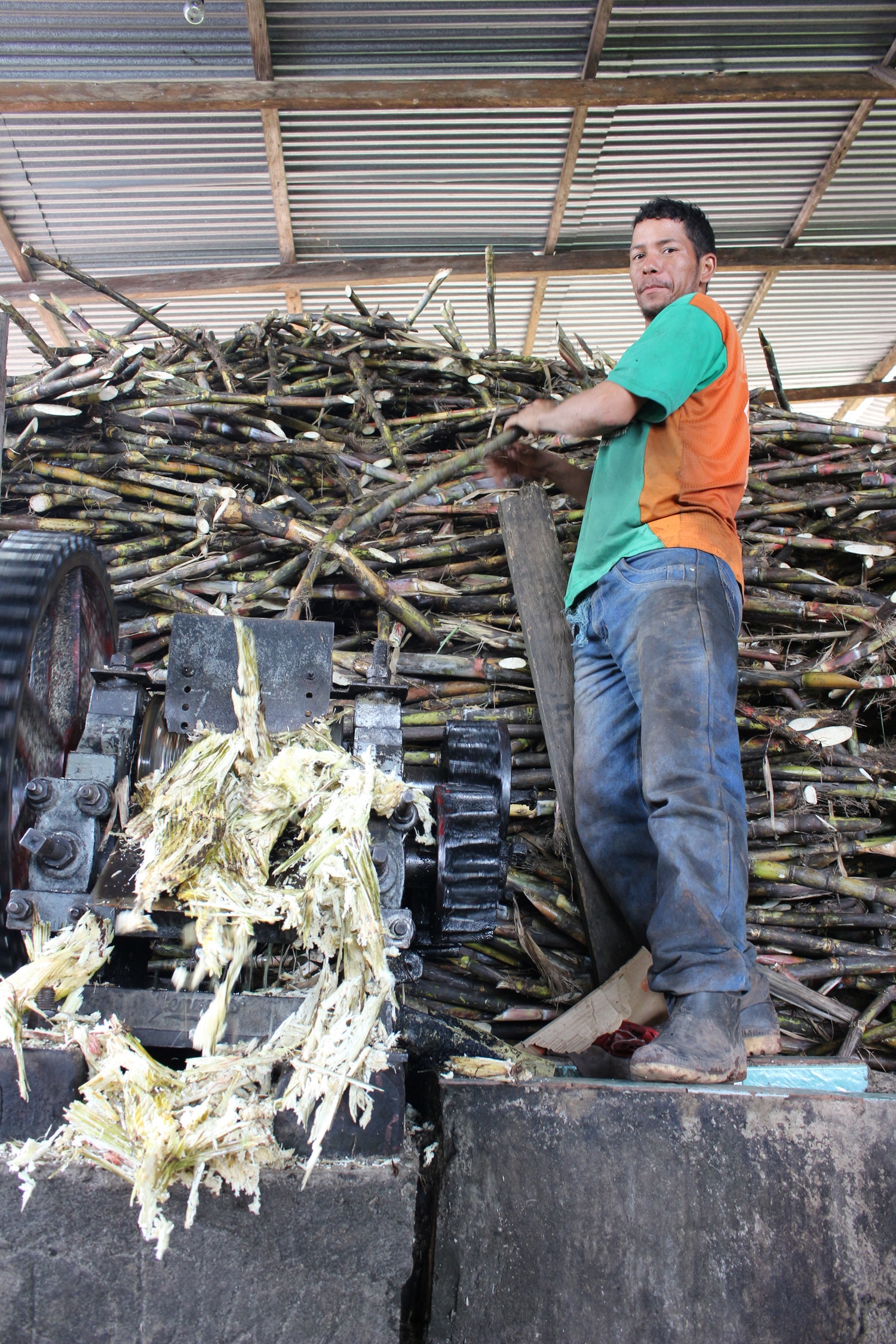
Four years ago, Samuel Coronel paid a neighbor US$40 for ten sugarcane cuttings to plant on some open land on his farm, located in the town of Los Encantos, high in the Sierra Perijá on the Colombia-Venezuela border. After one cycle, he multiplied coverage, and so on, until he eventually covered 20 hectares of land. A few years later, he purchased a mechanized cane mill, what he saw as a critical step to convince his neighbors of the potential of panela. Coronel’s hard work inspired neighbors to grow sugarcane, but they still needed market channels, certifications, group synergy and a regional and local government that would create an enabling environment.

Milling Organic

In 2017, as a result of collaboration between USAID and Cesar’s regional government, sugarcane growers, government entities and the private sector came together to outline a road map to build a prosperous panela value chain.

The resulting public-private partnership (PPP)—valued at nearly US$1 million—includes over 300 producer families and private sector players like top Colombian panela firm Doña Panela and the regional Chamber of Commerce. As a first step, USAID financed a value chain analysis of panela in Cesar, which identified the capacities of dozens of farmer cooperatives and evaluated more than 40 sugarcane mills in six municipalities.

At the center of the partnership is the indigenous Arhuaco farmer cooperative Seynekum, based in Pueblo Bello, which leads Cesar with an average annual production of 45 tons. In May 2017, Coronel and other farmers in the partnership visited the Seynekum milling and packaging operation to learn how Seynekum, in just seven years, went from a small-scale farm to becoming Colombia’s only organic and fair-trade certified panela producer.

“We believe that growers must stop seeing the cane as their final product, and instead see panela as a way to add value and the best way to complement their coffee crops. With panela, they have a product to market for the other eight months of the year,” says Claribeth Navarro, legal advisor and president of Seynekum.

After all, what is coffee without panela to sweeten it? Santander-based Doña Panela previously helped Seynekum reach its potential and continues to buy and market Seynekum’s organic panela under the Doña Panela label. This year, Seynekum created its own brand and is trying to replicate the model with third-party growers like Coronel. Since Seynekum has certified its panela with Colombia’s food regulatory authority, hundreds of growers stand to benefit via Seynekum. If good enough, their panela could finally travel to markets beyond their communities.

“As campesinos, we see the purchasing prices of coffee and panela falling, but when we go into the store, the consumer continues to pay the same price. It’s difficult to make any progress in this panorama,” says Samuel Coronel. “Partnering with Seynekum allows us to cross that barrier and improve production.” Seynekum recently visited Coronel’s mill and outlined what steps needed to be taken to meet the organic and free trade requirements.

USAID-facilitated PPPs in Cesar have mobilized approximately US$12.7 million, benefiting more than 3,000 farmers.
Samuel Coronel's mill.
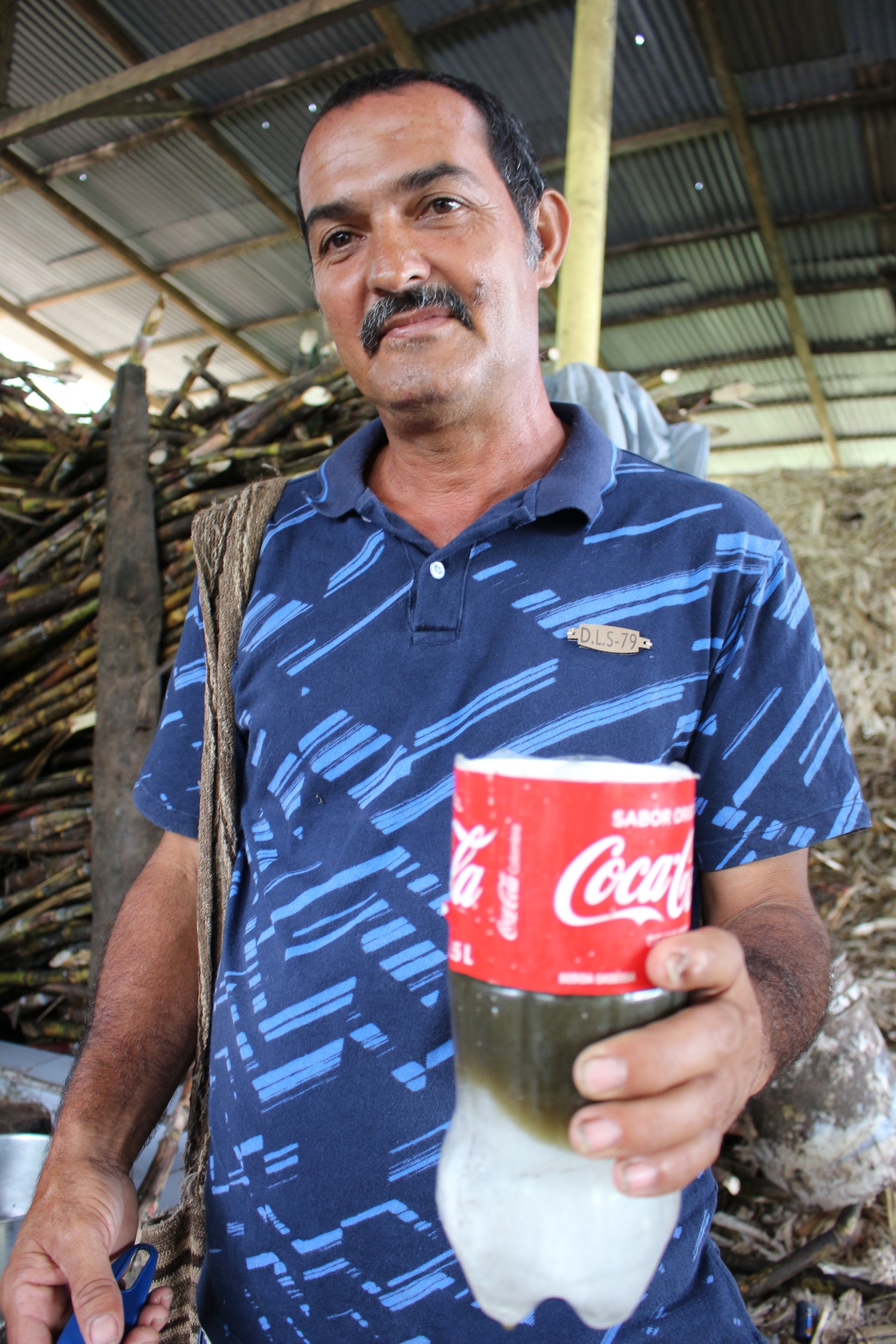
Samuel Coronel with freshly milled cane juice, on his farm in Los Encatos, high in the Sierra Perijá, Cesar.

What’s New on LandLinks – 1 June 2018

In lieu of our weekly scan of recent land tenure and resource management media items, we are highlighting the latest content on LandLinks at the end of each month. In case you missed it, here is a roundup of the new content on LandLinks, from USAID land-related project documents to blogs by our land experts, and more:

USAID LandLinks Blogs & Reports

  1. Chocolate’s Sustainability Challenge – written by Jeff King, highlighting TGCC’s partnership with Hershey’s & ECOM in Ghana (5/11/18)
  2. USAID Land Champion: Jennifer Chow (5/23/18)
  3. Six Lessons from the First Investor Survey on Land Rights – originally published on the Global Landscapes Forum website (5/25/18)
  4. Investor Survey On Land Rights (5/30/18)

Agrilinks Land Tenure Month

The following articles were originally posted on Agrilinks, and cross-posted with permission during a month-long focus on land, resource and marine tenure for food security in April:

  1. Land Policy for the Next Generation (5/2/18)
  2. Improving Large Scale Agriculture Investments (5/2/18)
  3. Q&A on the Interconnections Between Land Tenure and Food Security (5/2/18)
  4. The African Land Policy Centre Helps Lead the Land Reform Agenda (5/2/18)
  5. Improving the Economic Benefits of Landholders in Ethiopia (5/2/18)
  6. Six Myths About Youth and Land – originally published on Chemonics’ Blog (5/2/18)

Colombia: Land and Rural Development Program (LRDP)

  1. We Always had the Authority to Do Our Work, USAID Made it Easier to Operate (5/2/18)

Land-Potential Knowledge System (LandPKS)

  1. LandPKS Developing New Soil Health Module (5/18/18)

Six Lessons from the First Investor Survey on Land Rights

Last year, USAID and our partners set out to answer a critical question that is essential to informing how we work with businesses, communities and governments on land rights and economic growth: how does the private sector think about and deal with risks to their investments stemming from unclear or weak land tenure and property rights?

To date, there had been no systematic study of how investors and business operators actually assess and seek to mitigate land tenure risks. Without a clear understanding of these issues, USAID and other development agencies are limited in our efforts to develop policies, programs and partnerships that create win-win scenarios for both businesses and local communities.

Read the full piece on the Global Landscapes Forum website.

Land Formalization Pilot in Ovejas

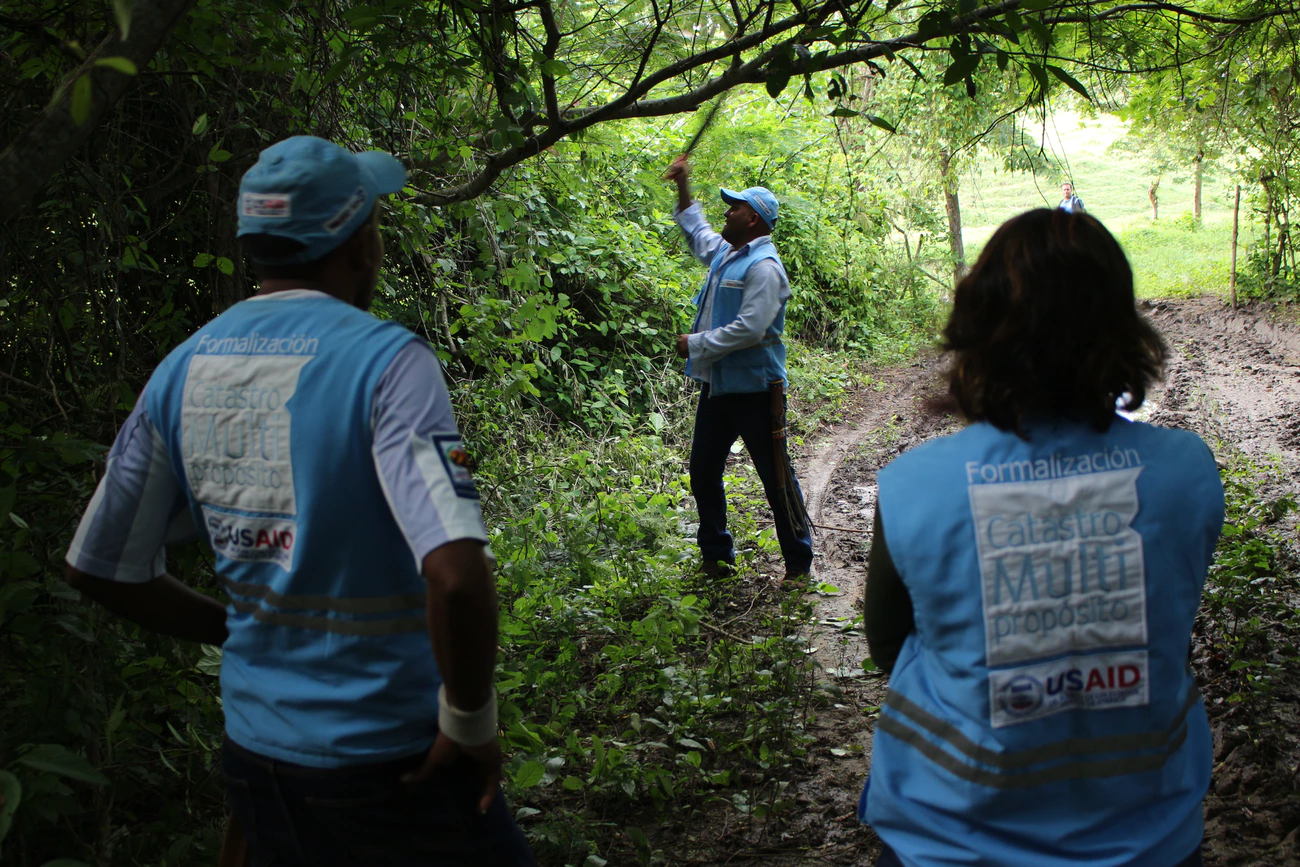
Over ten months, the USAID-funded Massive Land Formalization Pilot teams work six days a week, 6am-3pm, walking off every single property, parcel, & farm in an area measuring 500sq. kilometers. At 200m above sea level, 100 kilometers from the Caribbean ocean, the terrain is hot, humid, buggy, muddy, rainy, boggy, and dotted with unfriendly plants that sting, stick, and poke, plenty of mosquitoes, spiders, scorpions, an odd snake or two. Mid day sun, brutal. Rainy season, relentless.

The teams–many of whom grew up in these parts–deal not only with extreme climate conditions, but unpredictable landowners, who never show up. Technology that doesn’t always respond. Dead batteries at the end of the day.

Land conflicts: neighbors, families, property boundaries, divisions, forgotten inheritances, and the never-ending saga of a government that has completely abandoned land administration for at least the last 20 years.

This is the face of land formalization in 2018 Colombia!


USAID Land Champion: Jennifer Chow

Jennifer Chow is a Senior Policy Advisor in the Global Engagement and Strategy Office in USAID’s Bureau for Food Security. We spoke to her about why land is important to improving food security and advancing development.

Can you tell us a little bit about yourself?

I provide policy and strategic guidance on global food security issues with US Government leadership, other donors, international organizations and other development partners. I also provide input to help shape international norm-setting principles and voluntary guidelines. I try to make sure this policy guidance reflects the work of USAID on the ground and the development priorities of our government, and in turn that our work reflects global priorities and best practices, and that we at USAID focus on emerging issues so that our resources and efforts are effective and well-coordinated.

A lot of this work includes finding common ground and identifying opportunities to work better with other development partners (as well as within our own government) and building trust and long-term working relationships. I also focus on addressing issues such as resource governance, land tenure & property rights and responsible investment as part of a holistic global food security agenda.

Why is land important to USAID?

In general, I think land represents at least two critical things to everyone: 1) it is an economic asset which can be transacted (bought, sold, rented, mortgaged, etc) and 2) it is a livelihood asset which can provide shelter, a home, food, storage, safety & protection and other benefits.

Investments in land are often part of the essential economic stability and food security picture for families, communities and countries, which makes land an important part of our larger development vision. The support we provide in the countries where we work and the partnerships we shape can be critically altered by policies or dynamics around land.

What is the connection between land tenure and food security?

One simple example is that tenure security can lead to investments to improve the land as well as increase food productivity. For farmers in particular, it’s important to have a stake in the land and a sense of security that you will actually be able to reap what you sow. It’s important to understand that nurturing the soil will yield benefits next season, that you can treat the land as an investment for future generations. All of these factors fundamentally motivate farmers (and others) to build sustainable irrigation and crop rotation systems, or use other climate-smart and holistic agriculture practices involving precision farming, different energy use, tillage and fertilizer practices. Land, and the soil and other conditions related to it, are critical for growing food, for contributing to reliable sources of nutrition and income and for developing or contributing to trade and markets.

How is USAID working to fight hunger, strengthen land rights, and/or support responsible investments?

USAID provides technical expertise and capacity building to help governments structure, enact and implement policies and procedures related to land and resource rights. We encourage inclusivity, help connect people to processes and facilitate discussions. We also create and provide guidelines and checklists for companies, communities and governments to approach land rights and responsible investment issues in a comprehensive manner. We incentivize this behavior through partnerships with companies, non-governmental organizations and government partners; through programs on the ground; through monitoring and evaluation; and through continuously pushing for transparency and consistency.

Through extensive consultation and learning from past experience, including from the first five years of the Feed the Future initiative, USAID developed a new Global Food Security Strategy for 2017-2021. It represents a whole-of-government approach with agency-specific implementation plans. It has Congressional support (and mandates) via the Global Food Security Act of 2016. It goes into detail about how we will contribute to the achievement of global food security and the Sustainable Development Goals while elevating nutrition and resilience and emphasizing market-led development.

USAID also coordinates with other development partners on land mapping activities and on using surveying tools and data to inform better policies and programs. We also partner with companies and NGOs to pilot the implementation of responsible investment guidelines, to document concerns and needs from various stakeholders and to develop win-win scenarios for investors and communities.

LandPKS Developing New Soil Health Module

The Land Potential-Knowledge System (LandPKS; landpotential.org), a joint USAID-USDA program, announces the development of a Soil Health module to add to the LandPKS mobile app. Soil health – or the continued capacity of soil to function as a vital living ecosystem that sustains plants, animals and humans (USDA-NRCS, 2018) – is essential in preserving land potential. Soil health is achieved through the practice of conservation agriculture, which includes minimized soil disturbance, permanent living soil cover and diversified of crop rotations (FAO, 2018). Measuring soil health can be done in different ways, but normally includes analysis of the physical, chemical and biological properties of soil. Depending on the type of analysis, this can be determined both in a laboratory and the field.

The goal of the LandPKS Soil Health module is to allow users to input and track data about the health of their soil. Soil health indicators are being selected for the Soil Health module based on which indicators have the most significant impact on soil health, which are the easiest to observe and which are most commonly used by different soil scientists globally. These soil health indicators, when observed over time, can provide land managers with critical information about how management practices are affecting their soil’s health. Knowing the effects of management practices on soil health will then allow land managers and farmers to be better informed in order to maximize and preserve the potential of their land. The Soil Health module is being developed by Dr. W. Ashley Hammac.  Dr. Hammac holds a Ph.D. in Soil Science from Washington State University and has worked for the USDA-ARS in the National Soil Erosion Research Lab.

Soil in Samburu County, Kenya. Photo by David Kimiti.

The Soil Health module will be a nice complement to the LandInfo module that is currently available on the LandPKS app. LandInfo measures relatively static soil properties, including texture and rock fragment volume by depth.  In contrast, Soil Health measures more of the dynamic soil properties that are important for productivity.  In combination, understanding both the static and dynamic properties of the soil is incredibly beneficial for the land manager, farmer or natural resource conservationist.

The LandPKS app Version 3.0 is free and available in the Google Play Store and iTunes Store. Read more about Version 3.0 on the landpotential.org website. Training resources, including guides and online trainings, are also available on the website. The LandPKS app was developed by the LandPKS Team with support from USAID and USDA-ARS. Please contact us at contact@landpotential.org with any questions, comments or feedback. Follow us on Twitter @LandPKS  or Facebook to stay up to date.

Land Matters Media Scan – 18 May 2018

Here are the recent land tenure and resource management media items:

USAID

  1. Taking Back the Trees – Published by USAID’s Central Africa Regional Program for the Environment (CARPE) program (5/15/18)
    Source: USAID CARPE
  2. Factoring in Land Rights in the Push for Sustainable Landscapes – Interview with Frank Pichel, co-founder of Cadasta Foundation and former USAID Land Tenure & Property Rights specialist (5/17/18)
    Source: Global Landscapes Foundation

Upcoming Events

  1. Global Landscape Forum Washington, D.C. 2018 (5/30/18)
    Source: Global Landscape Forum

Reports and Publications

  1. The Necessity for Open Data on Land and Property Rights (4/30/18)
    Source: Land Portal Foundation

Global

  1. Landscape Transformation: What Does Power Have to Do with It? (5/13/18)
    Source: Global Landscapes Forum
  2. Sustaining Sustainable Development: Leveraging Human Rights Norms to Implement Land-Related Goals (5/17/18)
    Source: Impakter
  3. Why Measuring Land Tenure Matters: From the SDGs to Impact Evaluation (5/4/18)
    Source: Land Portal Foundation

Indigenous Peoples

  1. UNPFII 17 Adopts Recommendations on Collective Rights to Lands, Territories and Resources (4/27/18)
    Source: IISD
  2. Bangladesh: Chittagong Hill Tracts: UNPFII Urges Respect of Accord Amidst Violations from Bangladeshi Government (5/7/18)
    Source: UNPO
  3. Brazil: A Forgotten People: Traditional Amazon Hamlet Fights for its Territory (5/9/18)
    Source: Mongabay
  4. ‘Freedom, but No Dignity’ – Brazil Slave Descendants Fight for Land (5/11/18)
    Source: Thomson Reuters Foundation
  5. India: After Decades of Struggle, Rajasthan’s Bhil Adivasis Hope to get Land Rights (5/14/18)
    Source: The Wire
  6. Tanzania: Maasai Herders Driven Off Land to Make Way for Luxury Safaris, Report Says (5/10/18)
    Source: The Guardian

Africa

  1. Men that Champion Women’s Land Rights (5/4/18)
    Source: International Land Coalition
  2. Why Merely Owning Land isn’t Enough to Empower Africa’s Women Farmers (5/14/18)
    Source: The Conversation
  3. Ghana: Upper West Region: Local Authorities Lobby Landlords To Release Lands For Women Farmers (5/5/18)
    Source: Modern Ghana
  4. Why Kenya Hopes Blockchain Can End Land Grabbing (5/4/18)
    Source: BBC News
  5. Women in Kenya Risk Their Livelihoods to Stand Up for Land Rights (5/9/18)
    Source: News Deeply
  6. Kenyan Lawyers Wrangle with Government Over Land Registry Digitisation (5/7/18)
    Source: Thomson Reuters Foundation
  7. Liberia: Senators Brace for Heated Land Rights Act Debate (5/9/18)
    Source: Daily Observer
  8. Namibia: Why The Herero Of Namibia Are Suing Germany For Reparations (5/6/18)
    Source: NPR
  9. Sierra Leone’s Small Towns Learn to Fight Against Land Grabs (5/7/18)
    Source: Ozy
  10. South Africa: This Land Is Our Land (5/3/18)
    Source: Foreign Policy
  11. South Africa: Land Redistribution: Government Announce Plans to Fast-track the Policy (5/11/18)
    Source: The South African
  12. Tanzania: Yes, Land Documents are Acceptable as Collateral (5/9/18)
    Source: Daily News

The Americas

  1. This Ungoverned Haitian City is Fighting to Stay Alive (5/15/18)
    Source: Ozy
  2. Venezuela: Maduro Visits Disgruntled Campesino Communities on Campaign Trail, Converses with Communal Leader Prado (4/30/18)
    Source: Venezuela Analysis

Asia

  1. Cambodia: Hundreds Protest Over Land Dispute (5/3/18)
    Source: Khmer Times
  2. India: Land Continues to Remain a Major Concern for Infra, Energy Sector in India (5/12/18)
    Source: Business Standard
  3. India: Land — The Forgotten Issue in Farmers’ Unrest (5/7/18)
    Source: The Hindu
  4. India: Slum Dwellers Get Land Right Certificates (5/8/18)
    Source: The Statesman
  5. Myanmar Court Convicts Farmers of Trespass in ‘Blow’ to Land Rights (5/8/18)
    Source: Thomson Reuters Foundation
  6. Nepal: Govt Mulls Leasing Land to Run Transmission Lines (5/9/18)
    Source: The Kathmandu Post
  7. Philippines: Messy Land Ownership in Marawi Complicates Rehabilitation (5/15/18)
    Source: Rappler
  8. Thailand: Anger Over Land Rights Spills into Street Protests in Thailand (5/16/18)
    Source: Thomson Reuters Foundation

Chocolate’s Sustainability Challenge

As demand for chocolate increases globally, companies that produce it are making sustainable sourcing a key part of their business strategy. For other companies with complex supply chains, the message is clear: sustainability means much more than brand management.

Originally published on Project Syndicate.

HERSHEY, PENNSYLVANIA – In the 1970s and 1980s, when multinational firms first linked sustainability to business success, the chief catalyst was vulnerability, not altruism. Consumer pressure, political boycotts and costly lawsuits were damaging companies’ bottom lines, and environmental policies helped shield companies from bad publicity and protect shareholders from painful losses.

Today, corporate social responsibility and sustainability are no longer fear-based. Instead, sustainability is viewed simply as a necessity for the future. This is particularly true for industries that depend on agriculture – such as the chocolate business.

With chocolate consumption near historic highs, chocolate companies like the one I work for should be relishing our success. But we are facing a looming challenge. Unless we can help produce a more sustainable cocoa crop, the world may one day need to find a new favorite treat.

Cocoa trees thrive in just a thin band of countries along the equator, where the climate is warm and humid. Just two countries – Côte d’Ivoire and Ghana – produce the overwhelming majority of the chocolate that Americans eat. West African cocoa is an important part of Hershey’s unique flavor, but in that region, cocoa trees are aging and becoming less productive.

In the past, when cocoa farmers faced diminishing crop yields, they would simply clear forests and start over. But today this approach is environmentally and socially unacceptable. The only sustainable solution is to seed old cocoa farms with new trees. Unfortunately, population growth, urbanization and weak land rights are driving up demand for land, thereby undermining many farmers’ ability to invest in and replant their property. As a result, farm rehabilitation is not occurring at the scale or pace that companies like mine need if we are sustainably to meet demand well into the future.

The scale of the challenge we face is significant. To meet global demand for 7.2 million metric tons of chocolate annually, multinationals like Hershey rely on millions of cocoa farmers, each of whom farms a tiny plot, often 1-2 hectares (2.5-5 acres). Our complex value chains reach deep into some of the most remote corners of the world. To keep the confections coming, we need new approaches to help those farmers grow cocoa sustainably.

If we in the cocoa sector handle the current challenge well, we can help forge a way forward for more sustainable sourcing of other agricultural products. That is the motivation behind Hershey’s new partnership with the US Agency for International Development (USAID) and ECOM, our biggest cocoa supplier in Ghana. Last year, we launched a small pilot program to help smallholder farmers increase cocoa production, eliminate cocoa-driven deforestation and boost resiliency. In particular, the initiative is designed to address two challenges faced by every grower in West Africa: land tenure and financing.

According to Ghana’s Lands Commission, less than 2% of the country’s 800,000 cocoa farmers have a legal right to the land they cultivate. Instead, farmers access property through informal agreements with a chief or a landowner. Traditionally, these oral agreements have allowed farmers to clear forests and begin farming.

But once cocoa trees stop producing after 30 years or so – or sooner if disease strikes – farmers must obtain permission from the original landowner to replant. At a time of historically high demand for land, chiefs and landowners are increasingly refusing farmers’ requests to replant. That leaves farmers with two options, neither of them good: clear virgin forests and start again or get out of the business entirely.

The partnership with USAID and ECOM seeks to address this problem by eliminating some of the hurdles to replanting. ECOM has created an innovative financing model that helps farmers remove old or diseased tree, and replant with resilient and more productive hybrids. Shade trees, maize and plantains are also being planted to help diversify incomes and increase productivity. ECOM manages the farms for three years, giving a share of the profits back to the farmers while recouping initial start-up costs.

At the same time, USAID is mapping cocoa farmers’ land and documenting their customary rights to it. Local chiefs certify the maps, thereby improving the security of farmers’ tenure. Chiefs are also being trained in mediation, to help support farmers’ land claims.

Because this approach manages to tackle an issue that has long been viewed as almost too complex to manage, it could become a model for the future. As population growth increases demand and reduces the land available to meet it, companies will have to incorporate sustainability into their operations. That means rolling up their sleeves and helping to address stubborn local challenges, such as land rights, that impede both economic development and the long-term health of international supply chains.

© Project Syndicate, 2018 www.project-syndicate.org